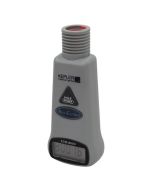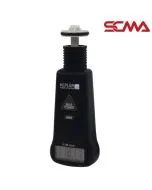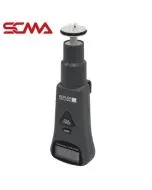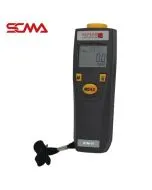

A tachometer, or revolution counter, is a crucial tool in industrial and automotive work. It measures the rotational speed of various objects such as shafts, motors, or engines. This article will introduce you to the details of this speed measurement device.
What is a Tachometer?

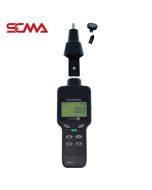
A tachometer (Tachometer) is a tool or device used to measure and display the rotational speed or revolutions per minute (RPM) of rotating objects. It is commonly used in industries and various applications where knowing the rotation speed is crucial for checking and controlling machinery, engines, motors, and other rotating components. The term "tachometer" comes from the Greek words "tachos" (meaning speed) and "metron" (meaning measurement). Speed measuring devices are valuable tools in automotive, aviation, maritime, industrial, and scientific fields by providing real-time feedback about the rotational speed of objects being measured. Tachometers come in various types such as analog and digital, and can be either contact or non-contact depending on the detection mechanism used to measure RPM.
What does a tachometer do?
Tachometers play a crucial role in monitoring and controlling the rotational speed of various equipment and machinery. They are valuable tools in automotive, aviation, maritime, industrial, and scientific fields by providing real-time feedback about the rotational speed of objects being measured. This information is vital for tuning engines to operate at peak efficiency, preventing damage from excessive rotation speeds, and checking the operational condition of machines under normal circumstances.
Furthermore, tachometers help operators quickly identify potential issues with machinery or engines when abnormal RPM readings may indicate wear and tear, loosening of parts, or other problems that need to be addressed. Tachometers also play a significant role in energy conservation by helping adjust the speed of machines appropriately for their tasks.
How does a tachometer work?
A tachometer works by projecting a light onto the reflective surface of a rotating object. When the light hits the object, it bounces back to the sensor in the tachometer, which detects the frequency of these reflections. The internal processing system within the tachometer calculates the rotational speed (RPM) based on the time interval between received light pulses. Then, the calculated RPM value is displayed on the digital screen of the tachometer for users to read accurately.
How do electronic tachometers work?
Electronic tachometers work with modern technology, using sensors such as magnetic or optical sensors to detect rotational movement and convert it into an electrical signal. The signal is then processed and displayed digitally on a screen or gauge. This process allows for accurate and quick measurement of RPM. Sensors count the number of rotations of an object over a specified period and calculate the RPM before displaying the result in a user-friendly format.
Types of RPM Meters
Rotary speed sensors have been developed in various forms to meet different needs in industrial and automotive applications. Each type has specific features suitable for different tasks, from traditional models to modern technologies, allowing users to choose the most appropriate one based on their application requirements.
1. Analog RPM Meter
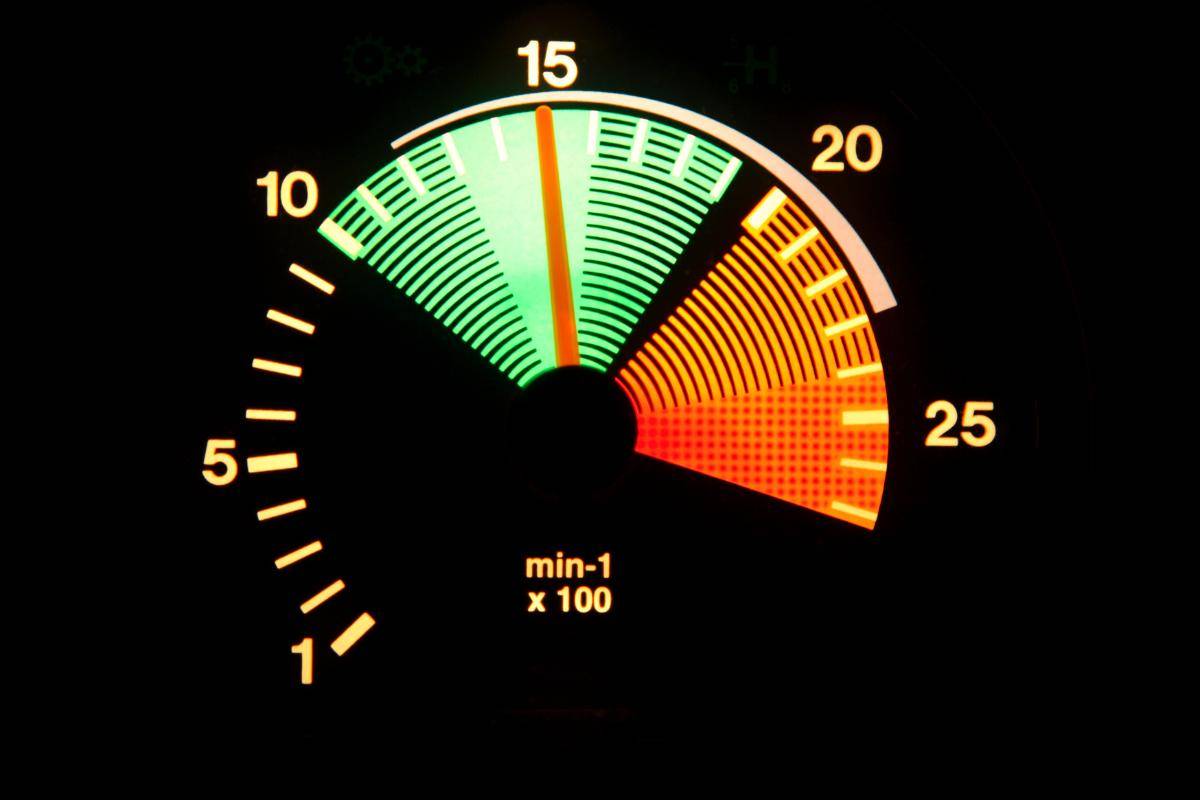
An analog RPM meter displays readings through a dial and needle mechanism using electromagnetic principles that convert measurement signals into needle movement. It is highly durable and easy to read even in low light conditions, commonly used in older car models and basic industrial equipment.
2. Digital RPM Meter
A digital RPM meter displays readings with clear numbers, offering high accuracy and the ability to store data, record maximum and minimum values, and process information. Often featuring additional functions such as computer connectivity, data export, and graph display, it is suitable for tasks requiring precision and data logging.
3. Contact and Non-Contact RPM Meter
The contact type uses a probe that must touch the object directly, ideal for measuring the speed of shafts or wheels that are easily accessible. The non-contact type measures from a distance using laser or infrared technology, not interfering with equipment operation, making it suitable for hard-to-reach objects, high-speed applications, or those with high heat.
4. Time and Frequency Measuring RPM Meter
The frequency measurement type counts the number of pulses within a specified time period to calculate RPM, suitable for constant speeds. The time measurement type measures the duration between each pulse, ideal for varying speeds. Both types offer high accuracy and are used in applications requiring precise measurements.
How to Use a Tachometer

Using a speed measurement device is quite simple. Start by attaching the sensor to the spark plug wire of the car to detect engine signals. Then connect the sensor cable securely to the tachometer or speed measuring device. Once connected, turn on the RPM meter and start the engine. The meter will immediately display the engine's RPM for you to read.
If interested in purchasing a Tachometer from SCMA, it is available today!
SCMA is a high-quality supplier of tachometers that meet international standards. We offer various types of RPM meters including analog, digital, contact and non-contact models to cater to the needs of all industries. Additionally, we provide reliable after-sales service with long-term warranties and a team of experts available 24/7 for consultation.Choose speed measurement devices from SCMA for superior performance.
Summary
A tachometer or RPM meter is an essential tool used to measure the rotational speed of objects in RPM units. There are various types including analog, digital, contact and non-contact models as well as frequency and time measurement types. Each type has its own strengths and limitations making them suitable for different applications. Choosing the right tachometer for your work can enhance efficiency and accuracy. If you're looking for high-quality tachometers, SCMA is the best answer. With expertise and extensive experience, we are ready to be your trusted partner in selecting equipment that meets your needs.
Frequently Asked Questions
What is the function of an Engine RPM Sensor?
An engine RPM sensor, or RPM Sensor, detects and measures the rotational speed of the engine. It sends signals to the engine's control system (ECU) so that the system can adjust its operation appropriately, such as fuel delivery, ignition timing, and other related systems. Additionally, it provides data for display on the vehicle’s dashboard, allowing drivers to monitor the engine's performance.
What is an RPM Sensor?
An RPM sensor is an electronic device that detects movement or rotation of objects and converts it into electrical signals. There are several types, including:
- Magnetic Sensor - Detects changes in magnetic fields
- Optical Sensor - Uses light to detect rotation
- Hall Effect Sensor - Detects changes in magnetic fields when metal objects pass through
- Encoder Sensor - Provides both speed and position data of rotation
What is a Tachometer?
A tachometer is a tool used to measure the rotational rate of an object, displaying results in RPM (Revolutions Per Minute) or other relevant units such as Hz (Hertz). A tachometer is highly useful for monitoring and controlling the operation of machinery, motors, and engines. It helps users maintain appropriate rotation speeds to prevent damage and enhance operational efficiency.
What is RPM?
RPM (Revolutions Per Minute) measures the rotational speed of an object, typically expressed in units such as RPM or rounds per minute, indicating how many complete rotations an object makes within one minute. In some cases, other units may be used, such as rounds per second (RPS) or Hertz (Hz), where 1 Hz equals 60 RPM. RPM is a crucial measurement for assessing the efficiency and performance of machinery, engines, and rotating equipment. Controlling RPM within an appropriate range can extend equipment lifespan, reduce wear and tear, and improve energy efficiency.