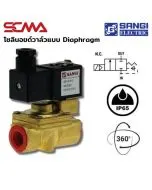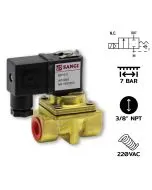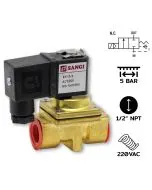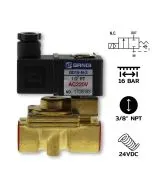
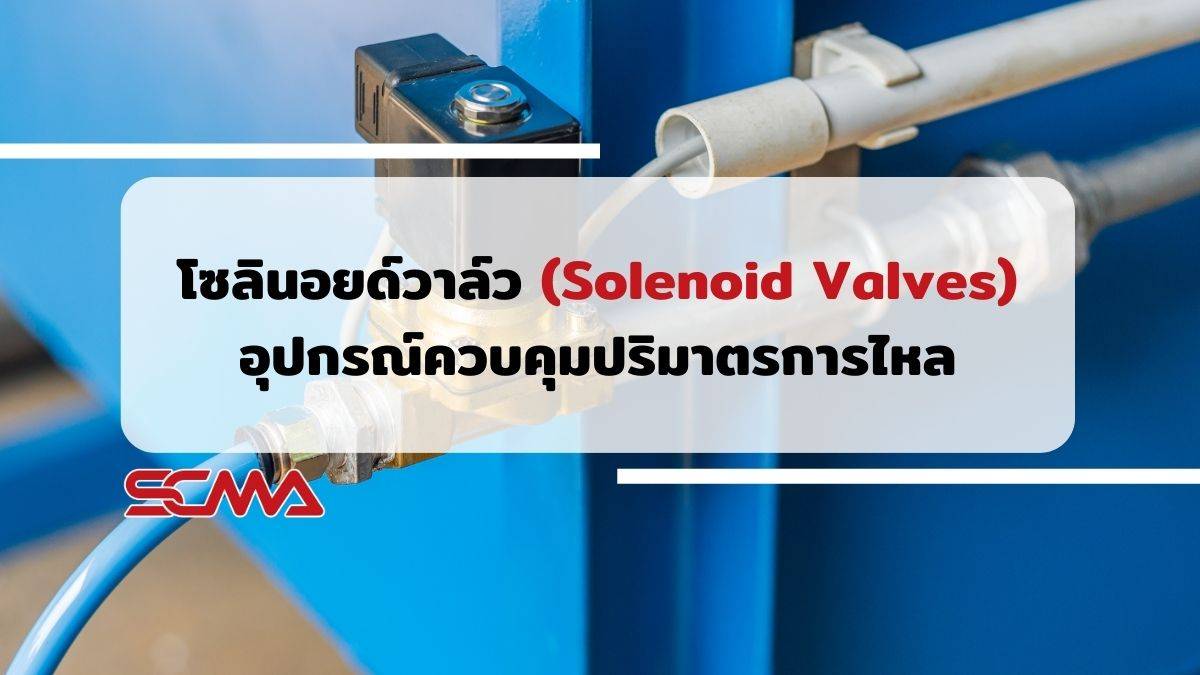
Solenoid Valves (Solenoid Valves) are important control devices for the flow of liquids or gases in modern industrial systems. With their operation based on electromagnetic principles, these valves can precisely and quickly control the flow, making them crucial components in automatic systems and various production processes. This article will introduce you to solenoid valves, from how they work, types, to proper selection and installation.
What is a Solenoid Valve?
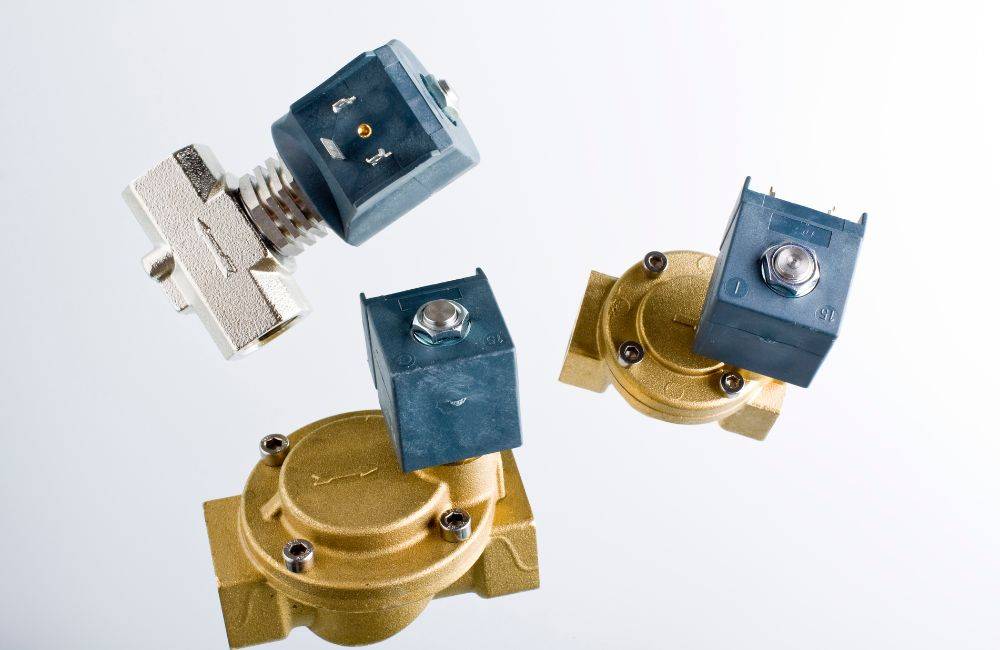
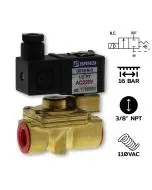
What is a solenoid valve?? What does a solenoid valve do? It is a flow control device for liquids such as water, air, or various gases. A distinctive feature of solenoid valves is the presence of wound coils that act as an intermediary with electrical energy; when electricity passes through the coil, it generates a magnetic field causing internal mechanisms to automatically open and close fluid pathways. When selecting a solenoid valve, appropriate materials should be considered based on the type of flow used, such as choosing plastic for water-related work or brass for chemical-related work to ensure maximum efficiency and safety in use.
What types of solenoid valves are there?
solenoid valve has how many types? Each type differs in terms of initial state and behavior with or without electrical current. The choice of solenoid valve depends on the specific system requirements, operating time, and energy efficiency.
Normally closed Solenoid Valve (NC)
This type of valve is in a closed state when there is no electrical current, not allowing fluid to pass through. When electricity is applied to the coil, it generates a magnetic field that moves the plunger against the spring force, causing the seal to break and allowing fluid to flow through the valve. This type of valve is suitable for systems requiring high safety, where fluid must stop flowing when there is no power.
Normally open Solenoid Valve (NO)
This type of valve is in an open state when there is no electrical current, allowing fluid to flow through. When electricity is applied, the magnetic field generated moves the plunger down against the spring force, causing the seal to close at the valve mouth and prevent fluid from passing through. This type is suitable for applications requiring long periods of valve opening because it helps save energy.
Bi-stable Solenoid Valve
This type of valve can change state with a temporary power supply and then remain in that state without continuous power usage. It does not need to be normally open or closed because it remains in its current state when there is no power supplied. This operation is possible by using permanent magnets instead of springs, which greatly saves energy. Suitable for systems requiring high energy efficiency.
How a Solenoid Valve Works
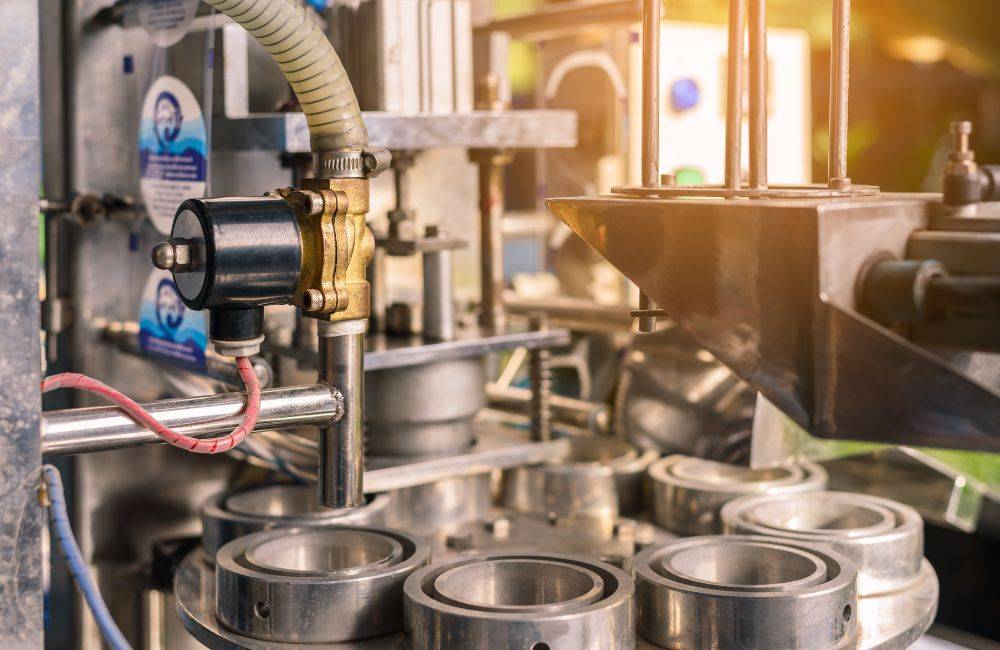
A solenoid valve operates based on the principle of electromagnetism, consisting of two main parts: the solenoid and the valve. The solenoid comprises an inductive coil wound around a central iron core or plunger. When electrical current flows through the coil, it generates a magnetic field that pulls the plunger to move against the spring force, causing the valve to open or close as designed. Valves are categorized into two types: normally open (closed without power) and normally closed (open without power). Solenoid valves have diverse applications across various industries due to their different operating principles, including direct, indirect, and hybrid modes, to accommodate varying pressures and flow rates.
Key Features of Solenoid Valves
Solenoid valves have several special features that enhance performance, save energy, and meet diverse application requirements. These features are developed to overcome the limitations of general valves and increase their ability to handle specific tasks, making solenoid valves an appropriate choice for systems requiring accuracy, reliability, and efficient control.
- Reduced Electrical Power Consumption: Use short electrical current to open or close the valve, then reduce power consumption to maintain the position of the valve, significantly saving energy.
- Locking: Use short electrical pulses in conjunction with permanent magnets to hold the plunger's position without continuous power consumption. Suitable for low-frequency switching tasks, reducing energy use and heat generation.
- High Pressure: Special designs are available for high-pressure systems up to 250 bar.
- Self-Actuation: Increase safety and convenience during testing, maintenance, or power failure scenarios. Some models cannot be electrically controlled when self-locking.
- Media Separation: Separate the fluid section from the valve's working part, suitable for systems with slightly contaminated fluids.
- Vacuum: Models are available for rough vacuum systems that do not require a minimum pressure differential and special models for stringent leak rate requirements.
- Adjustable Response Time: Adjustable valve opening or closing time can prevent water hammer problems in the system.
- Position Feedback: Can display the switching status of the valve with electrical or light position feedback, as binary signals or NAMUR.
- Low Noise: Special designs are available to reduce noise during valve closure, suitable for quiet environments.
How to Select Solenoid Valves
Selecting the right solenoid valve is a crucial factor that affects the efficiency and reliability of the control system. Carefully considering various factors will help you choose a high-quality valve that meets your needs and has a long service life. Additionally, it helps save costs in the long run by reducing the risk of system damage or malfunction.
- Understand the type of work: Study the load and specific requirements of the system clearly to ensure you can select a valve that is correct and suitable for use.
- Select standard-compliant valves: Consider valves produced with quality, popular among consumers, and backed by reliable manufacturers' warranties.
- Consider special features: Choose valves with special features suitable for the job, such as energy efficiency, high pressure resistance, or time response control, which will enhance system performance.
- Check compatibility with power supply: Select valves that work well with existing power supplies in terms of voltage (AC/DC) and required power.
- Test before actual use: Detailed testing of solenoid valves must be conducted before installation and actual use to check operation, leaks, and other abnormalities that may occur.
Usage of Solenoid Valves
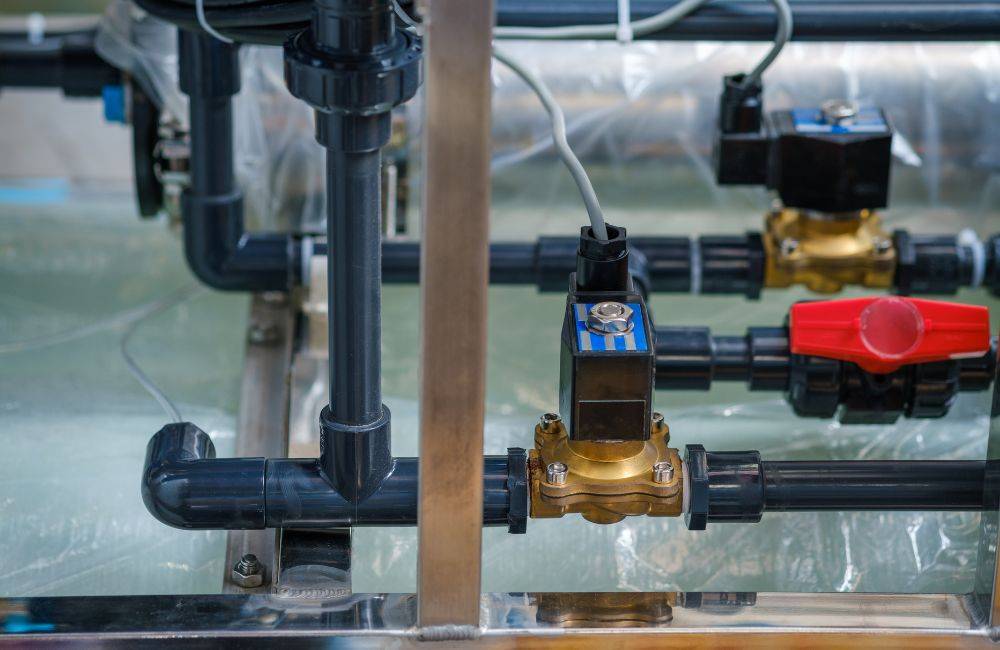
Solenoid valves are widely used in various industries and systems in everyday life due to their ability to control the flow of liquids and gases automatically and accurately. Whether it's for homes, commercial buildings, or industrial factories, solenoid valves help increase efficiency, safety, and convenience in numerous systems.
- Refrigeration Systems: Solenoid valves are used to switch the direction of refrigerant flow, enabling cooling during summer and heating during winter.
- Irrigation Systems: Automated control solenoid valves are used to manage water flow in agricultural areas.
- Household Appliances: Dishwashers and washing machines use solenoid valves to control the flow of water during various stages of operation.
- Air Conditioning Systems: Solenoid valves are used to control air pressure, maintaining appropriate temperature and humidity levels.
- Security Systems: Solenoid valves are used in automatic door lock systems to control access to areas.
- Medical Equipment: Medical and dental equipment use solenoid valves to precisely control the direction and pressure of liquids.
- Water Management Systems: Water tanks use water solenoid valves in conjunction with float switches to automatically control water inflow or outflow.
- Service Businesses: Car washing systems use solenoid valves to control the flow of water and soap, making the cleaning process efficient.
- Industrial Cleaning: Industrial cleaning equipment uses high-pressure water or cleaning solution solenoid valves to control spraying.
What should be cautious about when installing solenoid valves?
If installed improperly, it may cause the valve to malfunction, sustain damage, or have a shorter lifespan. Additionally, it could also pose risks to the system and users. Therefore, one should consider various precautions to ensure safe and efficient installation.
- Study thoroughly: It is important to understand the installation manual and characteristics of solenoid valves in detail before starting the installation process, ensuring that the selected valve is suitable for use.
- Check system pressure: It is necessary to know the maximum pressure of the fluid in the system to select a valve that can withstand sufficient pressure, preventing issues such as solenoid valves not working or being damaged.
- Check electrical power: It is necessary to know the appropriate electrical power for controlling the valve, preventing coil damage due to inappropriate current.
- Prepare the piping system: Check and prepare the water or fluid delivery pipeline before installation. Clean and remove any contaminants that may obstruct valve operation.
- Select an appropriate installation location: Install solenoid valves in areas that are easily accessible for maintenance, have good heat dissipation, and protect against harmful environments such as high humidity or corrosive chemicals.
Interested in Solenoid Valves? Buy from SCMA Today!
Solenoid valves are crucial components that help control fluid systems efficiently and accurately. SCMA Company is a high-quality solenoid valve distributor certified to industry standards, offering comprehensive consultation services including selection, installation, and maintenance.
We offer various types and sizes of solenoid valves tailored to customer needs, whether for low or high pressure systems, water, oil, gas applications, or specialized industrial sectors such as food, beverages, or pharmaceuticals.
Our team of expert engineers is ready to provide advice on selecting the right solenoid valve for your application to ensure optimal performance and longevity. Contact SCMA today for free consultation and quotation!
Summary
Solenoid valves are essential components in fluid and gas control systems used in industrial and general applications, with outstanding features such as fast response time, high accuracy, and automatic operation capabilities. This makes solenoid valves an ideal choice for modern control systems.
Selecting the right solenoid valve and proper installation are critical to ensuring system efficiency and longevity. SCMA offers comprehensive services related to solenoid valves, from consultation, selection, installation, to maintenance, with professional teams and high-quality products. We are ready to be a part of your project's success. Contact us today for solenoid valve consultation.
Frequently Asked Questions
What is the working principle of a solenoid valve?
The operation of a solenoid valve is based on electromagnetic principles. When an electric current flows through a coil, it generates a magnetic field that attracts the iron core (plunger), causing it to move and thereby opening or closing the valve depending on the type of valve. For Normally Closed valves, they open when there is electricity and close when there isn't. Conversely, Normally Open valves close when there is electricity and open when there isn’t.
How many amps does a 24V solenoid valve consume?
A typical 24V electric solenoid valve consumes approximately 0.1-1.2 amps, depending on the size and type of the valve. Smaller valves may use only 100-300 milliamps, while larger or high-pressure valves might consume up to 1-1.2 amps. Additionally, the initial surge current (inrush current) is usually 3-10 times higher than the holding current during normal operation, so this should be considered in power supply and circuit protection design.
How does a solenoid valve work?
A solenoid valve operates primarily in two ways:
- Direct Acting Valve: When an electric current passes through the coil, the magnetic field pulls the iron core directly connected to the valve, causing it to open or close. Suitable for low to medium pressure systems.
- Pilot Operated Valve: Uses fluid pressure to assist in opening and closing the valve. The solenoid controls a small pilot valve that releases air pressure to open the main valve, suitable for high-pressure or high-flow systems.
When the electric current stops flowing, a spring pushes the iron core back to its original position, returning the valve to its initial state (NC or NO).
What is the role of solenoids in pneumatic equipment?
In pneumatic equipment, solenoid air valves control the flow of compressed air within the system by opening or closing air pathways or changing the direction of air flow to control other pneumatic devices such as cylinders, air motors, or air clutches. Solenoid valves in pneumatic systems are often 2/2, 3/2, 4/2, or 5/2 types, where the first number indicates the number of connection ports and the second number indicates the number of operating positions. Additionally, solenoids convert electrical energy into mechanical energy, allowing pneumatic systems to be controlled by electrical signals from automatic control systems.