A Water Meter, also known as a water usage meter, is an important device used to measure the volume of water consumption in all sectors, from households and businesses to large industries. Understanding the types and principles of operation of water meters is essential for selecting the right one that suits your needs and provides value. Whether it's mechanical, ultrasonic, or electromagnetic models, each type has its own advantages. Choosing the correct meter not only helps save costs but also promotes efficient water management.SCMA, as an expert in measurement and control system solutions, supports all water meter needs to meet various usage requirements.
What is a Water Meter (Water Usage Meter)?

A Water Meter, or water usage meter, is a device used to measure the volume of water flowing through pipes in a plumbing system. The results can be used for calculating water bills, tracking consumption, or managing water systematically. A water meter is the heart of both residential and industrial water metering systems, with various models suitable for different types of work such as household use, public utilities, or heavy industry applications. With continuous technological advancements, modern water meters are highly accurate and support digital connectivity (Smart Metering) to enhance water management efficiency.
How Does a Water Meter Work?
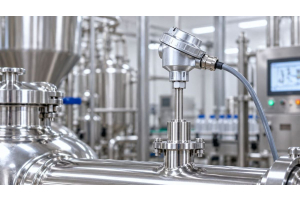
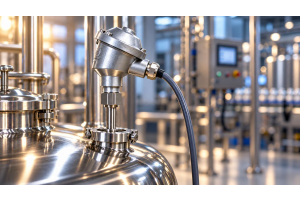
The operation of a water meter depends on the type of meter being used. Generally, it has sensors or mechanisms that calculate the volume of water flowing through the device and send results to the dial or digital system to display the amount used. In the case of mechanical meters, they use a turbine that rotates due to water pressure and calculates the volume. Digital or electromagnetic systems use waves or magnetic fields to measure flow speed and convert it into water usage data. The operation of Flow Meters for Water typically considers continuous flow, direction of flow, pressure, and accuracy of results, which are important factors in selecting the right water meter for specific applications.
Purpose and Benefits of a Water Meter

A water meter does more than just measure the volume of water. It is a crucial tool in systematic water control and management, both for residential and industrial use. Installing high-quality water meters helps detect anomalies in water usage such as leaks, seepage, or excessive consumption promptly. Additionally, water meters promote efficient and economical water use by providing clear and verifiable consumption data. Properly using water metering is also a critical factor in long-term organizational and community water management.
What are the Types of Water Meters?
Water meters come in various types to suit different usage scenarios. Each type has its own working principle, materials, and accuracy levels. The selection of a water meter should be based on the type of water used, frequency of use, and technical requirements of the water system in the area.
1. Displacement Water Meter
Displacement Water Meters measure the volume of water flowing through over a period using piston or displacement mechanisms driven by water pressure. The rotation of the piston is transmitted via magnetic coupling to the meter face, making it suitable for high-precision applications such as medium-sized residential buildings or areas with constant water pressure.
2. Positive Displacement Meter
Positive Displacement Meters use precise mechanisms to measure the volume of water even at low flow rates, available in sizes from 5/8 inch and up. They are ideal for residential or small business applications due to their accuracy and durability, making them widely popular in plumbing meter systems.
3. Velocity Meter
Velocity Meters work by measuring the speed of water flowing through a device and converting that speed into volume measurements. They are further categorized based on their working principles:
- Single and Multiple Jet Water Meter – Uses spinning blades driven by water pressure, suitable for measuring small volumes of water.
- Ultrasonic Flow Meter – Utilizes ultrasonic waves transmitted through pipes to accurately calculate flow rates.
- Multi-jet Turbine Water Meter – Popular in factories or buildings with high water usage.
- Compound Water Meter – Combines two measurement systems for both high and low flow rates, used where high precision is required.
- Electromagnetic and Ultrasonic Meters – Use electromagnetic principles combined with ultrasonic waves for extremely accurate measurements.
How to Read a Water Meter
Reading a water meter is crucial for monitoring monthly water usage. Typically, the water meter displays black numbers indicating cubic meters and red numbers showing liters. When reading the water meter, focus only on the black digits and compare them with the previous month to calculate consumption. If the paddle spins without any water use, it may indicate a leak in the system, which should be checked immediately. Understanding how to read the meter correctly helps manage expenses and handle water usage efficiently.
How to Check and Maintain Water Meter Yourself

Although a water meter is an equipment with long-lasting durability, regular inspection and maintenance are necessary to ensure accuracy and prevent damage. Self-maintenance of the water meter helps reduce costs and extend its lifespan.
- Check that the on-off valve can turn smoothly
- Inspect the faceplate cover for any damage or cracks
- Check the exterior of the meter for rust or scale buildup
- Inspect for leaks at joints or seams
- Clean the faceplate so that the numbers are clearly visible
Guidelines for Installing and Maintaining Water Meters
Proper installation of a water meter ensures accurate readings and extends its lifespan, while post-installation maintenance reduces unnecessary repairs. Users should study the correct practices for installing and maintaining water meters regularly.
- Install in a horizontal position or as specified by the manufacturer
- Avoid installing in areas prone to water accumulation or flooding
- Do not install near high magnetic fields to avoid interference signals
- Ensure the direction of the flow arrow aligns with the pipe in use
- Select standard joint materials to prevent leaks
How Should You Choose a Water Meter?
Choosing the right water meter is crucial for sustainable use, both in terms of efficiency and accuracy. Consider various factors from the type of water to product standards. Selecting an appropriate water meter can effectively reduce long-term costs.
- Choose a type suitable for the characteristics of the water (e.g., sediment-laden, clean, or industrial)
- Consider the size of the pipe and actual flow rate
- Check the accuracy class (Accuracy Class)
- Select a meter that supports automatic reading systems if you require a Smart Meter
- Choose products that meet standards such as ISO 4064 or TIS
Interested in Water Meters? You Can Purchase from SCMA Today!
SCMA offers a wide range of water meters designed to meet every usage requirement, from household plumbing systems to high-precision industrial applications. We select water meters from leading international brands, ensuring quality, durability, and measurement accuracy. Our team of expert engineers is ready to provide consultation and comprehensive installation support. Customers can choose SCMA's services in sales, system design, and post-sales maintenance.
Summary
Water meters are the heart of an efficient water management system, crucial for measurement, control, and resource management at all levels. Choosing a suitable water meter according to your usage pattern helps accurately control costs, reduce waste, and enhance long-term water system efficiency. Whether selecting by type, installation, or maintenance, expertise is essential alongside support from professionals like SCMA. We provide comprehensive services and advice, from selection through installation and post-sales service, to help every organization maximize water efficiency daily.
Frequently Asked Questions
What is a Meter Water?
Meter Water or commonly known as a water meter, is an instrument used to measure the flow of water through pipe systems. The measurement values are used for calculating water bills or managing water within the system. There are various types including mechanical and digital meters, each suitable for different usage scenarios.SCMA
Types of Meter Water
Water meters come in various types designed to suit different usage scenarios. Understanding the types of water meters can help in selecting the appropriate one.
- Displacement Water Meter
- Positive Displacement Meter
- Velocity Meter (Single Jet, Multi Jet, Compound, Ultrasonic, Electromagnetic)
- Digital Flow Meters for Water or Smart Meter
What is the function of a water meter?
A water meter primarily measures and displays the amount of water used in various systems. Data from the water meter is used for calculating water bills, analyzing water usage, or managing water systems efficiently. Additionally, it can detect issues such as leaks or excessive water use for more accurate maintenance.
How do you calculate water charges from a meter?
Calculating water charges from a meter involves subtracting the previous month's recorded value from the current month's reading. The resulting amount is then multiplied by the rate set by the authority, typically using black numbers in cubic meters as the standard for calculating water bills.