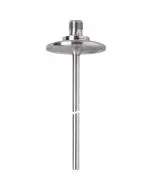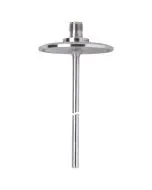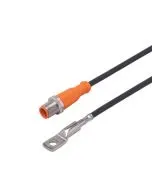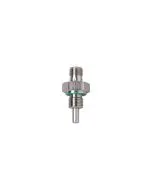

Temperature and humidity meters are crucial equipment in various industries and everyday use. With the ability to measure two critical environmental factors—temperature and humidity—this tool is essential for quality control, safety, and creating suitable environments for people, products, andequipment.
What is a Temperature and Humidity Meter?

Temperature and humidity meters are tools used to measure temperature, moisture content, and vapor in the atmosphere of soil or enclosed spaces. They are crucial across various industries, from agriculture, manufacturing, storage, to maintaining air quality in living spaces. This equipment helps us monitor and control environments appropriately, preventing damage caused by excessively high or low humidity levels, and protecting residents' health by preventing mold and allergens in the air.
How many types of temperature and humidity sensors are there?
Temperature sensor (Thermo-Hygrometer) are categorized based on display format and usage characteristics, each type having its own advantages and suitability for different applications. They can be broadly classified into two main types:
- Analog Thermo-Hygrometer - A needle-based temperature and humidity meter that displays readings through the movement of a pointer on a scale. It operates without batteries, is durable in various environments, and has a classic aesthetic appeal, making it suitable for installations where simplicity is preferred. However, its accuracy may be lower compared to digital models.
- Digital Thermo-Hygrometer - A temperature and humidity meter that displays readings in digital format, offering high accuracy and detailed readouts. It often comes with additional features such as maximum/minimum value recording, dew point display, alarm settings, and some models can connect to Wi-Fi for real-time data tracking, exporting data as PDF or Excel files. This makes it ideal for applications requiring precision and in-depth data analysis.
Both types can be further categorized based on installation format into desktop/hanging wall models, which feature large screens for clear visibility and versatile installation options to suit various usage needs. They are suitable for use in homes, laboratories, chemical storage rooms, or calibration rooms.
How to Use a Thermometer and Hygrometer

Using a thermometer correctly will help you achieve accurate and reliable results. Although each model may have different usage details, there are basic principles that are similar. You should study the user manual of your device in detail, and calibrate the equipment at least once a year to maintain accuracy.
Turn on the Temperature and Humidity Meter
Press the power button (Power) and wait for about 10-30 seconds while the device calibrates itself. The screen will display initial values when the device is ready to use, usually showing the temperature and humidity of the area where the thermometer is located.
Press Buttons on the Device to Set Measurement Mode
Select the desired measurement mode by pressing the MODE or FUNCTION button to switch between functions such as temperature, humidity, dew point (DEW POINT), or wet bulb temperature. Relevant symbols will appear on the screen to indicate which function you have selected.
Read Values
Place the thermometer in the area where you want to measure and wait for about 5-60 seconds, allowing the sensor to adjust to the environment and display accurate values. Moving the thermometer from an area with significantly different temperatures or humidity may require more time to adjust. Then read the values displayed on the LCD screen, which will show both temperature and relative humidity.
Change Reading Units
If you need to switch between Celsius (°C) and Fahrenheit (°F), press the UNIT or °C/°F button. Some models may require holding down the button for 2-3 seconds, or entering setup mode first. Changing humidity units is typically displayed as a percentage of relative humidity (%RH).
Press Hold Max Min Button
When measured values change rapidly, press the HOLD button to freeze the current value on the screen. This makes it easier to read and record the value. Additionally, the MAX/MIN buttons allow you to view the highest and lowest recorded values since turning on the device or resetting the last measurement. This function is very useful for tracking environmental changes over a period of time.
Why is measuring temperature and humidity important?

Measuring temperature and humidity is crucial in various fields, from science and meteorology to commercial and industrial applications. Measuring the amount of water vapor (humidity) in the air helps us understand the environment and maintain it at an appropriate level, especially in HVAC systems. Accurate temperature measurement ensures efficient system operation and extends equipment lifespan.
Especially in ducts, vents, and pipes, measuring temperature and humidity is important for these reasons:
- To control HVAC system temperature-humidity - Helps the system adapt and maintain an appropriate environment, creating comfort for users and saving energy.
- For air conditioning system design - Temperature and humidity data are crucial factors in calculating the size and capacity of an HVAC unit suitable for a given space.
- To check ducts, vents abnormalities - Abnormal changes in temperature and humidity may indicate system issues such as leaks, blockages, or reduced efficiency.
- To check air duct temperature and humidity to prevent rust and mold - High humidity in air ducts is the main cause of mold growth and rust, which affects air quality and can lead to health issues.
- To maintain ventilation systems - Regular measurement helps determine the optimal time for cleaning and maintenance, extending system life and maintaining performance.
Interested in Temperature and Humidity Meters? You Can Buy from SCMA Today!
SCMA is a leader in the sale of high-quality temperature and humidity meters that meet international standards. We offer various models to suit your needs, whether for home use, offices, industrial plants, or laboratories.
Our air temperature sensors are designed for easy operation, high accuracy, and durability in all environments. They feature the latest sensor technology that provides reliable measurements. Additionally, we offer models with special features such as data logging, smartphone app connectivity, and alerts when values exceed set limits.
The SCMA expert team is ready to provide consultation and recommend products tailored to your needs, along with comprehensive after-sales service that guarantees quality and reliable performance.
Summary
Temperature and humidity meters are essential tools for environmental control in residences, workplaces, and industries. Monitoring and controlling temperature and humidity levels appropriately helps prevent health issues, structural damage, and property loss, as well as improve energy efficiency.
Currently, there are various types of temperature measuring devices available to choose from, ranging from portable economical models to smart internet-connected systems. Selecting the right meter for your purpose and proper maintenance will ensure accurate readings and long-lasting use.
SCMA is ready to provide high-quality temperature measurement tools for all your needs. With our experience and expertise, we can advise you on the most suitable and cost-effective products. Contact us today for special offers and services that exceed expectations.
Frequently Asked Questions
What is humidity?
Humidity refers to the amount of water vapor present in the air, which is generally measured as relative humidity (RH) expressed as a percentage of the maximum amount of water vapor that the air can hold at a given temperature. When the air has a relative humidity of 100%, it means the air is saturated with water vapor and condensation may occur to form droplets.
What are the standard humidity levels for buildings?
The recommended indoor relative humidity (RH) range, according to ASHRAE and WHO guidelines, is typically between 30-60% RH. However, optimal levels may vary depending on the type of building and its intended use:
- General residential buildings: 30-50% RH
- Offices: 40-60% RH
- Hospitals and healthcare facilities: 40-60% RH
- Server rooms: 45-55% RH
- Museums and art galleries: 40-50% RH
- Book and document storage facilities: 35-45% RH
How does high humidity affect temperature?
High humidity in the air significantly affects how temperatures are perceived, even if actual temperatures do not change. People will feel that it is hotter than it actually is when humidity levels are high because:
- At higher humidity levels, sweat evaporates more slowly from the skin, making it harder for the body to cool down.
- The perceived heat discomfort or "Heat Index" is higher than actual temperatures when humidity levels are high.
- At a temperature of 32°C (90°F) with 70% humidity, it feels as hot as 38°C (100°F).
What is the appropriate level of humidity in an air-conditioned room?
The ideal relative humidity for an air-conditioned space should be around 40-60%, which provides maximum comfort and health benefits. Typically, air conditioners help reduce indoor humidity to some extent; however, in areas with extremely high humidity levels, additional dehumidifiers may be necessary.
Excessively low humidity (below 30%) can cause dry skin, eye irritation, and respiratory issues, while excessively high humidity (above 70%) can lead to discomfort, mold growth, and allergic reactions. Maintaining appropriate humidity levels is crucial for the comfort and health of occupants.