

Motion Sensor or motion detection devices are technologies that play a significant role in our daily lives, often without us noticing. From automatic doors in shopping malls to lights turning on when we enter a room, and even security systems in homes and buildings, these conveniences all rely on Motion Sensors working behind the scenes. This article will introduce you to this intelligent device in detail.
Motion Sensor is what?

Motion Sensor is a type of sensor designed to detect physical movement of objects within a defined radius. It can trigger other devices to operate automatically, such as turning on lights or alerting security systems. Currently, there are various types available, including Ultrasonic Sensor, Passive Infrared (PIR) Sensor, and Microwave Sensor, each with its own strengths and applications.
How Many Types of Motion Sensors Are There?
The working principle of Motion Sensor comes in various forms and can be categorized into three main types based on the technology used to detect movement. Each type is suitable for different applications.
- Passive Infrared Sensor (PIR) - Detects heat from moving humans or animals by measuring changes in infrared radiation within the detection area. It is commonly used in homes and offices due to its energy efficiency and affordability.
- Ultrasonic Sensor - Emits high-frequency sound waves and detects reflections when they hit objects. When there is movement, the reflection pattern changes, making it suitable for rooms with obstacles or blind spots.
- Microwave Sensor - Sends microwave signals and detects changes when they bounce back. It can detect through some barriers, such as thin walls, but it consumes more power and is more expensive, making it suitable for areas requiring high sensitivity.
How Does a Motion Sensor Work?
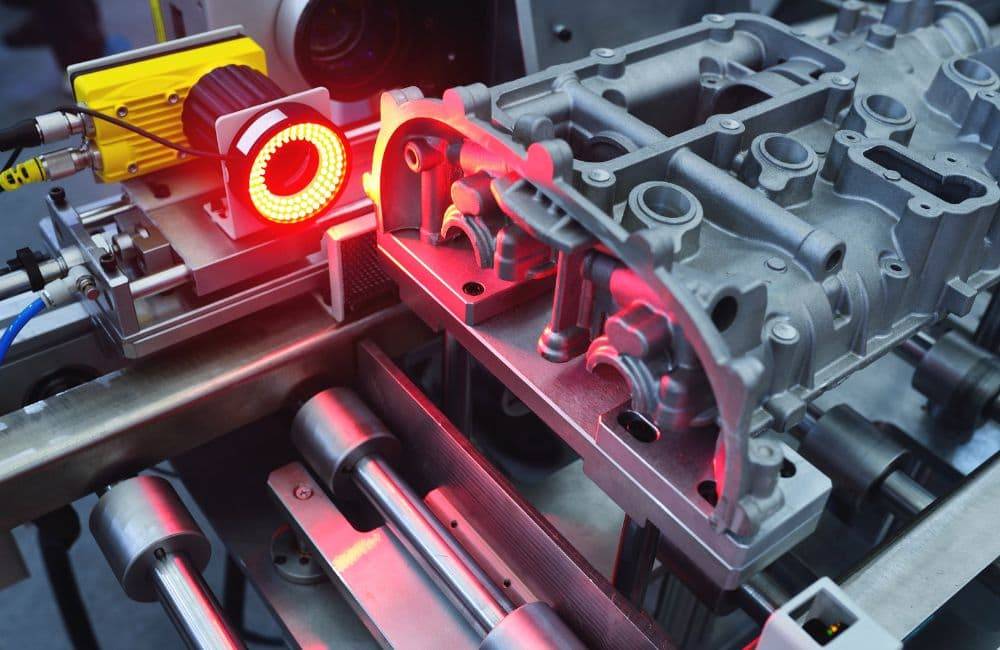
A motion sensor works by detecting changes in a designated area, whether it's infrared radiation, sound waves, or microwave signals. When movement is detected, the sensor converts the detected signal into an electrical signal and sends it to electronic circuits or software for processing and controlling connected devices as per the settings, such as turning on lights, opening doors, or sending alarm signals.
Where are Motion Sensors Suitable for Installation?
Installing a Motion Sensor in the right position enhances both security and convenience for homes and buildings. Suitable areas should be locations with high traffic or potential risk of intrusion, allowing the sensor system to respond promptly.
- Main Entrance Doors and Rear Doors - Key entry points that should be monitored for increased security and convenience when returning home at night.
- Balconies and Rooftops - Open areas that may pose a risk of intrusion from outside.
- First Floor Windows - Vulnerable points often used as entry by intruders, especially in homes located in isolated areas.
- In-Home Walkways - Helps control automatic lighting systems, saving energy and increasing convenience.
- Stairs - Reduces the risk of accidents at night by automatically turning on lights when movement is detected.
- Vaulted Rooms or Valuable Storage Areas - Increases security for important assets with alerts upon access.
- Garages and Parking Lots - Detects entry and exit to prevent vehicle or property theft.
Benefits of Using Motion Sensors

Motion sensors or movement detectors offer numerous benefits to enhance the quality of life and increase safety in residential and commercial buildings. With simple yet efficient technology, these devices add intelligence to your space in various ways.
1. Increase Safety
Sensors that detect movement are a crucial part of modern security systems, detecting intrusions and alerting immediately when there is unusual movement. They can work in conjunction with CCTV cameras and alarm systems to prevent theft and provide peace of mind even when you're not at home.
2. Save Energy
Using motion sensors with lighting and air conditioning systems can significantly reduce energy consumption. Lights turn on only when someone is in the room and automatically turn off when there's no movement, reducing electricity bills and helping to preserve the environment. Users can save up to 30-50% of energy costs in areas where this system is installed.
3. Increase Convenience
Movement sensors increase daily convenience by automating various systems, from opening doors to turning on bathroom lights or activating the sink without touching it. This helps reduce the spread of germs and increases convenience for families with young children or elderly members.
4. Monitor Residents
In homes with elderly residents or small children, motion sensors can be used to monitor safety by alerting when an elderly person gets up from bed in the middle of the night or when a child enters dangerous areas. This allows caregivers to respond quickly in emergencies.
5. Analyze Space Usage Behavior
Data from movement sensors can be analyzed to understand space usage behavior and improve efficiency, such as studying the use of different rooms for appropriate furniture placement, checking daily routines to adjust automatic systems, or analyzing energy consumption to save long-term costs.
Interested in Motion Sensors? You can now purchase from SCMA today!
SCMA is a leader in the sale and installation of high-quality Motion Sensors that meet international standards. We offer various models to suit your specific needs, whether for residential homes, office buildings, or industrial factories.
In addition to selling premium products, SCMA also provides comprehensive consultation, design, and installation services for Motion Sensor systems by a team of experienced professionals to ensure the most suitable and efficient system for your needs.
Contact SCMA today to receive free consultation and quotation! We are happy to provide advice on selecting the right Motion Sensors that meet your requirements, along with professional design and installation services.
Summary
Motion Sensor or motion detection sensors play a crucial role in enhancing quality of life and work in today's era. With the ability to detect movement and automatically control various devices, Motion Sensors are beneficial for safety, energy savings, and convenience in daily life.
Choosing the right Motion Sensor that fits your needs and installing it correctly will help you maximize the benefits of this technology. SCMA is ready to provide high-quality Motion Sensor sales and installation services with expert consultation to ensure the best user experience for you.
Whether you want to enhance home security, save energy in office buildings, or increase convenience in daily life, SCMA has the right Motion Sensors for every need. Contact us today to start using Motion Sensors and step into the world of smart technology!
Frequently Asked Questions
What is Motion Detection?
Motion Detection, or motion sensors, is the process of detecting changes in the position of objects relative to their environment or detecting movement within a specified area. This technology is used in various systems such as security systems, automatic lighting control, cameras and video recording devices, with Motion Sensors being the primary device for detection.
What are motion sensors?
Motion sensors, or Motion Sensor, are electronic devices that detect physical movement in an area and convert signals into electrical signals to be sent to other control devices such as lighting systems, air conditioning systems, or security systems. This helps these devices automatically respond to the presence or movement of people.
Which type of Motion Sensor is best?
Choosing the right Motion Sensor depends on the purpose and environment:
- PIR Sensor Suitable for use in homes and buildings, it is inexpensive, energy-efficient, and easy to use.
- Microwave Sensor Suitable for areas requiring high sensitivity and with obstacles present.
- Dual Technology Sensor Suitable for areas that require high accuracy and reduce false alarms.
- Video Motion Sensor Suitable for security systems requiring event recording.
Consult an expert from SCMA to choose a Motion Sensor that suits your specific needs.
How does a PIR sensor work?
PIR (Passive Infrared) sensors work by detecting changes in infrared radiation levels within the detection area. All objects with temperatures above absolute zero, including human and animal bodies, emit infrared radiation. When movement occurs through the detection area, the level of infrared radiation changes.
Inside a PIR sensor, there is a special lens that divides the detection area into smaller zones, and pyroelectric sensors detect changes in infrared radiation levels between these zones. When changes are detected, the motion sensor circuit processes this information and sends signals to control devices such as turning on lights or sending an alert.