Smoke Detector - A crucial tool that helps protect lives and property from fire by quickly and efficiently detecting smoke, alerting people in the building to evacuate promptly, thereby reducing damage and danger. But did you know how many types of Smoke Detectors there are, and why it's necessary to choose one that suits the risk and area?SCMA, experts in fire protection systems, are ready to advise on selecting, designing, and installing Smoke Detectors according to engineering standards.
What is a Smoke Detector (Smoke Detection Device)?
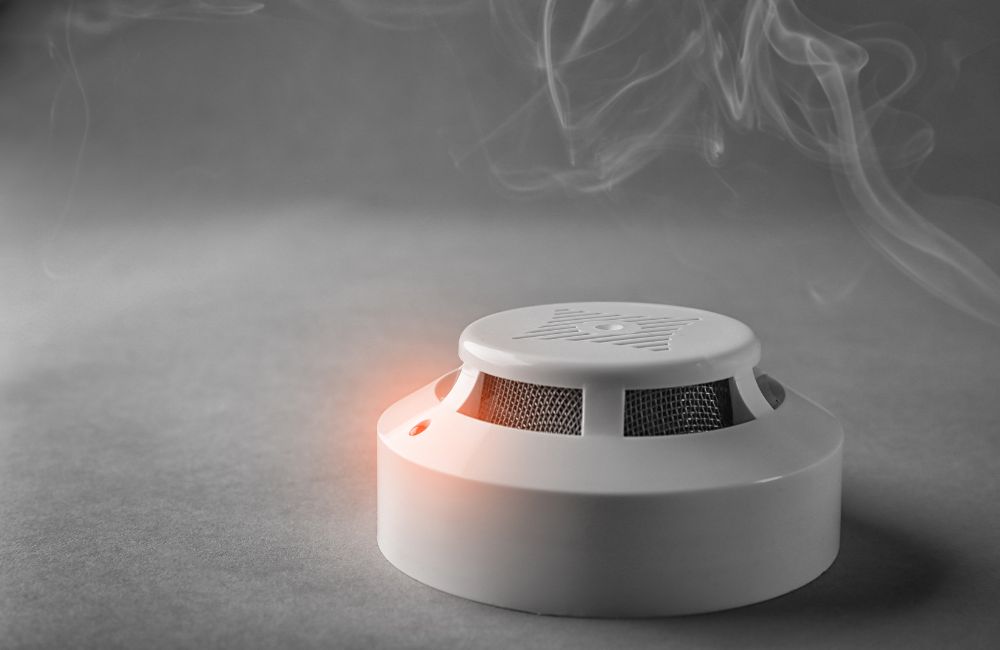
A Smoke Detector, or smoke detection device, is designed to detect particles of smoke from the onset of a fire. When a Smoke Detector detects abnormal levels of smoke particles, it sends out both visual and audible alerts to warn everyone in the building to evacuate quickly. A Smoke Detector can also be connected to the building's Fire Alarm System, allowing relevant personnel to be informed immediately.
How Does a Smoke Detector Work?
The principle of operation for a Smoke Detector involves detecting smoke particles in the air using various techniques such as ionization, photoelectric methods, or camera detection, depending on the type of Smoke Detector. When the device detects smoke particle concentrations higher than preset normal levels, indicating a fire outbreak, it sends out alerts through either lights or sound to alert people inside the building about the danger and evacuate promptly. The Smoke Detector system can also be connected to automatic fire suppression systems like sprinklers to control incidents from the outset.
Benefits of Using a Smoke Detector
There are numerous benefits to using a smoke detector, including:
- Detecting fires at the early stages before they become large and uncontrollable
- Alerting people to evacuate in time, reducing the risk of injury or death
- Reducing property damage when incidents can be quickly addressed
- Providing peace of mind and safety to building occupants
- Lowering fire insurance premiums due to effective preventive measures
- Complying with building regulations
- Operating continuously, day and night
- Having a long service life with low maintenance costs

How many types of Smoke Detectors are there?
Smoke Detectors can be divided into two main categories:
1. Ionization Smoke Detector
Ionization Smoke Detector uses the principle of ionization, which has a radioactive plate and an electrical charge receiver in the detection chamber. When smoke enters, it causes the electric current flowing through to decrease, triggering an alarm signal. This type of sensor is suitable for detecting fires with flames and high temperatures but may easily trigger false alarms in areas with dust or high humidity.
2. Photoelectric Smoke Detector
Photoelectric Smoke Detector, also known as light-based smoke detectors, relies on the principle of reflection and scattering of light. It has a light emitter and receiver. When smoke particles enter and block the beam of light, the receiver detects the smoke and orders the device to send an alarm signal. This type of smoke detector is suitable for slow-spreading fires such as electrical short circuits and has a lower false alarm rate.
Using a Smoke Detector in Compliance with Standards
To ensure that the smoke detector sensor operates correctly and safely, installation and usage should comply with manufacturer standards and guidelines, including:
- Install in all high-risk areas such as fire escape routes, bedrooms, and kitchens.
- Install away from smoke or steam sources like ovens and water kettles.
- Install away from heat and moisture sources that may cause false alarms.
- Position the installation height at 10-30 cm above the floor or approximately ceiling level, as smoke rises upwards.
- Regularly clean the Smoke Detector to remove dust and dirt.
- Test the Smoke Detector monthly to ensure it is always ready for use.
- Change the battery annually or when a low-battery signal is heard.
- Do not disable or turn off the Smoke Detector as it may cause danger.
How to Test the Functioning of a Smoke Detector System
Testing the performance of a smoke detector should be done regularly, at least once a month. The methods are as follows:
Test Smoke Detection
Use simulated or natural smoke from a candle that has gone out and release the smoke near the smoke detector sensor. If functioning properly, it should sound an alarm within seconds. After testing, ventilate the area until the device returns to its normal state.
Test Device Functionality
Press and hold the test button on the smoke detector for about 5 seconds (depending on the model). The device should sound an alarm, indicating that both the smoke detector circuit and speaker are functioning properly. This type of testing also helps to clear dust that may have accumulated inside the unit.
Test Battery Performance
A smoke detector should sound an intermittent warning tone when the battery is low. It's recommended to replace the battery immediately as advised by the manufacturer. To test, remove the battery for about one minute and then reinstall it. If the smoke detector sounds a short alarm, this indicates that the battery is still in good condition.
Selecting the Right Smoke Detector!
Choosing a smoke detector depends on the building characteristics and fire risk. Consider the following:
- For general residential homes, you may use either an Ionization or Photoelectric type of smoke detector, but at least one unit should be installed on every floor.
- For kitchens or dining rooms, a Photoelectric Smoke Detector is recommended as it has a lower false alarm rate from cooking smoke.
- For bedrooms, hallways, and stairwells which are fire escape routes, an Ionization Smoke Detector is recommended as it is more sensitive to detecting both smoke and flames.
- For warehouses, industrial plants, or large commercial buildings, consult a professional engineer to design a system that suits the specific risks involved.
- In addition to smoke detectors, other safety equipment such as fire extinguishers, sprinklers, and emergency exit doors should be installed as necessary to create a comprehensive fire protection system.

If you are interested in Smoke Detectors, SCMA is now available for purchase!
At SCMA, we are the leading provider of high-quality Smoke Detectors from top global brands. We also have a team of engineers ready to consult on selection, design, installation, and maintenance of smoke detection systems tailored to your building.
We offer both Ionization and Photoelectric Smoke Detector Alarms from renowned brands such as Cemen, Bosch, GST, which have been certified by international standards like UL, EN, MOE for maximum fire protection. We also provide necessary accessories such as control panels, signal cables, safety signs, and spare parts.
Summary
Smoke detectors are essential safety equipment for every building to protect lives and property from unexpected fires. Choosing high-quality smoke detectors that match the risk level and meet standards will help create an effective fire protection system, reducing potential losses.
However, smoke detectors are only initial warning devices. A complete fire protection system requires other components such as evacuation plans, fire drills, readily available firefighting equipment. If you need further advice,SCMA is ready to provide professional consultation services24/7. Contact us through any channel for true building and user safety.
Frequently Asked Questions
How does a Smoke Detector work?
Smoke Detector uses the principle of detecting particles in the air, with two types being Ionization which relies on ionization principles and Photoelectric which relies on light reflection and scattering. When the detector senses smoke at an abnormal level, it will send a warning signal through sound and light.
What is a Smoke Detector? How does it work?
A Smoke Detector or Smoke Alarm is a safety device designed to detect smoke particles from fires. It sends out an alarm when it detects smoke at concentrations higher than normal, alerting people in the building and allowing them to evacuate immediately.
How many types of Smoke Detectors are there?
There are two main types of Smoke Detectors:
- Ionization Smoke Alarm which relies on ionization principles, highly sensitive to smoke and flames but may give false alarms due to dust.
- Photoelectric Smoke Alarm which relies on light reflection and scattering, suitable for detecting large particles of fire smoke from smoldering fires. It provides accurate warnings with a low false alarm rate.
What is a Smoke Detector?
A Smoke Detector or Fire Smoke Detector is an installed device to prevent fire hazards in buildings. The detector continuously scans for smoke particles in the air as fires start, and when it detects abnormal levels of smoke, it sends out both light and sound warnings to alert people inside the building to evacuate immediately, preventing loss of life and property from potential fires.