
Pneumatic systems are technologies that use compressed air energy to drive and control machinery in various industries. Have you ever wondered how automated machines in factories operate? Or what benefits do Pneumatic Systems offer? This article by SCMA will introduce you to pneumatics, along with tips on selecting high-quality pneumatic systems and components for industrial use.
What is a Pneumatic System?

Pneumatic systems use compressed air to transmit and control energy in various industries. Typically, these systems operate by continuously supplying compressed air from an air compressor. The compressor draws atmospheric air and stores it under high pressure in a tank. Then the compressed air is sent through valves or pipes to the system. This Pneumatics System technology is crucial for pneumatic air systems and industrial pneumatics that require precision and speed.
Building a Pneumatic System
Building a Pneumatic System can be done using various components, including an intake filter (Intake filter), compressor (Compressor), cooler (Cooler), separator (Separator), motor control center (Motor control), receiver (Receiver), pressure switch (Pressure switch), secondary air treatment (Secondary air treatment), control valve (Control valve), and actuator (Actuator). These components work together to create an efficient Pneumatic system, which is designed to suit specific industrial applications.
Operation of the Pneumatic System
The pneumatic system begins by drawing air through a filter into an electric motor-driven compressor, compressing it to high pressure and then passing it through a cooler to reduce temperature. The compressed air is stored in a receiver tank before being passed through the FRL unit to condition the air to be dry and clean.Pneumatic air that has been treated is then directed by valves to actuators which convert pneumatic system energy into mechanical motion. Pneumatics provide smooth power transmission, and the pneumatic system operates continuously. The pneumatic system is highly efficient and thus popular in industrial pneumatics.
Efficiency of the Pneumatic System
The efficiency of a pneumatic system depends on proper design, eliminating leaks, short pipe lengths, and selecting appropriately sized equipment. For general work, pneumatics should use pressure between 60-80 PSI.Pneumatics System efficiency requires calculating CFM to match the cylinder size. A good pneumatic system will save energy and provide quick response times. Pneumatics require regular maintenance for optimal performance. Paying attention to details in a pneumatic system is what makes it worth the investment.
Pneumatic System Infrastructure
Understanding the infrastructure of a pneumatic system is crucial for those who wish to use Pneumatics Systems in industry. Various components work together to create an efficient and appropriate pneumatic system for different types of industrial pneumatics tasks.
- Pneumatic Actuators - Devices used to drive machinery or automated machines, such as cylinders.
- Air Flow Control Devices - Control the speed of the cylinder, such as speed control valves, butterfly valves.
- Directional Air Flow Control Devices - Control the direction of air in the system, such as solenoid valves, directional control valves.
- Air Pressure Control Devices - Control the air pressure supplied to pneumatic actuators, such as pressure reducing valves, exhaust valves, safety valves.
- Air Cleaning Filter Set - Clean the air in the system, such as air filter sets.
- Compressed Air Source - Supply compressed air to the system, such as air compressors.
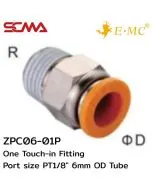
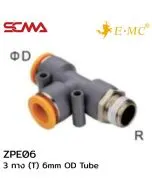
- Piping System Components - Pipes for distributing compressed air in the system, such as T-fittings, hoses, connectors.
- Supplementary Circuitry Devices - Such as lubrication oil dispensers, pressure switches, noise mufflers.
What are the components of a pneumatic system?
A pneumatic system consists of major components that work together to create an efficient industrial Pneumatic System. Each component has specific functions crucial for the operation of the pneumatic air system and its application in various industries.
1. Air Preparation Section
The air preparation section is a critical part at the beginning of a pneumatic system, responsible for creating compressed air quality suitable for Pneumatics Systems. It includes an air compressor (Air compressor) that generates pressure for the system and an FRL unit that prepares the quality of the air. The F (Filter) filters out dust particles and other contaminants from the air, R (Regulator) adjusts the pressure to meet system requirements, and L (Lubricator) supplies oil mist to lubricate pneumatic equipment in the Pneumatic System, preventing wear damage.
2. Air Flow Control Section
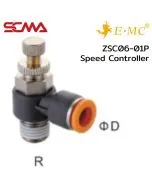
The air flow control section controls the direction and rate of airflow within a pneumatic system. It includes solenoid valves (Solenoid valve) that use electrical signals to control the opening, closing, and directional flow of air, check valves (Check valve) preventing backflow of air, and speed controllers (Speed controller) adjusting the rate of airflow to control the movement speed of actuators in a pneumatic system. This allows the Pneumatics System to operate accurately as designed.
3. Pneumatic Actuator Section
Pneumatic actuators are the output of a pneumatic system, converting pneumatic energy into mechanical motion. A Pneumatics System uses various types of actuators.
- Directional Movement - Pneumatics can move forward-backward, clockwise-counterclockwise rotation, or swinging motion in a pneumatic system.
- Movement Speed - A pneumatic system can adjust speed as needed by controlling the flow rate.
- Drive Force Size - The Pneumatic System determines force from cylinder size and air pressure, making pneumatics highly flexible for industrial use.

What is the difference between a pneumatic system and a hydraulic system?
Comparing a pneumatic system with a hydraulic system is crucial for those who need to choose the appropriate technology for their work. Both systems have different advantages and disadvantages, making them suitable for use in different situations.
Pneumatic System
A pneumatic system operates through clean air or gas that is easy to handle. It has lower initial costs and operational expenses, with maintenance being straightforward. The complexity is simple, and reliability is excellent. Suitable for high-speed work requiring precise positioning accuracy, the Pneumatic System is recognized in industries demanding high efficiency and safety, especially in automatic industrial pneumatic applications.
Hydraulic System
A hydraulic system operates through liquid to generate more power but has higher initial costs and operational expenses. The process is not clean, usage can be challenging, maintenance is not easy, with moderate complexity and extremely high maximum power output. Suitable for work requiring high driving force but slower speed, the Hydraulic System is popular in applications demanding high pressure and strength.
Advantages of Pneumatic Systems
Pneumatic systems have numerous advantages that make them popular in various industrial applications. The Pneumatics System stands out in many aspects, making the application of pneumatics in industry an excellent choice for businesses seeking efficiency and cost-effectiveness.
- Simple Design - The structure and installation are not complex, easy to understand and maintain.
- High Efficiency - Quick response and accurate performance in various tasks.
- Unlimited Availability of Source Material - Air is a natural resource available everywhere.
- High Reliability and Durability - Equipment has long service life and requires minimal maintenance.
- Safety Aspect - No risk of chemical leakage or fire hazards.
- Economical - Low operating and maintenance costs.
- Air Can Be Stored - Energy can be accumulated in pressure tanks for emergency use.
- Easy to Set Up Power Transfer and Speed - Easy and quick system customization.
- High Adaptability to Harsh Environments - Resistant to heat, cold, and changing conditions.
- Ease of Pressure and Speed Selection - Adjustable according to needs.
- Environmentally Friendly - Non-polluting and safe for nature.
Applications of Pneumatic Systems
Pneumatic systems have a wide range of applications in various industries. With the flexibility and efficiency of Pneumatics System, pneumatics in industrial work is an important part in developing modern manufacturing technology.
- Manufacturing Industry - Automotive and automotive parts industry, assembly lines
- Processing Industry - Food processing, chemical, textile, paper, petrochemicals
- Transportation Systems - Coaches, trains, automotive braking systems, wagons, printing presses
- Industrial Robots - Packaging, drilling, pumping, gripping, assembly systems
- Special Machinery - Plastic machinery, car washing, testing systems, coolant systems
- Automatic Control Systems - Door opening and closing, rotary and linear actuators
- Petroleum Market - Equipment for material handling in hazardous environments
- Medical Devices - Medical tools requiring high accuracy and safety
- Component Manufacturing - Systems used with compressed air and liquids in manufacturing processes
- Machinery Tools - Operation of tools requiring precise power and control
Daily Maintenance of Pneumatic Systems
Regular maintenance of pneumatic systems helps extend their lifespan and maintain efficiency. Proper care is necessary for pneumatics to function at optimal performance.
- Ensure that the Pneumatics System circuit diagram is correct and up-to-date.
- Protect valves from dirt and impact in the pneumatic air system.
- Use valve openings as specified by the manufacturer only.
- Avoid modifying pneumatic systems, which must maintain standards.
- Install service units in easily visible locations for pneumatic system maintenance.
- Do not exceed the specified acceleration rate in pneumatics.
- Handle seals carefully when disassembling industrial pneumatics.
- Control actuating valves at appropriate speeds.
Maintenance of Pneumatic Systems
Maintaining pneumatic systems requires paying attention to the removal of contaminants and moisture mixed with compressed air, which will ensure a longer lifespan. The quality of the air in pneumatics is crucial.
- Moisture - Use an air dryer to remove moisture from the Pneumatics System because moisture can damage equipment.
- Lubricating Oil - Filter oil droplets with a filter of 2-40 microns in the pneumatic system to prevent clogging.
- Oxides - Use a filter of 0.3 microns and select high-quality oil for the pneumatic system, which is to prevent degradation.
- Dust - Install a high-quality filter in the Pneumatic System and clean it regularly.
- Lubrication - Use hydraulic oil in appropriate amounts for pneumatics, neither too much nor too little. Industrial pneumatics must be well lubricated.

If you need to purchase pneumatic cylinders, pneumatic valves, or pneumatic air compressors, think of SCMA!
High-quality pneumatic equipment is the heart of industrial pneumatics. SCMA sells complete pneumatic equipment including cylinders, valves, air compressors, and Pneumatics System components from leading brands. Our pneumatics are high quality and reasonably priced, with comprehensive consultation services, installation services, and after-sales service. Pneumatic systems are what SCMA specializes in. Your pneumatic system will work efficiently with SCMA.
Summary
Pneumatic systems are high-efficiency air-driven technologies that are safe, clean, and cost-effective. They are ideal for industrial applications requiring speed and flexibility in operation. With uncomplicated design, easy maintenance, and low costs, pneumatics offer a worthwhile choice for SCMA's automatic systems. We are ready to be your Pneumatic partners with quality products and comprehensive services to ensure that your Pneumatics System operates at maximum efficiency.
Frequently Asked Questions
What is the difference between Pneumatic and Hydraulic?
Pneumatics uses compressed air as a power medium, operates quickly, cleanly but with less force compared to Hydraulic which uses oil. The pneumatic system is suitable for work that requires speed and safety. Pneumatics systems are more cost-effective and easier to maintain than hydraulic systems, making them popular in general applications. However, pneumatic systems provide less force but are safer than hydraulics.
What is a Pneumatic System?
A pneumatic system is a system that uses compressed air from a compressor to drive cylinders or air motors through valves and pipes. What is pneumatics? It's technology that converts compressed air energy into mechanical work. A Pneumatic System consists of an air pump, FRL unit, control valves, and actuators, making it a complete driving system.
What are pneumatic valves?
Pneumatic valves are devices that control the direction and volume of compressed air flow in a pneumatic system. Pneumatics use various types of valves such as solenoid valves, check valves, speed controllers. A pneumatic system must have appropriate valves to function properly.
What equipment does a pneumatic system include?
A pneumatic system includes an air pump, air tank, FRL unit, control valves, cylinders, air motors, pipes and fittings. A complete set of pneumatic equipment is required for it to function properly. Each component has a specific role in the pneumatic system, which must be selected with quality and compatibility for industrial pneumatics efficiency.
Why was the pneumatic system developed for use in industry?
The pneumatic system was developed due to the need for a safe, clean, cost-effective and easy-to-maintain driving system. Industrial pneumatics meet work requirements that demand speed and flexibility. Pneumatics have no fire risk compared to hydraulic systems, making them suitable for high safety requirement jobs. The pneumatic system is also environmentally friendly.
What does a Hydraulic System include?
A hydraulic system includes a hydraulic pump, oil tank, control valves, hydraulic cylinders, and high-pressure pipes. Unlike pneumatic systems that use compressed air, hydraulics use oil as the medium, providing more force but operating slower than pneumatics. Hydraulic systems are cleaner and safer compared to pneumatic systems, giving them an advantage in general applications.