Is your factory's automation system facing issues with production accuracy? Studying the types of object detection sensors available can help you address this problem precisely. As an industrial solutions expert, SCMA is ready to offer consulting services and provide suitable equipment. This article delves into the types of sensors to equip you with knowledge for optimal use of systems.
What are Object Detection Sensors?
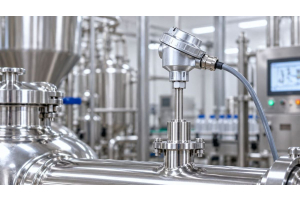
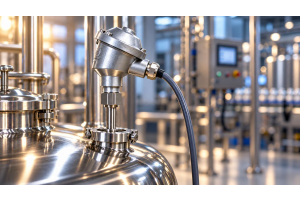
Object detection sensors are electronic devices used to detect the presence, locate, and measure the distance of targets without physical contact. These systems have become increasingly important in modern manufacturing processes. Understanding what types of object detection sensors exist can help engineers design more accurate automation systems.
How Object Detection Sensors Work
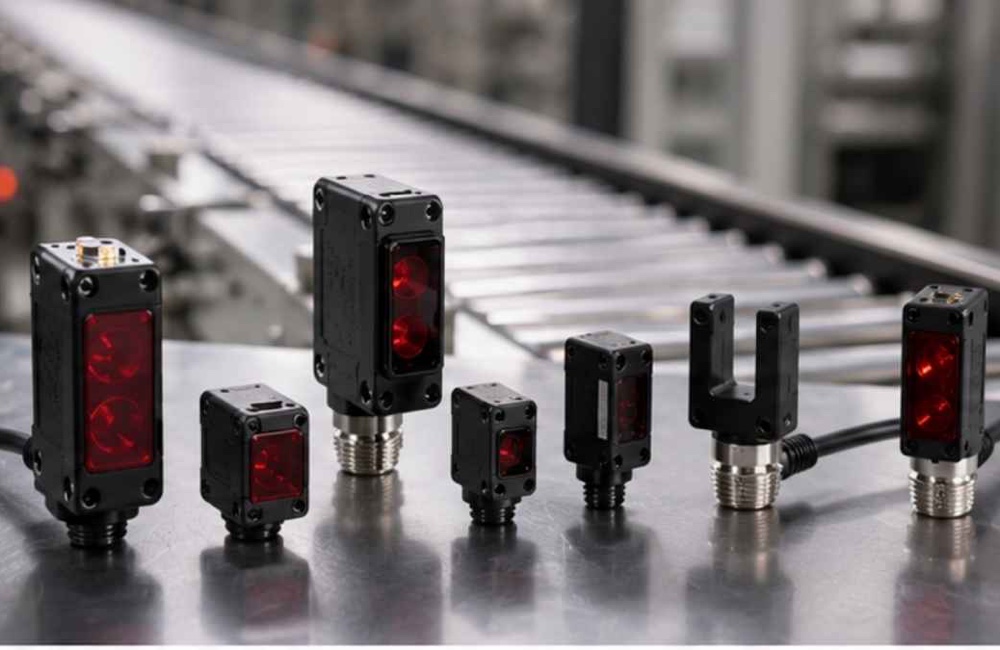
These devices work by emitting various forms of energy waves into the target area, such as light waves, sound waves, or magnetic fields. When an obstruction enters the detection range, these waves bounce back to the receiver. The sensor then converts this data into electrical signals for the control system to proceed with further actions as programmed.
What Types of Object Detection Sensors Are There?
Currently, there are various types of equipment available in the market, each with its own strengths and limitations. Therefore, to determine what types of object detection sensors exist, we must refer to their operating principles as follows:
Proximity Sensor
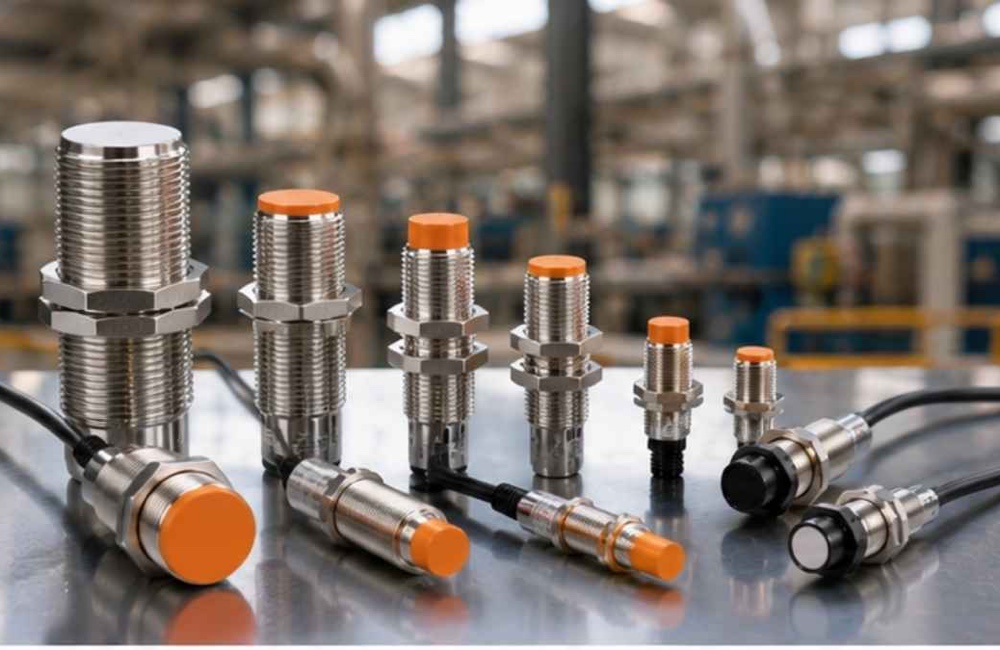
This device is designed to identify the position of metallic objects without direct contact, working through analysis of changes in magnetic or electric fields. It is suitable for industrial manufacturing processes that require high precision.
Infrared (IR) Sensor
The system uses infrared light to detect targets, divided into reflective detection and distance measurement based on the intensity of changing light. This type of equipment is commonly installed in automation and general electronic systems.
Optical Sensor
This sensor applies light including laser technology to identify target positions, making it an excellent choice for high-precision detection, as well as long-distance operations.
Motion Sensor
The system focuses on detecting movement, shaking, rotation, or tilting of targets in a designated area. This technology is widely used in security systems and automatic lighting control.
Ultrasonic Sensor
This works by using high-frequency sound waves to calculate distance based on the time it takes for the wave to travel to the target and bounce back. This type of equipment performs excellently for measuring distances even in pitch-black environments.
Magnetic Sensor
The technology measures and analyzes changes in magnetic fields within a designated area, playing a crucial role in automatic robot navigation systems as well as position detection systems for pneumatic cylinders.
Gas Sensor
This device is designed to analyze the concentration of various gases in the surrounding air. This system enhances safety while effectively controlling pollution levels in industrial work areas.
Maintaining Object Detection Sensors
To ensure smooth system operation, maintenance of equipment is crucial. Based on the experience of the SCMA engineering team, we recommend the following preventive maintenance steps to avoid errors in automatic systems.
Cleaning the Lens and Sensor Head
Dust or oil residues in the factory can obstruct signal transmission from the device. Regular cleaning of the lens surface or sensor head using proper methods will help maintain system accuracy.
Adjusting Detection Range Settings Appropriately
Vibration or changing environmental conditions may cause deviations in operating range. Operators should periodically check the signal transmission distance to prevent incorrect data being sent to the control unit.
Protecting Against Environmental Damage
Shock protection equipment installation should be considered in high-risk areas. Selecting sensors with appropriate dust and water protection standards for the job site will help extend the lifespan of the equipment further.
Usage of Object Detection Sensors
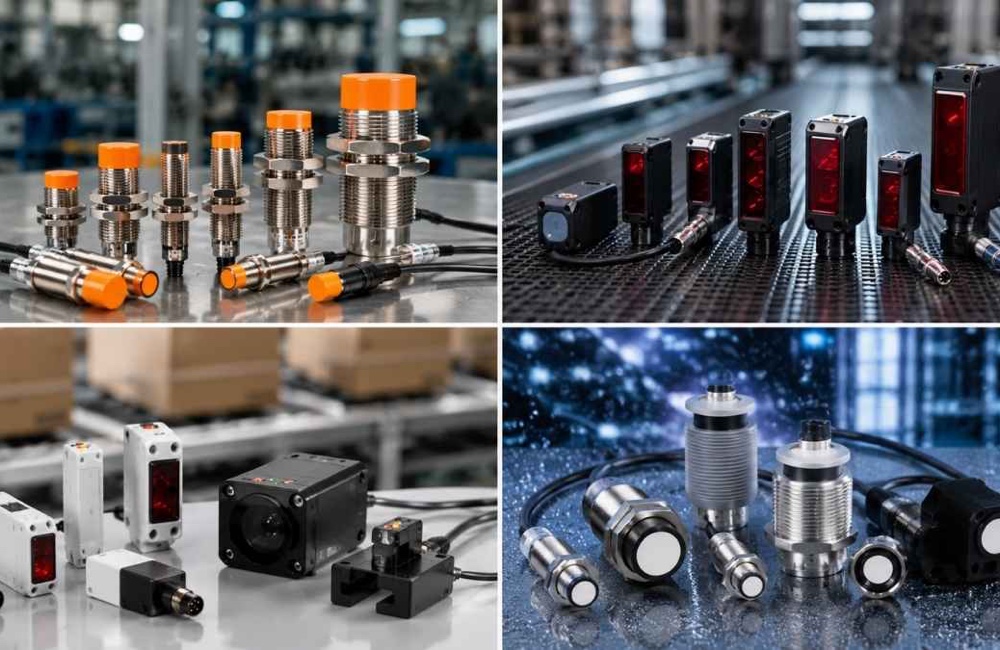
These devices are applied in both industrial systems, smart homes, and security systems. Understanding what kinds of object detection sensors there are can help maximize their utility as follows:
Usage of Proximity Sensors
Proximity sensors come in Inductive types for metal and Capacitive types for non-metal objects. They are commonly used to control machinery in industrial plants, as well as to count workpieces continuously on conveyor belts.
Usage of Photoelectric Sensors
Detecting transparent glass bottles is a highlight of this type of sensor. It uses infrared or laser light to pass through or reflect off the target object. Suitable fordetectingtransparent objects such as glass bottles, up to automatic door control systems.
Usage of Ultrasonic Sensors
Sends high-frequency sound waves out to analyze distance. This system is used for measuring liquid levels in closed tanks and also serves as an obstacle detection system to warn against collisions with autonomous vehicles.
Usage of Motion Sensors
Detects changes in the area through microwave or infrared waves. The primary function is applied to security alarm systems, including automatically turning lights on and off when someone walks through a work zone.
Usage of Color Sensors
Works by emitting RGB light to analyze the color value of workpieces or packaging on conveyor belts. It is considered an important helper in sorting products correctly according to production standards.
How to Select Object Detection Sensors
Selecting equipment that meets your needs requires considering various environmental factors. Once you know what types of object detection sensors are available, use these criteria to make an informed decision.
- Type of Target Material: Check if it is metal, plastic, liquid, or transparent objects to choose the appropriate detection system
- Detection Range: Select equipment specifications that cover the distance between the installation point and the object you want to measure
- Working Environment Conditions: Evaluate risks related to heat, dust, humidity to select an appropriate IP standard
- Response Speed: High-speed production lines require sensors with low Response Time values
Benefits of Installing Automatic Detection Systems
Investing in accurate measurement technology is crucial for increasing the efficiency of manufacturing processes. From our experience, using appropriate object detection sensors provides tangible results such as:
- Efficiently reducing machine downtime on production lines
- Increasing consistency in quality control before delivering products to customers
- Reducing financial losses from non-conforming parts (Defects)
- Raising the safety level for personnel working closely with automated machinery
Summary
Studying information about what types of object detection sensors are available is the first step towards developing a stable automatic system. Each type of equipment has different technologies that respond to varying environments. If you need consultation to solve complex problems, SCMA is ready to provide comprehensive solutions to elevate your factory into the new industrial era.
If you want to buy object detection sensors, SCMA is available today!
Precise measurement technology is a critical variable that determines the success of current manufacturing industries. Once you know what types of object detection sensors are available, our engineering team is ready to help you select the best equipment. Contact SCMA for in-depth consultation services and purchase high-quality industrial products that will meet all your needs in the factory precisely.
Frequently Asked Questions
Which type of sensor works well in areas with heavy dust?
Ultrasonic waves penetrate through smoke and dust better than optical/photoelectric light. Therefore, ultrasonic sensors should be considered as sound waves can travel through dusty environments more effectively than infrared systems.
What equipment is suitable for detecting clear plastic bottles?
Special photoelectric or capacitive sensors are ideal for this type of work. These systems are designed to minimize false light reflections.
What is the maximum detection range of a sensor?
Some laser sensors are designed to operate at distances up to several dozen meters, with actual working ranges depending on each manufacturer's specifications.
What should be used for non-contact temperature measurement of workpieces?
Infrared cameras or infrared sensors are suitable devices. These systems measure values directly from the heat radiation emitted by objects.
Why is calibration important for sensors?
This process ensures that equipment accuracy aligns with engineering standards, preventing cumulative errors in long-term manufacturing processes.