Is your factory facing sudden machine downtime or unstable electrical systems? These issues can be addressed by choosing industrial electrical control equipment that meets standards, along with consultation and system design services from the SCMA engineering team. This article will introduce you to what electrical control devices consist of, including a deep dive into the types of control panels, so that you can safely enhance your production line with maximum efficiency.
What are Industrial Electrical Control Equipment?
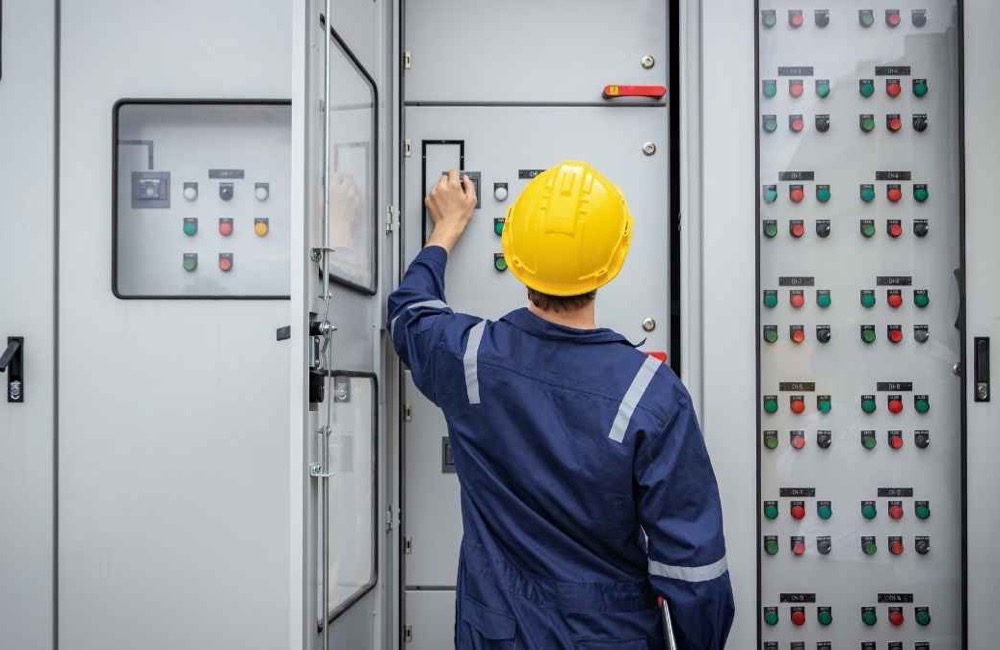
Industrial electrical control equipment are components and systems that monitor, protect, and manage power supply or machinery within the factory. These devices help control production processes correctly, accurately, and safely according to international standards. Understanding what electrical control devices consist of will enable engineers to appropriately select parts for control panels, fitting the working environment.
How Industrial Electrical Control Equipment Work
Industrial electrical control equipment operate by receiving and converting command signals into systematic machine operations. They include primary electrical control devices such as contactors (Contactor) that use electromagnetic switches to cut or connect circuits, or using an inverter (Inverter) to adjust frequency for motor speed control. Additionally, PLCs process automatic logic. All of these are housed within a control panel to stabilize the industrial control system.
How many types of industrial electrical control equipment are there?
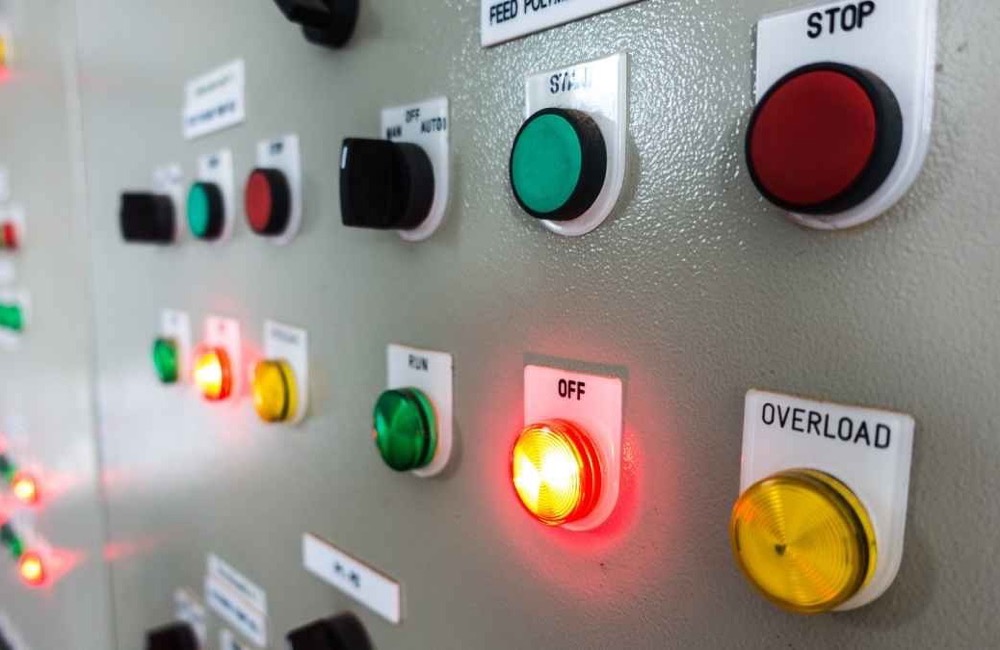
The classification of industrial electrical control equipment can be clearly determined based on their functions and roles in the system. If you are wondering what types of electrical control devices there are, consider the following checklist for a comprehensive understanding.
1. Control and Command Devices
This group consists of control equipment that functions to switch circuits and command system operations such as contactors, relays, including solid-state relays (SSR) which operate quickly without mechanical contacts, enhancing the durability of the system. Additionally, there are power controllers used to precisely adjust the electrical power supplied to machinery.
2. Timing Devices, Sensors, and Protection Equipment
The prevention of machine damage relies on electrical control equipment in this group, whether it is timers for delayed operation settings or overload relays to prevent motor burnout from excessive current. Engineers must install sensors to measure signals such as light, distance, temperature, and send the data to the central processing system.
3. Electrical Control Panels
Control panels are like centralized installations of all command and protection equipment in a systematic manner, including MDB cabinets that receive power from main transformers, motor control centers (MCC) for large machinery. Organizing industrial electrical control equipment into standardized cabinets effectively prevents hazards caused by short circuits.
Maintenance of Industrial Electrical Control Equipment
The SCMA engineering team recommends regular preventive maintenance for industrial electrical control equipment. Proper care of the control panel can help reduce the risk of power outages and extend the lifespan of the entire system.
Clean Properly
To remove accumulated dust inside the control panel, use a dry cloth, soft-bristled brush, or small vacuum cleaner. Do not use water or liquids to clean electronic components under any circumstances. Maintaining cleanliness of electrical control equipment will help ensure efficient heat dissipation.
Check Connections
Engineers should tighten the nuts and wire terminals of industrial electrical control equipment according to specified torque values. Loose contact points can cause high resistance, leading to hotspots (Hotspot). Preventing this issue directly reduces fire risks in factories.
Inspect External Condition
Operators must carefully observe the condition of the control panel for cracks, burn marks, rust stains, and check that dust seals are still intact. If any damage is found on electrical control equipment, immediate replacement or repair should be carried out to prevent moisture from damaging internal circuits.
Measure Temperature
Cumulative heat is the enemy of industrial electrical control equipment. Using an infrared thermometer or thermal imaging camera (Thermoscan) to scan for abnormal points can help identify issues in advance. If any component is working too hard, a heat sink may need to be installed to manage temperature appropriately.
Test Equipment Functionality
Testing circuit breakers and measuring insulation resistance of electrical control equipment confirms operational readiness. This step is crucial in ensuring that the safety system within the control panel can still protect users and machinery according to standards.
Usage of Industrial Electrical Control Equipment
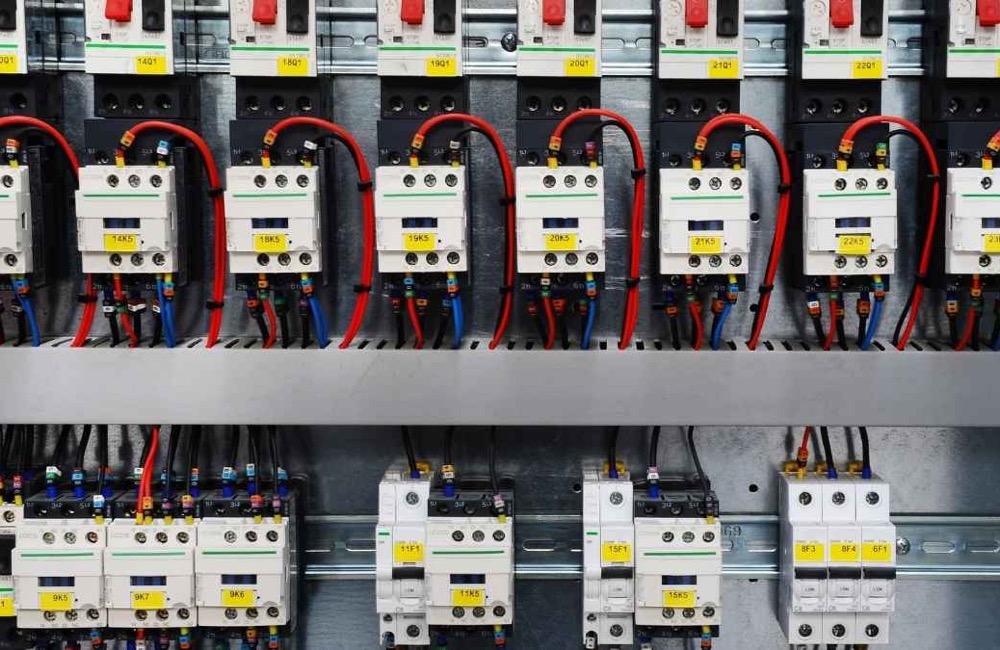
The usage of industrial electrical control equipment is categorized based on their primary functions to ensure smooth production processes. If you want to know what types of electrical control devices are used in practice, the following details provide an overview of their applications.
Power Control (Power Control Equipment)
This is a type of electrical control equipment designed for managing and controlling power distribution within systems to maintain stability. This group of devices helps prevent voltage drops or surges, ensuring that machinery operates smoothly. Using an Soft Start device can effectively reduce surge currents and extend motor life.
Control Unit
Control Unit is the core component of a control panel. Engineers use this control unit to program and process production processes and all automation systems. It functions by receiving data from sensors, processing logic, and sending commands to various drivers within the network of industrial electrical control equipment.
Safety Systems and Sensors
This system includes safety relays, protective circuits, light curtains, and movement control sensors. Integrating electrical control devices for safety into a control panel will immediately shut down the automation system upon detecting any abnormalities, preventing serious accidents to personnel in the work area.
Switches and Control Panel Mounting Devices
These components are the front-panel industrial electrical control equipment that operators interact with directly, such as Joysticks, mode selection key switches, and Ethernet cable ports for data retrieval. Selecting high-quality mounting devices on a control panel will facilitate ease of use at an industrial level.
The Benefits of Using Industrial Electrical Control Equipment
Investing in industrial electrical control equipment of high quality helps to reduce downtime for production lines tangibly. Well-designed systems also help minimize waste from machine errors, allowing factories to maintain consistent product quality standards. Choosing premium-grade components within a control panel thus increases long-term profitability.
How to Select Industrial Electrical Control Equipment
Making the decision to purchase industrial electrical control equipment requires considering multiple engineering factors for cost-effectiveness and safety. Initial recommendations on what to consider when deciding on electrical control devices before making a purchase include:
- Electrical Usage Ratings: Check the type of current (1 or 3 phase), voltage rating, and current to match the load of machinery for selecting durable electrical control equipment.
- Working Environment Conditions: Consider the water and dust protection level (IP Rating) of a control panel. In extremely hot areas, choose components with high heat resistance systems.
- International Standards: Select equipment that meets international safety standards to ensure system stability and prevent production line damage.
The Importance of Designing Control Panels to Standard Specifications
To assemble an industrial electrical control equipment system, it is necessary to rely on highly experienced experts. Good design of the circuitry inside a control panel will make future maintenance easier. These important points should always be considered:
- Adequate heat dissipation: Properly calculate the space for placing industrial electrical control equipment to reduce heat accumulation. Using a Solid State Relay instead of regular relays in frequently used points helps lower temperature.
- Convenience for wiring: Neatly arranging terminal blocks and wire rails inside a control panel reduces errors during wiring.
- Futuristic system expansion: Reserve space within the cabinet for adding new industrial electrical control equipment or PLC modules when the factory needs to expand production capacity.
Summary
A thorough understanding of what electrical control equipment consists of is the first step towards developing an automated system in a factory. Properly selected and installed industrial electrical control equipment within a standard control panel enhances safety, reduces machine downtime. SCMA, as experts, are ready to provide automation system solutions to meet all your factory needs.
If you want to purchase industrial electrical control equipment, you can buy from SCMA today!
SCMA is a leader in the distribution and provision of comprehensive industrial electrical control equipment solutions. We have a team of expert engineers ready for consultation, design, assembly of control panels, as well as quick after-sales service. If you are looking for quality options, visit view all electrical control equipment products or contact SCMA to get free engineering consultation immediately.
Frequently Asked Questions
How many main types are there for industrial electrical control equipment?
There are three main types: control devices (such as contactors), protective devices (such as overload relays), and electrical control panels.
What is the difference between an MDB panel and an MCC panel?
An MDB panel is a main distribution panel from the transformer, while an MCC panel is acontrolpanel used specifically for controlling the operation of machinery motors.
How often should electrical control panels be maintained?
It is recommended to inspect and clean the exterior monthly, and perform preventive maintenance (PM) on major circuits at least 1-2 times a year.
Why are PLC devices important in an automatic system?
A PLC acts as the processing brain for commands, controlling how variousindustrial electrical control equipmentwork together according to programs set by engineers.
Where can I seek consultation on designing an electrical control system?
The technical engineering team at SCMA is available to provide consultations, assist with selecting equipment, and design automatic systems that fit your factory's budget.