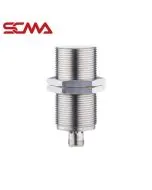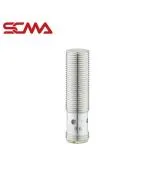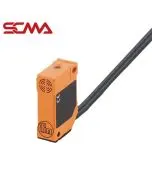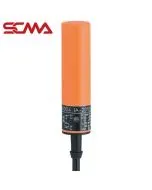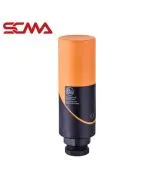
Are you facing frequent machine downtime due to the use of ineffective sensors? SCMA, as an expert in automation systems and distributor of IFM brand sensors, is here to help solve this problem. This article will guide you through understanding the working principles, types, and proper selection methods for equipment to enhance the accuracy and stability in your production line.
What are IFM Proximity Sensors?

IFM Proximity Sensors are high-performance non-contact object detection sensors from the leading German manufacturer. This device detects the position or presence of a target object and converts it into an electrical signal to send commands to the automation system. The non-contact operation ensures that workpieces remain safe from scratches or damage during production processes.
How IFM Proximity Sensors Work
The working principle of Inductive Proximity Sensors relies on generating an electromagnetic field at the head of the sensor to detect metallic objects without physical contact. This process enhances the accuracy in locating workpieces significantly, thereby reducing wear and tear and extending the lifespan of machinery in production lines.
How Many Types of IFM Proximity Sensors Are There?

Selecting an appropriate Proximity Switch for a specific application requires understanding the different types of sensors. IFM detection devices are categorized into four main types based on their operating principles, each with its own unique advantages.
1. Inductive Proximity Sensors
The inductive sensor functions by creating an electromagnetic field to detect metallic objects specifically. Users can learn more about what an Inductive Proximity Sensor is. IFM offers a variety of models, including standard, high voltage resistant, high temperature resistant, and fully metal construction models that are robust and durable.
2. Capacitive Proximity Sensors
This type of sensor works by detecting changes in the electric field around its surface area. Electric charge sensors are highly versatile as they can detect almost any kind of object, including metals, non-metals, plastics, wood, glass, or liquids inside containers.
3. Magnetic Sensors
Magnetic sensors are designed to detect changes in magnetic field strength moving into the operational range. This type of equipment is commonly installed with pneumatic cylinders (Cylinder Sensors) to accurately check the position of the cylinder rod within a pneumatic system.
4. Photoelectric Sensors
The photoelectric sensor uses either laser or infrared light beams that are projected onto an object and then reflected back for distance measurement. This equipment is ideal for applications requiring longer detection ranges than typical metal sensors, making it suitable for conveyor belt operations where workpieces are far from the installation point.
Maintenance of IFM Proximity Sensor
Although the sensor is designed to be highly durable, proper maintenance will help extend its lifespan. Important practices for maintenance are as follows:
1. Cleaning the Sensor Surface
Operators should regularly clean the contact surface area of the sensor to prevent dust, oil stains, or metal debris from accumulating. Allowing the sensor surface to become dirty can result in detection range errors and lead to production process failures.
2. Checking Installation Position
The maintenance team should check the mounting brackets and screws used for installing the sensor to ensure they are not loose due to machine vibrations, while also being cautious of hard objects that may directly impact the sensor housing. If a shift in position is detected, immediately adjust the distance back to standard settings.
3. Protection from Chemicals and Scratches
The team should avoid installing sensors in areas with severe corrosive chemicals unless using specially designed models. For areas at risk of scratches or welding sparks, it is recommended to use Full Metal sensor models which have a metal contact surface for complete protection.
Usage of IFM Proximity Sensor

The application of equipment ranges from workpiece positioning checks to counting products on a production conveyor. Selecting the appropriate type of sensor for the target object is crucial.
Detection with Inductive Proximity Sensor
Inductive sensors are designed specifically to detect metal parts, making them highly effective in heavy industry applications. If the work environment poses high risks from impacts, choosing a fully metallic structure model will ensure excellent safety for automated systems.
Detection with Capacitive Proximity Sensor
Capacitive sensors offer superior flexibility in operation by detecting both metal and non-metal objects. Industrial plants commonly use them to detect water levels, check plastic pellet filling, verify wooden workpiece positions, or detect glass bottles on conveyor belts.
How to Choose an IFM Proximity Sensor
To make the best decision for purchasing equipment that is cost-effective and meets your operational needs, engineers should consider these basic factors to ensure optimal machine performance.
- Type of Target Object: Evaluate whether the workpiece is metal, non-metal, or liquid to correctly select either an inductive or capacitive sensor.
- Detection Range (Sensing Range): Choose a safe distance between the sensor and the workpiece to prevent collisions during machine operation.
- Size and Shape of Housing: Consider the workspace to determine if cylindrical, rectangular, or flat sensors are suitable for easy installation.
- Working Environment: If the workplace has high temperatures, humidity, or chemicals, select a model with a higher protection standard (IP Rating).
- Electrical System and Connectivity: Check voltage levels and signal output types (NPN or PNP) to match your factory's control system.
The Benefits of Installing Standard IFM Proximity Sensors
Investing in genuine sensors that meet international standards brings significant positive results for industrial production processes, including the following clear benefits:
- Reduce Machine Downtime (Downtime): High durability helps keep production lines running continuously without frequent maintenance stops.
- Increase Production Accuracy: Fast and stable signal transmission enables automated systems to control product quality flawlessly.
- Lower Maintenance Costs: With a long service life, teams do not need to spend budget on regular sensor replacements.
- Enhance Safety: Contactless operation reduces the risk of workpieces or machine components being damaged by collisions.
- Support Industry 4.0 Technology: New models can communicate through IO-Link to send real-time status data.
Summary
The IFM Proximity Sensor is a crucial device that enhances the accuracy and stability of automated systems in industrial factories. Selecting the right sensor for specific workpiece types and environments can effectively reduce machine downtime. Company SCMA is ready to be your partner, providing consultation and design services for Projects & Solutions, offering comprehensive measurement tool systems to strengthen your business.
If you want to purchase IFM Proximity Sensors, SCMA is available today!
Accessing efficient detection technology is the key to competition in this era. If you are looking for high-quality industrial measurement equipment, our team of expert engineers is ready to provide specification comparisons and recommend products that best meet your needs. Contact us now to receive special offers and experience premium service.
Frequently Asked Questions
How do Inductive and Capacitive sensors differ?
Inductive sensors are used exclusively for detecting metallic objects, while capacitive sensors can detect both metals, non-metals, plastics, and liquids.
What factors determine the detection range of a sensor?
The operational distance depends on the size of the sensor face, the type of material being detected, as well as the surrounding environmental conditions at the installation site.
Can sensors operate in areas with water or dust?
Yes, if you choose models with IP67 or IP69K protection standards designed to withstand water, dust, and high-pressure water jets.
What is flush mounting of a sensor?
This involves installing the sensor face level with the metal surface of the workpiece, preventing side impacts. It's suitable for areas with limited space.
Where can I find more in-depth information about IFM sensors?
You can learn more about their functionality and additional benefits from the article Proximity sensors explained on the manufacturer's website.