Is your factory currently facing issues with workpieces being damaged due to impacts during production? Switching to non-contact sensors is a crucial solution that can effectively reduce machine wear and tear. The SCMA team of expert automation system solution engineers are ready to provide comprehensive consultation. This article will delve into how sensors detect, as well as explore what types of object detection sensors there are, so you can use this knowledge to improve your production process accurately.
What is a Non-Contact Sensor?
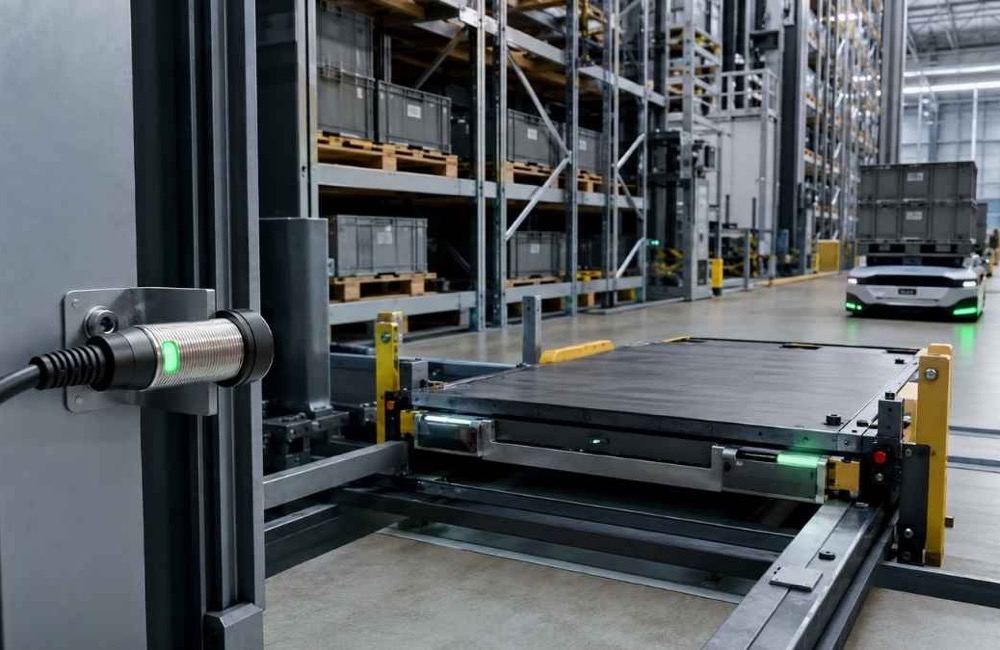
A non-contact sensor, also known as a contactless sensor, and the group of Proximity Sensors are technologies designed to detect the presence of a target object without physical contact. These devices work by emitting waves, magnetic fields, or beams towards the target. Using this type of sensing technology helps prevent damage to workpieces, reduces wear and tear on mechanisms, resulting in longer machine lifespan according to industry standards.
The Working Principle of Non-Contact Sensors
The operation system of a non-contact sensor begins with emitting various forms of energy such as electromagnetic waves, beams, or sound waves towards the target area. When an object moves into the predetermined range, these energies will change or reflect back to the receiver. Then, the sensor detects and analyzes this change, converting it into electrical signals to send commands to control devices. Those studying what types of object detection sensors there are must first understand this basic principle.
How many types of non-contact sensors are there?
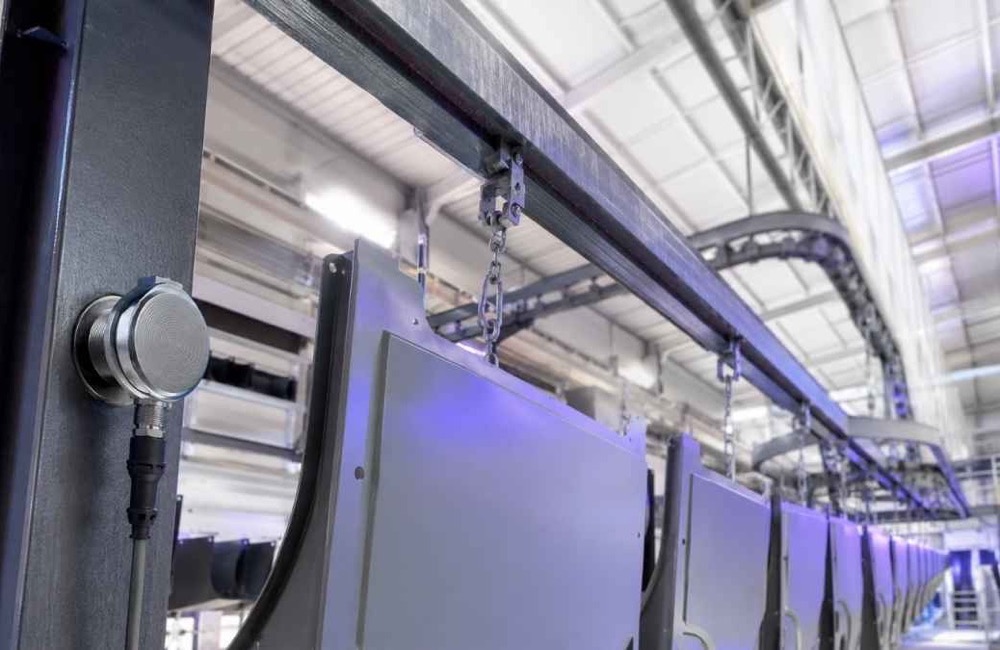
Based on SCMA's experience in designing automation systems for customers, we find that selecting the right type of equipment to match the working environment is crucial. If you are wondering what types of object detection sensors there are, they can be categorized into 5 main types based on their operating principles.
1. Inductive Proximity Sensor
Inductive Proximity Sensors work by utilizing the principle of changes in an electromagnetic field. This type of equipment is designed to function as a detection sensor for metallic objects specifically, and it excels in harsh environmental conditions such as dust, water, and oil stains. As a result, they are widely used in automotive parts manufacturing lines.
2. Capacitive Proximity Sensor
Capacitive Proximity Sensors operate based on the principle of measuring changes in electrical capacitance when an object approaches. They are considered detection sensors with a wide range of applications, capable of detecting both metallic and non-metallic materials such as plastic, glass, wood, and even liquid levels within opaque containers.
3. Photoelectric Sensor
This type of sensor uses infrared or laser beams to reflect off or pass through the target object. It is a clear answer to the question of what types of object detection sensors can work effectively over long distances. This equipment offers extremely high accuracy and is ideal for conveyor belts that require counting workpieces at high speeds.
4. Ultrasonic Sensor
The ultrasonic sensor works by emitting high-frequency sound waves to hit an object, then measuring the time it takes for the echo to return in order to calculate distance. It functions as a detection sensor without limitations regarding color or transparency of the target and performs excellently with solids, liquids, or even reflective surfaces that light-based sensors cannot detect.
5. Magnetic Sensor
This type of equipment works by measuring changes in magnetic field strength. It is designed as a detection sensor to work alongside permanent magnets and engineers often install it on pneumatic cylinders to check the position of internal pistons, helping control movement systems operate in harmony.
Maintaining Non-Contact Detection Sensors
Although non-contact detection sensors greatly reduce wear from friction, proper maintenance is still essential for stable system operation. Our technical team recommends the following methods to maintain detection sensors:
1. Cleaning of Equipment Surfaces
The contact area or signal emission point of the detection sensor should be free from dirt, dust, or accumulated metal particles. Regular cleaning with a clean cloth according to preventive maintenance schedules is necessary to prevent detection errors or shortened operating range.
2. Checking Distance and Mounting Angle
Vibration from machinery during production may cause the mounting brackets of detection sensors to shift. Maintenance teams must frequently use measuring tools to check that the distance between the sensor and target object is within standard values, as well as ensure that the installation angle remains optimal for signal reception.
3. Avoiding Environmental Factors That Interfere with Signals
The working environment directly impacts performance. If you study what object detection sensors have, you will find that each type has different limitations, such as light sensors malfunctioning in direct sunlight on the lens. Therefore, it is advisable to install a sun shield or avoid placing them near sources of electromagnetic interference.
Using Non-Contact Sensors
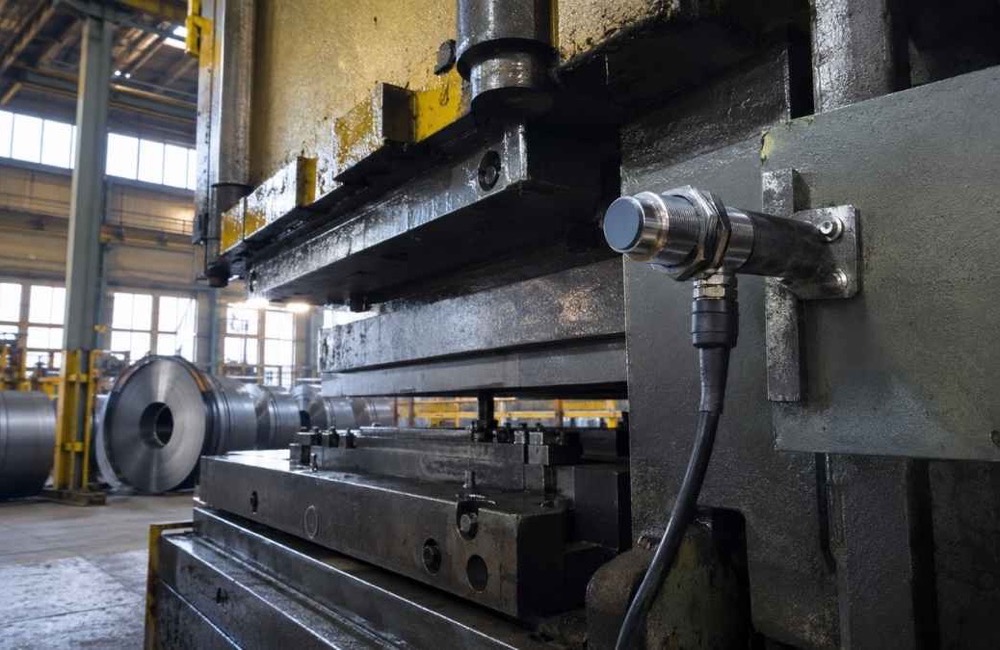
Thenon-contact sensorsolution from SCMA applies advanced physics principles to enhance production efficiency. Proper use of detection sensors helps protect the quality of workpieces and extend the lifespan of machines, with examples of applications in industries as follows:
1. Application of Inductive Proximity Sensor
In metal forming and automotive parts manufacturing, detection sensors of the inductive type are used to confirm mold positions, including counting steel pieces on conveyor belts. This system provides extremely high accuracy without touching the workpieces at all, effectively preventing scratches on metal surfaces.
2. Application of Capacitive Proximity Sensor
In food or chemical packaging factories, this type of equipment is widely used. If you ask an engineer what detection sensors for objects can check liquid levels through plastic tank walls, the answer would be capacitive sensors. This allows operators to monitor water levels in tanks without drilling holes into pipes.
3. Application of Ultrasonic Sensor
For production processes targeting clear glass bottles or transparent film, detection sensors using ultrasonic waves are the best solution. High-frequency sound waves can accurately reflect back regardless of what color the target object is, solving issues where infrared sensors malfunction by passing through workpieces.
How to Choose Non-Contact Object Detection Sensors
Investing in the purchase of object detection sensors requires analyzing on-site factors primarily, so that non-contact detection sensors can operate efficiently and have a long service life. The checklist to consider before making a decision includes:
- Type of Target Material: Consider whether it is metal, non-metal, liquid, or transparent material to initially assess which object detection sensors support the characteristics of this type of workpiece.
- Safe Detection Range: Check the sensitivity specifications of the detection sensor to cover the distance between the workpiece and the installation point, taking into account buffer zones to prevent collisions.
- Environmental Conditions at the Site: Survey temperature, humidity, dust levels, or oil mist around the area to select an appropriate IP (Ingress Protection) standard for non-contact detection sensors.
- Compatibility with Control Systems: Confirm output signal types such as NPN, PNP, or Analog to ensure seamless communication with existing machine PLC systems without errors.
Benefits of Installing Non-Contact Detection Sensors in Factories
Migrating from traditional mechanical switches to non-contact detection sensors creates a significant competitive advantage. The benefits of upgrading the system to use new detection sensors are as follows:
- Reduce Downtime: Due to the absence of moving parts, detection sensors do not wear out from friction, reducing the frequency of machine downtime for maintenance.
- Increase Production Speed: The device responds quickly at a millisecond level, meeting the needs of high-speed conveyor belts that those seeking information on what object detection sensors are looking for.
- Maintain Workpiece Surface Quality: The non-contact operation of detection sensors can confirm status without touching, preventing defects on highly delicate workpieces.
Summary
Contactless sensing technology is a crucial foundation for elevating automated manufacturing systems in the current era. A thorough understanding of what types of object detection sensors are available helps businesses choose detection sensors effectively and efficiently. If you need expert consultation, SCMA is ready to provide integrated measurement solution design services to support your business success.
If you want to purchase contactless sensing technology, you can buy from SCMA today!
Selecting a contactless detection sensor system that meets international standards is an investment in reducing long-term costs. SCMA Co., Ltd. is a technical partner you can fully trust. We have a team of expert engineers ready to advise on what types of object detection sensors are best suited for your factory's production line, offering comprehensive services from Project & Solutions design work through calibration tasks to quick post-sales service. Click here to view all products, and enhance your operational efficiency with the brand SCMA.
Frequently Asked Questions
How does a non-contact sensor differ from a limit switch?
A limit switch requires a mechanical actuator to physically contact the workpiece to trigger, whereas a non-contact sensor uses waves or light to read status instead. This reduces wear on both the equipment and the surface of the workpiece.
Can an inductive sensor detect plastic?
No, inductive sensors operate based on magnetic field disturbance principles and can only detect metal. If you need to detect plastic, it is recommended to switch to a capacitive sensor.
Are these detection type sensors water-resistant or oil-proof?
The majority of industrial equipment are designed with an IP67 rating or higher, which makes them dustproof and waterproof, effectively preventing damage from metalworking coolant oils during the manufacturing process.
If you need to detect workpieces at a distance, what type of sensor should be chosen?
Photoelectric or ultrasonic sensors are recommended as they use light or sound waves for detection, allowing them to accurately send signals to detect targets over long distances.
Why does the sensor I'm using malfunction or miss detections?
The main causes include dirt blocking the lens of the sensor, installation distance being off due to vibration, or electrical signal interference in the work area. It is advisable to have a technician check it out.