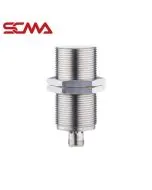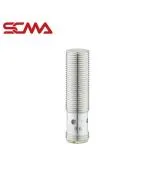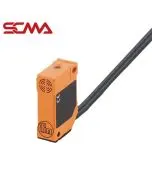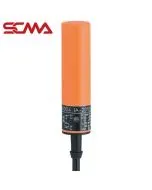

Sudden machine shutdowns or damage to workpieces from foreign metal objects are issues that plant engineers do not want to occur. Metal detectors, or what some call metal detection sensors, are the key to preventing these problems. As an expert in measurement technology tools, SCMA invites everyone to get acquainted with this device in depth to enhance production efficiency. This article will compile information from how it works to proper selection methods.
What is a Metal Detector?
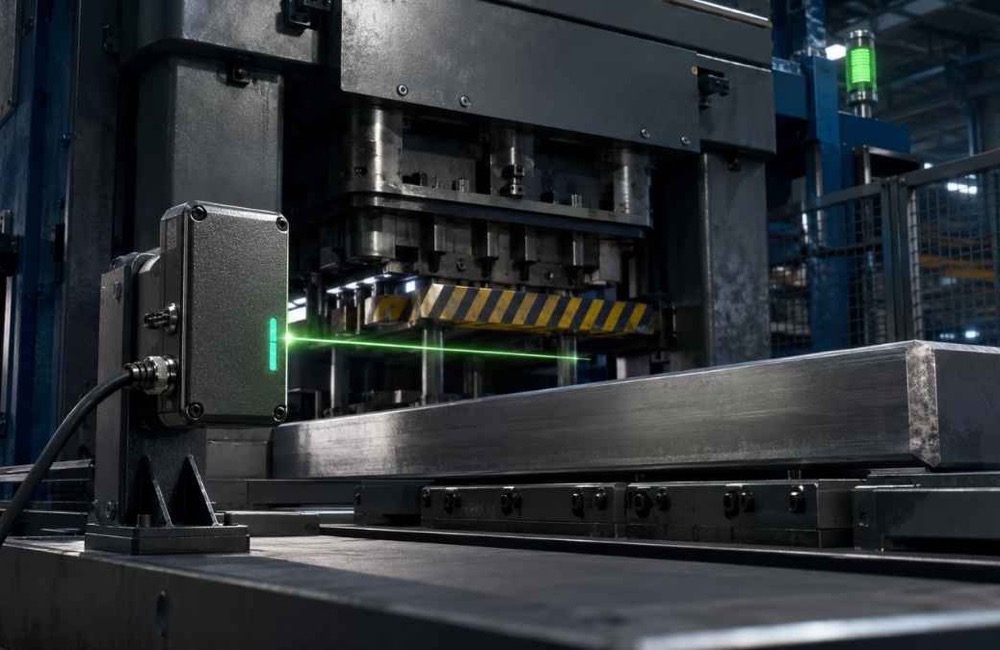
The metal detector, or the commonly referred to as an inductive proximity sensor, is a crucial component in automatic systems. It works on the principle of creating an electromagnetic field to detect metal objects specifically. Its standout feature is that it can operate without direct contact with workpieces, preventing scratches and reducing damage during production processes, thus ensuring smooth machine operation.
How Metal Detection Sensors Work
The Metal detection sensor (Proximity Sensor) operates based on electromagnetic induction. When power is supplied to the sensor, an electromagnetic field forms at the head area. As a metal object moves into the detection range, eddy currents are generated on its surface, causing changes in the magnetic field. The sensor converts these changes into output signals (Output Signal), which are then sent to the main control system (Controller).
How many types of metal detectors are there?

Based on the experience of the SCMA engineering team, selecting the appropriate type of sensor for the job is the most important thing. Metal detectors (Proximity Sensor) are primarily divided into 3 types according to their mode of operation as follows:
Inductive Proximity Sensor
This type of sensor is designed specifically to detect metal objects, working with an electromagnetic field and can accurately detect metals such as iron, stainless steel, aluminum, and copper. It is suitable for use in environments with dust or oil stains in industrial factories.
Capacitive Sensor
In addition to metal, capacitive sensors (Capacitive Sensor) can also detect non-metallic materials and liquids such as plastic, glass, water, or wood. The operation relies on changes in capacitance values when an object comes close, making it highly flexible with a wide range of material detection.
Magnetic Sensor
Magnetic sensors are suitable for detecting objects that have magnetic properties themselves or are often used to detect positions through pneumatic cylinders (Pneumatic Cylinder) directly. The advantage is that they can detect through other non-metallic materials, which helps increase installation flexibility.
Metal Sensor Maintenance
To ensure that the metal detector/proximity sensor operates accurately over the long term, proper maintenance is essential. The SCMA repair and maintenance team recommends the following basic guidelines.
Clean the surface regularly
Although inductive sensors are durable against dust and oil, the accumulation of metal chips around the sensor head may cause false triggering (False Trigger). Regular cleaning of the detection head surface helps maintain accuracy in operation.
Prevent moisture and impact
The condition of wires and connection points should be checked regularly to prevent moisture from damaging internal circuits. Additionally, while the housing of the sensor is robust, severe impacts on the sensor head, which is the most delicate part, should be avoided.
Calibration
Compare the actual detection range with the set value (Sensing Distance) and perform calibration regularly. If the detection range changes, it may indicate degradation of the sensor or environmental factors around it have changed.
Usage of Metal Detection Sensors

Metal Detection Sensors of SCMA Company are automatic systems that work without touching the workpiece. Generally, in industries, Inductive Proximity Sensor is commonly used to detect and control the position of various parts.
Type and Operation of Inductive Proximity Sensor
Inductive Proximity Sensor detects only metallic objects, relying on the principle of creating an electromagnetic field at the tip of the sensor. When metal moves into the detection range, an induced current flows, causing a change in the magnetic field and quickly converting it to an output signal sent to the control system (PLC).
Ring Type (Ring Sensor)
The ring type sensor (Ring Sensor) has a central hole designed for detecting small metal pieces or fallen metal through the hole. For example, checking if screws or rivets have fallen into the conveying pipe. This helps reduce visual inspection steps.
How to Purchase Metal Detection Sensors
Selecting Metal Detection Sensors (Proximity Sensor) that match the control system and environment is a worthwhile investment for reducing downtime, with key considerations including:
- Type of metal to be detected: Each model has different responses to various types of metals (Correction Factor). Iron (Ferrous) can be detected at longer distances than aluminum or copper.
- Detection Range (Sensing Distance): Choose an appropriate detection range based on the machine's operational characteristics to prevent collisions between the sensor and workpieces.
- Installation Method: Consider whether embedding the sensor into metal is necessary. If so, choose a Flush (Shielded) model; otherwise, for longer detection ranges, opt for a Non-Flush (Unshielded) model.
- Type of Output: Select output signals (NPN or PNP) and contacts (NO or NC) that match the main control system's signal reception requirements (Controller).
Installation Warnings
Although usage may seem straightforward, improper installation of magnetic metal detectors can negatively impact the overall system. Tips from SCMA's real-world field team emphasize the importance of environmental factors as follows:
- Avoid areas with high magnetic fields: Installing near large motors or electric welding machines may interfere with inductive sensor operation.
- Maintain distance between sensors: If multiple sensors are installed too close together, their magnetic fields can interfere with each other (Mutual Interference), leading to erroneous detection.
- Consider operating temperature: Check the sensor specifications for tolerance in real environmental conditions. If temperatures are too high, choose a special high-temperature resistant model.
Summary
Metal detectors or metal detection sensors are crucial components in automatic systems that help reduce errors, prevent damage, and increase production efficiency. Whether they are inductive, magnetic, or Capacitive Sensors, proper selection will benefit your business in the long run. If you need accurate and stable systems, SCMA is ready to advise on project design and comprehensive solutions.
Buy Metal Detectors from SCMA Today!
If your factory is looking for metal detectors or metal detection sensors that are of high quality, durable, and reliable, SCMA is the right choice. As a leader in industrial technology, our full range of products are selected from top global brands, along with a team of expert engineers providing consultation and recommendations for our services, from equipment selection to after-sales service, ensuring you receive the best solution.
Frequently Asked Questions
What is the function of a Proximity Sensor?
A proximity sensor is a device used to detect objects entering its detection range without having to touch the workpiece, helping to signal an automatic system to operate continuously.
What can an Inductive Sensor detect?
An inductive proximity sensor detects metal objects specifically such as steel, cast iron, stainless steel, copper, aluminum, and brass, among others.
What factors determine the detection range of a sensor?
The detection range depends on the size of the sensor head, the type of target metal object (Correction Factor), and whether it is installed as flush or non-flush.
How do NPN and PNP output signals differ?
An NPN signal outputs a negative pole state (0V) when operating, while a PNP signal outputs a positive pole state (+24V) when operating. The choice depends on the main control system designed by the factory.
Which brand of sensor should be chosen?
A reliable brand in the industrial sector with supported standards such as ifm should be selected, and consideration should also be given to distributors who provide fast after-sales service and technical support.