
MDB or Main Distribution Board is the heart of electrical systems in both large buildings and industrial factories. The MDB cabinet controls the distribution of power from primary sources such as high-voltage transformers to various electrical equipment within a building. It also includes safety protection systems and displays the status of the electrical system. Anyone involved with electrical work, whether engineers or building owners, must understand MDB cabinets to ensure safe and efficient operation of the electrical system.SCMA is a leader in MDB cabinets and power control systems, providing comprehensive consultation and services related to MDB systems with professional teams.
What is an MDB (Main Distribution Board)?

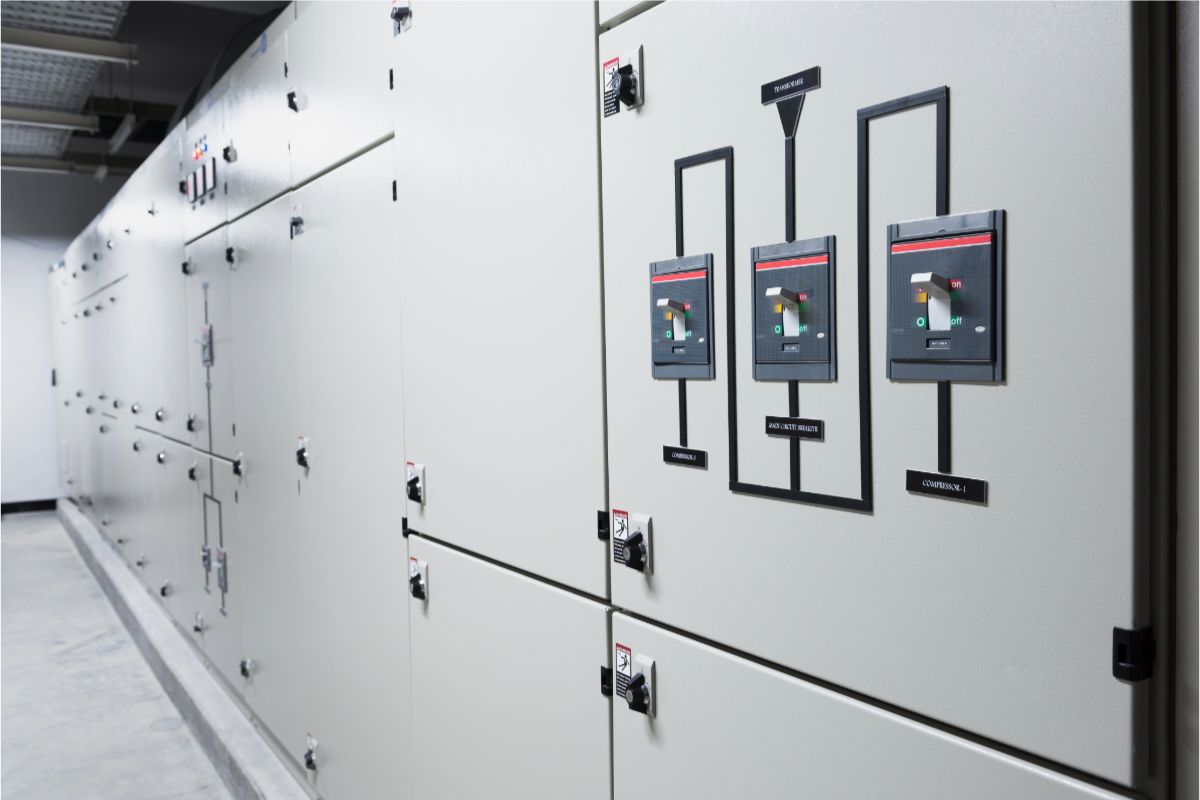
The MDB (Main Distribution Board) is a large electrical control cabinet that receives high-voltage current from primary power sources such as transformers, then converts the voltage and distributes power to sub-distribution boards (SDBs) in various parts of the building for onward distribution to end-use equipment. In large buildings or industrial factories with high power requirements, an MDB is essential as a central control point for the entire electrical system. Typically, MDB cabinets are installed in dedicated rooms called MDB rooms, which have good ventilation and safety equipment installed, along with space for staff to easily inspect and maintain the equipment.
Main Functions of the MDB (Main Distribution Board)
The main functions of an MDB are fourfold:
1. Power Distribution (Distribution of Electrical Power)
An MDB receives high voltage electricity from the primary power source through switches and protective devices, then transforms it to appropriate levels before distributing it via busbars to circuit breakers that supply sub-panels in various floors or zones of a building.
2. Electrical Protection (Protection of Electrical Systems)
Another crucial function of the MDB system is protecting electrical systems and users from damage by installing protective devices such as circuit breakers, fuses to automatically cut off circuits in case of anomalies like short circuits, overcurrents, or lightning strikes. This prevents building electrical systems from being damaged and ensures user safety.
3. Monitoring (Displaying Operational Status)
The MDB is equipped with various electrical measuring devices, such as ammeters, voltmeters, kilowatt-hour meters, and power factor meters. These devices measure electrical values entering and exiting the MDB and display the operational status of building electrical systems to ensure they are functioning normally. Any anomalies can be promptly addressed.
4. Backup Power (Backup Electrical Systems)
Some models of MDBs come with backup power systems, such as standby generators to supply electricity to critical systems when the primary source fails or UPS systems to provide continuous power to essential equipment that cannot afford downtime, like data centers and servers.
Usage of MDB Panels
The design and installation of MDB panels must take into account several factors, including the building's electrical power requirements, existing electrical systems, environment, as well as future ease of wiring and maintenance. MDB electrical cabinets are used in areas with high electricity demand, typically large commercial buildings, residential buildings or condominiums, factories, and data centers, among others. Therefore, MDB control panels are crucial equipment that ensures the stable and safe operation of large-scale electrical systems.
What does an MDB cabinet contain?

An MDB cabinet contains five important components, namely:
1. Switchboard Enclosure
The enclosure is made of steel plates or corrosion-resistant materials and has a sealed body and door to prevent dust and moisture. The interior space is divided into sections for installing various equipment, and some models have transparent plastic windows allowing visibility inside the cabinet. For specific areas such as chemical plants or coastal regions, the MDB cabinets must be water-resistant and specially designed to resist corrosion.
2. Busbar
A busbar is a metal conductor bar usually made of copper that serves as the main carrier for electrical current from feeders and distributes it to various sub-circuits. Installing busbars in an MDB cabinet requires calculating cross-sectional area, length, and number of bars according to the maximum current flow, along with securing them firmly using robust and heat-resistant mounting devices.
3. Circuit Breaker
A circuit breaker serves as an electrical circuit interrupting device and protects against overcurrent in the MDB system. The breaker will cut off the circuit and stop power supply immediately if the current exceeds the set limit to prevent damage to electrical equipment and wires from overheating. An MDB cabinet typically includes several sizes of circuit breakers, such as main breakers, master breakers, and sub-circuit breakers.
4. Electrical Meter
The MDB cabinet system will have various electrical measuring instruments and operational monitoring devices installed, such as:
- Ammeter for reading current values
- Voltmeter for reading voltage values
- Kilowatt-hour meter for measuring accumulated electrical energy consumption
- Power factor meter for measuring the power factor value
These measuring instruments are crucial for monitoring the operational status of the MDB cabinet and the overall electrical system, as well as measuring energy consumption to calculate electricity costs.
5. Accessories
In addition to the main components in the MDB cabinet, there are other important accessories such as:
- Fuses that function like circuit breakers but are used for protecting smaller circuits with lower power capacity
- Contactors switching devices used to control high-power circuits electrically
- Signal lamps used to indicate operational status or alert in case of abnormal events
- Current transformers (CT) used to step down high currents to levels that measuring instruments can read
- Control relays used as connecting devices in control circuits
The selection of various accessories for the MDB system depends on their intended use, load size, and installation environment.
How many types of MDB cabinets are there?
MDB cabinets can be divided into two main categories based on the type of power distribution, namely:
Single-phase MDB cabinet
A single-phase MDB cabinet distributes low-voltage single-phase 2-wire systems with a voltage range of 220-240 volts, consisting of two wires: the phase wire (Line) and the neutral wire (Neutral). Single-phase systems are commonly used in places where there is not much demand for electricity, such as residential homes, small offices, retail stores, etc. A single-phase MDB cabinet is therefore suitable for controlling power supply to small and medium-sized electrical equipment. The advantages of a single-phase MDB cabinet include lower cost, easy installation, and less maintenance.
Three-phase MDB cabinet
A three-phase MDB cabinet distributes low-voltage three-phase 4-wire systems with a voltage range of 380-415 volts, divided into three phases (R S T) and one neutral wire. Three-phase power systems are suitable for large commercial buildings, shopping centers, hotels, hospitals, as well as industrial factories that require high electricity demand. This is because a three-phase high-power electrical cabinet can deliver more current than a single-phase system by up to 1.7 times and provide continuous and stable power supply.
Why are MDB cabinets important?
An MDB electrical control panel is like the heart of all power systems within a building, as it controls the distribution of massive amounts of current from the main power source to critical large-scale loads such as air conditioning systems, lighting systems, water pumps, and production machinery. Without high-quality and accurate functioning MDB cabinets, it would be difficult to avoid electrical failures that could cause significant damage in terms of equipment, life safety, property, and normal building usage.
For this reason, engineers who design and install MDB cabinets must carefully calculate the size of various components according to strict engineering standards, use high-quality materials, work meticulously, and neatly arrange equipment within the MDB cabinet for easy maintenance. Most importantly, an MDB cabinet must have a protection system that allows it to operate safely even when abnormal events occur in the electrical system.
If you are interested in MDB cabinets, SCMA is now available for purchase!
SCMA has been a specialist in MDB cabinets and electrical control systems for over four decades. We have extensive experience in designing and manufacturing high-quality MDB cabinets, as well as providing top-tier electrical equipment both domestically and internationally. Additionally, SCMA boasts a professional engineering team ready to consult on calculating the appropriate size of MDB cabinets for building power loads, ensuring efficient and safe installation of MDB cabinets and electrical equipment. Our after-sales service is also quick and reliable. If you are interested in modern and standard-compliant MDB cabinets, feel free to contact SCMA today for consultation.
Summary
MDB electrical panels serve as the central hub of power systems in large buildings and industrial plants. They control power distribution, protect electrical equipment, and monitor system status. Choosing high-quality, durable MDB cabinets with excellent protection systems will help ensure stable, safe, and highly efficient operation of your power system. SCMA services are always ready to assist you in comprehensive planning and installation of MDB cabinet systems, ensuring your power system is truly secure and reliable.
Frequently Asked Questions
What is an MDB Electrical Control Panel?
MDB stands for Main Distribution Board, which is an electrical control panel that distributes power from the main source such as a transformer to the building or factory's internal electrical system. It is essential for large buildings with high electricity demands. An MDB includes important components like circuit breakers, bus bars, fuses, and various electrical measuring devices to control and protect the electrical system simultaneously.
What does an MDB Room contain?
In a well-designed MDB room, it must include:
- At least one set of space for installing the main MDB panel
- A sufficient ventilation system to prevent equipment damage from heat
- Smoke extraction and fire suppression systems in case of emergencies
- Sub-panels for controlling equipment within the MDB room
- Warning signs detailing usage instructions and technical details of the MDB panel
- Personal safety equipment for those working inside the room
Moreover, the MDB room should be located in an easily accessible area, away from fire or flood risk zones, and have convenient emergency exits.
What are the functions of an MDB?
An MDB cabinet serves as the central hub of the electrical power system in a building or factory, with primary functions including:
- Receiving electricity from the main supply source and converting voltage to distribute it to sub-systems.
- Protecting electrical equipment from abnormal events such as low voltage, overvoltage, leakage, and lightning strikes.
- Monitoringmeasuring current and voltage supplied to the systemto display the status of the electrical system.
- Serving as a switching point between normal and backup power sources.
- Connecting the grounding system for safety purposes.
An MDB cabinet must be equipped with complete and accurate protective devices to maintain overall electrical system stability.
How do MDB and DB cabinets differ?
MDB (Main Distribution Board) and DB (Distribution Board) differ in terms of size, installation location, and function. Specifically,
- The MDB is larger because it must handle a large amount of electrical current, requiring the use of larger bus bars and equipment. The DB, on the other hand, is smaller as it receives power from the MDB.
- In a radial electrical system, the MDB is installed after the transformer or generator and at the beginning of the power distribution circuit. The DB is then installed inside the building to receive power from the MDB.
- The MDB serves as the main power supply board, controlling overall power distribution in a building or factory. The DB, however, breaks down into sub-power supply boards for specific zones or floors to control individual circuits.
However, both the MDB and DB have similar primary components such as bus bars, circuit breakers, fuses, and switches, all of which work together to control and protect the electrical system in the building.