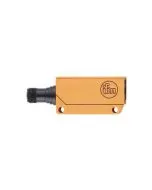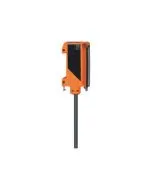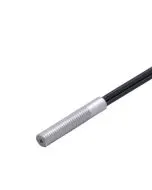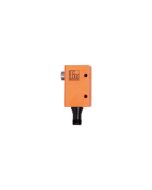

Fiber Optic Sensor, also known as Optical Fiber Sensor, is a crucial device in modern industry that helps control and monitor production processes efficiently and accurately. SCMA itself is one of the leaders in Fiber Sensor technology with extensive expertise and experience in applying this technology to the Thai industrial sector.
What is an Optical Fiber Sensor?
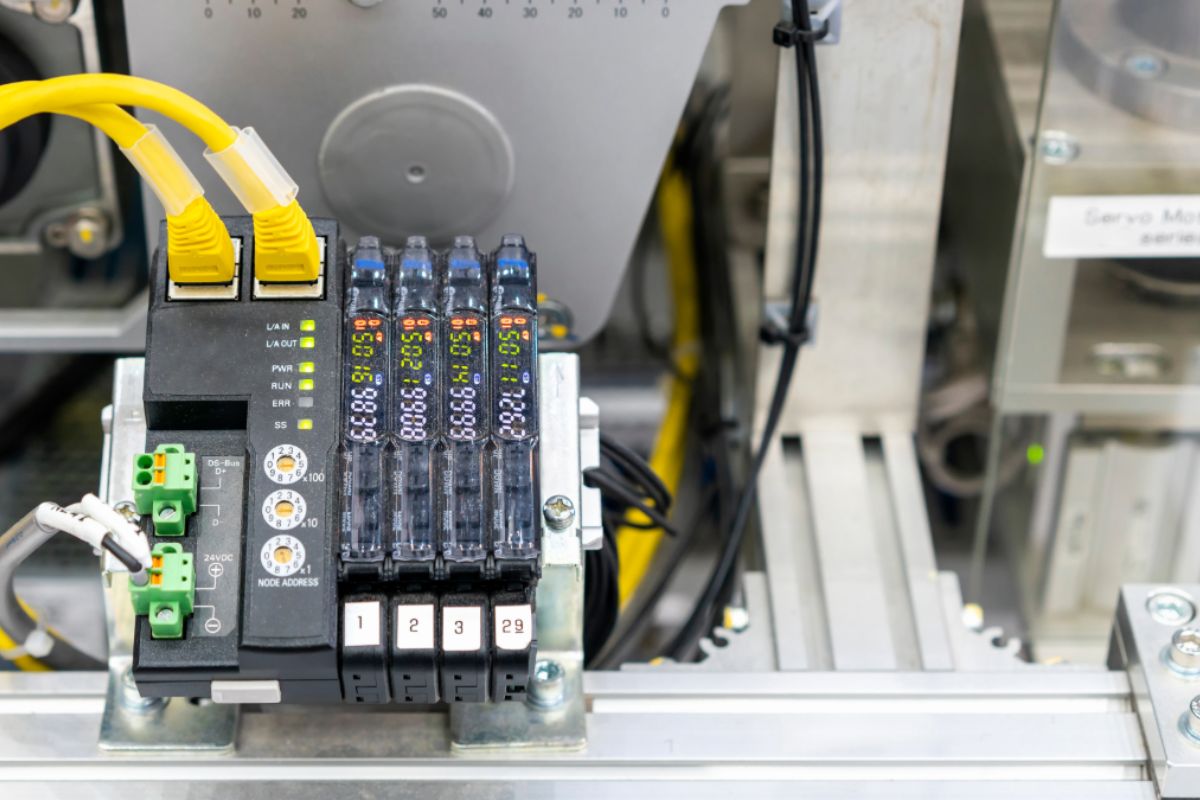
Optical Fiber Sensor, or Optical Sensor, is a type of sensor that uses light principles to detect objects without physical contact. It measures the intensity of reflected light from an object back to the receiver, allowing for precise detection of small objects and suitable for use in confined spaces or high-risk environments.
How does an Optical Fiber Sensor work?
An optical fiber sensor consists of two main parts: the fiber amplifier (Fiber Amplifier), which emits light and processes signals, and the optical fiber (Fiber Optic) that carries light from the emitter to the detection point.
The working principle starts with the amplifier sending light through an optical fiber to a detector head. When the light hits an object, it reflects back to the receiver. Then, the amplifier measures the intensity of reflected light and compares it to set values to decide whether to send output signals.
Benefits of Fiber Optic Sensors
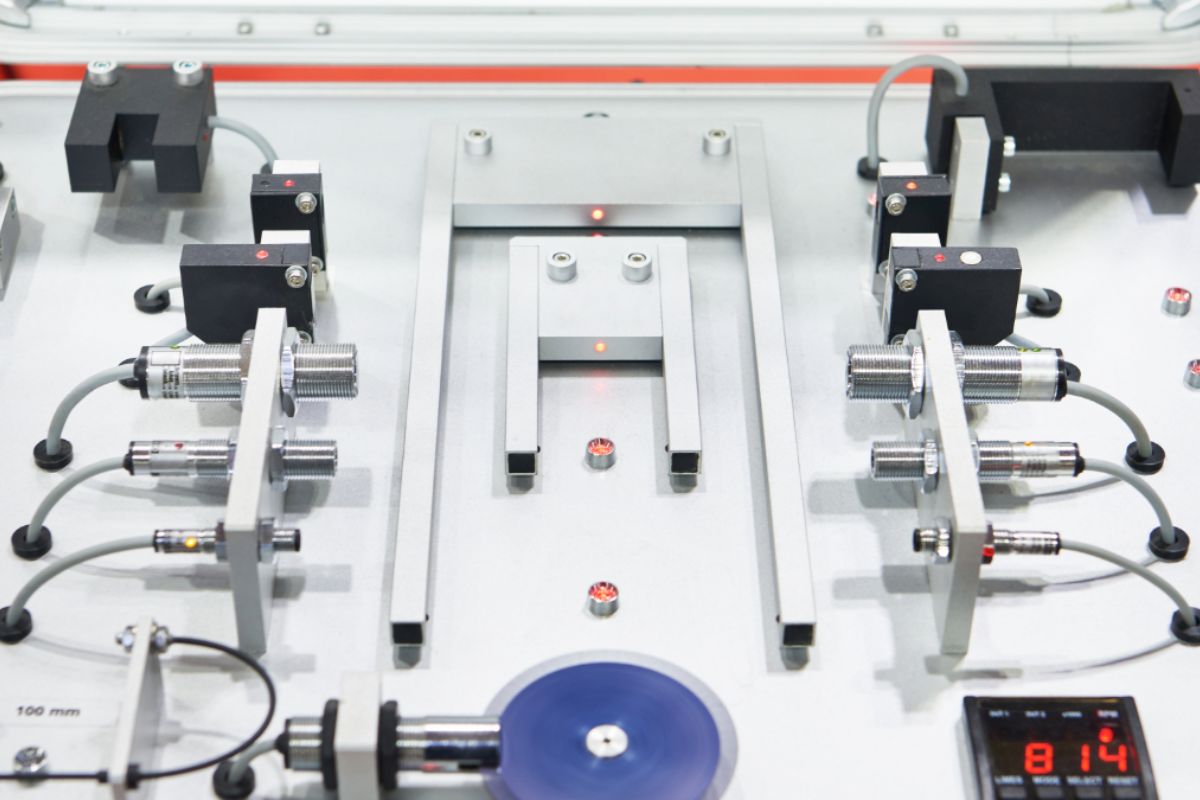
The key benefits of Fiber Optic Sensors include:
- The detection head is small, allowing installation in tight spaces and accurate detection of small objects.
- Fiber optic cables do not conduct electricity, making them safe to use in hazardous areas such as flammable substance zones.
- There are various types of sensors available for different environments and applications, such as heat-resistant or chemical-resistant models.
- They perform better than Photoelectric Sensors in distinguishing between objects.
With these advantages, Fiber Optic Sensors are widely applied across various industries.
How many types of Fiber Optic Sensors are there?
Fiber Optic Sensors can be categorized into four main installation types:
Through Beam (Transmitter-Receiver)
This type has separate transmitter and receiver units. The light beam from the transmitter travels directly to the receiver. When an object moves into the path of the beam, the receiver does not receive light from the transmitter, thus detecting that an object is present.
Retro-reflective (Reflects off a reflector plate)
This sensor type has both transmitter and receiver units together. It works with a reflector plate on the opposite side of the light beam. When an object moves into the path of the beam, the reflected light does not return to the receiver, so the sensor knows that an object is present.
Diffuse-reflective (Reflects off the object directly)
This type also has both transmitter and receiver units together but relies on direct reflection from objects. When an object enters the detection area, light reflected from the object returns to the receiver, allowing the sensor to know that an object is present.
Limit-reflective (Reflects objects within a limited range)
Similar to Diffuse-reflective type but limits the detection range. It detects only when the object is within the specified distance, preventing unwanted detection of other objects.
Why are Fiber Optic Sensors Important?

In today's manufacturing industry, there is a growing demand for precise and efficient quality control systems. Fiber Optic Sensors are an excellent solution to meet these requirements.
Fiber optic sensors can accurately detect small objects with slight differences while being safe to use in hazardous environments. This makes them popular choices for quality control in various industries, such as automotive, food and beverage, chemicals, among others.
Optical Sensors help achieve high-quality production processes and significantly reduce waste, thus playing a crucial role in enhancing the competitiveness of Thai industries.
If you are interested in Fiber Optic Sensors, you can purchase them from SCMA today!
SCMA isan expert in Fiber Sensors and various automation equipment. We offer a wide range of fiber optic products to meet your needs, along with professional engineering teams ready to provide consultation for system design and installation.
If you want to enhance production quality or solve complex inspection processes, we are here to bring optical sensor technology to fit your specific requirements.
For more information about our products and services, please contact SCMA for consultation and assistance.
Summary
Fiber Optic Sensor is a sensor that operates on the principle of light without touching objects, offering high accuracy in detection. It is suitable for work in limited spaces or risky conditions and comes in various models to choose from based on installation type. Fiber optic sensors are therefore an important tool for controlling quality and increasing production efficiency in modern industries.
If you are looking for reliable fiber optic solutions, SCMA is ready to provide consultation, recommendations, and comprehensive products and services that meet your needs. Contact us today to speak with our experts.
Frequently Asked Questions
How does a fiber optic sensor work?
Fiber optic sensor works by shining light through optical fibers. When the light hits an object and reflects back to the receiver, it measures the intensity of the reflected light to determine whether there is an object at that position or not, compared to a preset value.
How does a fiber optic sensor work?
A fiber optic sensor sends light through optical fibers. When the light hits an object and reflects back to the receiver, the intensity of the reflected light is measured and processed to determine whether there is or isn't an object at that position, compared to a preset value in the sensor, which operates on the same principle as a fiber optic sensor.
What are optical sensors used for?
Optical Sensors or Fiber Optic Sensors are widely applied in industrial applications, particularly for inspection, quality control, and object detection on production lines. For example:
- Used to detect small workpieces in automated machinery
- Used to control the position and distance of moving parts on conveyor belts
- Used to check liquid levels in tanks or pipes
- Used to detect dust or smoke in air filtration systems
- Used in safety systems, such as doors, sensors, light curtains, etc.
The Optical Sensor can be used in a variety of environments, including high-temperature, vibration-prone, or chemical conditions. Due to the light conductor being made from durable materials that do not conduct electricity, it is safe for use.
What is a Sensor Amplifier?
A Sensor Amplifier, or Fiber Amplifier, is an apparatus that amplifies and converts signals from the fiber optic connector into a form suitable for further processing. It has internal circuits to emit light and detect reflected light, then convert it into electrical signals as output, such as transistors or relays.
Moreover, some models of Amplifiers also have various configuration functions to adjust for optimal use, such as adjusting detection sensitivity, setting NO/NC Output types, setting delay times (Timer), and displaying results with LEDs. This makes the usage of Sensors easier and more flexible.
This is a summary of information about Fiber Optic Sensor or fiber optic sensor, which is highly important in current industrial applications. For further details or inquiries about products and services related to Fiber Optic Sensors, please contact SCMA, the leading expert in automation systems and sensors in Thailand, ready to provide consultation and the best offers for all needs in automated systems.