What is an Electromagnetic Flow Meter (EMF)?
When it comes to measuring the flow rate of liquids in pipe systems or water pipelines, one crucial tool that cannot be overlooked is EMF, which stands for Electromagnetic Flow Meter. This flow meter uses the principle of electricity to measure fluid flow in systems containing electrically conductive liquids such as water, wastewater, or oil by generating an electrical current within these fluids when they pass through a pipe.
Benefits of Using an Electromagnetic Flow Meter
- Accurately measures the flow rate of water and other electrically conductive liquids, making it a vital tool for production process control.
- Has no parts that come into contact with water or liquid, reducing the risk of contamination or wear and tear.
- Durable construction resistant to environmental conditions and chemicals, ensuring long-term use.
Types of Electromagnetic Flow Meter
The general types of this flow meter can be divided into two categories as follows:
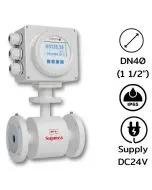
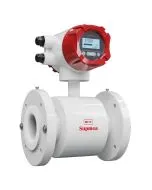
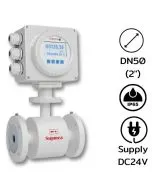
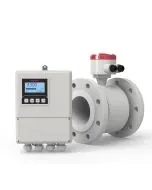
- Integration Type - The controller and display are integrated with the flow measurement section. To read values, one must go to where the meter is installed.
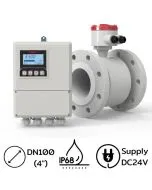
- Separated Type - The controller and display are separate from the flow measurement section or referred to as Remote type. It allows remote reading by wiring to the desired location.
Principle of Operation for Electromagnetic Flow Meter
Regarding the principle of operation of the Electromagnetic Flow Meter, or this magnetic field flow meter, it works by sending an electric current to the conductive substance inside the pipe, creating a magnetic field within the pipe. In normal circumstances, when water flows through the pipe, the electricity sent into the water creates an electrical pressure that is proportional to the speed of the flow. This voltage is detected by the installed electrodes or sensors, and then the device uses this value to calculate the volume of liquid flow. However, it can only detect the rate of flow for conductive fluids with a minimum conductivity of 5-20 µS/cm.
The fundamental principle of Electromagnetic Flow Meter is based on Faraday's Law of Induction which states that when there is a change in magnetic flux, an induced electromotive force occurs in the coil. From this law, we can find the relationship for measuring flow rate from the following equation:
E = k x B x D x V
E = Induced electromotive force
k = Constant
B = Magnetic field density
D = Distance between electrodes (pipe diameter)
V = Flow velocity
Which Industries Commonly Use Electromagnetic Flow Meters?
- Wastewater Treatment Plant (Effluent Treatment Plant)
- Sewage Treatment Plant Water Supply Scheme
- Steel & Aluminum Industries
- Food & Drug Industries
- Chemical & Fertilizer Industries
- Dairy Industries
- Sugar Industries
- Textile Processing Industries
Installing an Electromagnetic Flow Meter
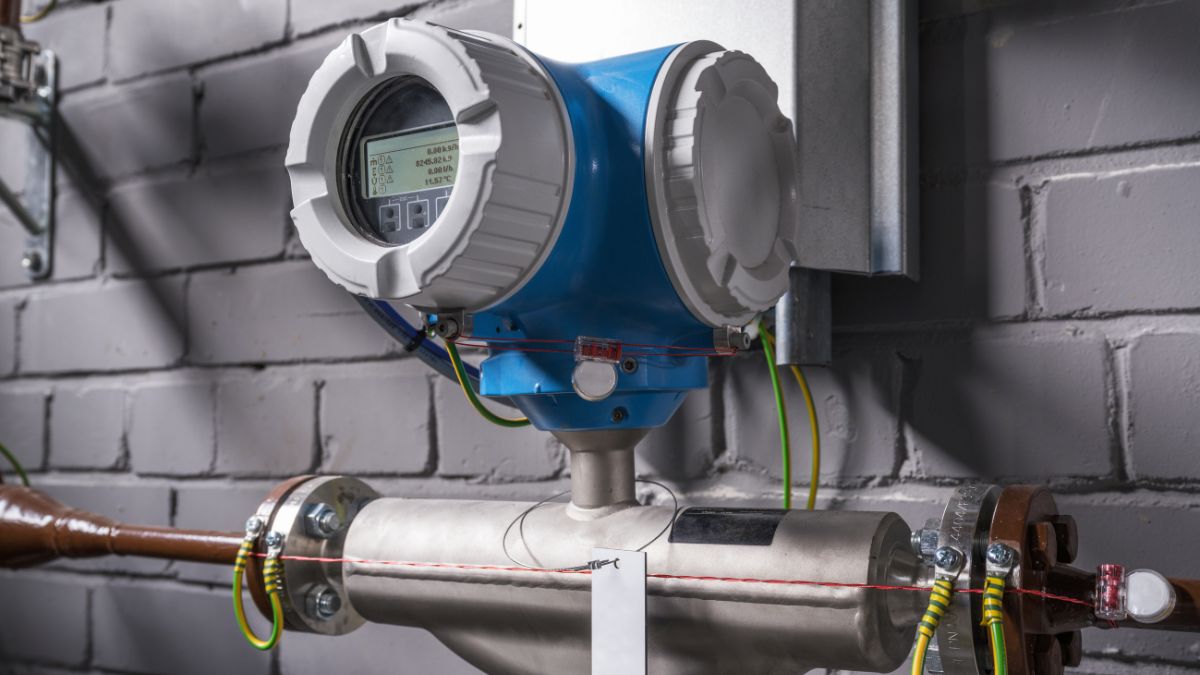
The electromagnetic flow meter must always be full of liquid, so the desired position for mag flow is in a vertical upward direction along the flow line. Horizontal installation can also be done if the pipe section is at the bottom and if the electrode is not on top of the pipe to prevent air from touching the electrode. If installing mag flow in a horizontal pipe longer than 30 feet, it should support both sides of the meter.
Additionally, electrical grounding must be connected with the liquid in the process. This is because the mag flow is part of the path for stray currents traveling down the pipe or through the liquid in the process. By connecting ground wires at both ends to the liquid in the process, it creates a short circuit path for stray currents around the pipe instead of through it. If the system does not properly connect grounding, these currents can cause zero changes in the output of the Electromagnetic Flow Meter.
Steps for Installing an Electromagnetic Flow Meter
- Choose a suitable and adequate installation location.
- Inspect and prepare the area for equipment installation.
- Test the Flow Meter to check its performance and adjust according to desired values.
- Maintain the Flow Meter to ensure efficient operation and long service life.
- Follow manufacturer's instructions for a complete and effective installation process.
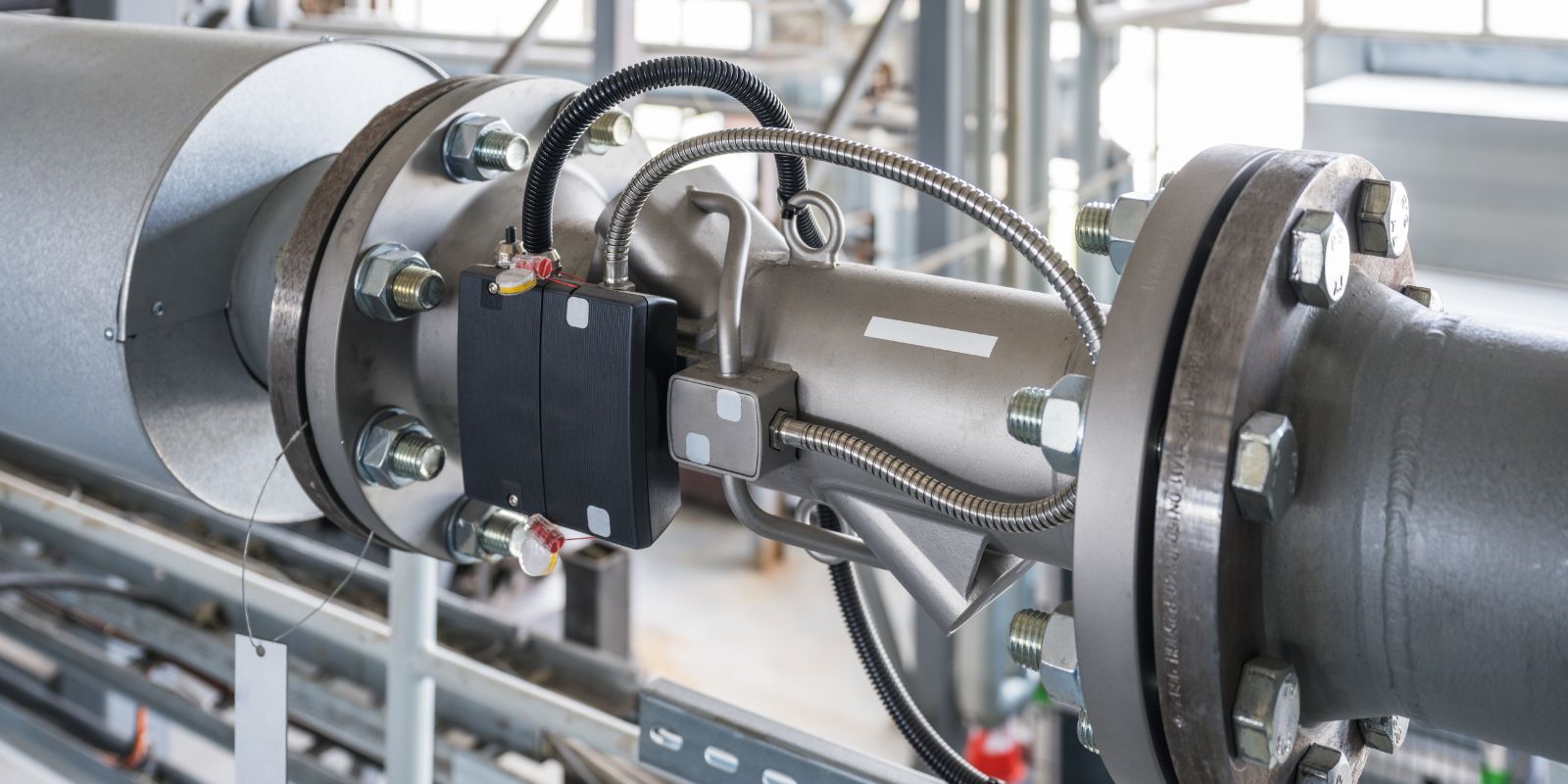
Advantages of Electromagnetic Flow Meter
- It has a linear measurement, as the flow velocity (V) of the medium is directly proportional to the induced electric field strength (E).
- It offers high accuracy compared to other flow meters at approximately ±0.5% of flow rate or better than the ±1 to 2% inaccuracy that comes with ultrasonic meters.
- There are no obstructions or protruding parts inside the pipe where the medium flows through, which prevents a drop in internal pressure. Additionally, it can be used with liquids containing large amounts of metal particles or contaminants without worrying about clogging from debris or damaging sensors due to abrasion.
- It has no moving parts for measurement, making maintenance easy.
- It primarily measures flow velocity, so the viscosity, density, properties of the medium and temperature do not affect the measurement. The flow velocity of the medium mainly depends on the volume flow rate and pipe size.
- It can measure flow rates in both directions of the pipe with equal accuracy in both directions.
- It consumes low power, typically around 15-20 W.
- It does not come into contact with the flowing medium, allowing for measurement in conditions where media are easily changing or fragile, such as water, wastewater, or chemicals. It also helps reduce the risk of equipment degradation.
- Electromagnetic Flow Meter is resistant to chemical corrosion from acidic or salty environments, extending the lifespan of the instrument significantly.
Caution when Using the Electromagnetic Flow Meter
- The medium liquid being measured must have an electrical conductivity value no less than a specified level. Each type of liquid should be checked according to its properties or use an instrument to measure the electrical conductivity against the medium liquid for verification. This meter is not suitable for mediums with hydrocarbon mixtures such as gasoline, various petrochemical oils, or gases. It also cannot be used with distilled water or DI (Deionized) water.
- Grounding System The electromagnetic flow meter is sensitive to electrical interference signals or magnetic field disturbances. Properly connecting the grounding system and ground ring (Ground Ring) should be done to reduce interference signals and improve measurement accuracy.
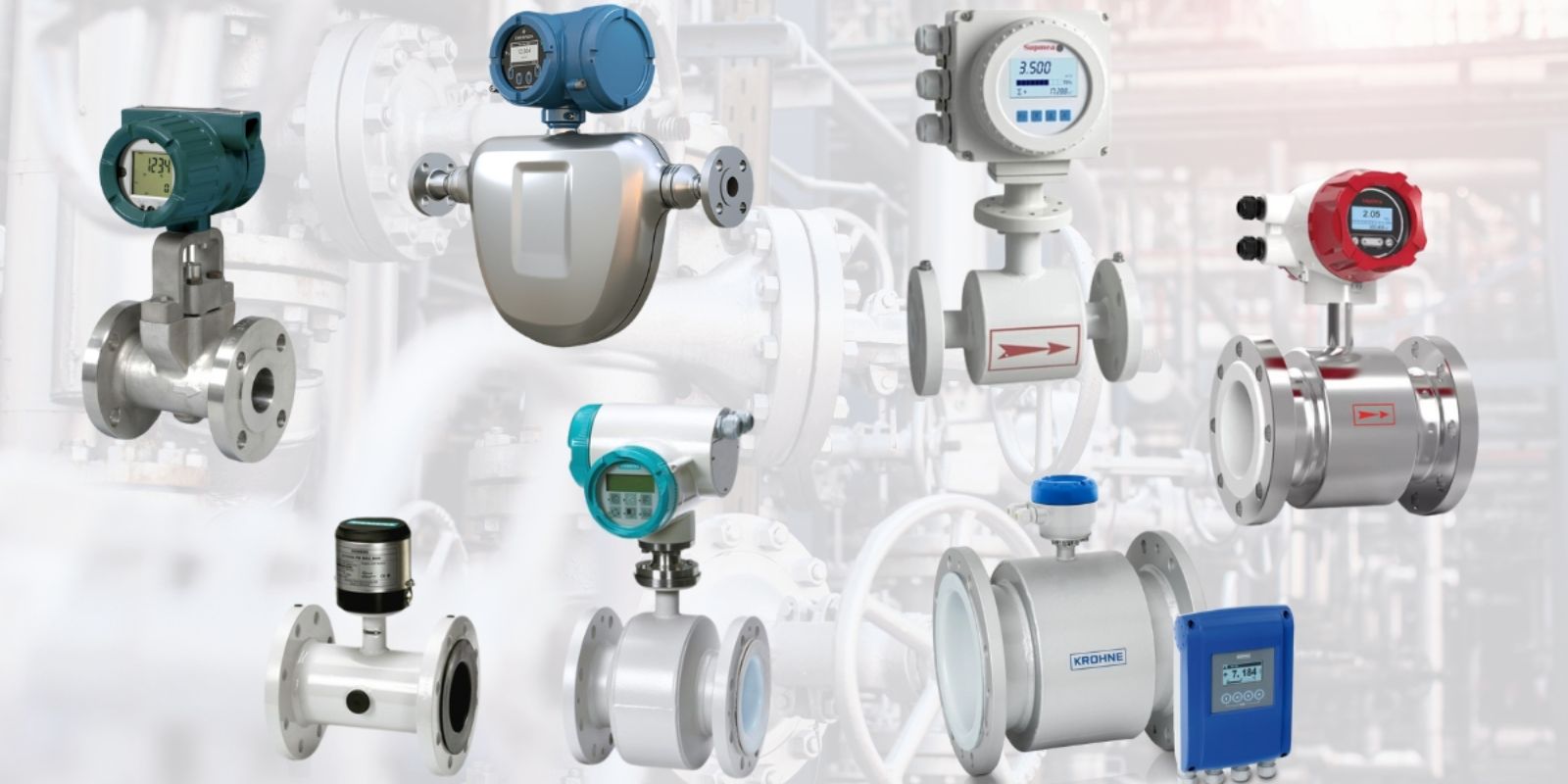
Popular Brands of Electromagnetic Flow Meter in the Market

- Endress+Hauser is a leading company in the field of process measurement and control.
- Siemens is renowned for manufacturing electrical and electronic equipment, offering reliable and high-quality electromagnetic flow meters.
- Supmea, a Chinese company specializing in the production of Electromagnetic Flow Meters and other flow measurement equipment for industrial use, is recognized by various customers due to product quality, affordable prices, and excellent after-sales service. They always have stock available for immediate shipment.
- ABB is a well-known company in the production of electrical tools and equipment, offering advanced and highly efficient Electromagnetic flow meters.
- Yokogawa, a Japanese company renowned for process control and flow measurement, offers popular Electromagnetic flow meters across various industries.
- Krohne is known for high-quality products in the field of process measurement and control, providing reliable Electromagnetic flow meters.
- Emerson, a company famous for manufacturing control and flow measurement equipment, offers highly accurate and efficient Electromagnetic flow meters.
Choosing an Electromagnetic Flow Meter from various brands depends on suitability, customer needs, and usage. All the mentioned brands are reputable and recognized in the field of flow measurement. For those looking for high-quality Electromagnetic Flow Meters to install in their industries, SCMA recommends Electromagnetic Flow Meters from Supmea.