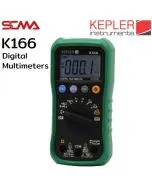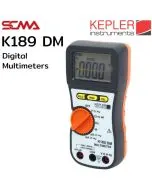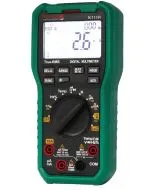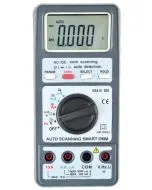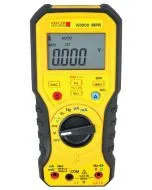

Multimeter is an essential tool for electrical system inspection and maintenance. SCMA Co., Ltd. introduces knowledge about multimeter functions, benefits, and how to choose the right one correctly, along with high-quality multimeters from leading brands available for sale, accompanied by expert advice to meet the needs of every business in the electrical field.
The History of Multimeters

The first multimeters were developed in the 1920s by British engineer Donald Macadie. He designed a tool that combined the features of a voltmeter, ammeter, and ohmmeter, which was called "Avometer" (short for Amps, Volts, Ohm meter), marking the origin of modern multimeters.
Initially, multimeters were analog types using a needle to indicate values on a scale.
In the 1970s, digital multimeters with numerical display screens were developed, making it easier and more accurate to read values. They also included additional functions such as measuring capacitance, frequency, temperature, etc., making multimeters an essential basic tool for electrical and electronics work in the present day.
What is a Multimeter?

A multimeter (Multimeter) or electrical meter is an essential tool used to measure basic and important electrical values such as voltage, current, and resistance. It combines all these measurement functions into a single device, making work more convenient and efficient. This reduces the need to carry multiple types of measuring tools. A multimeter makes checking the operation of electrical equipment, electrical systems, and troubleshooting easier and more effective. Therefore, it is an essential tool for electricians, engineers, and anyone working with electrical systems.
What can a multimeter measure?
In addition to basic measurements such as voltage, current, and resistance, a multimeter can also measure many other related values, including:
- Direct Current (DC) Voltage and Alternating Current (AC) Voltage
- Direct Current (DC) Current and Alternating Current (AC) Current
- Resistance to test the functionality of equipment and circuit connections
- Capacitance to check the capacitance value of capacitors
- Frequency to measure signal frequency in Hertz (Hz)
- Diode test and circuit continuity
Moreover, some models of multimeters also have additional measurement functions such as signal gain (dB), transistor testing (hFE), and temperature measurement.
Benefits of Multimeters
Multimeters are highly beneficial for electrical and electronic work, both professionally and as a hobby. They can be used to:
- check the operation of various electrical devices such as light bulbs, switches, plugs, etc.
- test power sources, batteries, transformers, and other power supply equipment
- test electrical systems in buildings, homes, factories such as lighting circuits, outlets, wiring, etc.
- locate faults in electrical and electronic circuits for troubleshooting
- maintain and repair electrical appliances and electronic equipment
- develop and design electronic circuits, control systems, and automation systems
Which Multi-meter Brand is Good, Both Analog and Digital Types?
**5 Models of Digital Type
KEPLER Multi-meter (Digital Multimeters) KDM-16A
https://scma.co.th/kdm-16a.html
KYORITSU Multi-meter (Digital Multimeters) Model KEW 1021R
https://scma.co.th/kyoritsu-1021r.html
KEPLER Multi-meter (Digital Multimeters) Model K3000 MPR
https://scma.co.th/kepler-k3000-mpr.html
KEPLER Multi-meter (Digital Multimeters) KDM-41TP
https://scma.co.th/kdm-41tp.html
KEPLER Multi-meter (Digital Multimeters) Model K8000 HVDM
https://scma.co.th/kepler-k8000-hvdm.html
**2 Models of Analog Type
KEPLER Multi-meter (Analog Multimeters) Model KST-367 TR
https://scma.co.th/kepler-kst-367tr.html
KEPLER Multi-meter (Analog Multimeters) Model KST-505N
https://scma.co.th/kepler-kst-505n.html
**2 Models of Desktop Type
GW INSTEK Multi-meter (Multimeters) Model GDM-8245 Dual Display Digital Multimeter
https://scma.co.th/gw-instek-gdm-8245.html
GW INSTEK Multi-meter (Multimeters) Model GDM-9061 Digit Dual Measurement Multimeter.
https://scma.co.th/gw-instek-gdm-9061.html
Understanding the Symbols on Frequently Used Multimeters

To use a multimeter correctly and safely, it is necessary to understand the meanings of symbols, letters, and components on the device, such as
- Common Symbols Found on Multimeters include:
- Ω (Ohm) represents resistance measurement.
- V (Volt) represents voltage measurement, with VDC for direct current and VAC for alternating current.
- A (Ampere) represents current measurement.
- Terminals and Measuring Leads include:
- COM (Common) terminal is the negative (-) terminal for connecting to black measuring leads.
- VΩ terminal is the positive (+) terminal for connecting to red measuring leads, used for voltage and resistance measurement.
- 10A or 20A terminal is a positive (+) terminal used for high current measurements.
- Measuring Leads (Probes) have tips designed specifically, with red leads connecting to the positive (+) terminal and black leads connecting to the negative (-) terminal.
- Basic Functions on the mode selection buttons of multimeters include:
- V Mode means Voltmeter for measuring voltage, both direct and alternating current.
- A Mode means Ammeter for measuring current.
- Ω Mode means Ohmmeter for measuring electrical resistance.
What Should You Know About Using a Multimeter?
To use a multimeter correctly and safely, you should understand and follow these precautions:
- Study the user manual that comes with the device thoroughly before starting to use it.
- Choose a multimeter suitable for the type of work, power requirements, and voltage levels being measured.
- Check that the test leads are in good condition with no breaks or tears.
- Adjust the mode of operation and measurement range correctly to match the values you need to measure.
- Insert the red and black test leads into the multimeter securely and in the correct terminals before connecting to any circuit each time.
- When measuring high voltage, start with the highest measurement range first and then decrease it as needed.
- Do not touch any uninsulated parts of the probes while taking measurements in a circuit to prevent electric shock or leakage.
- Turn off the device and disconnect the test leads from the circuit before changing batteries or replacing blown fuses each time.
- Store the multimeter in a dry, safe place to prevent impact or drops.
How many types of multimeters are there? What are they?
We can classify multimeters into different types based on their functionality and measurement display as follows:
1. Digital Multimeters (DMM)
These are the most popular type of multimeter, featuring a digital numeric display that is easy to read and clearly visible. They are compact in size, lightweight, portable, more accurate than analog types, and offer a wide range of versatile functions.
2. Analog Multimeters
Analog multimeters, also known as needle-type multimeters, use a pointer on a scale to indicate the measured value. Although they are less accurate than digital types, they still have advantages in terms of observing continuous changes in measurement values, making them suitable for tasks that do not require high precision.
3. Auto-Range Multimeters
These are digital multimeters with the ability to automatically adjust the measurement range according to the measured value, making them convenient for use and reducing errors in selecting the correct range. They are ideal for users who are not yet proficient.
4. Bench Multimeters
These are large-sized multimeters with high accuracy, suitable for use in laboratories. They feature a large display and offer more complex functions compared to standard models. They can be connected to computers for data logging and processing.
5. Clamp Multimeters
These are specialized multimeters designed specifically for measuring electrical current without having to cut into the circuit. They work by using a clamp to wrap around wires and read the current value, making them convenient for use with large cables and capable of measuring current without direct contact with conductors.
Why is a Multimeter Important?
A multimeter is crucial for electrical and electronics work in various aspects, including design, installation, inspection, maintenance, and troubleshooting of electrical systems and equipment. Having an appropriate multimeter and knowing how to use it correctly makes the work convenient, fast, accurate, and safe. It helps save time and costs associated with checking and maintaining electrical systems effectively. Therefore, a multimeter is an essential tool for anyone working in electrical or electronics fields.
Who Should Use a Multimeter?
A multimeter is suitable for the following individuals:
- Electricians and maintenance technicians who need to repair faulty electrical equipment.
- Electronics technicians who repair, assemble, or design electronic circuits.
- Electrical engineers working on electrical circuits, equipment, and control systems.
- Students or enthusiasts interested in electrical, electronics, or robotics projects.
- Homeowners who need to perform initial checks when household electrical equipment malfunctions.
- Individuals working in industrial plants that use machinery or electrical systems.
How to Choose a Multimeter?
When choosing a multimeter that suits your needs, consider the following factors:
- Analog or digital type: Digital types are easier to read and more accurate, but analog types can better observe changes over time
- Measurement range: Choose one that covers your usage range, such as maximum voltage and current
- Accuracy: Select according to the job requirements; generally ±0.5% to ±1% accuracy is sufficient for general use
- Resolution: The number of decimal places that can be read, more means finer measurements
- Special functions: Such as capacitance measurement, frequency measurement, diode testing, temperature measurement, data logging, etc. Choose according to your needs
- Brand and quality: Select a reputable brand with quality certification and after-sales service
- Safety features: Includes overcurrent protection fuses, high voltage withstand capability, and compliance with international safety standards
- Size, weight, durability: Choose according to the working environment, such as portability, impact resistance, etc.
If you are interested in purchasing a multimeter, SCMA is now available for your purchase!
Company SCMA offers a service to distribute high-quality multimeters from leading brands, providing advice on selecting the right model for your needs. We also have a team of experts available for consultation and comprehensive after-sales services to ensure that customers can use multimeters efficiently and safely. We are ready to be a leading partner in developing automated and digital production systems for businesses across all industries, aiming for sustainable growth and success together.
Summary
Multimeter is an essential and important tool for electrical and electronics work, with the ability to measure a variety of basic electrical values. It is versatile in use, suitable according to job requirements, making work more convenient, faster, accurate, and safer. It is an equipment that everyone should have on hand. If you are looking for a multimeter for your business, we recommend choosing SCMA's service, experts in production automation equipment and systems. We provide consultation, selection, and supply of the best multimeters to meet your business needs, along with comprehensive after-sales services, aiming for modern manufacturing development and sustainable growth together.
Frequently Asked Questions
What is the function of a Multimeter?
Multimeter functions as a portable multi-purpose electrical measuring tool that combines multiple measurement capabilities in one device, such as voltage measurement, current measurement, and resistance measurement. It is suitable for various electrical system inspection and troubleshooting tasks.
What is an Electrical Multimeter?
An electrical multimeter is a portable measuring tool that integrates multiple measurement functions in one device, including voltage, current, resistance, and more. This makes it convenient to use without carrying multiple tools, making it ideal for electricians, engineers, or anyone working with electrical systems.
What is a Multimeter? And how many types are there?
A multimeter is an instrument used to measure electrical values and combines multiple measurement capabilities in one device, such as voltage, current, resistance, etc. It is generally divided into two main types: analog (needle) and digital (numeric), each with its own advantages and disadvantages.
What is a VOM Meter?
A VOM meter (Volt-Ohm-Milliammeter) is another name for a multimeter, indicating its primary function in measuring three types of electrical values: voltage (Volt), resistance (Ohm), and milliampere current (Milliammeter). It allows you to select the appropriate measurement mode according to your needs.