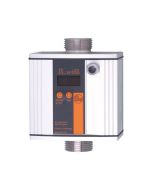
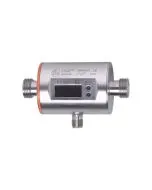
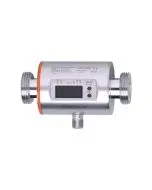
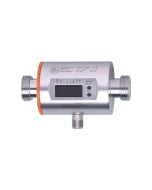
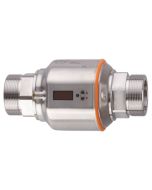
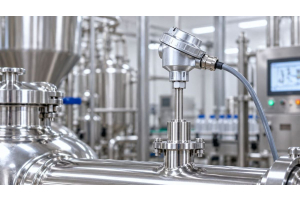
Flow Meter Water is one of the high-quality products from SCMA that enjoys great popularity. It is an important device in various industries, such as manufacturing, energy, petrochemicals, etc.SCMA is committed to providing efficient, accurate, and reliable Water Flow Meters so that customers can measure and control water flow in systems appropriately.
The History of the Flow Meter Water

The Flow Meter Water was born out of the increasing need to measure and control water flow in various industrial pipe systems as technology advanced. In the past, measuring water flow relied on basic methods such as timing the volume of water entering a container of known size. Later, Mechanical Flow Meters like Turbine and Rotameter were developed. Subsequently, other types of Flow Meters based on physical principles, such as Magnetic, Ultrasonic, and Coriolis meters, were introduced to increase accuracy, expand application scope, and facilitate data processing.
Currently, the Flow Meter Water has been developed to be modern, compact, easy to install, more affordable, and capable of connecting with digital systems. It has thus become a standard essential component for water-related systems.
What is a Water Flow Meter?
Water Flow Meter or Flow Meter Water is an instrument used to measure the flow rate of water in a pipeline system. It measures the volume of water passing through a specific point over a given period of time. A Flow Meter Water can provide quantitative information about the water flow rate in various units such as liters per second, cubic meters per hour, gallons per minute, and so on. The data obtained from a Flow Meter is crucial for controlling processes related to water.
Main Functions of a Water Flow Meter
- Measure the flow rate of water: The primary function of a Water Flow Meter is to measure the flow rate of water in a pipeline system, allowing one to know the volume of water flowing through it during a certain period.
- Control system operation: Data from a Water Flow Meter is used to control the operation of various equipment in the system, such as pumps and valves, ensuring that water flow meets requirements.
- Check efficiency: Flow Meter for Water helps in checking the efficiency of the system, such as pipe leaks, pipe blockages, pump performance, and so on.
- Record and report data: A Water Flow Meter can record water flow data for analysis, reporting results, and further system improvements.
Types of Water Flow Meters
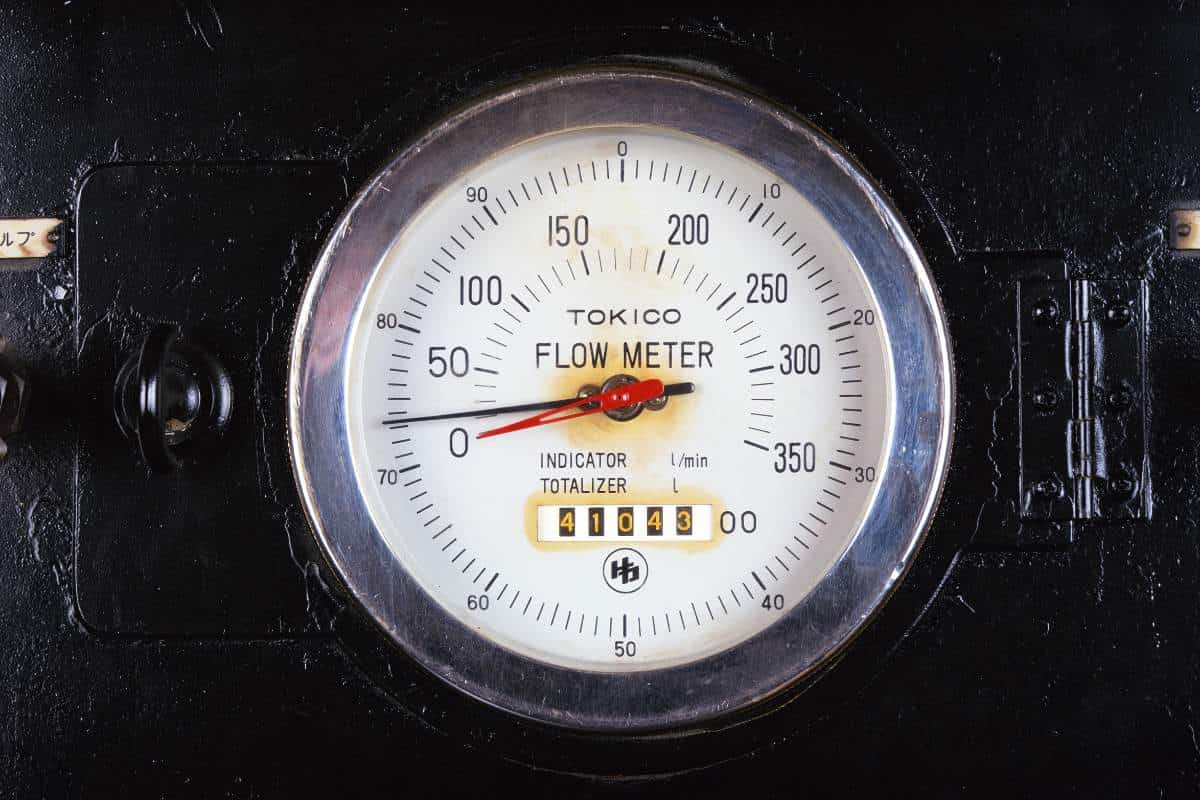
Water flow meters come in various types, each with different working principles, advantages, and limitations as follows:
1. Differential Pressure Flowmeters
Differential Pressure Flowmeters are flow meters that use the principle of measuring pressure differences between two points in a pipe. When water flows through, changes in pressure occur according to Bernoulli's equation. They are commonly used in water and wastewater industries.
2. Magnetic Flowmeters
Magnetic Flowmeters are flow meters that use the principle of electromagnetic induction. When electrically conductive liquids like water pass through a magnetic field, an induced voltage is generated which varies with the flow rate. They are suitable for measuring the flow of electrically conductive fluids.
3. Rotameter Flowmeter
Rotameter Flowmeter is a type of water flow meter that uses the buoyancy principle of a float within a vertical pipe with a narrow cross-section. As water flows from bottom to top, it lifts the float upward according to the flow rate. The height of the float indicates the flow rate.
4. Ultrasonic Flowmeters
Ultrasonic Water Flow Meter is a flow meter that uses ultrasonic waves to measure the speed of water by utilizing the effect of water velocity on sound wave movement. There are two types: Transit Time and Doppler.
5. Turbine Flowmeter
Turbine Water Flow Meter consists of a freely rotating turbine when water flows through it. The rotational speed of the turbine varies with flow rate and is commonly used for clean liquids and high-speed flow.
6. Coriolis Flowmeters
Coriolis Water Flow Meter measures mass flow rate using the Coriolis force that occurs when flowing material moves in a vibrating pipe. The size of the resulting force varies directly with the mass flow rate, providing highly accurate measurements but at higher costs. They are suitable for applications requiring high accuracy.
How Does a Water Flow Meter Work?
Each type of Water Flow Meter has different working principles as follows:
- Differential Pressure Flowmeters measure the difference in pressure across a device that creates pressure loss, such as an Orifice Plate. The pressure difference varies with the square of the flow rate.
- Magnetic Flowmeters use electromagnetic induction principles. The meter creates a magnetic field in the pipe, and when electrically conductive water flows through it, an induced voltage is generated which varies with flow rate.
- Coriolis Flowmeters measure mass flow rate using the Coriolis force. When water flows through a vibrating pipe, it causes a twist which varies with flow rate; the frequency of vibration indicates the density of the fluid.
- Ultrasonic Flowmeters send ultrasonic waves into flowing water. The speed of the water affects the velocity of sound waves traveling through it; measuring the difference in travel time for signals going and returning calculates flow rate.
- Turbine Flowmeter uses the principle of converting water velocity into turbine rotation. A rotor with a spring shaft is installed perpendicular to the flow direction in the pipe; as water flows through, it rotates the rotor at a speed proportional to the flow rate.
- Rotameter Flowmeter is a Variable Area Meter with a float inside a conical tube. As water flows from bottom to top, the float rises due to buoyancy until it balances against resistance on the other side; the height of the float indicates flow rate.
Benefits of Water Flow Meter
A Water Flow Meter is not just a simple water flow measurement device; it also offers numerous benefits that enhance system efficiency, save costs, and conserve water resources. The primary benefits of a Water Flow Meter include the following:
- Accurately measures the rate of water flow in pipe systems.
- Uses measured data to control the operation of various system equipment, such as pumps and valves, according to the volume of flowing water.
- Helps monitor system performance, detecting leaks, pipe blockages, and pump efficiency.
- Continuously records water flow data for analysis, improving system efficiency, and generating reports.
- Reduces wasteful water usage, saves energy, and lowers operational costs.
Who is Suitable for a Flow Meter Water?
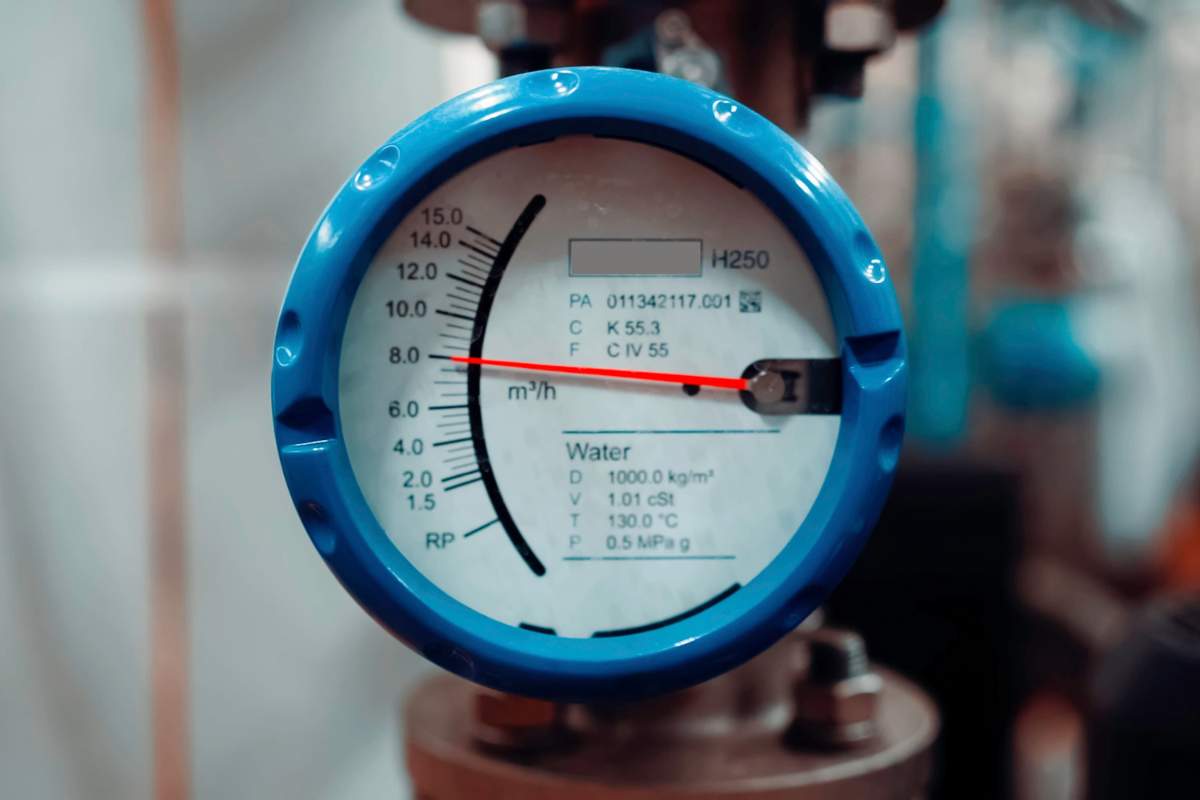
A Flow Meter Water is suitable for everyone and every organization that needs to measure and control water volume in pipeline systems, whether it's industrial plants, public utilities, or agriculture. For example,
- Beverage, food, chemical, pharmaceutical industries to measure water usage and control production processes.
- Hydroelectric power plants, thermal energy systems to measure the amount of water fed into the system.
- Water supply companies to record water usage, detect leaks, and calculate bills.
- Irrigation systems, livestock farms to measure the amount of water supplied.
- Fire protection systems to check readiness.
- Buildings, condominiums, villages to allocate water usage in common areas.
In summary, a Flow Meter Water is extremely beneficial for anyone who needs to measure, record, control, or analyze data related to water use to increase efficiency, reduce costs, identify issues, and generate reports.
What Should Be Considered When Selecting a Water Flow Meter?
When selecting an appropriate water flow meter for different types of applications, users should consider the following factors:
- The characteristics of the water to be measured, such as cleanliness, corrosion resistance, viscosity, temperature, and pressure, in order to select an appropriate type, material, size.
- The expected flow rate range to choose a water flow meter that can measure the entire range with sufficient accuracy and reading resolution.
- Installation characteristics, such as position, space size, distance from control equipment, ease of access for maintenance.
- Specific usage requirements, such as hygiene standards, safety, legal accuracy.
- Ease of use and maintenance, such as calibration, service life, spare parts availability, compatibility software.
- Budget considerations including the cost of equipment, installation costs, maintenance costs, and expected return on investment.
- After-sales service, seller expertise, problem-solving readiness, warranty coverage.
Considering these factors comprehensively will enable the selection of a water flow meter that best meets requirements and can be used efficiently for long-term cost-effectiveness.
If you are interested in Water Flow Meter, SCMA is now available for purchase!
SCMA Company Limited (SCMA) is a leading provider of automation solutions and industrial measurement tools with extensive experience and expertise. We are dedicated to selecting high-quality water flow meters from top brands worldwide, offering customers a wide range of choices along with consultation services, design, installation, and maintenance to meet diverse usage requirements.
Whether you need a water flow meter for municipal water systems, bottled water production plants, irrigation systems, fire suppression systems, or other applications, the expert team at SCMA is ready to provide advice on selecting the most suitable water flow meter, along with excellent after-sales service for sustainable use.
Summary
Water Flow Meter is a crucial device used to measure the rate of water flow in various industries. It helps control, monitor, and ensure that system operations are appropriate and efficient. There are several types with different operating principles; choose one that suits your specific needs. If you need a high-quality Water Flow Meter along with comprehensive services, SCMA is ready to be your partner and provide the best solutions for your success in business.
Frequently Asked Questions
What is a Flow Meter used for?
A flow meter is an instrument used to measure the rate of flow of various fluids such as water, oil, gas, chemicals, etc., in pipeline systems. It provides information about the quantity and speed of what flows through at the installation point, which can be used to control system operations, improve efficiency, and generate reports.
What is a Flow Meter?
A flow meter is an instrument that measures the rate of fluid flow by providing quantitative data about the volume of fluid passing through a specific point over a given period, such as liters per second (L/s), cubic meters per hour (m³/h), gallons per minute (gpm), or measured in mass units like kilograms per second (kg/s). There are various types including Differential Pressure, Magnetic, Coriolis, and Ultrasonic.
What are the measurement units of a Flow Meter?
The measurement units of a flow meter vary depending on the type of meter but generally measure volume per unit time such as liters per second (L/s), cubic meters per hour (m³/h), gallons per minute (gpm) or measured in mass units like kilograms per second (kg/s).
What is water flow measurement?
Water flow measurement involves measuring the volume of water moving through a pipe or channel over a period to obtain quantitative information about the rate, speed, and total volume. This uses various types of flow meters such as Electromagnetic, Ultrasonic, Turbine, etc. The data is used for system control purposes like opening/closing valves, pumps, checking leaks, assessing efficiency, and more.