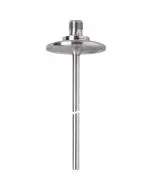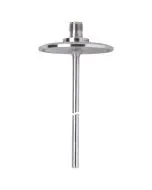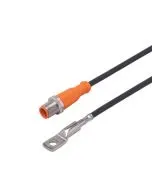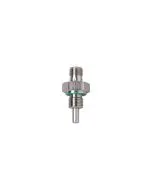

Temperature sensors are crucial devices in modern industry, serving to measure and control temperatures during various production processes to ensure high-quality and consistent products. Precise temperature control not only maintains product quality but also saves energy and reduces production costs.
What is a Temperature Controller?
A Temperature Controller, or temperature measuring tool, is an intelligent device that plays a vital role in modern industry. It acts as the brain processing data from temperature sensors and controlling system operations to achieve desired values. This controller can receive signals from sensors and convert them into digital display readings, allowing operators to monitor and fine-tune temperatures accurately. The operation of Temperature Controllers is complex yet highly efficient, capable of processing analog signals from temperature detection sensors and sending control commands to various system devices such as Heaters, Solid State Relays, Motors, Valves, or Pumps based on predefined conditions. Control can be performed in multiple modes, including ON-OFF Control and PID Control, to suit the needs of different industries. Additionally, it can connect with PLC systems via Communication RS485 from various brands such as Mitsubishi, Omron, Xinje, and Haiwell, enabling further data processing. This equipment is widely used across numerous industries, from plastic manufacturing and food industry to packaging systems, due to its precise temperature control capabilities and high operational stability.

What are the benefits of having a temperature control system?
Modern industrial production processes are highly sensitive to changes in temperature. Even slight deviations can have serious impacts on product quality and manufacturing efficiency. For this reason, temperature control systems are absolutely essential. These systems manage both heating (Heat Control) and cooling (Cool Control) to maintain a constant temperature as specified, regardless of external environmental changes. An efficient temperature control system is therefore crucial for maintaining the stability of production processes and ensuring consistent product quality.
Examples of Temperature Sensor Usage in Various Industries

In the era of continuous industrial development, temperature sensors have become an essential tool for controlling and monitoring production processes to maintain product quality standards. Currently, temperature sensors are applied across various industries, each with its own unique requirements and limitations.
Packaging Industry
Temperature Control in the packaging industry is crucial in several processes, including sealant systems, adhesive applicators, hot melt glue dispensers, shrink film sealers, and automatic labeling machines. Precise temperature control not only ensures high-quality products but also prevents damage from improper temperatures, as well as saves energy and reduces production costs.
Plastic Industry
In the plastic industry, temperature control is essential throughout all stages of production, from drying plastic pellets with a Hopper Dryer to molding and extruding equipment, and even cooling with Chillers. Using temperature sensors helps accurately monitor and control critical temperatures, resulting in consistent quality products and reduced waste during manufacturing.
Food & Beverage Industry
In the food and beverage industry, temperature control is vital for both product quality and safety. Processes such as fermentation, mixing, sterilization, and baking require precise temperature control to ensure consistent quality products and most importantly, to guarantee food safety according to international standards.
Healthcare Industry
Temperature control in the healthcare industry is crucial for product safety and efficiency. Temperature sensors are used in various equipment such as sterilizers, incubators, cooling systems, and testing rooms. Precise temperature control ensures the accuracy of test results and the safety of medical products.

Heat Treatment
In the structural steel manufacturing industry, temperature control is critical for the quality of final products as it directly affects the bonding between steel and carbon, impacting the strength of the structure. Using temperature sensors in furnaces, melting ovens, ceramic kilns, and heat transfer systems helps to precisely control production processes to achieve desired product properties.
Electronics Industry
The electronics industry is another sector that requires strict temperature control as it directly impacts the physical properties of electronic devices. Controlling appropriate temperature and humidity during manufacturing helps prevent potential damage to sensitive equipment, extending product lifespan.
What are the types of temperature sensors
Temperature sensors used in industry can be divided into three main types based on their working principle, namely Electro-mechanical, Resistive, and Electronic. Each type has different characteristics and applications as follows:
Thermostat
A thermostat is a temperature control switch that works on mechanical principles using two types of metal strips (Bi-metallic) with different expansion rates, such as nickel and copper or tungsten and aluminum. When heated, the metals expand at different rates causing bending, which can be used to control electrical switches. Thermostats are commonly used in general heating systems like steam boilers, furnaces, and car cooling systems. Although they may not be very accurate, their simplicity and durability make them popular for basic applications.
Thermistor
A thermistor is a special electrical resistor that changes its resistance value according to temperature, made from ceramic materials such as nickel, manganese, or cobalt. There are both NTC types where resistance decreases with increasing temperature and PTC types where resistance increases with temperature. The main advantage of thermistors is their fast response and high accuracy, although they may be more fragile than thermostats. Due to better performance, they are commonly used in applications requiring high precision.
Thermocouple
A thermocouple is the most popular temperature sensor in industry due to its simple design, ease of use, and quick response to temperature changes. Additionally, it can measure a wide range of temperatures from -200°C to over 2,000°C, making it suitable for various applications ranging from cooling systems to high-temperature metal furnaces.

Consult SCMA for Temperature Sensor System Installation Today!
SCMA is an expert in industrial temperature control systems, offering consultation and installation services tailored to your business needs. With a team of experienced engineers, we are ready to elevate your production processes with modern and efficient temperature control technology.
Contact SCMA today for consultations and to purchase the right temperature detection equipment for your business. We are happy to provide advice and present solutions that truly meet your needs.
Summary
Temperature sensors are crucial in modern industries, offering precise temperature control which enhances production efficiency, maintains product quality, and reduces costs. Selecting the right sensor and installing an efficient system is a key factor in developing your business sustainably.
Contact SCMA today for consultations andpurchasethe right temperature control system for your business. We have experience serving customers across various industries, and ourafter-sales serviceis ready to elevate your production standards to international levels.
Frequently Asked Questions
How many types of Temperature Sensors are there?
There are three main types of Temperature Sensors: thermistors, thermocouples, and resistive temperature detectors (RTDs). Each type has different characteristics and applications.
What is the function of a water temperature detector?
It measures and controls the temperature of water in various systems such as cooling systems, heating systems, or production processes that use water.
What is the function of a Fuel Temperature Sensor?
Its role is to measure the fuel temperature in the engine system so that the engine control system can adjust its operation according to different operating conditions.
How many types of Thermistors are there?
There are two main types of thermistors: NTC (Negative Temperature Coefficient) and PTC (Positive Temperature Coefficient). Each type has different resistance-temperature characteristics.