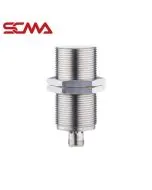
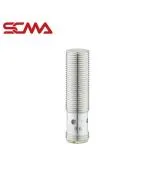
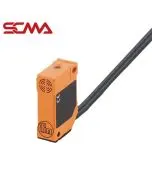
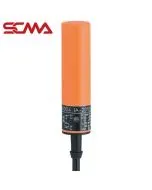
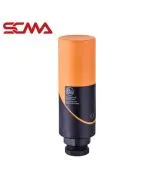
Proximity Sensor is a crucial device in the development of automated systems in modern industry. With its ability to detect objects without contact, it can be applied in various forms of work, from counting parts, controlling movement, to production line safety systems.
What is a Proximity Sensor?

A Proximity Sensor is a type of sensor designed for use in detecting metal objects, which can detect objects at a specified distance without physical contact (Non-contact Detection). This device has been developed to replace traditional limit switches that rely on physical touch.
Proximity Sensors are more durable and have longer lifespans than their counterparts. With these outstanding features, they are widely popular in industries related to metalworking and automotive parts due to their ability to work efficiently in various environments.
How Does a Proximity Sensor Work?
A proximity sensor works by converting the detection of an object into an electrical signal, changing its status to ON as soon as an object enters the detection range. Each type has different mechanisms for operation.
Capacitive Sensor
Works by measuring changes in capacitance between the sensor and the target object, where capacitance varies with distance and size of the object, allowing detection of both metallic and non-metallic materials.
Inductive Sensor
Relies on electromagnetic induction principles by creating an alternating magnetic field around the sensor. When a metal object comes close, it induces a current flow that changes resistance values which the sensor detects.
Magnetic Switch
Has a simple structure and uses magnetism to open or close the switch. When an object with magnetic properties approaches, it triggers the switch to send out signals.
A key advantage of proximity sensors is that they are not affected by the color or surface characteristics of objects since their operation relies solely on physical properties and movement of the object, providing high accuracy and stability in use.

How many types of proximity sensors are there, and what should be considered when choosing one?
What are Proximity Sensors? They can be divided into four main categories, each with specific characteristics suitable for different applications as follows:
Capacitive Proximity Sensor
This type of sensor works based on the principle of changing electrical capacitance, similar to an electric capacitor. It is suitable for detecting non-metallic materials and close-range applications.
Considerations when selecting
- Sensor structure (Barrel or Block type)
- Output format (NPN/PNP and NO/NC)
- Suitable detection range
- IP Rating level of protection
- Response speed
Limitations
- Affected by the environment and interference signals
- Must be careful to install away from other sources of interference
Inductive Proximity Sensor
Works based on the principle of electromagnetic induction, detecting metal in close proximity.
Structure and Operation
- Consists of an iron core and coil
- Detects changes in induction when metal approaches
- Suitable for hazardous environments
Considerations
- Detection Range
- Frequency of State Change
- Mounting Style (Flush/Non-flush)
- IP Protection Level
Magnetic Proximity Sensor
The magnetic proximity sensor is specifically designed for detecting ferromagnetic materials using a magnetic field.
Special Features
- High Response Speed
- Suitable for High-Speed Movement Detection
- High Accuracy in Detecting Magnetic Materials
Factors to Consider When Selecting
- Position and Sensitivity of the Magnet
- Structure and Mounting
- Operating Frequency
- Environmental Protection Level
Selecting the appropriate proximity sensor for a job requires considering multiple factors, including the characteristics of the material to be detected, environmental conditions, detection range, and required response speed. Proper selection enhances operational efficiency and extends equipment lifespan.

Consult SCMA Today for Proximity Sensor Installation!
Need advice on selecting and installing the right proximity sensors for your work? SCMA is ready to provide consultation with our team of experts. We offer high-quality proximity sensors from leading global brands, along with comprehensive consulting services, design support, and after-sales care.
✓ Product quality warranty
✓ Full after-sales service
✓ Reasonable pricing
Contact SCMA today for a free consultation!
Summary
Proximity sensors are crucial components in industrial automation systems that can detect objects without physical contact. They are primarily categorized into three types based on their usage:
- Capacitive - Suitable for detecting both metallic and non-metallic materials at close range
- Inductive - Ideal for detecting only metal objects, resistant to harsh environments
- Magnetic - Designed specifically for detecting magnetic materials with high response speed
Choosing the right sensor involves considering key factors such as material type, detection range, environmental conditions, and required response time to achieve optimal performance.
Let SCMA elevate your factory's automation systems with the best-suited proximity sensor solutions, along with ongoing support throughout their lifespan.

Frequently Asked Questions
To better understand how proximity sensors work and to choose the right one, we have compiled a list of frequently asked questions with clear answers.
How does a Proximity Sensor Work?
A proximity sensor works by detecting objects within its operating range without direct contact. It then converts the detection into an electrical signal sent to the control system. Each type operates on different principles, such as magnetic fields, sound waves, or changes in capacitance.
What is a Proximity Sensor?
What is a proximity sensor? It's a non-contact detection device designed for use in automation and industrial systems, enhancing production efficiency and work safety. They are durable in various environments and have longer lifespans than general contact switches.
How many types of Proximity Sensors are there?
There are three main types of proximity sensors:
- Inductive type: Suitable for detecting metal objects
- Capacitive type: Detects both metallic and non-metallic materials
- Magnetic type: Suitable for magnetic materials
Which Proximity Sensor is used to detect both metal and non-metal objects?
The appropriate sensor type for detecting both metallic and non-metallic materials:
Capacitive type
-
Can detect a variety of materials
-
Suitable for detecting liquids and insulating materials
-
Accurate at close range
The choice depends on various factors such as detection range, environmental conditions, and required accuracy. Consulting an expert is recommended to select the best type for your application.