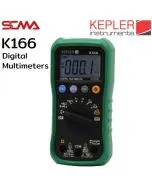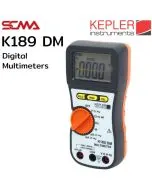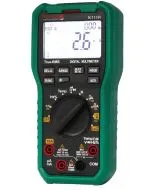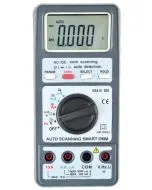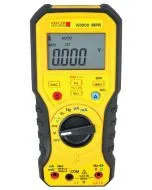

Multimeters are crucial electrical measurement tools forelectricians, engineers, and those working with electrical systems because they can measure various electrical parameters in one device. This makes troubleshooting and resolving electrical issues efficient and safe.
What is a Multimeter?

A digital multimeter is an electronic versatile device used to measure various electrical parameters, including voltage, current, and resistance. This tool displays measurement results on a digital screen, making it easy to read and understand accurately. Digital multimeters have replaced traditional analog meters with advantages in accuracy, reliability, and better impedance management.
A multimeter is an electronic measuring instrument that combines multiple measurement functions into one device. It can measure various electrical properties comprehensively, such as voltage (Voltage), current (Current), or resistance (Resistance). This makes it convenient to use and reduces the need to carry multiple types of measuring tools.
Digital multimeters come in two types: automatic range meters that can adjust their measurement ranges automatically from the lowest measurable value to the highest, and manual range meters where users must select an appropriate range for the amount of electricity being measured. Choosing an inappropriate range may prevent accurate readings or damage the meter. Usage is similar to analog multimeters but offers higher accuracy in measurements.
What Can a Multimeter Measure?
MultimeterMultimeter is an electrical measuring tool that combines multiple measurement capabilities in a single device, making it convenient to use and reducing the need to carry several types of measuring tools. It can measure important basic electrical values as follows:

- Measuredirect current (DC Voltage) to check batteries, electronic devices, and direct current circuits.
- Measurealternating current (AC Voltage) to check single-phase and three-phase electrical systems in industrial plants, homes, and buildings, etc.
- Measure direct current (DC Current).
- Measure alternating current (AC Current).
- Measureelectrical resistance (Resistance) to test the operation of equipment and circuit connections.
- Measure capacitance values for checking capacitor capacities.
- Measure electrical frequency (Frequency) to determine the frequency in Hz.
- Measure diode values, continuity tests, etc.
In addition, some models of multimeters also have special measurement capabilities such as measuring the frequency signal amplification rate (dB), transistor current amplification rate (hFE), transistor leakage current (ICEO), and capacitance values. This makes them very useful tools for repairing and checking electronic equipment.
To extend the lifespan of use and prevent potential damage, users should switch the measurement range selector to the OFF position after each use or set the voltage measurement range higher than the measured voltage. Proper and careful use of a multimeter will help ensure its accuracy and durability over long-term use.
What are the common symbols on a frequently used multimeter?
A multimeter is a measuring tool. Multimeters have important symbols and components. Understanding these symbols and proper usage will help ensure accurate and safe electrical measurements.
- Common symbols on multimeters
- Ω (Ohm): Used to measure resistance in electrical circuits.
- VDC: For measuring direct current voltage.
- VAC: For measuring alternating current voltage.
- Output: Connection point for measuring output signals.
- Test leads and probes
- COM (Common): Used with the black test lead for negative connections.
- Measuring Terminal: Used with the red test lead for positive connections.
- Test leads (Probes)
- Black lead: Used for measuring negative connections.
- Red lead: Used for measuring positive connections.
- They are designed specifically for electrical measurements and have probes at the ends.
- Basic functions
- Ammeter (Amp): For measuring electrical current.
- Ohmmeter (Ohm): For measuring electrical resistance.

What Precautions Should Be Taken When Using Measuring Tools?
Using a multimeter, digital voltage meter, or electrical measuring tools correctly and safely is crucial to prevent potential harm to the user and damage to the equipment. Therefore, it's important to understand and strictly follow these precautions.
- General Precautions for Measuring Tools
- Study the user manual thoroughly before use.
- Understand each component and its function.
- Check the completeness of equipment before use.
- Choose appropriate tools for the type of work.
- Be careful when inserting batteries in the correct polarity.
- Follow usage steps strictly.
- Consider the appropriate measurement range.
- Study methods to address potential malfunctions.
- Record and read data accurately.
- Maintain equipment to ensure readiness for use.
- Specific Precautions for Multimeters
- Study the manual to understand the capabilities of the device.
- Check that the measurement range is appropriate for the task.
- Insert probes correctly (red to positive, black to negative).
- Remove measuring leads before changing the measurement range.
- Do not change function modes while taking measurements.
- Remove measuring leads immediately if readings exceed the scale.
- Remove batteries when not in use for extended periods.
- Calibrate the measuring tool regularly.
- Store in a safe and dry place.
What are the types of multimeters?
Multimeters come in various types, each designed to meet different usage requirements. Here are the main types of multimeters commonly found:
1. Analog Multimeters
This is the original type that uses a needle to indicate measurement values on a scale, suitable for measuring continuously changing values. Although less accurate than digital types, they are still useful in certain applications, especially for observing trends in measured values.
2. Digital Multimeters
The most popular type today, featuring a clear digital display with high accuracy and versatile functions that can measure various parameters such as voltage, current, and resistance comprehensively.
3. Auto-Range Multimeters
They have the ability to automatically select an appropriate measurement range, reducing errors from incorrect range selection and making measurements faster. Suitable for general users and beginners.
4. Clamp Multimeters
Designed specifically for measuring electrical current without interrupting the circuit by clamping around wires to measure current values, ideal for work that requires measuring currents in large cables or high-power systems.
5. Bench Multimeters
High-precision models suitable for use in laboratories or jobs requiring high accuracy, with comprehensive functions but larger size and higher cost than portable types.

Contact SCMA Today for Quality Multimeters!
If you are looking for high-quality and reliable multimeters, SCMA is ready to serve with a team of experienced professionals. We are committed to providing the best service to all our customers with top-notch equipment that meets international standards, along with comprehensive warranties. Additionally, we have a dedicated team available 24/7 to provide consultation and troubleshooting to ensure your system operates efficiently and continuously.
Contact SCMA today for special multimeter offers tailored to meet your needs, includingafter-sales service that pays attention to every detail to ensure the best user experience.
Summary
Multimeters are versatile measuring tools that combine the ability to measure various electrical parameters in one device. They can measure both direct current (DC) and alternating current (AC) voltage, as well as current and resistance, making them convenient for use in checking and analyzing electrical systems.
These tools play a crucial role in testing the operation of electrical equipment, identifying problem areas in circuits, and measuring various values for maintenance. With their accuracy and diverse measurement capabilities, multimeters are essential for electricians, engineers, and anyone working with electrical and electronic systems.
Choose SCMA for quality and reliable multimeters, complete with free consultation! Contact us today to get special offers.
Frequently Asked Questions
When it comes to electrical measuring tools, multimeters are one of the most popular and frequently asked about devices. Below are answers to common questions regarding multimeters.
What can a multimeter measure?
What does a multimeter measure? It can measure several basic electrical parameters such as voltage, direct current (DC), alternating current (AC), resistance, and circuit continuity. In advanced models, it can also measure capacitance, frequency, and temperature.
What is a multimeter?
A multimeter is a versatile measuring tool that combines the ability to measure multiple electrical parameter types in one device. This makes it convenient for use and saves space when storing. The term "multi" means "many," and "meter" refers to "measuring instrument."
What are the uses of a multimeter?
Multimeters are useful in various types of work, from checking single-phase and three-phase electrical systems within industrial plants, homes, repairing electronic equipment, installing electrical systems, to testing and analyzing circuits in industrial applications. They are suitable for electricians, engineers, and anyone working with electrical systems.
What can a digital multimeter measure?
Digital multimeters have more measurement capabilities than analog ones. They can measure the following:
- DC and AC voltage
- DC and AC current
- Electrical resistance
- Circuit continuity
- Capacitance of capacitors
- Frequency of signals
- Temperature (in some models)
- Diode and transistor testing