Are problems such as pump burnout due to dry water or damage from overflowing tanks affecting your production line? Installing an efficient water level control system is the definitive solution to prevent these issues. The SCMA engineering team is ready to provide consultation and full-service design for Level Controller & Sensor systems. This article will take you through all important details to help you make the most cost-effective equipment selection.
What is a Water Level Controller?
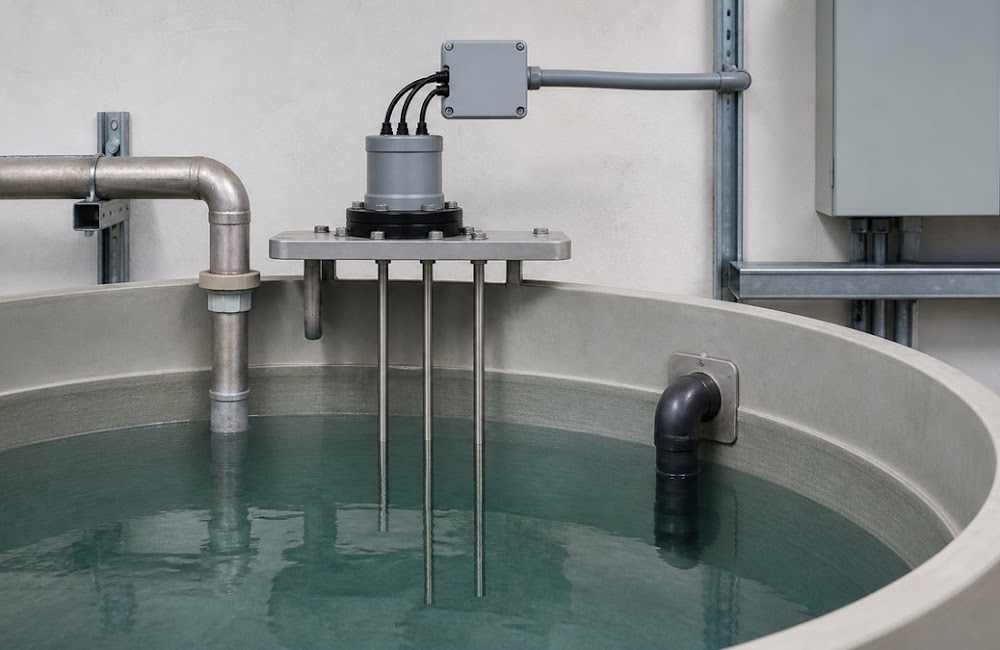
A water level controller (Level Controller & Sensor) is an electronic device that measures the volume of liquid inside tanks or closed containers. This equipment works by processing data and sending electrical signals to control valves, opening or closing them to maintain desired water levels. The system accurately prevents issues such as overflow and dry conditions in industrial systems (further technical information on water level controllers can be found from international sources).
How a Water Level Controller Works
This automatic system operates by using liquid level sensors to provide data that controls the motor at the end. Based on SCMA's engineering team experience, we will explain how each main measuring tool works.
Principle of Operation for Float Switch (Float Type)
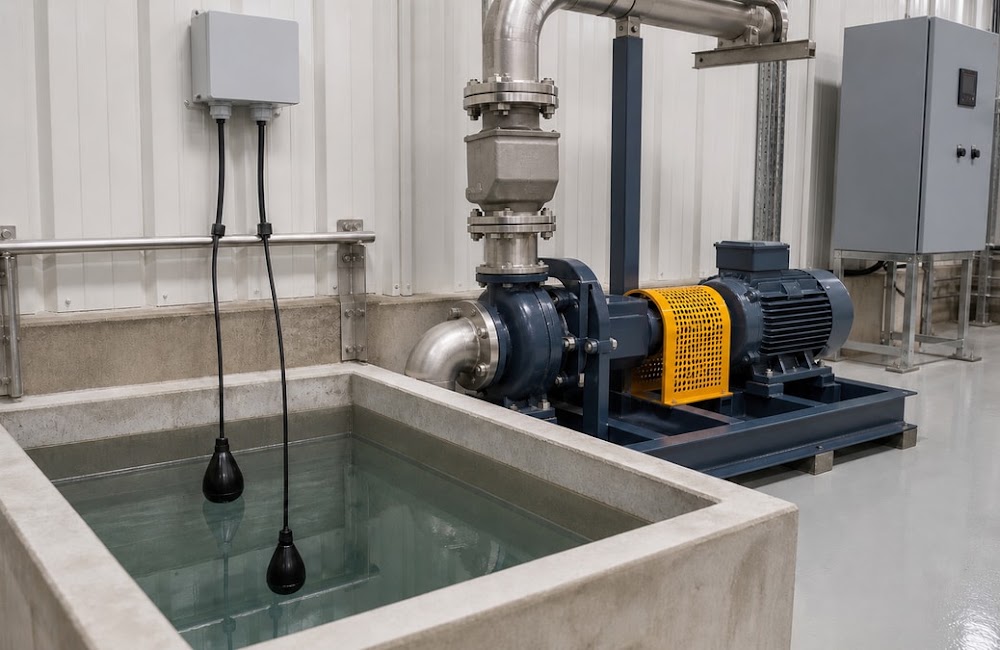
The structure of a float switch contains a magnet hidden inside. When the liquid level changes, the float moves up and down with the buoyancy force of water. As the magnet moves to align with the magnetic reed switch (Reed Switch), it closes or opens the circuit to start or stop the pump immediately.
Principle of Operation for Electronic Level Control Switch (Floatless Level Switch)
This type of equipment uses electrodes immersed in liquid at desired depths. It relies on the basic scientific principle that pure water conducts electricity. When the water level touches each electrode, an electric current flows through the circuit to the controller to operate according to the program.
Principle of Operation for Other Types of Level Sensors
In addition to general float switches, modern factories prefer ultrasonic or radar wave sensors for measuring distance. The equipment works by emitting sound waves that bounce off the water surface and process the reflection time to calculate height. This type of level measurement & control system has the advantage of not requiring direct contact with liquids.
How many types of water level controllers are there?
Currently, there are numerous technologies for measuring levels that can be selected based on the suitability of the environment. The team has categorized the main types of water level controllers to help users make the right purchase.
Cable Float Switch
This type of equipment is the easiest to use, suitable for controlling liquid volume in general water tanks or treatment ponds. The housing floats up and down with the fluid level to activate an internal mechanism that switches electrical circuits. The external structure is made from materials that are resistant to prolonged immersion.
Side Mounted Float Switch
This tool is designed for installation on the side of horizontally mounted liquid storage tanks, providing a perfect solution for factory areas with height limitations above water tanks. Engineers can connect signals to a Level Control Relay system seamlessly.
Submersible Level Sensor
This sensor works by submerging a pressure head into the water to calculate depth based on fluid pressure, making it suitable for use in deep wells, lakes, or natural water sources. The unit is corrosion-resistant according to international standards.
Ultrasonic Level Transmitter
This technology processes distance by emitting high-frequency sound waves onto the surface of the liquid to determine height without contact. It is ideal for use in food, chemical industries, or wastewater treatment ponds that require cleanliness. This type of Level Sensor/Switch/Controller provides excellent contamination prevention.
Rotary Paddle Controller
The principle behind this tool is designed to control the height of powdered or solid materials in silos primarily. In some series, manufacturers have developed it for use in controlling highly viscous liquids as well. Its operation relies on the rotation of a paddle to detect resistance from the material.
Maintenance of Water Level Controllers
Following engineering standards for maintaining level controller/sensor equipment can extend their lifespan. Adhering to the guidelines below will effectively prevent damage in water pumping systems.
Clean Float and Sensor
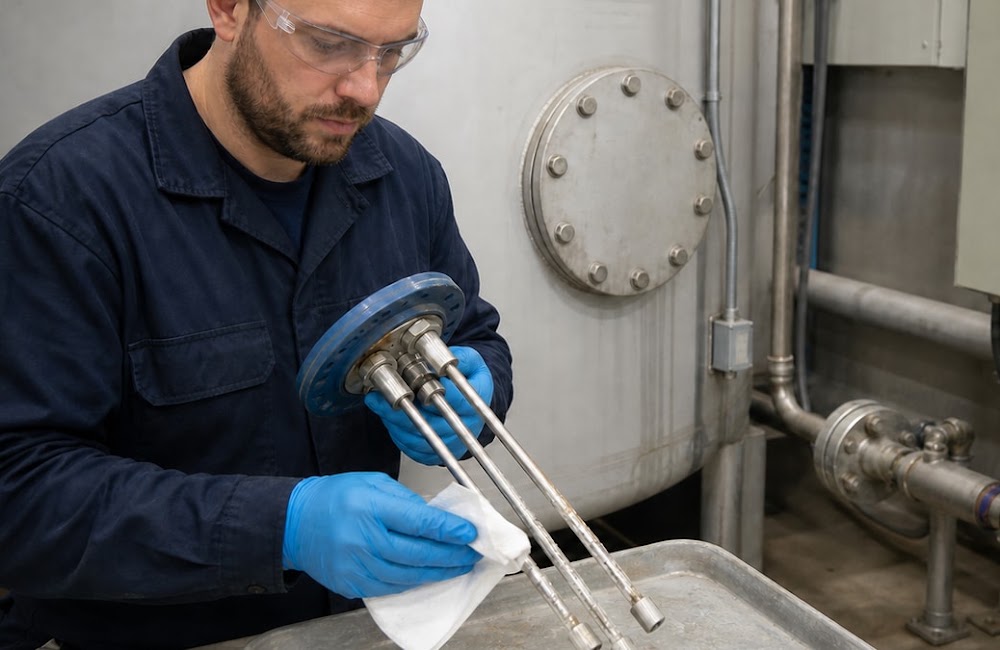
The maintenance team should inspect the condition of the equipment and clean any scale, algae, or dirt buildup around the float at least once a month. Removing these contaminants prevents issues with the SCMA electric float switch getting stuck and sending incorrect commands.
Check Electrical Wires and Insulation
The system operator must regularly inspect the insulation of control equipment wiring thoroughly, observing for any cracks, rodent damage, or abrasions on cables. Checking this point prevents electrical leakage hazards as well as short circuits.
Consistently Test System Functionality
Tech personnel should manually lift or press the float up and down while in test mode to observe the switching of the SCMA Control Relay inside the control cabinet. This testing confirms that the measuring device functions correctly with the water pump.
Check Terminal Contacts
The electrical connection points within the control cabinet must be kept dry and free from moisture accumulation. The operator should always tighten terminal screws to prevent arc (spark) issues. Maintaining this area reduces the risk of relay contacts burning due to heat.
Prevent Humidity and Water Ingress in Control Cabinet
The control cabinet or system enclosure must be installed in a dry, safe location protected from rain. Sealing the cabinet tightly with standard waterproof gaskets will prevent electronic circuit boards from damage due to water ingress.
Water Level Control Equipment Usage in Industry
Water level monitoring devices are crucial for protecting manufacturing processes in large-scale industries. Leading measurement tool brands apply these systems to maintain product quality as follows:
Control of Pump and Automatic Valve Operations
Industrial systems use float switches to automatically turn on or off water pumps or liquid transfer valves. Using sensors helps prevent overflow issues that can cause damage to storage tanks. The electric float system also completely prevents motor dry running (Dry Run).
Usage in the Food and Beverage Industry
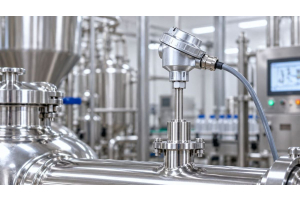
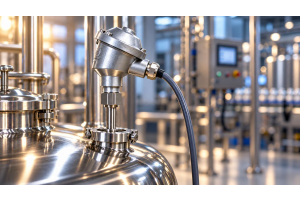
The food production process requires strict control of ingredient quantities in mixing tanks (Mixing Tank). Using Level Sensor/Switch/Controller made from stainless steel that meets food-grade standards helps maintain cleanliness and safety. The equipment must be able to withstand high-pressure cleaning.
Wastewater Treatment Management
The wastewater treatment system of a factory needs measuring devices to monitor the amount of water in settling tanks. Sensors are responsible for ordering the removal of waste according to scheduled intervals. Accurate operation helps manage effluent discharge in compliance with environmental regulations smoothly.
Application in Chemical and Pharmaceutical Industries
The measurement of liquid levels that are acidic, alkaline, or chemical requires special durable equipment. Engineers must use level sensors made from advanced engineering plastics. Choosing corrosion-resistant equipment enhances safety in high-end production lines.
Benefits of Water Level Controllers
Moving from a manual system to using a Water Level Controller clearly enhances production capacity. These devices remarkably boost the safety level in industrial plants.
Automation Functionality
The sensor automatically controls the on/off operation of water pumps based on pre-programmed water levels, reducing employee workload by eliminating the need to constantly monitor. This automated system addresses long-term productivity increases effectively.
Motor Pump Protection from Damage
Dry running conditions can cause significant damage to pump motors due to lack of coolant fluid. Water Level Controllers immediately shut down when liquid levels drop below dangerous thresholds, extending the lifespan of pumps in a cost-effective manner.
Energy and Water Conservation
The control equipment manages water usage efficiently according to production needs, preventing continuous overuse by water pumps. Relay installation results in reduced monthly electricity costs.
Flood Prevention and Overflow Control
The sensor system responds quickly to changes in water levels, immediately commanding valves to stop fluid flow when critical height thresholds are reached. Precise control prevents property damage from flooding work areas.
How to Choose a Water Level Controller
Selecting the appropriate Level Control Relay from manufacturers for your specific application requires referencing engineering data. From our case studies, checking specifications against the checklist below will help you obtain the most stable equipment.
- Analyze the type of liquid: Clearly determine whether it is tap water, chemicals, or waste to select a Level Controller & Sensor material that matches.
- Temperature and pressure: The environment inside closed tanks affects longevity; choose sensors capable of handling accumulated pressure.
- Cable length: Measure the distance from where the float is lowered to the control panel accurately to avoid mid-route wiring connections.
- Electrical system: Ensure that the equipment supports plant voltage and has an IP68 standard for water immersion protection.
The Importance of Professional Installation
While some float switches may appear easy to install, in the context of large factories, having a professional engineer manage Level Measurement & Control systems protects your investment. The benefits of hiring a professional team include:
- Engineering design: Engineers can calculate installation positions for Floatless Level Switches to avoid interference from water ripples.
- Highest electrical safety: Licensed technicians reduce risks associated with incorrect Control Relay SCMA wiring.
- PLC system integration: Experts can connect level measurement signals to the central plant display perfectly.
- Aftersales service: Receive peace of mind from installation warranty and scheduled system checks.
Summary
The water level controller plays a crucial role in protecting machinery while maintaining liquid levels consistently in the industrial sector. Investing in high-quality equipment helps reduce production line disruptions practically. If your organization is looking to enhance safety, you can immediately contact SCMA's project and solution team for comprehensive services.
If you want to buy water level controllers, SCMA is available today!
SCMA is a technical partner ready to provide precise and reliable automatic system solutions on an international scale. We select high-quality technologies to meet the needs of every industry sector. Operators can visit the All Products page to find suitable products or contact experts for in-depth consultations at the main website SCMA.
Frequently Asked Questions
Do water level controllers really save electricity?
Absolutely. Using a Level Control Relay will command the pump to operate only when the water level drops below the set point, reducing unnecessary motor operation.
What is the lifespan of a float switch?
The average lifespan of an electric float switch from SCMA is 3-5 years, depending on the corrosive conditions of the liquid and regular maintenance cleaning.
Are electronic control switches safe from electrical shock?
They are completely safe. Floatless Level Switches use very low voltage (Low Voltage) to transmit current through water for level sensing.
Which sensor should be used in a tank with chemical additives?
Based on our engineering team's experience, we recommend using ultrasonic sensors that do not come into contact with the liquid or selecting float switches made from 316L stainless steel which is resistant to acids and alkalis.
Can water level controllers be installed by oneself?
For small residential sumps, it can be done according to the manual. For industrial systems, professional technician services should be used to prevent electrical errors.