Water heaters or Immersion Heaters from SCMA are heating devices used to heat or warm water and other liquids to the desired temperature, whether for industrial use or general purposes. With high-quality water heaters from the SANGI brand and comprehensive services from SCMA, you can be confident in their efficiency and value. We therefore recommend getting to know more about "Water Heaters" or Immersion Heaters.
What is a Water Heater?
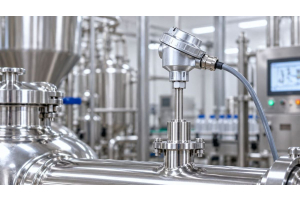
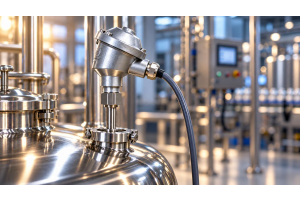
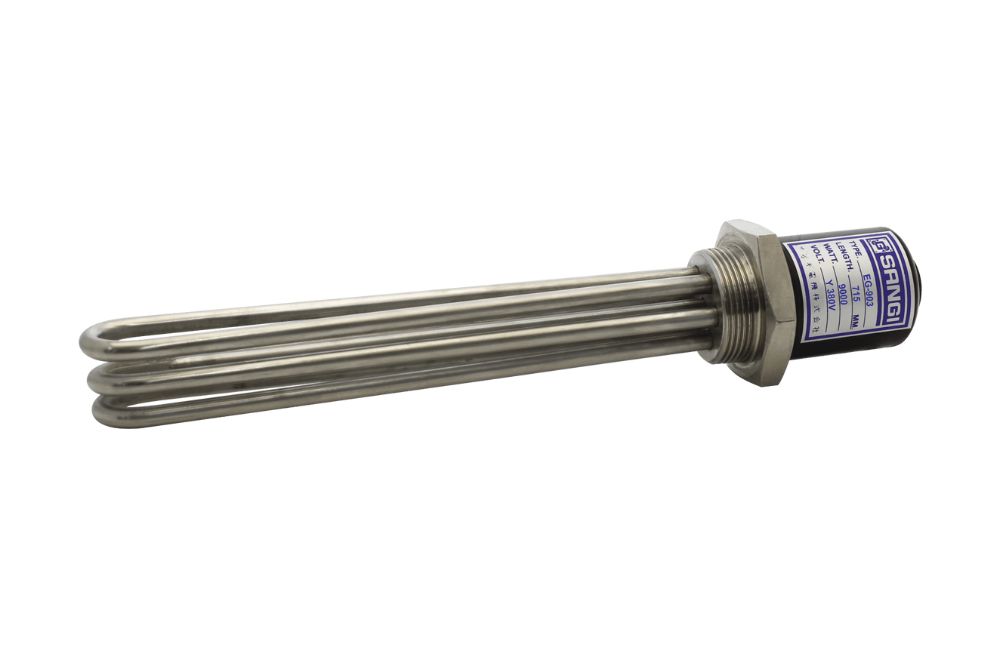
Water Heaters (Immersion Heaters) are submerged heating devices commonly used to heat or warm various liquids such as water, oil, and chemicals. Water heaters consist of a cylindrical tube containing coiled heating elements inside. When electrical current passes through the coils, heat is generated and transferred to the surrounding liquid, raising its temperature to the desired level.
How does a Water Heater Work?
The principle of operation for water heaters is that when electrical current flows through the heating element (Heating Element) inside the stainless steel tube of the water heater, it generates heat. This heat is transferred to the tube wall and then radiated to the surrounding liquid around the submerged water heater, raising its temperature evenly. The temperature can be controlled with temperature-controlled heaters such as thermostats.
What are the components of a water heater?
The main structure of a water heater includes:
- Tube (Sheath) - Typically made of stainless steel such as SUS304, SUS316 or Incoloy with corrosion resistance, selected based on the type of fluid
- Heating Element - Made from high-resistance metal such as Nichrome, which is a key component in creating heating elements
- Electrical Insulation - Prevents electrical leakage and typically uses magnesium oxide powder (MgO)
- Electrical Terminal - For connecting to the power source, made from brass, copper or stainless steel
- Thread - Used for installing water heaters into tanks or containers, with sizes ranging from 1 to 2.5 inches
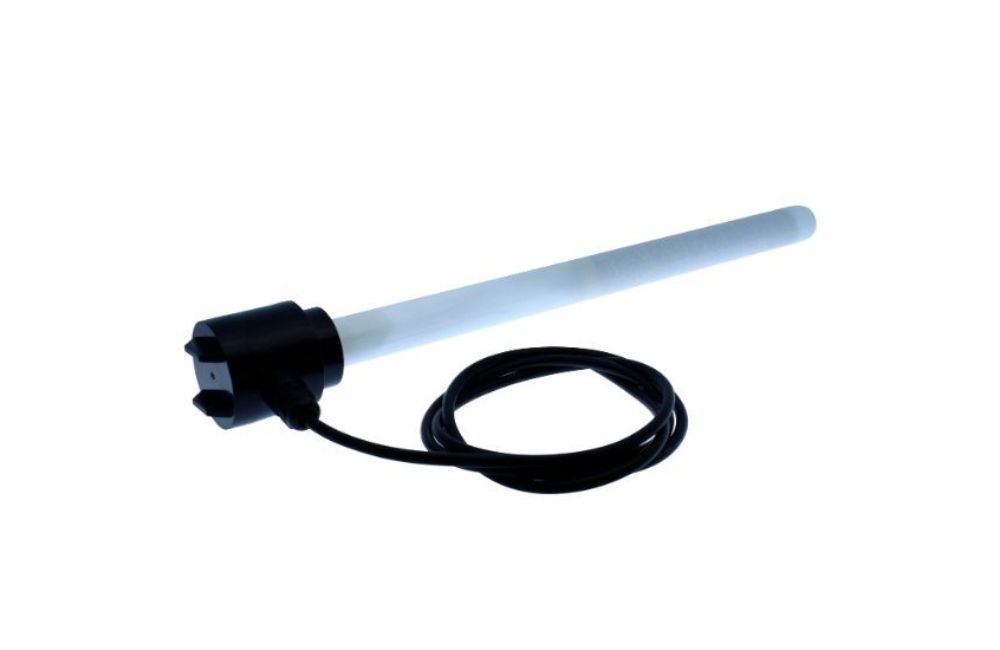
Additionally, some models of water heaters may have built-in temperature control devices such as a thermostat to help regulate the heating element's operation and maintain desired temperatures.
How to Change a Water Heater Element Terminal
Replacing the water heater element terminal is usually done at the electrical junction box and can be carried out according to the following steps:
- Turn off the power and check that there is no electricity in the circuit
- Loosen screws and open the electrical junction box of the water heater element
- Disconnect the wire connections, remove the wire ends from the old terminals
- Connect the wires to new terminals as required (e.g., L1, L2, L3 for a three-phase water heater)
- Tighten the wire connections securely and close the junction box properly
- Check the wiring again before activating the water heater element
If you have any doubts or lack confidence, it is advisable to let an electrician or professional handle the task for safety and optimal performance of the water heater.
What are the benefits of installing a water heater?
Installing a water heater offers several advantages, such as:
- Easy installation - simply screw the water heater into the tank or pipe and connect it to the power source.
- Convenient maintenance - easy to replace a faulty or expired water heater.
- Direct heating of the liquid, without passing through the tank wall, thus saving energy.
- Selecting a water heater that suits your needs in terms of material, size, and power rating.
- Minimal installation space required, not obstructing tank operation or maintenance.
- Suitable for tanks and containers of all shapes and sizes.
Additionally, it is recommended to use a temperature control device with the water heater to help accurately regulate the liquid's temperature as well.
Interested in Water Boilers? You Can Buy from SCMA Today!
If you are looking forWater Boilers for both industrial and general use, SCMA is the best solution. We offer a wide range of water boilers to cover all your needs, along with professional advice on selecting and installing them correctly. Our close after-sales service ensures you can trust in top-notch quality and services from SCMA Contact us today through phone, email, or website. We are happy to provide full consultation and service regarding water boilers.
H2: Summary
Water Boilers or Immersion Heaters are highly efficient submerged heating devices suitable for various applications, durable, easy to install and maintain. They are ideal for all liquid heating requirements. If you're looking for reliable high-quality water boilers with comprehensive service, SCMA is your best choice. Choose SCMA's water boilers for optimal performance, value, and longevity.
Frequently Asked Questions
How many types of heaters are there?
Heaters, or heat exchangers, can be categorized into several types based on their usage. The commonly used industrial heaters include:
- Immersion Heater - This type is submerged in liquids to provide direct heating.
- Tubular Heater - Installed externally on tanks or containers for heating purposes.
- Stripe Heater - Mounted on the surface of a container to distribute heat evenly.
- Band Heater - Features a ring shape that wraps around pipes or containers.
Each type has its own advantages and disadvantages, so it's important to choose the one that best suits your specific application, heating material, and environmental conditions in the installation area.
What is an immersion heater?
An immersion heater or Immersion Heater is a direct water-heating device that is submerged into water or liquid to heat it up. It consists of stainless steel tubing with insulated heating coils inside. When electrical current passes through the coil, heat generation occurs and transfers to the surrounding water, causing it to warm up. This type of heater is commonly used in industries requiring boiling or warming liquids to high temperatures.
How do heaters work?
The operation principle of all types of heaters is that when an electric current flows through a resistor coil or element, it converts electrical energy into thermal energy, generating heat. This heat can be utilized to warm objects, air, or liquids depending on the heater installation type, such as:
- Immersion heaters directly heat liquids
- Tube or plate heaters warm the surface of equipment and then transfer heat to objects or liquids inside
- Blower heaters heat air and convey the heat to targeted objects or areas
The amount of heat generated depends on the power used, the type of heating coil, and the heater design.
What is a Hot Oil Heater?
A hot oil heater (Hot Oil Heater) is a heating device used in hot oil systems, which are thermal transfer systems that use hot oil as the medium. The principle is that the heater raises the temperature of the oil, then the heated oil circulates through piping to heat exchangers and transfers heat to production processes such as drying, warming, or curing.
Hot oil heaters can be electric or use waste heat from gas or fuel oil. The heater's role is to increase the temperature of the oil to a specified level so that the hot oil system operates efficiently and matches the required process temperatures, commonly used in various industries such as petrochemicals, food, textiles, and plastics.