
Vortex Flow Meters are becoming popular in various industries, but did you know that this technology can measure liquids, gases, and steam all with a single device? This article will introduce you to the Vortex flow meter in detail, from what Vortex technology is, how vortex flow meters work, to proper installation of flow meters so that you can choose the right one for your needs and make an investment worth it.
What is a Vortex Flow Meter?
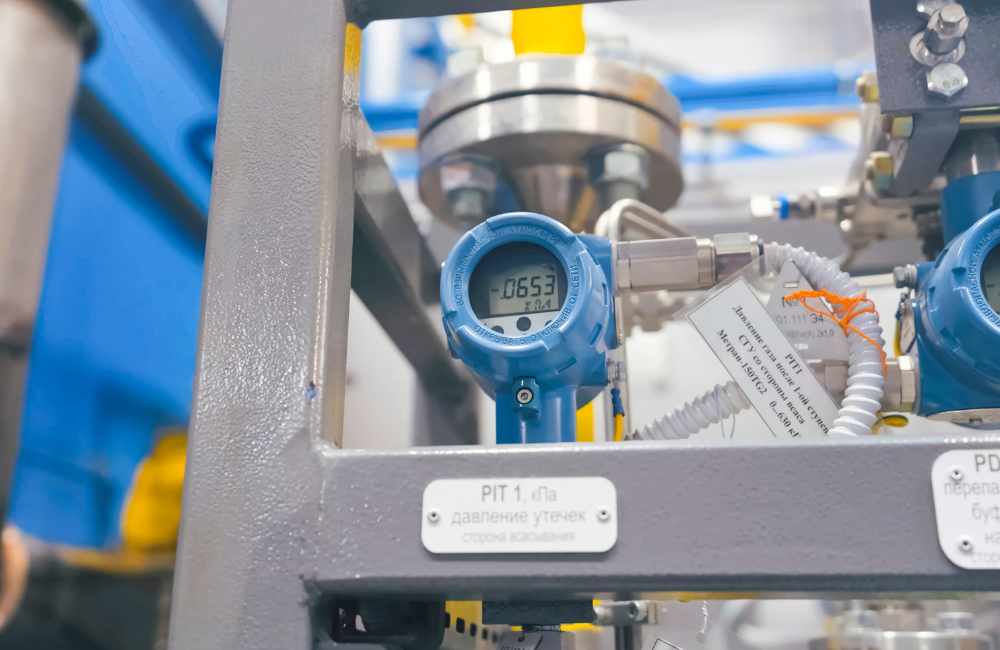
SCMA Vortex Flow Meters are vortex flow meters that can measure flow in all phases, including liquids, gases, and steam. With a technology that has no moving parts, it offers high reliability and requires minimal maintenance. A vortex is the phenomenon of swirling flow that occurs when fluid encounters an obstruction. This flow meter takes advantage of vortices to accurately measure flow rates. Installing this type of flow meter is easy and convenient, suitable for use in various environments.
How does a Vortex Flow Meter work?
Vortex flow meters operate on the principle known as the "Kármán Effect." It uses fluid flow through an obstruction to create new patterns of flow and measures these new patterns using frequency sensors.
Vortex flow meters work by placing a bluff body in the center of the pipe. When fluid flows through, it creates alternating left-right vortices behind the body, known as Kármán Vortex Street. The frequency of these vortices varies with flow speed; higher speeds result in higher frequencies. This flow meter uses sensors to detect frequency and convert it into accurate flow rate measurements. Proper installation requires considering straight pipe lengths before and after the meter for consistent flow.
What are the Features of a Vortex Flow Meter?
Vortex Flow Meters have prominent features that make them suitable for use in various industries. These flow meters cover most usage requirements with key features including:
- Measurement Range - For water: 0.3-10 m/s, for steam and gas: 2-80 m/s, covering most industrial applications.
- Pipe Size - Supports from 0.5"-12", suitable for installing flow meters in small to large pipe systems.
- Accuracy - ±0.75-2% of flow rate, providing high accuracy for process control.
- Output Signal - Standard industrial 4-20 mA DC, easily connects to control systems.
- Maximum Temperature - 240°C, suitable for hot liquids and steam. Vortex meters are highly heat-resistant.
- Degree of Protection - IP67, fully protects against dust and water, suitable for outdoor environments.
- Structural Material - Stainless Steel 316L, highly corrosion-resistant, ideal for vortex flow meters in chemical industries.
- Special Functions - Pressure Compensation (1-100 Bar), enhancing the accuracy of the flow meter's operation.
What are the components of a Vortex Flow Meter?
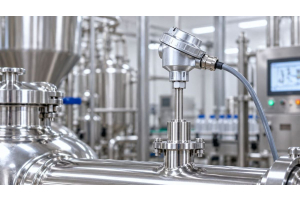
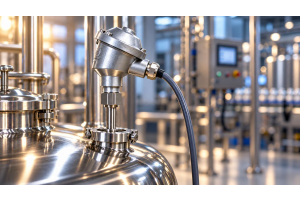
The structure of a Vortex Flow Meter consists of two main components that work together to measure flow rate. The vortex system relies on the interaction of these components, and a vortex flow meter has the following components:
Shedding Element
The Shedding Element is a specially shaped metal bar installed across the pipe's flow. When fluid encounters this bar, it causes the flow to split and create vortices behind it. Vortexes are consistent and have a constant frequency according to the flow speed. The design of the Shedding Element affects the performance of the vortex flow meter by creating clear and consistent vortices. Proper installation of the Flow Meter requires ensuring that this bar is in the correct position for optimal performance.
Sensor
The Sensor detects the frequency of the vortices generated. Various types of sensors are used in Vortex Flow Meters, such as Thermistor, Piezoelectric Crystal, and Ultrasonic, each with its own advantages. The sensor converts detected frequencies into electrical signals sent to the processing unit for flow rate calculation. The sensitivity of the sensor affects the accuracy of the vortex flow meter. Choosing an appropriate sensor depends on the type of fluid and environmental conditions, ensuring that the Flow Meter operates efficiently when the sensor functions fully.
Vortex Flow Meter is Suitable for Which Types of Industries?
Vortex Flow Meters are successfully installed in various industries and applications due to their ability to measure liquids, gases, and steam, as well as high durability and accuracy.
Vortex flow meters are popular across different industries because Vortex technology is reliable and easy to use. Installing this type of Flow Meter is not complicated, and the meter operates stably, making it suitable for the following industries:
- Power Plants - Used to measure steam flow in electricity generation processes and cooling systems.
- Boiler Rooms - Monitor steam and feedwater quantities to control combustion efficiency.
- Chemical Plants - Measure the flow of chemicals and gases in production processes.
- HVAC Systems - Control water and air flow rates in air conditioning systems.
- Food and Beverage - Measure raw material and product quantities on production lines.
- Pharmaceutical Industry - Control the flow of solutions and clean steam in drug manufacturing processes.
- Marine Transport - Measure fuel and cooling system flows on ships.
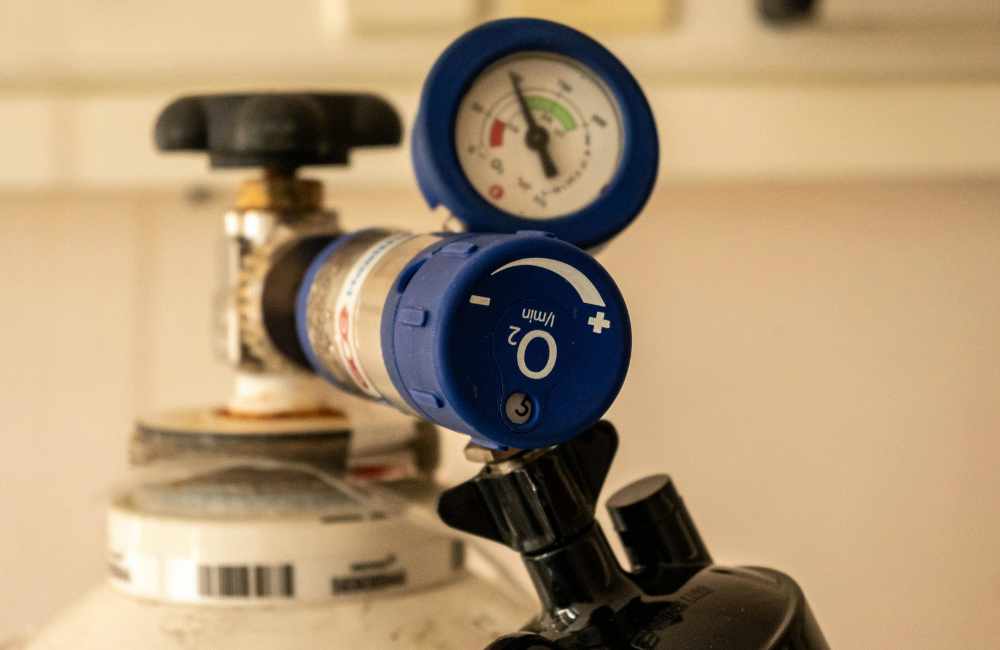
Applications of Vortex Flow Meter in Industrial Plants
Using a Vortex Flow Meter in the industrial sector is diverse and covers all production processes that require flow measurement. The vortex flow meter can be applied from basic water systems to complex manufacturing processes, with its stable and accurate working principle making it an appropriate choice for many industries. Installing this type of flow meter helps increase production efficiency and reduce costs, with primary applications as follows:
- Water Management Systems - Use Vortex Flow Meter to measure the flow of raw water, potable water, and wastewater. This helps in efficiently managing water resources, providing accurate data for controlling water volume.
- Chemical and Petrochemical Industries - Measure the flow of chemicals, gases, and various vapors. Vortex meters are highly corrosion-resistant, with their working principle not requiring direct contact with fluids, thus extending their lifespan.
- Energy Industry - Install flow meters in power plants to measure steam, natural gas, and cooling water. Vortex flow meters help control the efficiency of electricity production.
- HVAC Systems - Measure the flow rate of chilled water in chiller systems and air in ventilation systems. Vortex Flow Meter helps make the system energy-efficient.
Benefits of Using Vortex Flow Meter in Industrial Plants
Vortex Flow Meters bring numerous benefits to industrial plants. With modern technology and robust design, vortex flow meters are a worthwhile investment as they truly enhance production efficiency. The key advantages include:
- High Accuracy - Vortex Flow Meters offer high measurement accuracy up to ±0.75%, making them suitable for processes requiring precise control.
- No Moving Parts - Vortex flow meters have no moving parts, which prevents wear and tear, reduces maintenance costs, and extends the lifespan of the meter. Once installed, a vortex flow meter can be used for several years.
- Multi-Functionality - Vortex meters can measure both liquids, gases, and steam, reducing the need for multiple types of flow meters. This saves space and costs.
- Durable in Various Environments - With a stainless steel structure and IP67 protection level, vortex flow meters are highly resistant to weather conditions and chemicals.
Highlights of Vortex Flow Meter
The Vortex Flow Meter stands out from other flow meter types due to its ability to measure fluids with high temperature and pressure, as well as corrosive fluids.
Vortex flow meters are designed to meet a wide range of applications. The technology is suitable for various working conditions, featuring stable operation and easy installation, making it stand out in the following ways:
- Excellent measurement of saturated steam - The Vortex Flow Meter is particularly suitable for measuring saturated steam used in boiler systems and production processes, providing high accuracy even under humid conditions.
- Measures gas at all pressure levels - The vortex flow meter can measure gas in both low and high-pressure conditions, covering from 1-100 Bar. Its operation is unaffected by changes in pressure.
- High temperature resistant - Vortex flow meters can withstand temperatures up to 240°C, suitable for measuring hot liquids, hot oil, and high-temperature steam. Installation in high-heat systems is safe.
- Corrosion resistant - With 316L Stainless Steel material, the vortex flow meter can be used with corrosive gases and liquids, suitable for chemical and petrochemical industries.
How to Select the Right Vortex Flow Meter!
Selecting the right vortex flow meter is a crucial factor in achieving accurate measurements and justifying your investment. Several factors must be considered to ensure that the vortex flow meter operates at maximum efficiency, as vortex technology needs to match the application.
- Consider the type of fluid - Determine whether you need to measure liquid, gas, or steam and select a vortex flow meter with an appropriate measurement range. The flow meter will perform optimally when used with the correct type of fluid.
- Pipe size and flow rate - Choose a vortex flow meter that matches your pipe size, and ensure that the flow rate falls within the supported range. Installing an improperly sized flow meter can reduce accuracy.
- Operating conditions - Consider system temperature and pressure, and select a vortex model that is suitable for the operating environment. Also consider pressure compensation requirements for systems with fluctuating pressures.
- Required accuracy - Determine the necessary level of accuracy for your process. Vortex flow meters offer accuracies ranging from ±0.75-2%, choose according to your needs.
- Upstream straight pipe length - Check the installation area for sufficient upstream straight pipe length, typically requiring 10D before and 5D after the meter (D = pipe diameter).
- Standards and certifications - Select a vortex flow meter that meets international standards and has appropriate certifications for your industry, such as ATEX for hazardous areas.
If you are looking for "High-Quality Vortex Flow Meter", think of SCMA!
Choosing a high-quality Vortex Flow Meter is a worthwhile investment for long-term flow measurement systems SCMA is an expert in selling vortex flow meters from leading global brands, providing consultation on which Vortex Flow Meter is suitable for your needs. With over 20 years of experience, we thoroughly understand the working principles of Flow Meters and offer professional installation services as well as comprehensive after-sales service including calibration, maintenance, and repair to ensure that your flow measurement system operates efficiently throughout its lifespan.
Summary
The Vortex Flow Meter is a highly efficient flow measurement technology suitable for various applications. As mentioned, vortex flow meters have many advantages such as high accuracy, no moving parts, durability in harsh environments, and the ability to measure liquids, gases, and steam. The Vortex Flow Meter uses the Von Kármán Effect principle which provides stability and reliability. Installing this type of meter is easy and requires minimal maintenance, making it a worthwhile investment for industries. Choosing a Vortex Flow Meter from SCMA will provide you with high-quality products along with comprehensive services from our expert teamContact SCMA today to get free consultation and select the flow meter that meets your needs.
Frequently Asked Questions
What are Vortex Flow Meters?
Vortex Flow Meter is a flow meter that uses the vortex shedding principle to measure the volume of fluid flowing through a pipe. This type of flow meter can measure both liquids, gases, and steam with a single device. Vortex refers to vortices created when fluid encounters an obstacle (Bluff Body) in the pipe, resulting in alternating left-right vortices whose frequency varies directly with the flow velocity. The meter detects this frequency and converts it into accurate flow rate measurements.
How does a Flow Meter work?
The Vortex flow meter operates based on the Von Kármán Effect, where when fluid flows past a Bluff Body, it creates vortices known as the Kármán Vortex Street. The frequency of these vortices varies directly with the flow velocity. Sensors in the vortex flow meter detect this frequency and calculate the flow rate. Installing a Flow Meter requires sufficient straight pipe length to ensure stable flow and accurate measurement results. This technology has no moving parts, making it highly reliable.
What are Vortex Flow Meters used for?
Vortex is a technology used in various industries to measure the flow rate of fluids. Vortex flow meters have diverse applications, such as measuring steam volume in boilers, natural gas in power plants, chemicals in petrochemical factories, and water in cooling systems. They are also used for process control, energy cost calculation, and system efficiency monitoring. With high accuracy and minimal maintenance requirements, vortex flow meters are essential tools for enhancing production efficiency and reducing operational costs.
How many types of Flow Meters are there?
Flow Meters come in various types based on their operating principles. The main categories include: 1) Vortex Flow Meter, which uses the vortex shedding principle suitable for steam and gases; 2) Electromagnetic flow meters that use magnetic fields for conductive liquids; 3) Ultrasonic flow meters using high-frequency sound waves; 4) Turbine flow meters with rotating blades; 5) Differential Pressure flow meters measuring pressure differences; 6) Coriolis mass flow meters directly measuring mass; and 7) Thermal Mass flow meters measuring heat transfer. Vortex flow meters are popular due to their versatility and ease of installation, but the choice depends on fluid type, environmental conditions, and required accuracy.