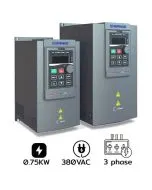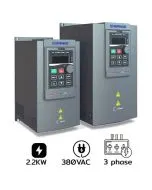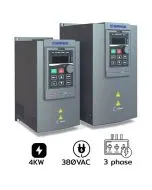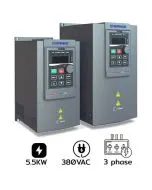

An inverter, or Inverter, is a crucial device that helps control voltage and frequency to ensure efficient and energy-saving operation of motors and electrical appliances. It also converts electricity to stabilize the system further. This article will explain what an Inverter is, its types, how it works, and which type you should choose.SCMA services are recommended to help you make confident decisions
What is an Inverter?

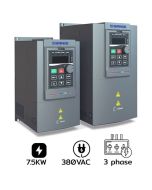
An inverter (Inverter) is an electronic device used to control the speed and torque of electric motors by adjusting voltage and frequency to appropriate levels. This type of operation makes the inverter system the answer for increasing energy efficiency, extending the lifespan of electrical equipment, and supporting usage from household appliances to large-scale industrial systems. Users can thus achieve significant energy savings.
How an Inverter Works
An inverter works by converting alternating current (AC) to direct current (DC), and then back into new AC, allowing for control of voltage and frequency as needed. This structure makes the inverter circuit a crucial component that serves as the heart of modern motor control systems, whether it's industrial applications, air conditioning systems, or renewable energy production.
Converter Circuit
The Converter Circuit converts AC power from the power source into DC power. This is the first step that helps provide flexible control and forms a critical foundation for Inverters.
Inverter Circuit
The Inverter Circuit takes in DC power and converts it back into new AC, allowing adjustment of voltage and frequency to suit the operation of motors or electrical equipment.
Control Circuit
Controls the efficient interaction between both Converter and Inverter Circuits, making it a key point that ensures the inverter system is stable and reliable technology.

How many types of inverters are there?
Inverters have been developed in various forms to cater to different applications, from household use to large industrial systems. Each Inverter has its own features, strengths, and suitability. Understanding what an inverter is and how many types there are will help you choose the most cost-effective and safe option.
Grid-Tied Inverter
Grid-Tied Inverter converts electricity from solar panels into a stable 220V AC supply for household use. It helps maintain constant voltage levels, making it suitable for residential solar energy systems.
Micro Grid Inverter
The Micro Grid Inverter is designed to support one inverter per solar panel, simplifying wiring and reducing power loss. It is ideal for applications requiring high flexibility.
Modified Sine Wave Inverter
The Modified Sine Wave Inverter is an older model that converts battery power but offers less stable signals compared to Pure Sine Wave inverters. It is suitable for devices not sensitive to electrical signals.
Hybrid Inverter
Hybrid Inverter combines the best features of Grid-Tied and Pure Sine Wave inverters, making it versatile for both solar systems and household battery power usage.
Pure Sine Wave Inverter
The Pure Sine Wave Inverter provides the most stable electricity conversion, allowing its use with almost all electrical appliances, especially those sensitive to voltage such as computers or high-precision measuring tools.
Inverter Applications
Inverters are used in various fields, such as being a UPS power supply, controlling motor speeds in factories, converting high DC voltage to AC for general use, and being utilized in Induction Heating systems like steel melting furnaces in heavy industries.
How to Choose an Inverter? What Should You Consider?
When purchasing an inverter, it is necessary to consider the type and size of the inverter to match the nature of the work and electrical equipment used for maximum efficiency. Additionally, quality standards, durability, and the inverter system are crucial factors that ensure safe and cost-effective long-term use.
- Select an Inverter Type That Matches Your Work For example, if it is for solar cells, choose Grid-Tied or Hybrid types.
- Choose a Larger Size Inverter Than the Total Load To fully support power requirements and prevent insufficient power issues.
- For Motors Allow extra size to accommodate starting current surges.
- Consider Quality and Manufacturing Standards For safety and long-term use.
If You Are Looking for "High-Quality Inverters," Think SCMA!
High-quality inverters not only help reduce energy consumption but also ensure stable and safe system operation. Consider SCMA, the leader in industrial measurement tools and automation systems in Thailand, which is more than just a supplier of equipment; it's a Technical Solution Partner accompanying customers through every step from design to installation, consultation, and training. Customers can be assured of receiving both cutting-edge technology and continuous support.

Summary
An inverter is a technology that plays a crucial role both in homes and factories, providing stable motor control, energy savings, and increased safety. It also supports renewable energy systems. If you are looking for an appropriate Inverter with technical consultation and full-service support, SCMA is ready to be your partner to elevate your production capacity.Contact us to step into sustainable industrial technology
Frequently Asked Questions
What does an inverter do?
An inverter's main function is to convert electricity and control voltage frequency appropriately for motor and other equipment operation. Therefore, what an Inverter does depends on the usage scenario, such as controlling speed or acting as a UPS.
What are the benefits of an inverter system?
An inverter system is the answer for those seeking energy savings and improved electrical efficiency. It helps motors operate stably, reduces wear and tear, and supports operation with renewable energy.
How does an inverter differ from a standard system?
An inverter is an equipment that controls electricity more precisely than a standard system. It helps reduce power consumption and is suitable for high-stability equipment, while the standard electrical system cannot accurately control voltage and frequency.
How many types of inverters are there?
Inverters come in various types such as Grid-Tied, Micro Grid, Pure Sine Wave, Modified Sine Wave, and Hybrid. Each type has its unique advantages, and users should choose the one that best fits their needs for optimal performance.