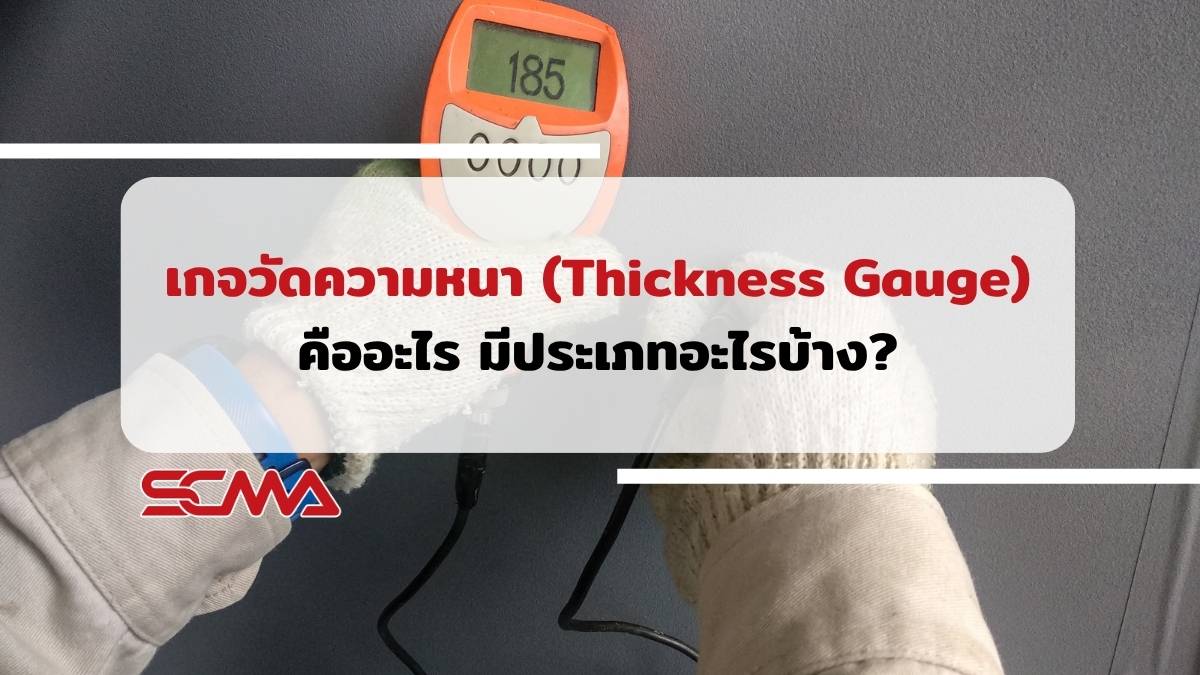
A thickness gauge, also known as a Thickness Gauge, is a tool used to measure the thickness of materials without damaging the workpiece. This article will help you understand what a thickness measuring instrument means, how it works, and the types used in various industries in detail so that you can choose with confidence if you are looking for an object thickness gauge. SCMA Company is ready to support all your needs and provide comprehensive services
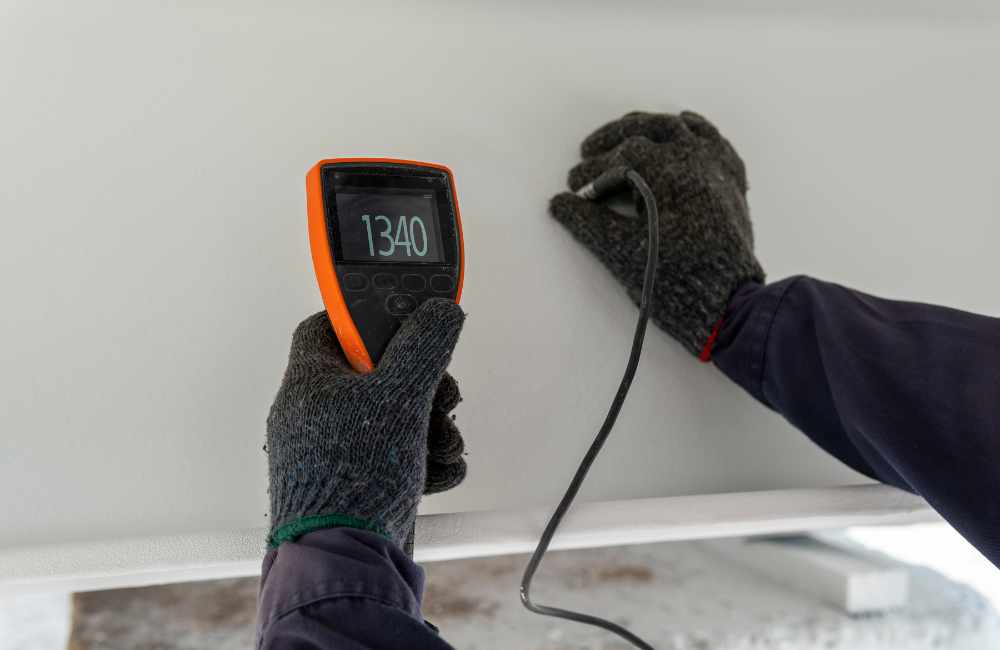
What is a Thickness Gauge?
A thickness gauge, or thickness measuring instrument is a device used to accurately measure the thickness of materials in manufacturing processes, engineering work, and quality inspection. The Thickness Gauge is an important tool that helps confirm production standards, reduce errors, and build trust in quality control. Currently, it is widely used in automotive industries, metal coating, and material testing where accurate thickness values are required.
What types of thickness gauges are there?
In practical use, there are various types of thickness measuring instruments available, each with different characteristics and operating principles. Users should choose the most suitable one for their work to achieve accurate and safe measurements.
1. Coating Thickness Gauge
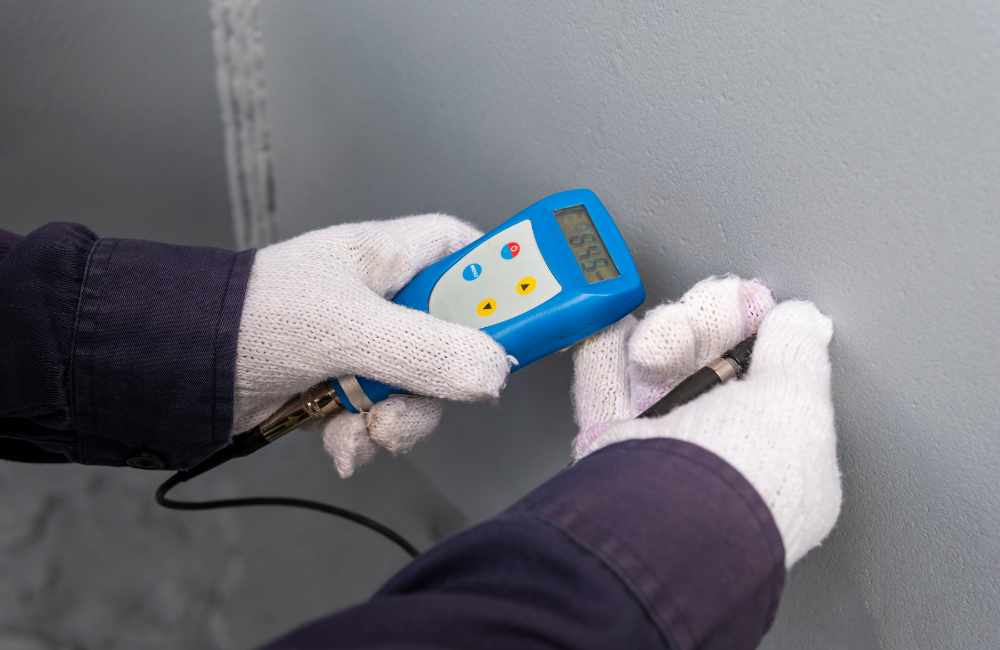
Coating thickness gauge is a measuring instrument specifically designed to measure the thickness of coatings or paint on surfaces such as steel, plastic, or aluminum. It is suitable for quality control in automotive work, painting jobs, and corrosion industries where precise and consistent coating layers are required.
2. Ultrasonic Thickness Gauge
Ultrasonic thickness gauge operates on the principle of sending ultrasonic waves to reflect inside a workpiece for measuring its thickness without needing access to both sides of the material. It is suitable for inspecting the thickness of objects such as tanks, pipes, or structures that cannot be cut or damaged, thus it is commonly used in energy, petrochemical, and shipbuilding industries.
Steps for Using a Thickness Gauge
A thickness gauge is a tool that helps accurately inspect materials, especially in industries requiring high quality and safety. Its applications range from quality control to structural inspection, as well as maintenance of machinery and various systems to extend their lifespan and reduce production risks.
- Metal Structure Testing and Maintenance – Check the thickness of steel, aluminum, etc., to prevent deterioration before it becomes dangerous.
- Structural Inspection – Used to inspect pipes, metal sheets, or important structures to assess strength and safety.
- Production Quality Control – Check the thickness of materials in production lines to ensure consistent quality standards.
- Pipe Inspection and Maintenance – Used for pipes in petroleum, water, and gas systems to prevent leaks.
- Shipbuilding Industry – Check the thickness of ship structures to assess safety.
- Machinery Maintenance – Measure critical parts to plan preventive maintenance.
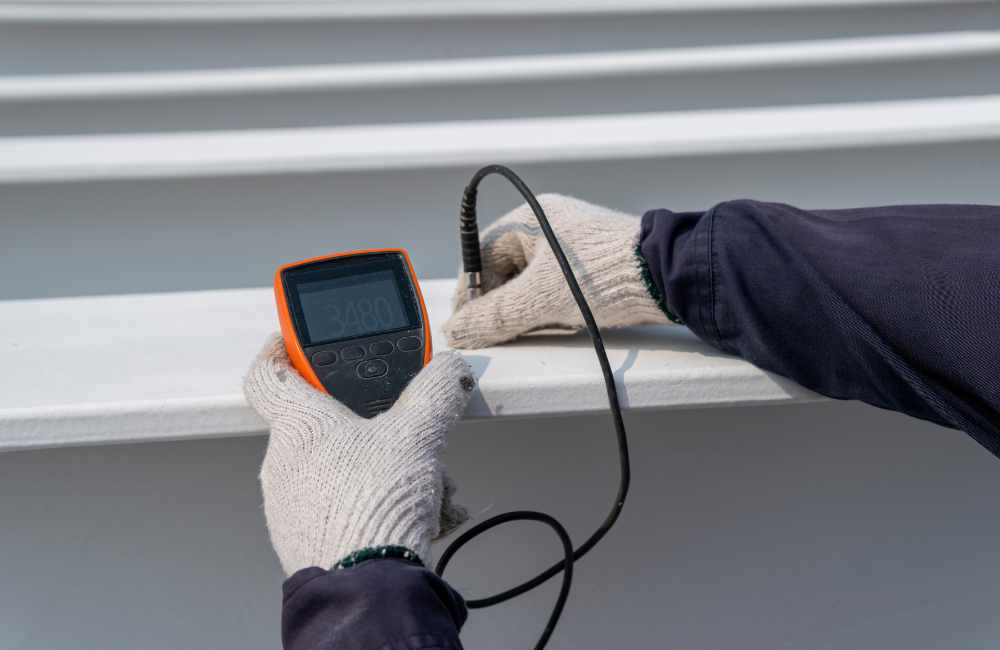
What Key Features Should Be Considered When Selecting a Thickness Gauge?
Selecting the appropriate thickness gauge or measuring instrument directly impacts production quality and safety, as the Thickness Gauge is an essential tool for checking material standards. Therefore, users should consider the following key features:
- Non-destructive Testing – Measures without damaging the workpiece, reducing costs and time.
- High Accuracy – Provides reliable results suitable for quality control tasks.
- Broad Measurement Range – Supports a variety of materials and applications.
- Easy and Quick to Use – Reduces training time, increasing work efficiency.
Read Article>>>What is a Thickness Gauge? What Can It Measure and How Does it Work?
How to Maintain a Thickness Gauge
Maintaining a thickness gauge is crucial for preserving the accuracy of measurements and extending the lifespan of the equipment. Every time it is used, users should follow proper guidelines to prevent damage and reduce measurement errors. This also ensures that the material thickness measuring device performs optimally in industrial applications.
- Clean the workpiece before measuring – Remove dust and contaminants to ensure accurate readings from a thin gauge and reduce wear on the probe tip.
- Wipe clean and apply rust preventive oil – After use, dry thoroughly and lightly coat with rust preventive oil to prevent corrosion, especially for metal components.
- Use appropriate pressure – Avoid excessive force or squeezing as this may cause the thickness gauge to malfunction and damage the tool.
- Store in a safe, dry place – Protect from moisture, impact, and drops that may affect measurement stability.
- Regularly check and calibrate – To ensure the thickness gauge remains accurate according to measurement standards.
Additional Tips for Using a Thickness Gauge
Using a thickness gauge or Thickness Gauge accurately requires proper operation according to standards. Since the thickness measuring tool is an instrument that requires high precision, incorrect use may result in inaccurate measurements and damage production processes. Therefore, this should be taken into consideration.
- Check the condition of the tool before use – Do not use a gauge that is bent or deformed, as this can cause measurement errors and reduce reliability.
- Select the appropriate measuring tool for the job – Choose the size and type of Thickness Gauge that matches the material, such as metal, plastic, or paper, to ensure maximum measurement efficiency.
- Use with appropriate force – Avoid pressing, pulling, or squeezing too hard to prevent damage to the thin gauge or workpiece.
- Clean after each use – Wipe clean and apply a light coat of anti-rust oil to prevent deterioration of the measuring head and internal structure.
- Store in an appropriate environment – Store in a dry place, protected from moisture and impact, to reduce the risk of damage.
- Calibrate regularly – Check the accuracy of the Thickness Gauge according to a set schedule to ensure correct readings and maintain measurement quality.
If you are looking for high-quality thickness gauges, think of SCMA!
If you need a thickness gauge that is of high quality and meets international standards, along with expert consultation services, SCMA Company offers a wide range of products including measuring tools, Thickness Gauge, and complete industrial equipment. Additionally, we provide after-sales service and training to ensure that every use is efficient and accurate.
Summary
A thickness gauge is a crucial tool for all industries, whether it's quality control, structural inspection, or machinery maintenance. Proper selection and care can extend the lifespan of your equipment and enhance safety. If you are looking for an integrated Thickness Gauge solution, choose SCMA services to be your technical partner for long-term success.
Frequently Asked Questions
What is a Thickness Gauge?
A thickness gauge is an instrument used to measure the thickness of materials without damaging them. It is suitable for quality and safety inspections in industries such as automotive manufacturing and metal parts production.
What is a Thickness Checker?
A thickness checker is a tool that helps measure the thickness of both metallic and non-metallic materials to confirm production standards, reduce errors, and ensure reliability in use.
What do you use to measure paper thickness?
Measuring paper thickness typically uses thickness measuring tools such as dial gauges or small-sized thickness gauges for accurate and suitable measurements in the printing industry.
What is a Thickness Gauge used for?
A thickness gauge is used to measure the thickness of various materials such as metal, plastic, and glass. It is suitable for quality control, maintenance work, and material condition assessment.
What is a Dial Thickness Gauge?
A dial thickness gauge (Dial Thickness Gauge) is an instrument for measuring the thickness of objects with high accuracy, commonly used in measuring small or thin materials such as film sheets, paper, and industrial materials requiring precision.