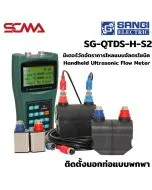
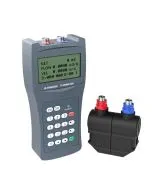
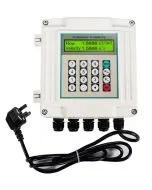
Ultrasonic Flow Meter is becoming popular in various industries, but do you know that this technology can measure flow rates without cutting pipes or interrupting production processes? This article will introduce you to the Ultrasonic Flow Meter in detail, from what it is to how its precise working principle works. It also provides guidance on selecting and using ultrasonic flow meters and flowmeters to suit your needs.
What is an Ultrasonic Flow Meter?
Ultrasonic Flow Meter is a flow measurement device that uses high-frequency sound waves to measure the speed and volume of liquids flowing through pipes. The Ultrasonic Flow Meter works by sending ultrasonic signals through the liquid and analyzing changes in received signals to calculate flow rates. A key advantage of ultrasonic flow meters is their ability to be installed externally on pipes using clamp-on methods, making them ideal for applications requiring convenience without interrupting production systems.

What is Ultrasonic (Ultrasound)?
Ultrasound refers to sound waves with frequencies above 20 kHz, which exceed the human hearing range. These waves can travel through various mediums such as solids, liquids, and gases, making ultrasonic flow meters suitable for measuring flow rates in a variety of applications. Ultrasonic flow meters are widely used in industries like food production, petrochemicals, and wastewater treatment systems due to their high accuracy and non-intrusive nature. Additionally, ultrasonic flowmeters can be used with pipes of various sizes and materials, providing high flexibility in use.
How Does an Ultrasonic Flow Meter Work?
The basic principle of an ultrasonic flow meter is to use ultrasound waves to measure the velocity of a liquid. The Ultrasonic Flow Meter sends high-frequency sound waves through the liquid and analyzes signal changes to calculate flow rate. There are two main measurement methods for ultrasonic flow meters: Transit Time and Doppler Effect, each suitable for different types of liquids.
Pathway of wave travel in the direction of flow
In an ultrasonic flow meter using the Transit Time method, sound waves traveling with the flow take less time than usual due to the liquid's velocity increasing the speed of the waves. This allows the ultrasonic flow meter to calculate the liquid’s velocity from the measured time difference. This type of flow meter is ideal for clean liquids without much air bubbles.
Pathway of wave travel in the opposite direction of flow
When sound waves travel against the flow direction in an ultrasonic flow meter, they take longer than usual because they must counteract the liquid's flow. The difference in time between traveling with and against the stream is crucial for accurately calculating velocity and flow rate. Modern ultrasonic flow meters can measure this difference with microsecond precision.
Measuring flow speed using the Doppler Effect
The principle of an ultrasonic flow meter using the Doppler method involves measuring changes in frequency from particles or air bubbles reflected back in the liquid. This type of ultrasonic flow meter is suitable for liquids with suspended solids or air bubbles, unlike Transit Time meters which require clean fluids. Therefore, Doppler-type ultrasonic flow meters are commonly used in wastewater treatment and industries dealing with suspended solids.

What are the Benefits of an Ultrasonic Flow Meter?
Using an Ultrasonic Flow Meter brings numerous benefits to the industrial sector, especially in terms of convenience and measurement efficiency. The ultrasonic flow meter helps reduce installation and maintenance costs while providing high accuracy in measuring flow rates. Here are some key benefits of ultrasonic flow meters:
- Non-invasive Installation - Ultrasonic Flow Meters can be installed externally on pipes without cutting or drilling, reducing the risk of leaks and contamination. This clamp-on flow meter saves a lot of time and installation costs.
- High Accuracy - Ultrasonic Flow Meters have an accuracy of ±0.5% even for fluids with different viscosities or turbulent flow conditions. Using ultrasonic transit time technology ensures accurate and reliable measurements.
- Low Pressure Drop - Ultrasonic flow meters do not have components that extend into the pipe, so they do not cause pressure loss in the system. This makes them suitable for systems requiring constant pressure.
- Diverse Applications - Ultrasonic Flow Meters can be used with various liquids and gases, from clean water to wastewater, oil, chemicals, and natural gas. This type of flow meter is suitable for a wide range of industries.
What are the advantages of using an Ultrasonic Flow Meter?
Ultrasonic flow meters offer several significant advantages that make them a popular choice for measuring flow rates. These devices provide greater convenience and efficiency compared to traditional flow measurement tools, with key benefits including:
- Compact and Portable - Portable flow meters can be easily used in various locations, allowing for quick on-site calibration of ultrasonic flow meters.
- Supports Multiple Pipe Sizes - Ultrasonic Flow Meters are suitable for pipes ranging from small sizes at 15 mm to large diameters of several meters, providing high flexibility in use.
- Non-Intrusive Measurement - The non-invasive operation of ultrasonic flow meters allows for measurement while the system is running, without needing to stop production or drain liquids from pipes.
- Real-Time Display - Ultrasonic flow meters can display flow rates in real-time, helping users quickly understand the status of the flow and address issues.
- Perfect for Uninterruptible Systems - Clamp-on flow meters are ideal for continuous production processes where installation or maintenance of measuring devices cannot be interrupted.
What are the limitations of using an Ultrasonic Flow Meter?
Although Ultrasonic Flow Meters have many advantages, there are certain limitations that users should be aware of. Understanding these limitations will help in selecting and using them appropriately to achieve accurate measurements. The limitations of ultrasonic flow meters include:
- Pipe must meet standards - Ultrasonic Flow Meters require accurate pipe data; if the thickness is inconsistent or does not meet standards, it will affect the accuracy of flow meter calculations.
- Cannot measure through insulation materials - Ultrasonic Flow Meters must be installed directly on the pipe surface; if there is insulation or other covering material, ultrasonic waves cannot pass through, affecting the proper operation of the flow meter.
- Temperature limitations - Ultrasonic Flow Meters have temperature usage limits; generally usable up to 200°C. If temperatures are too high, it may damage the transducers and affect operator safety.
How to Choose the Right Ultrasonic Flow Meter!
Choosing an ultrasonic flow meter that suits your application is crucial for achieving accurate measurements and a worthwhile investment. Several factors must be considered to ensure efficient operation of the ultrasonic flow meter, including:
- Type of Fluid - Consider which type of fluid the ultrasonic flow meter is best suited for. If it's clean liquid, choose a Transit Time model; if there are many particles or air bubbles, opt for a Doppler flowmeter.
- Flow Range - Select an ultrasonic flow meter with a measurement range that covers the lowest and highest flow rates needed for accurate operation of the ultrasonic flow meter.
- Pipe Diameter - Ensure the ultrasonic flow meter supports the pipe diameter you need to measure, especially for very large or small pipes which may require a special model.
- Required Accuracy - Determine the level of accuracy needed for your application. High-quality flowmeters can achieve ±0.5% accuracy, but they are more expensive than standard models with ±1-2% accuracy.
- Budget - Consider the overall budget including the price of the meter, installation costs, and maintenance. Clamp-on ultrasonic flow meters may be more expensive than inline models but save on installation costs and do not require system downtime.

If you are looking for a "High-Quality Ultrasonic Flow Meter", think of SCMA!
Choosing to use high-quality ultrasonic flow meters is a worthwhile investment for long-term flow rate measurement SCMA is an expert in selling ultrasonic flow meters from leading global brands, ready to advise on which ultrasonic flow meter suits your needs. With over 20 years of experience, we thoroughly understand the principles and workings of ultrasonic flow meters, offering high-quality ultrasonic flow measurement devices and flowmeters with comprehensive after-sales service, including installation, calibration, and maintenance, ensuring that your flow rate measurement system operates at maximum efficiency.
Summary
Ultrasonic Flow Meter is a modern and highly efficient flow measurement technology. As mentioned above, ultrasonic flow meters are accurate tools that are easy to install and do not interfere with fluid flow. The principle of operation uses high-frequency sound waves for measurement, making the ultrasonic flow meter suitable for various applications despite some limitations. The advantages of ultrasonic flow meters still make them a popular choice in industries. Choosing the right flowmeter from SCMA will help you maximize the benefits of this technology, along with full support from our expert team who are ready to provide consultation and services.Contact SCMA today for a free consultationand select the flow meter that meets your needs.
Frequently Asked Questions
What is an Ultrasonic Flow Meter?
An ultrasonic flow meter is a device that measures the velocity and volume of liquids or gases flowing through a pipe using high-frequency sound waves (above 20 kHz). This type of ultrasonic flow meter can be installed externally on pipes without cutting or drilling, making it convenient and non-disruptive to the flow. Ultrasonic flow meters are popular in various industries such as petrochemicals, food and beverages, and wastewater treatment systems due to their high accuracy and ease of maintenance. These flow meters can measure both clean liquids and those containing suspended particles.
How does an Ultrasonic Flow Meter work?
The basic principle of operation for an ultrasonic flow meter involves sending ultrasonic waves through the liquid and analyzing signal changes. There are two main methods: Transit Time, which measures the difference in travel time with and against the flow direction, suitable for clean liquids; and Doppler, which measures frequency shifts from particles reflected back, suitable for liquids containing particulates. The ultrasonic flow meter calculates flow rate by multiplying the measured liquid velocity by the pipe cross-sectional area, providing accurate and reliable measurements.
How to use an Ultrasonic Flow Meter?
Using an ultrasonic flow meter starts with selecting a suitable installation position. This should be on straight pipe sections at least 10D before the measurement point and 5D after (D is the pipe diameter). Clean the pipe surface and apply acoustic gel to aid wave transmission. Install transducers according to the ultrasonic flow meter manual, input pipe data such as material, size, thickness, and liquid type. The device will display real-time flow rate on its screen. Modern flow meters can also log data and send signals to control systems.
How to install an Ultrasonic Flow Meter?
Installing a clamp-on ultrasonic flow meter starts by selecting a straight pipe section free from joints, valves, or bends. Clean the pipe surface of rust, paint, or dirt. Measure the circumference of the pipe to calculate the appropriate distance between transducers as specified in the ultrasonic flow meter instructions. Apply acoustic gel on the transducer and secure it with straps or clamps tightly. Set various parameters in the ultrasonic flow meter such as pipe and liquid data. Check signal strength and adjust position if necessary. The flow meter is ready to use immediately after installation without interrupting the system.