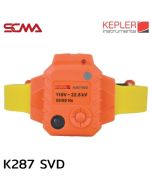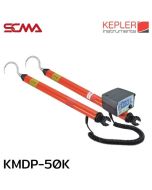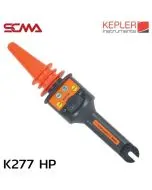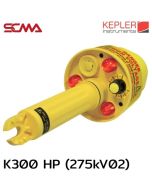

An electrical voltage tester is a tool that electricians and those working with electrical systems should always have on hand, as it allows for quick and safe detection of the presence of electrical voltage. In this article, SCMA will take everyone through a detailed introduction to voltage testers, from how they work and how to use them, all the way to selecting the right one for your needs.
What is an Electrical Voltage Tester?

An electrical voltage tester is a type of electrical measuring tool designed to measure the leakage current from within circuits or in an electrical system. It resembles a pen or screwdriver and can detect voltage without direct contact with live conductors, making it compact and portable. This makes it an essential tool for electricians, engineers, and anyone working on electrical systems who need to check safety before starting work.
How Does an Electrical Voltage Tester Work?
Voltage detectors work based on the principle of Capacitive Coupling. When the tester is brought close to a live conductor, an internal sensor detects the electric field emanating from the power source and converts it into a warning signal via LED lights or sound alerts. Most voltage testers are designed for detecting alternating current (AC) only and may not be suitable for measuring direct current (DC).
Applications of Voltage Test Pens
Voltage test pens can be used to safely check electrical systems in homes, detect broken wires or abnormal connections. Simply hold the tip of the pen near an area with current flow without touching it, ensuring user safety. When voltage is detected, the pen will alert the user through LED signals and sound alerts, along with built-in lighting for working in dark areas. This makes checking and maintaining electrical systems more convenient and safer.

How to Use a Voltage Tester Correctly
Using the voltage detector correctly and safely is crucial for every electrician to prevent electrical hazards and ensure accurate measurements.
- Correct Grip Method - Press the metal end cap with your index finger, while using your thumb, middle finger, and ring finger to grip the center of the plastic rod. Face the neon tube towards yourself for clear visibility.
- Test Before Each Use - Test the voltage tester on a known live power source to ensure it is functioning properly and check that the resistance value exceeds 1 megohm.
- Differentiate AC and DC - Observe the neon tube glow; AC will light up the entire tube, while DC will only illuminate one side, allowing for quick identification of the type of electricity.
- Check Positive and Negative Terminals in DC - Carefully observe the position of the light within the neon tube; if the front end is lit, it indicates negative polarity, while a back-end glow signifies positive polarity. This aids in proper wiring connections.
- Check for Grounding Connections - In DC systems, if the voltage tester does not light up upon contact but illuminates when brought close, it indicates an abnormal grounding connection. Determine this by observing where the light is located at either the tip or grip.
- Testing Phase Difference in AC Wires - Hold one tester in each hand, insulate both feet from the ground, touch different wires with each tester, and observe the glow to determine if they are on the same phase or different phases.
What is the Difference Between an Electrical Voltage Tester and a Multimeter?
Voltage testers and multimeters are electrical measuring tools that serve different purposes. Voltage testers are ideal for quick initial checks, while multimeters provide more detailed and accurate information.
Electrical Voltage Tester
Voltage testers are ideal for quickly checking the presence of electricity without direct contact. With their compact and portable size, they are easy to use by simply pressing a button and bringing it near the point to be measured. They are suitable for initial safety checks before starting work but only provide on/off information and cannot indicate exact voltage levels.
Multimeter
Multimeters are versatile measuring tools that can measure voltage, current, resistance, and other electrical values. They provide precise numerical measurement results for both AC and DC power. More knowledge and skill is required to use them correctly as they need the correct range selection and proper wiring connections. There is a higher risk involved because direct contact with the measurement point is necessary, but they are ideal for work that requires in-depth information and high accuracy.
What Features Should You Consider When Choosing a Voltage Tester?
Choosing the right voltage tester involves considering several important features to ensure safety and efficiency in use.
- Voltage Range: Choose one that covers your actual usage range, such as 12-1000V AC or 48-1000V AC
- Safety Standards: Must have CAT III or CAT IV to prevent hazards during use
- Alert Systems: Should include both LED lights and sound alerts for clarity in all environments
- Additional Functions: Built-in flashlight, adjustable sensitivity, or infrared thermometer to increase convenience

Interested in Voltage Testers? You Can Buy from SCMA Today!
SCMA, the leader in electrical equipment and tools offers a wide range of voltage testers from top brands to suit all needs, covering usage levels from home to industrial work. Every product is certified for safety standards, with expert consultation services to help choose the right model for your requirements. Quality assurance and fast nationwide delivery are guaranteed.
Summary
An electrical voltage tester is a crucial tool that enhances safety when working with electrical systems. With its compact and user-friendly design, it suits both professionals and general users alike. Choosing a high-quality and suitable voltage tester for your specific needs will ensure safe and efficient electrical system checks. If you are looking for a reliable voltage tester,SCMA is ready to serve with a wide range of products and expert teams providing advice to help you find the best tool for your needs.
Frequently Asked Questions
What is an electrical tester?
An electrical tester is a device that detects voltage and resembles either a pen or screwdriver. It is used to check if there is electricity at the desired point without directly touching the conductor, making it ideal for safety checks before repairing electrical equipment.
What is measuring voltage?
Measuring voltage involves checking the potential difference between two points in an electrical circuit. It is measured in volts (V). Measuring voltage helps determine if a circuit has power and what its voltage level is, which is crucial for analyzing and troubleshooting electrical systems.
What is a voltage tester?
A voltage tester is an instrument used to measure voltage levels. There are various types such as voltmeters, multimeters, and pen-type voltage testers, each with different accuracy and usage methods suitable for tasks ranging from basic checks to high-precision measurements.
What equipment is used to measure electrical current? How do you use it?
Commonly used equipment includes ammeters, clamp meters, and multimeters. Ammeters must be connected in series with the circuit, while clamp meters are more convenient as they can clip around wires without interrupting the circuit. For multimeters, set the mode to current measurement, select an appropriate range, and connect the leads correctly according to the manual.