

PAT Tester is a safety electrical testing tool that no organization should overlook, as electrical accidents can occur at any time if equipment is not regularly inspected. As SCMA, experts in measurement and testing tools, we present comprehensive knowledge about PAT Tests, from the principle of operation, types, usage methods, to the benefits organizations will receive. This ensures you can use this tool efficiently and cost-effectively.
What is a PAT Tester (Portable Appliance Tester)?

Portable Appliance Testing (PAT) is a device used to check the safety of portable electrical appliances by testing wiring, connections, and other components of electrical equipment according to specified safety standards. This helps prevent hazards such as electric shock, short circuits, or other accidents that may occur due to faulty or non-compliant electrical equipment.
How Many Types of PAT Tester Are There?
PAT Tester comes in various types, from basic models to advanced ones with cutting-edge technology, catering to different safety inspection needs.
Basic PAT Tester
This type of tester is suitable for basic safety checks. It's easy to use and cost-effective, focusing on primary tests such as insulation testing and electrical leakage detection. Ideal for small businesses or general use.
Advanced PAT Tester
Equipped with comprehensive test functions including earth continuity testing, high voltage testing, and accurate insulation resistance measurement. It meets international safety standards and is suitable for professional technicians and industrial plants.
Data Logging PAT Tester
Its standout feature is the ability to automatically log and store test results, generate reports instantly, track each device's inspection history. This helps organizations comply with safety regulations efficiently.
Bluetooth PAT Tester
The latest innovation supporting Bluetooth connectivity to smartphones or tablets for remote control through an app, real-time test result transmission, and cloud-based report creation. It enhances fieldwork flexibility.
How Does a PAT Tester Work?
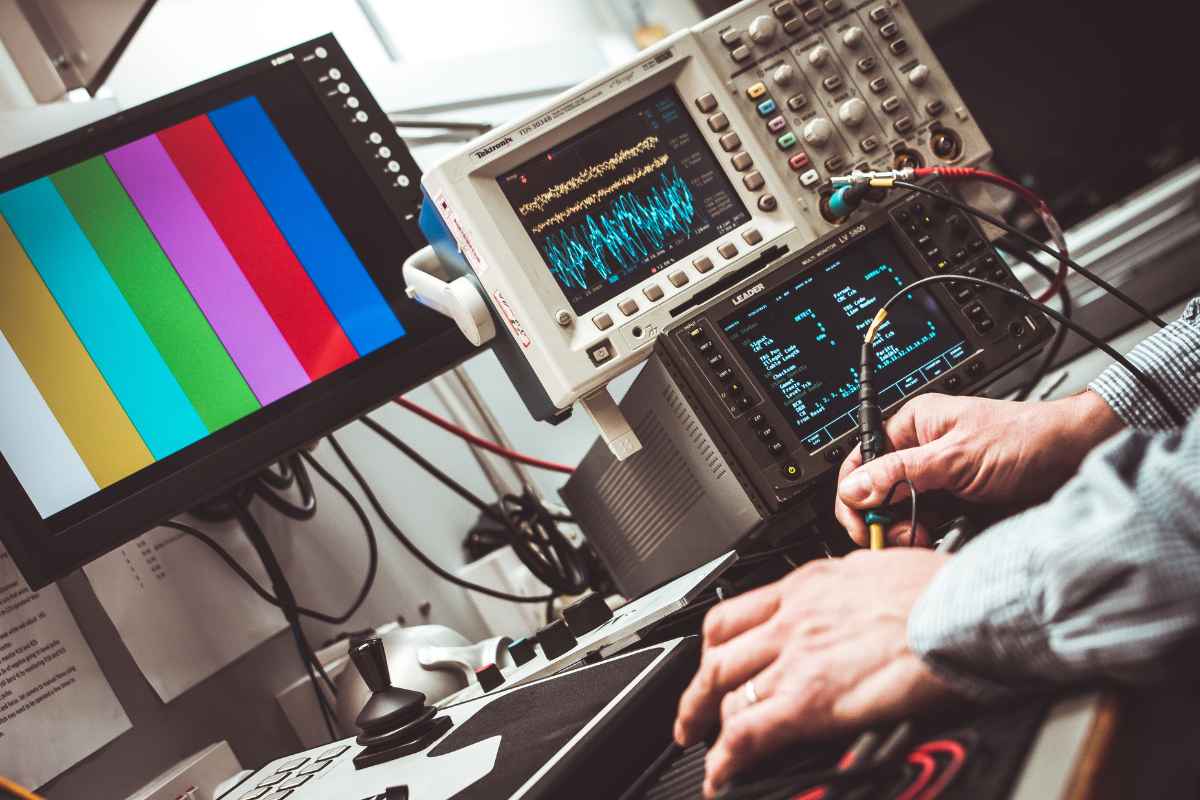
A PAT Tester operates through three main testing steps. The first step is the Earth Continuity Test, which sends an electrical current through the earth wire to check that any accessible metal parts are safely grounded. The second step is the Insulation Test, where a DC voltage of 500V is applied to measure the insulation resistance between the live wires and the earth wire, which should show high resistance values. The final step is the Leakage Current measurement, which checks for electrical balance between the live wires and the neutral wire. All these steps ensure that electrical equipment is safe for use.
Why is a PAT Tester Important?
Testing with a PAT Tester is crucial for complying with electrical safety standards. It is the most effective way to check the safety of electrical equipment in workplaces, preventing electric shock or fire accidents. The frequency of testing depends on the type of equipment and risk assessment levels, ensuring that organizations are confident their employees are safe and comply with workplace safety laws.
Who Should Use a PAT Tester?
A PAT Tester is suitable for all organizations using electrical equipment in the workplace, including industrial plants, offices, hospitals, hotels, educational institutions, or government agencies. It also benefits professional electricians, safety inspectors, and building owners who need to comply with safety regulations. Additionally, it's ideal for businesses renting out electrical equipment, contractors, and companies providing maintenance services for electrical appliances, ensuring the quality and safety of the equipment they deliver to customers.
If you are interested in PAT Tester, SCMA is now available for purchase!
SCMA leads the way in high-quality measurement and testing equipment sales, offering a variety of PAT Tests from leading global brands that have been carefully selected to meet every need. Whether it's basic models for small businesses or advanced models with data logging systems for large organizations, our team of experts is ready to provide consultation on selecting the right model along with detailed usage instructions. We offer comprehensive after-sales services including calibration, maintenance, and genuine spare parts from the factory, full warranty coverage, and nationwide delivery service. For more information andorder now at SCMA
Summary
The PAT Tester is a crucial tool that helps maintain electrical safety in all organizations. With its comprehensive ability to test electrical equipment, from ground continuity checks and insulation resistance to current leakage detection, investing in high-quality Appliance Testers not only ensures compliance with safety regulations but also prevents serious accidents and saves long-term costs. SCMA is ready to be your testing equipment partner, offeringhigh-quality products and comprehensive services Contact us today to find the PAT Tester that meets your needs.

Frequently Asked Questions
What is the purpose of PAT Testing?
PAT Testing primarily aims to ensure the safety of portable electrical equipment by testing various protective systems such as earth continuity, insulation resistance, and leakage current. This helps prevent electric shock or fire hazards that may arise from faulty devices, thereby providing users with peace of mind and helping organizations comply with workplace safety regulations.
What are examples of PAT Testing?
Examples of PAT Testing include earth continuity testing (measuring resistance between the earth terminal and metal frame, must be less than 0.1 ohms), insulation resistance testing (measuring between live wires and earth, must exceed 1 megohm), and leakage current testing (measuring leaking current during operation, must be below 0.75 mA for Class I equipment).
What is Laboratory PAT Testing?
Laboratory PAT Testing refers to the testing of electrical equipment in a controlled environment using calibrated test instruments, following strict standards such as IEC 60950 or BS 7671. This includes additional tests like high-potential (Hi-pot) testing and detailed risk analysis to issue official safety certificates.
What is PAT Testing called nowadays?
Currently, PAT Testing is still referred to as "PAT Testing" or "Portable Appliance Tester." However, in some countries, it may be known by other names; for example, in the United Kingdom, it's called "In-Service Inspection and Testing of Electrical Equipment" according to IET Code of Practice. In Thailand, it might be termed "Portable Electrical Equipment Safety Testing," but PAT Testing remains widely used in industrial circles.