A salinity meter is a crucial scientific tool that helps efficiently manage water quality in agriculture and industry. With the latest innovation from SCMA, which has developed salinity measurement technology to achieve maximum accuracy up to 0.01 PPT, Thai farmers and business owners can professionally control this critical factor, increasing productivity and reducing costs in a tangible way.
What is a Salinity Meter?

A salinity meter, or Salinity Meters, is a scientific device specifically designed to measure the amount of dissolved salt in water or other solutions. It works on the principle of a hydrometer that has been specially calibrated to accurately read salt percentages. The importance of this tool stems from its direct relationship between chloride concentration and salinity levels in water, which is crucial for controlling quality across various industries.
Units of Salinity Measurement
Salinity measurement in water can be expressed in several units, including percent (%) indicating the amount of salt per kilogram of water, parts per thousand (ppt) equivalent to grams per liter, and PSU (Practical Salinity Unit), a practical salinity scale commonly used in marine science. Salinity is a critical factor that, along with temperature and pressure, determines the chemical and physical properties of water, affecting density, heat capacity, and biological processes in aquatic ecosystems.
How a Salinity Meter Works
A salinity meter or Salinity Refractometer works by utilizing the principle of light refraction when passing through solutions with different concentrations, allowing for accurate measurement of salt content in liquids. It displays results in units of % or ppt (parts per thousand). This equipment plays a crucial role in the food and beverage industry, such as in fruit juice production, ready-to-eat food manufacturing, and quality control of agricultural products that require high precision.
How to Use a Salinity Meter
Using Salinity Meters is a straightforward process but must be done correctly to achieve accurate results. Generally, salinity meters sold by SCMA are designed for easy use even for those with no technical experience; however, it's important to study the specific user manual of each model before starting.
- Turn On and Prepare - Press the On/Off button to start the device. Wait a moment for the system to be ready for measurement.
- Immerse the Sensor Properly - Place the Electrode in the water sample at an angle perpendicular to the surface of the water. Be careful not to have air bubbles attached to the sensor.
- Read and Record the Result - Press the measurement button, wait approximately 3 seconds until the value stabilizes. The salinity reading will be displayed on the digital screen with the selected unit of measurement.
- Maintain the Equipment - Rinse the sensor with clean water and dry it thoroughly after each use. Store in a protective case to extend its lifespan and maintain accuracy.

How many types of salinity meters are there?
Salinity meters today have been developed to be diverse in order to meet different usage needs, ranging from portable models for field measurements to desktop models for research purposes. All of them have been designed to display accurate digital results and are easy to use.
1. Refractometer Salinity Meter
This type of meter works by using external light passing through a water sample dropped onto a prism, allowing the user to read the value from the scale seen through an eyepiece lens. The advantages include being cost-effective, battery-free, and highly durable, making it suitable for field use in remote areas or high-humidity environments.
2. Pen-Type Salinity Meter
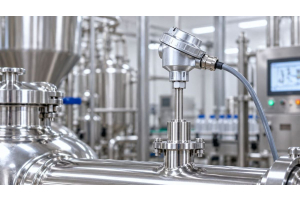
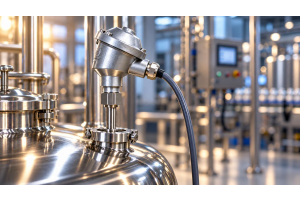
The latest technology from SCMA designed to resemble a pen with an electrode that can be directly immersed into water samples, displaying digital numbers on the LCD screen clearly and accurately. It measures values instantly and has functions for temperature measurement and automatic compensation according to temperature. This model is popular in aquaculture and agriculture industries.
3. Prism Well Salinity Meter
An innovation in salinity measurement that uses internal laser light reflecting through water samples dropped into a prism well to determine the refractive index and display results as digital numbers. Its highlight is its ability to accurately measure opaque liquid samples, offering high stability and reliable results even in low-light environments. It is popular in research laboratories and food industries requiring high accuracy.
Guidelines for Using a Salinity Meter
To use Salinity Meters effectively and prolong their lifespan, start by understanding the basic limitations. The device can only measure samples that are room temperature liquids; it should not be left submerged in samples for long periods or used to measure hot food. Proper maintenance is crucial, so clean after each use and handle with care to avoid damaging the Electrode probe head which could break easily. Additionally, to maintain measurement accuracy, users should have their devices calibrated (Calibration) regularly at least once a year.
If you are interested in purchasing a Salinity Meter, SCMA is now available for your purchase!
SCMA is a high-quality supplier of salinity meters that have been certified to international standards. We offer various models to suit different needs, from basic models for general use to professional models for research and industrial applications. All our products undergo rigorous quality checks and come with warranty coverage. Furthermore, we have a team of experts available to provide consultation and recommend suitable products based on your requirements. Order easily online orcontact us directly for more information.
Summary
Salinity Meters are important devices used to measure the amount of dissolved salt in water, working on the principle of measuring electrical conductivity or light refraction. The main unit of measurement is PPT (Parts Per Thousand), and there are several types including refractometers, handheld probes, and prism wells. Usage requires calibration, proper sample collection methods, and appropriate maintenance. SCMA offers a wide range of high-quality salinity meters to meet every need with expert consultation available. Choose products from SCMA today for the highest efficiency in measuring salinity levels for your business.

Frequently Asked Questions
What is a salinity meter?
A salinity meter is an instrument used to measure the amount of salt or dissolved solids in water. It typically uses electrical conductivity or light refraction principles for measurement and is important in various industries such as agriculture, aquaculture, and water quality control.
What is a salt meter?
A salt meter is another name for a salinity meter used to measure the amount of dissolved salt in water. It comes in both digital and analog forms, displaying numerical values or readings from a scale respectively. This tool is essential for controlling water quality in fish ponds and various production processes.
What does ppt salinity mean?
PPT (Parts Per Thousand) is a unit of measurement for salinity that expresses the amount of salt in parts per thousand or grams per kilogram of water. For example, typical seawater has a salinity of about 35 PPT, meaning there are 35 grams of dissolved salt in one kilogram of seawater. This unit is commonly used in aquaculture and marine environmental studies.
What are the standards for salinity levels?
Salinity standards vary based on the intended use. For drinking water, it should have a salinity level below 0.5 PPT; natural freshwater has a lower value than 0.5 PPT; brackish water ranges from 0.5-30 PPT; and seawater is around 35 PPT. In aquaculture, standard levels differ according to the type of aquatic animal, such as white shrimp requiring salinity between 10-15 PPT while Nile tilapia can tolerate up to 15 PPT.