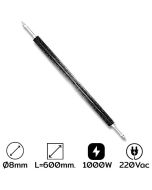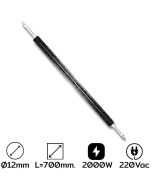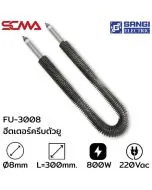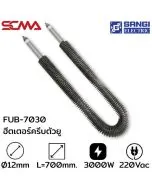
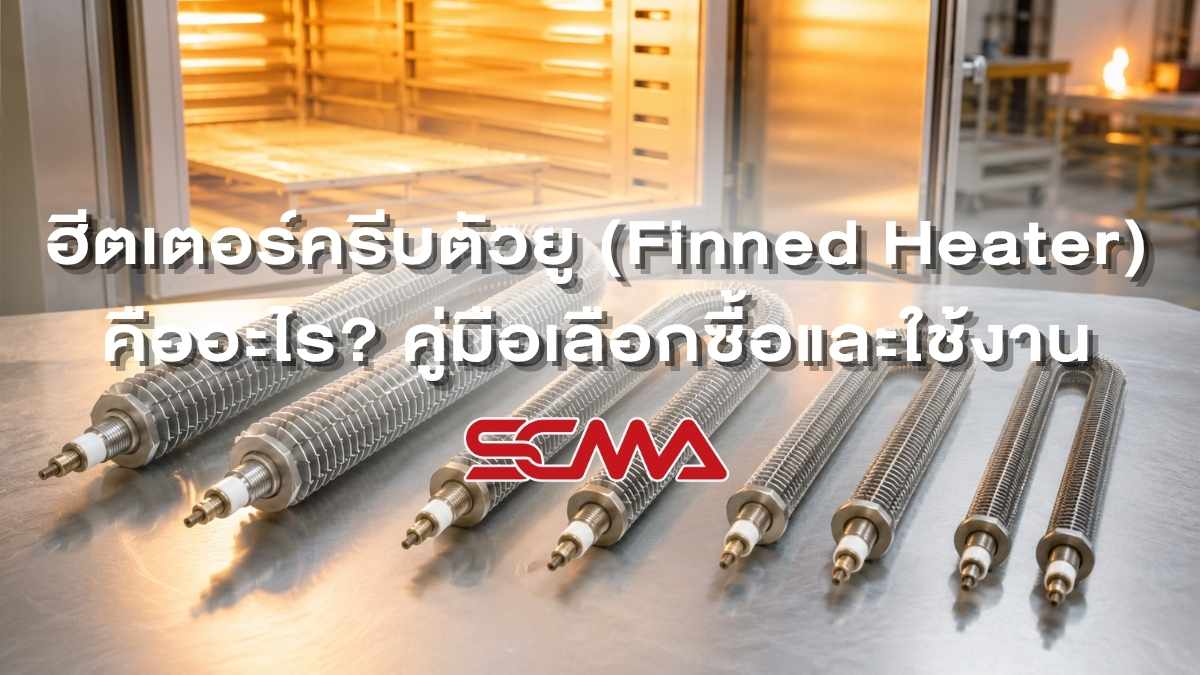
U-shaped finned heater - Is this the equipment you are looking for to solve your factory heating system problems? For those who still have doubts about what a Heater is or what a heater does, this article will take you through an in-depth look at how it works. You'll learn how to choose and apply it with temperature sensors such as rtd pt100 for maximum production efficiency. If you need further advice, feel free to contact our SCMA system design and consultation service.
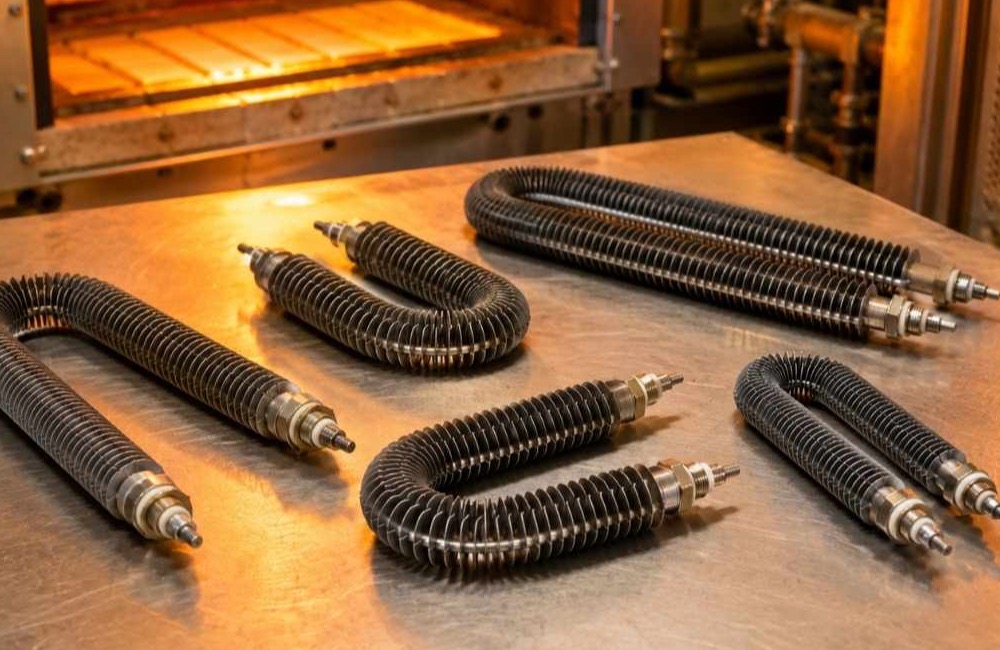
What is a U-shaped finned heater, and how does it work?
The foundation of engineering heating systems starts with the question of what type of equipment a Heater is. A U-shaped finned heater is an advanced form of cylindrical tube heaters, distinguished by thin metal fins wrapped around the heat pipe. These fins significantly increase the surface area for efficient heat transfer to the air. The internal structure consists of high-resistance heating wire housed in a metal tube. Using these fins helps prevent overheating and burning out of the internal coils, making this type of hot air heater highly effective.
Benefits of Using Finned Heaters in Industrial Applications
Integrating U-shaped finned heaters into machinery enhances production capacity remarkably. If we understand what the key features of a heater are, we can maximize its efficiency and use it to the fullest extent.
- Superior heat distribution: The design of round tube with fins increases air contact area, resulting in rapid temperature rise within the heating chamber.
- Durability and long lifespan: Efficient cooling reduces the thermal coil's workload, making U-shaped finned heaters last longer than smooth-tube models.
- Versatile applications: The robust structure allows engineers to install hot air heaters in duct systems, industrial ovens, and drying rooms seamlessly.
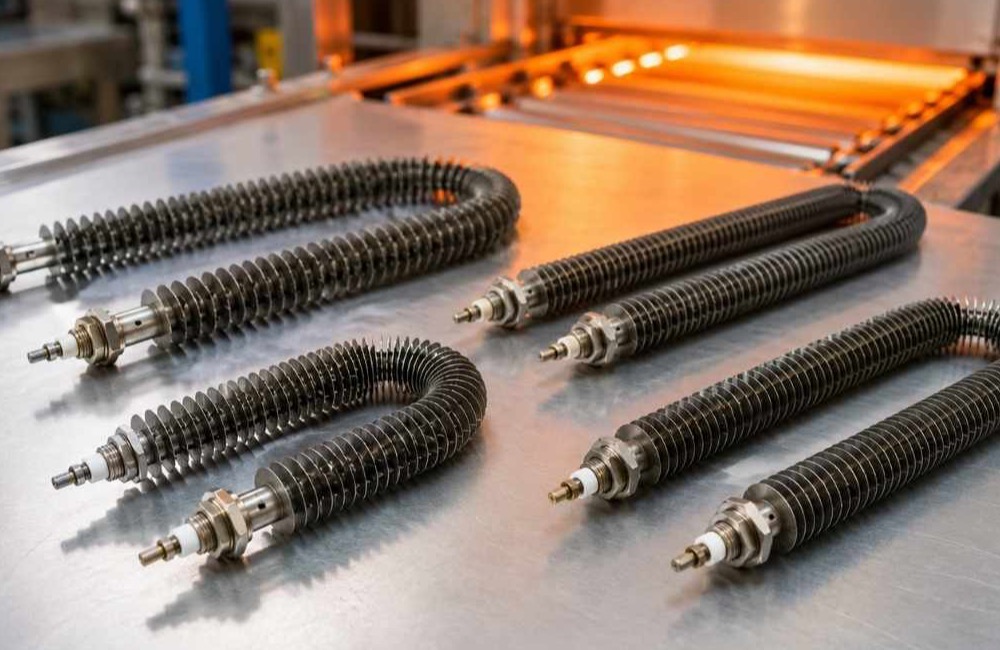
What types of applications are U-shaped fin heaters suitable for?
Selecting the right heating equipment for your application can significantly reduce energy consumption issues. Our engineering team recommends using U-shaped fin heaters to address the question of what a Heater is as an important factor in various industries.
Drying and Dehumidification Processes (Food, Paints, Wood, Electronic Components)
The drying process requires consistent temperature to prevent damage to products. Using finned tube heaters helps distribute hot air evenly into the drying area. Industries such as food processing, automotive paint curing, and wood manufacturing rely on this technology to quickly remove moisture from their products.
Duct Heater Applications (Heating in Air Ducts)
The installation of heaters within duct systems utilizes air blown through the heater by fans. The metal fins around the U-shaped fin heater help transfer heat quickly into the airstream, effectively distributing hot air heaters throughout the ductwork to various areas in buildings or factories.
Industrial Oven Applications (Industrial Ovens)
Larger ovens require a reliable and durable source of heat for continuous operation. The primary role of heaters in industrial ovens is to maintain high temperatures according to standards. Installing finned heaters helps stabilize the temperature inside the oven.
Reducing Humidity in Cooling Systems
Larger cooling systems may encounter issues with ice buildup on cold coils. Using U-shaped fin heaters for defrosting can safely reduce humidity within the system, protecting compressors from blockages and ensuring smooth operation.
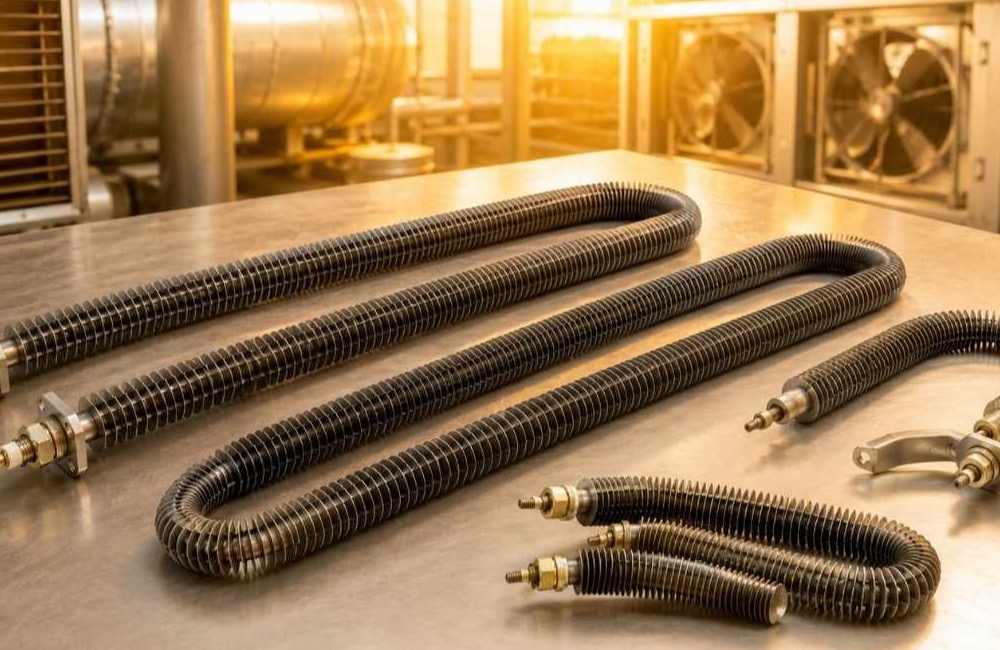
How to Choose the Right Finned Heater for Your Job? What Should You Consider?
Before assessing the Finned Heater price, you must first clearly define your engineering specifications. The SCMA team has an important checklist to help you choose a U-shaped finned heater safely and cost-effectively.
Selecting the Size and Length of the Heater Pipe
The length of the heater directly affects the heating area in the oven. You must measure the size of the work area to estimate an appropriate total length. Choosing a cylindrical finned heater that is too short may result in temperatures not reaching the desired level.
Selecting Fin and Pipe Material (Stainless Steel SUS304, Incoloy)
Stainless Steel SUS304 is suitable for general hot air applications in industrial settings. If the environment has high corrosive chemicals, Incoloy grade material should be used. Choosing the right material provides the best answer to those wondering about the durability of heaters.
Selecting Voltage and Wattage
Wattage is a key variable in generating heat. The voltage setting must match your factory's electrical system (e.g., 220V or 380V). Choosing a U-shaped finned heater with wattage that is too high can easily cause the heating control system to malfunction.
Environmental Conditions and Operating Temperature
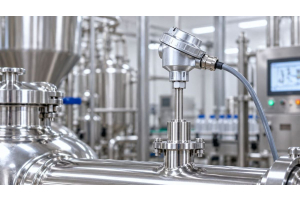
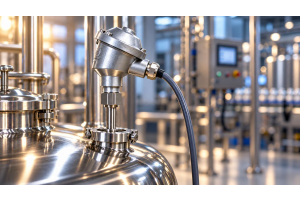
The highest temperature required by the system determines the type of insulation inside. If you need to operate at very high temperatures, consider installing a rtd pt100 temperature sensor for accurate monitoring of heater performance. You can find more information at A Guide to Temperature Sensors (Temperature Sensor).
How to Calculate the Initial Wattage (Wattage) Required
Calculating wattage is an engineering process that indicates Heater is a power source that must be used with caution. The factors involved in the calculation include the volume of the oven, air velocity, initial temperature, and desired target temperature. The basic formula for assessing hot air work involves multiplying the mass of air by the specific heat value multiplied by the temperature difference. For example, if you want to increase the temperature of a 5 cubic meter oven from 30 to 100 degrees Celsius in one hour, an accurate calculation will help you choose the U-shaped fin heater that best fits your specifications. You can learn these basics from the Ultimate Guide to Industrial Heaters.
Installation Steps and Safety Precautions
High heat always comes with the risk of fire. Proper installation of U-shaped fin heater helps reduce accidents in the workplace. Understanding what safe steps are for Heater will protect lives and property.
- Installation in ducts and ovens: It is essential to ensure that there is a fan blowing air through the round tube fin heater at all times during operation. Leaving the heater on without airflow can cause the coil to burn out immediately.
- Precautions regarding distance from flammable objects: Do not install hot air heaters near easily combustible materials under any circumstances. A safe distance must be maintained according to engineering standards to prevent fires due to accumulated heat.
- Connecting electrical systems and temperature controllers: High-temperature resistant cables should be used, and equipment must be properly connected to the breaker. Applying rtd pt100 sensors in conjunction with a temperature controller will help maintain the highest level of thermal stability. You can refer to detailed engineering information from How Finned Heaters Enhance Air Heating Efficiency.
Tips for Maintaining to Extend the Lifespan of Heaters
Predictive maintenance helps ensure that Finned Heater prices are worth every penny. The SCMA team offers guidelines on how to maintain U-shaped finned heaters so that your heating system operates at peak efficiency.
- Cleaning the heat sink fins: Dust accumulation in the fin gaps can hinder heat dissipation. Once the unit is completely cooled down, use compressed air to clean the cylindrical finned heater regularly.
- Checking wire connections and condition: Heat may cause electrical terminals to loosen, leading to sparking. Tighten screws periodically and inspect the insulation of hot air heaters consistently.
- Signs when a heater is nearing end-of-life: If you notice that your oven takes longer than usual to reach temperature or if the control panel alerts abnormal current flow, it may indicate internal coils are starting to deteriorate. Observing these points answers what a heater maintenance entails.
Summary
In summary, U-shaped finned heaters are crucial components that convert electrical current into heat for industrial use. Understanding the principles of what a heater is enables you to apply it efficiently in drying processes. Our expert team is ready to consult through SCMA's system design services, providing your factory with the best solutions.
If you wish to purchase, SCMA is now available for sales!
Selecting high-standard equipment is an investment in sustainability. SCMA Co., Ltd. is a distributor of high-quality industrial U-shaped finned heaters. We have a team of engineers ready to assess your specifications on what type of Heater best suits you. You can explore our entire SCMA product catalog and request a quote directly from the SCMA website.
Frequently Asked Questions
How does a finned heater differ from a smooth tube heater?
A finned heater has metal fins around the tube to increase the surface area for heat dissipation into the air, making it faster at heating compared to a smooth tube heater.
What is the price range of a Finned Heater?
The price varies based on wattage, length, and selected materials. Typically, prices start from several thousand baht up to tens of thousands for custom-made special specifications.
What is RTD PT100? Why must it be used with a heater?
RTD PT100 is a highly accurate temperature sensor used to signal the temperature controller to turn the heater on or off to maintain constant heat.
What are the main causes of heating coil failure?
The primary cause is leaving the hot air heater running without the fan blowing to cool it, causing excessive heat buildup inside the tube beyond the coil's limit.
Can a U-shaped finned heater be custom-made according to required dimensions?
This can be done. Most industrial plants order heaters based on shape, wattage, and installation space size to achieve maximum efficiency.