
Are you looking for ways to prevent electrical shock hazards while working? High-voltage insulated gloves and high-voltage protective gloves are crucial safety equipment that the SCMA engineering team always recommends using. This article will delve into a checklist for selecting and maintaining these gloves properly, ensuring maximum safety in all your work operations.
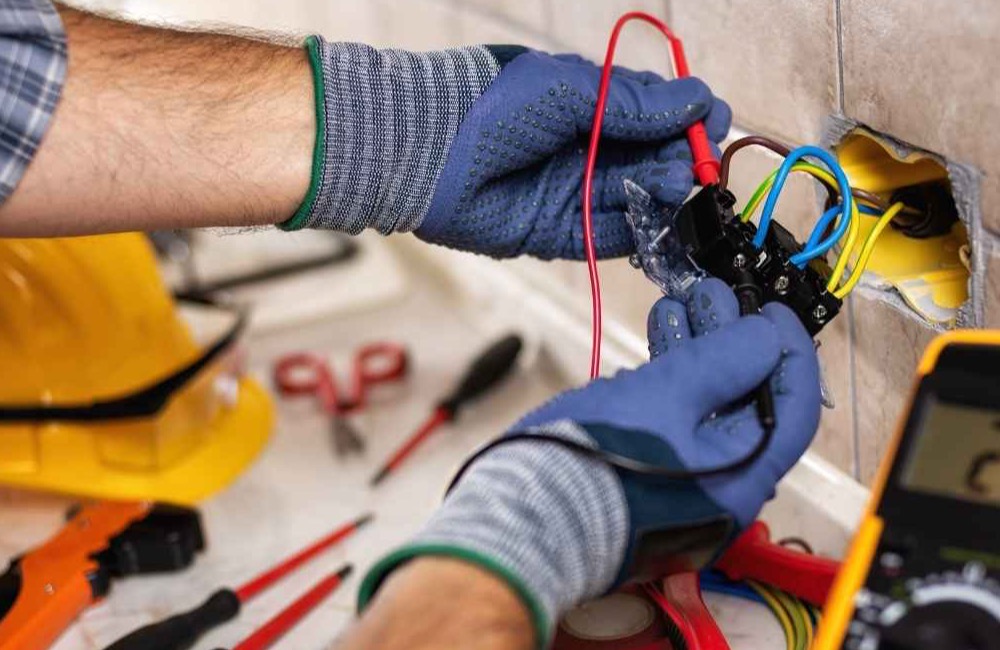
What are high-voltage insulated gloves?
High-voltage insulated gloves are specialized personal protective equipment (PPE) made from high-quality insulating materials to protect against electrical leakage, electric shock, or arc flash hazards. This piece of equipment is a critical first line of defense for those working with high-voltage electrical systems.
Are high-voltage insulated gloves necessary?
The use of high-voltage protective gloves is absolutely essential if you work with electrical systems, especially when handling live wires or equipment through which electricity flows directly. These gloves act as an insulator between your body and the electrical current, protecting you from unexpected accidents.
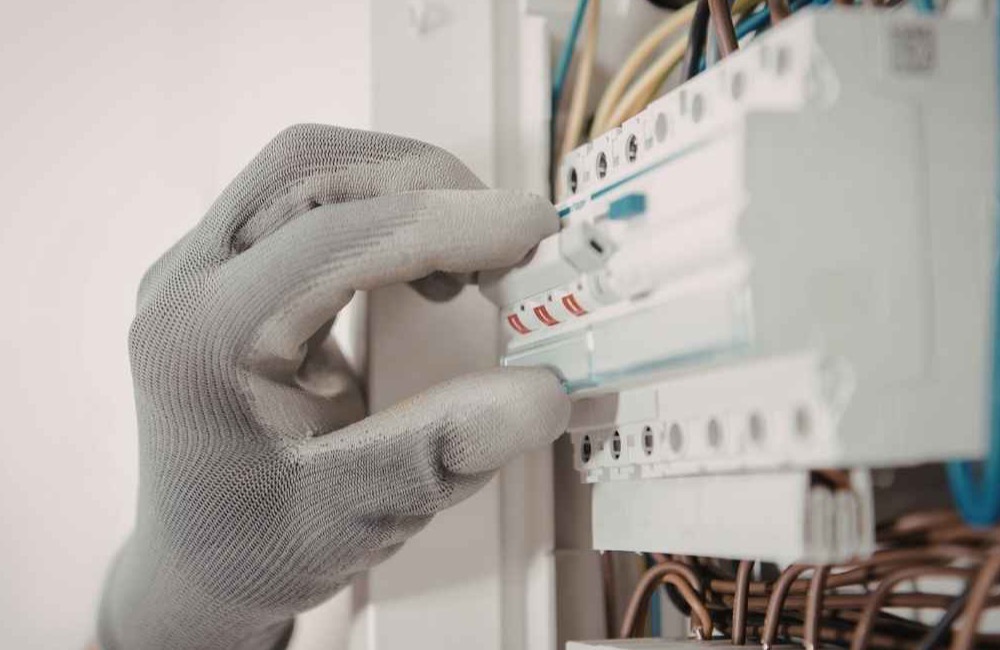
How many types of high-voltage electrical gloves are there?
The high-voltage electrical gloves available in the market are divided into several levels based on their ability to withstand voltage. Choosing the right type of electrical glove for the job is crucial.
Class 1 Electrical Gloves
This type of glove is suitable for industrial work with a maximum operating voltage not exceeding 7,500 VAC. Class 1 electrical gloves can protect against up to 10,000 volts. The operator must clearly check the voltage level at the job site before selecting.
Class 2 Electrical Gloves
Designed for electricity distribution systems with a maximum operating voltage not exceeding 17,000 VAC, these gloves can withstand and protect against up to 20,000 volts. Choosing the correct class reduces life-threatening risks.
Class 3 Electrical Gloves
This is equipment for specialized work involving very high voltage systems. These high-voltage electrical gloves support a maximum operating voltage of no more than 26,500 VAC, with insulating rubber material increasing in thickness according to the level of protection.
Class 4 Electrical Gloves
This is the highest level of protection for high-voltage electrical gloves, designed for a maximum operating voltage not exceeding 36,000 VAC. Users must undergo training and strictly adhere to safety standards when working with this level of voltage.
Maintaining High Voltage Insulating Gloves
The lifespan and effectiveness of high voltage insulating gloves depend on proper maintenance. Based on the experience of SCMA's engineering team, we recommend the following steps for maintaining these gloves.
Checking the Condition of Insulating Gloves
Before each use, check for any leaks by blowing air into the high voltage insulating gloves and securing the cuff tightly. Then observe for any air leakage or listen for escaping air sounds. Users must carefully inspect for cracks, tears, or foreign objects on the rubber surface.
Cleaning Properly
If the insulating gloves are dirty, clean them with only water or mild soap. Do not use gasoline, thinner, or corrosive chemicals to clean them as this will rapidly degrade the rubber insulation.
Drying and Air-Drying
After cleaning, use a soft cloth to remove excess moisture from the high voltage gloves completely. Hang them in a shaded area with good air circulation for drying. Avoid direct sunlight because UV rays can cause the rubber to become brittle and deteriorate.
Storage for Extended Use
Before storing, lightly dust the surface of insulating gloves with talcum powder to prevent moisture absorption and sticking together. Store them flat or carefully rolled up; do not fold in half to avoid creasing the rubber. Keep away from heat sources and chemicals.
Annual Performance Testing
All high voltage insulating gloves must undergo a dielectric strength test (Proof Test) according to international standards at regular intervals. If they are found to be deteriorated, replace them immediately for maximum safety when working with electrical systems.
Steps for Using High Voltage Electrical Insulating Gloves
Working with electrical currents requires strict adherence at every step. High voltage insulating gloves will function effectively only when the user follows the steps correctly.
Check for Leaks Before Use Always
The first step is to open and inflate the gloves by turning them inside out so that air fills them completely. Carefully observe any leaks; if even a small leak is found on high voltage insulating gloves, do not use them under any circumstances to prevent electrical leakage.
Wear Leather Gloves Over Them Every Time
Elastomeric gloves can easily tear from punctures by tools. Users must wear leather gloves over the high voltage insulating gloves every time. This protects the rubber material and extends its lifespan.
Clean After Finishing Work
After completing work, clean high voltage insulating gloves immediately with warm water or mild soap. Allow them to air dry in a shaded area; do not place near heat sources or direct sunlight to preserve the rubber's insulating properties.
Advantages of High Voltage Electrical Insulating Gloves
High voltage electrical insulating gloves are made from high-quality rubber that has insulating properties preventing electric current flow through the human body. The main advantages include flexibility and a non-slip surface for secure grip on tools, effectively reducing life-threatening risks from electrical leakage or shock.
How to Choose High Voltage Electrical Safety Gloves
Selecting safety equipment for electrical systems must prioritize safety standards. The correct way to choose high voltage electrical gloves and high-voltage protective gloves is as follows:
- Check the working voltage (AC) and select a Class of electrical gloves that matches the actual operating voltage level.
- Select products certified by international standards such as IEC 60903 or ASTM D120 for assurance.
- High-voltage electrical gloves must have clear printing of the Class level, size, and production Lot number on the rubber material.
- Check the insulation test certification to ensure that the latest testing date is within the specified period.
- Consider length to cover the wrist and provide leather gloves as an additional layer to prevent high-voltage protective gloves from tearing.
- Learn more about the structure of insulating materials from the article What are Insulated Gloves?.
Safety Standards for Electrical Protection Equipment
Working with high-risk electrical systems requires referencing internationally accepted standards. High-quality electrical gloves must pass these test requirements to ensure maximum safety during use.
- IEC 60903 Standard: A global standard that specifies testing properties specifically for electrical gloves.
- ASTM D120 Standard: Important technical specifications for rubber insulating materials used in high-voltage protective gloves production.
- Dielectric Test: A process to check the insulation capability of materials.
- Physical Test: Evaluates the durability against tearing and breaking of the rubber material.
- A repeat testing cycle every 6 months according to safety guidelines should be established to confirm the effectiveness of electrical protective gloves.
Summary
High-voltage and high-electrical safety gloves are essential items that cannot be overlooked when working with electrical systems. Choosing the correct class along with proper maintenance will ensure that your high-voltage protective gloves provide maximum protection for you. If your factory is looking for comprehensive measurement and automation solutions, SCMA is ready to consult with a team of expert engineers.
If you want to buy high-voltage safety gloves, you can purchase them from SCMA today!
Safety in the workplace is the highest priority for SCMA Co., Ltd. If you need high-quality high-voltage safety gloves that meet international standards, we offer Hot Line Tools and Equipment, as well as all industrial equipment. Our team of engineers is ready to provide advice on selecting the appropriate high-voltage protective gloves for your system.
Frequently Asked Questions
How long do electrical insulating gloves last?
New high-voltage insulating gloves that have not been used can be stored for as long as the manufacturer specifies. However, once they are in use, they should be retested for insulation condition every 6 months to ensure maximum safety.
Why wear leather gloves over electrical insulating gloves?
Rubber insulating gloves may puncture easily from sharp objects; wearing leather gloves on top provides protection against mechanical damage during work operations.
Can Class 0 electrical insulating gloves be used for high voltage?
No, Class 0 gloves are designed for low-voltage systems up to 1,000 volts. When working with high-voltage wires, always choose the appropriate class based on the job site's voltage.
Can thinner be used to clean insulating gloves?
Absolutely not; harsh chemicals like thinner can corrode and degrade the rubber insulation. Gloves should only be cleaned with mild soap and water.
How do you know if electrical insulating gloves are leaking?
You can initially check by blowing air into the glove, then tightly sealing the cuff of the glove to listen for any escaping air sounds or observe whether the glove deflates.