

Have you ever wondered why electricians don't use regular ladders when working at heights with electrical leakage? Insulated ladder, or fiberglass ladder, is the answer that has saved many electricians' lives. SCMA introduces safety equipment solutions to help make your work risk-free. This article will delve into every aspect from how to choose and purchase them to proper maintenance for maximum value.
What is an Insulated Ladder?
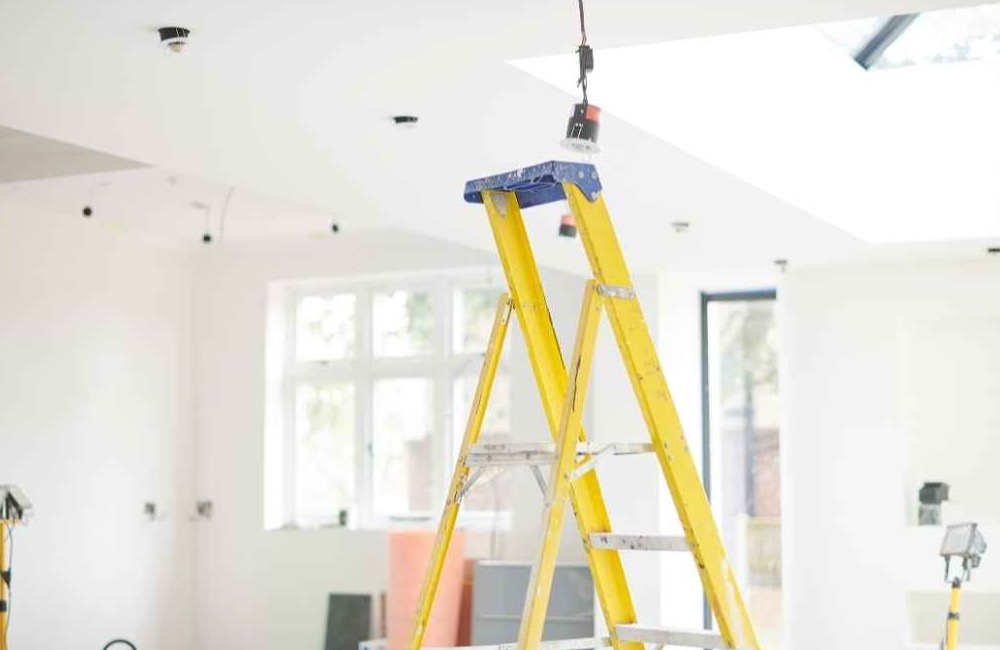
An insulated ladder is a climbing device made from non-conductive materials such as fiberglass (FRP), specifically designed for electrical work. This type of structure prevents the flow of electric current through the person to the ground, serving as excellent protection against electrical shock accidents while working at heights.
How Insulated Ladders Work
This type of ladder relies on the physical properties of materials to completely cut off electrical circuits. Let's look at the details of how it works, ensuring safety for field engineers to apply.
Electrical Resistance with Fiberglass
The main structure is made from Fiberglass (FRP), which has a very high electrical resistance value. This material does not allow electrons to pass through it at all, so when electricians work on electrical systems on fiberglass ladders, they can be assured that the ladder will not become an electrical conductor.
Blocking Electrical Path Down to Ground
If a user accidentally touches a wire in an unforeseen situation, this equipment serves to block the current from flowing through their body down to the ground. This prevents them from completing an electrical circuit, providing the best protection against fatal electric shock for maintenance work.
High Voltage Safety Standards
This type of tool is designed to withstand high levels of test voltage, capable of handling everything from low-voltage indoor electricity to high-voltage outdoor repairs. It effectively protects against induced electrical hazards.
How many types of electrical ladder are there?
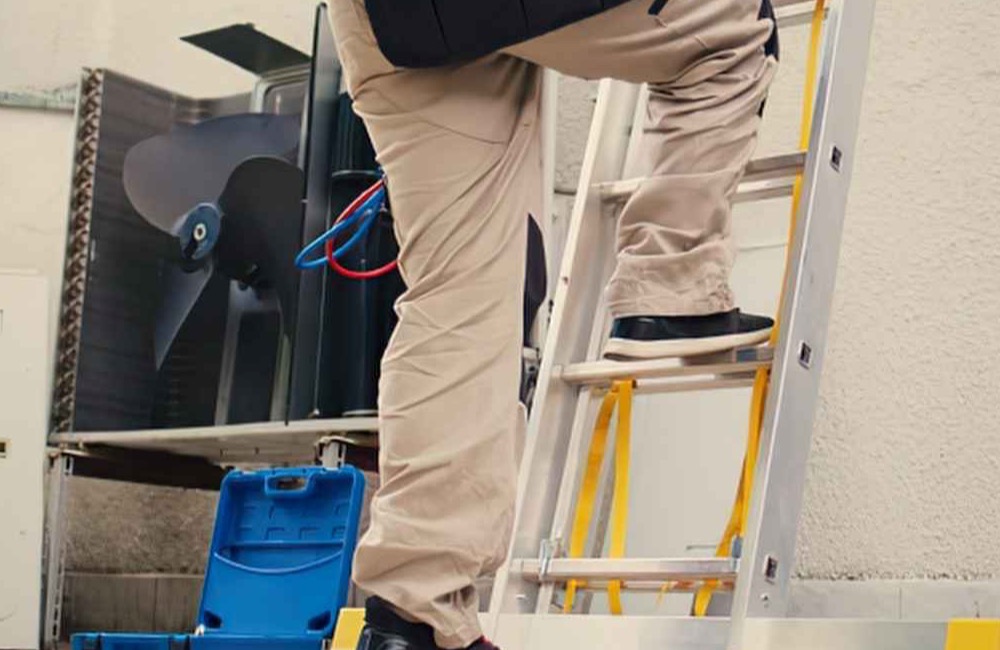
Selecting the right shape for your job site can increase flexibility while maintaining safety levels. Currently, fiberglass ladders in the market can be broadly categorized into two main types that contractors commonly use.
Foldable Single Section Ladder (FRP Insulated Rod Ladder)
This fishing rod-style ladder is lightweight and features a convenient folding function, making it easy for workers to carry to different job sites. It's ideal for initial electrical system checks where quick mobility is required.
Sliding Extension Ladder (FRP Extension Ladder)
The sliding extension ladder is designed for maintenance work that requires extra height. The sturdy structure supports heavy loads well, and electricians can adjust the length to fit the distance of power lines or sub-stations, ensuring maximum safety during operations.
Maintenance of Insulated Ladders
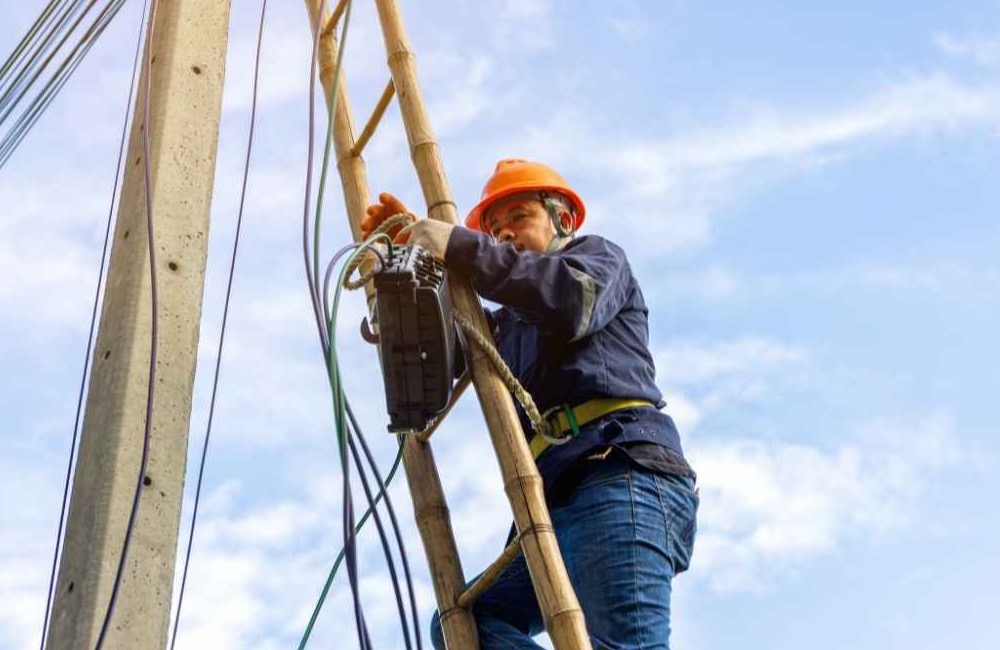
To extend the lifespan of such tools, proper maintenance is essential. The SCMA engineering team has a checklist of maintenance steps to ensure long-lasting insulation performance.
Cleaning After Use
Users should wipe off dirt from fiberglass ladders immediately after use with a soft cloth dampened in mild soap water. Do not use harsh chemical cleaners as they may damage the insulating coating prematurely.
Proper Storage Area
The storage area should be shaded, dry, and well-ventilated. Avoid placing them under direct sunlight or in humid areas. UV rays from the sun are a major factor that causes fiberglass structures to become brittle and prone to cracking.
Pre-use Inspection
Before starting any electrical work, conduct a thorough external inspection for cracks, dents, or peeling of the coating layer. If even minor damage is found, stop using it immediately to prevent electrical leakage risks.
Mechanical Maintenance for Sliding Ladders
Sliding or telescopic ladders have moving joints with locks that require special care. Use multi-purpose lubricating oil regularly on the pulley joints to ensure smooth operation when adjusting height levels.
Caution Regarding Chemicals
Avoid using thinner, gasoline, or any solvents to clean the ladder as these substances react with polymer structures and permanently degrade its insulating properties.
Using Insulating Ladders
This type of tool plays a crucial role in almost every aspect of electrical engineering. Let's look at some real-world applications that help reduce risks for industrial maintenance teams.
Maintenance Work on Various High Voltage Levels
Climbing up to replace equipment on power poles or repairing indoor wiring all require the highest level of safety. Insulating fiberglass ladders serve as a barrier, preventing electricians from being shocked if they accidentally come into contact with live circuits.
Working in Substation Areas
The substation area is filled with high-voltage electrical equipment that poses risks for arc flash incidents. Using FRP (Fiberglass Reinforced Plastic) ladders, which do not conduct electricity, allows engineers to inspect or maintain switchgear confidently.
Working in Tandem with Insulation Testing Equipment
The SCMA engineering team recommends using the ladder alongside an insulation tester. Evaluating the condition of wiring while standing on a non-conductive ladder increases safety levels for every project.
Benefits of Electrical Insulating Ladders
In addition to being the heart of safety, this equipment also offers several advantages that meet the needs of industrial work. Here are the reasons why you should switch to fiberglass ladders.
Absolutely Prevents Electric Shock
The most important feature is that fiberglass material has non-conductive properties, effectively blocking the path of electron flow perfectly. This allows electricians to work on electrical systems safely without worrying about electricity leaking onto the ground.
Highly Durable Structure
Fiberglass ladders that meet standards are designed to support a weight of up to 150 kilograms, including the user and tools. This eliminates problems such as ladder instability or inability to bear weight during high-altitude work.
Resistant to All Environments
The FRP material has an advantage over metal in that it does not rust, is resistant to moisture, heat, and various corrosive chemicals. Therefore, it is suitable for rugged use in all types of industrial plants.
Variety of Styles Available
Manufacturers have designed ladder shapes to cover every type of work, from small portable step ladders to extra-long sliding models. This caters to the needs of electricians and allows them to work flexibly.
How to Choose an Insulated Ladder
Purchasing safety equipment requires careful consideration to prevent losses in the future. The team summarizes a checklist for selecting high-standard fiberglass ladders as follows:
- Check for genuine fiberglass material: Ensure that the insulated ladder is made of high-quality FRP that resists electrical current and does not rust, making it suitable for electrical work.
- Look for international standard symbols: Safety equipment must be certified with reliable manufacturing standards such as ANSI or EN to guarantee structural quality.
- Check the voltage resistance level: Clearly read the specifications sheet to determine at what voltage the ladder can protect against high-voltage electricity, ensuring it matches actual job requirements.
- Consider weight capacity: Choose a model that can support at least 100-150 kilograms for the electrician's body and tools to ensure stability.
- Select a shape suitable for the work: Consider the height of the working area to decide between A-frame, step-over, or slide models for maximum flexibility.
Cautionary Measures When Using Insulated Ladders
Achieving maximum safety when working at heights relies not just on the ladder alone. Electricians should use them cautiously and wear protective gear according to engineering safety principles.
- Avoid overloading: Do not exceed the weight capacity specified on the label of the ladder.
- Use a fall arrest harness: Always secure a fall arrest harness to a stable anchor point when working at heights.
- Wear electrical gloves every time: Always wear appropriate voltage-resistant rubber gloves with fiberglass ladders for each job site.
- Check the ladder placement surface: Place the ladder feet on a flat, strong, and non-slip surface to prevent tipping during work.
Summary
Insulated ladders, or fiberglass ladders, are crucial barriers that protect electricians from electrical accidents in all levels of electrical work. If you're looking for internationally certified safety equipment, SCMA is ready to partner with you to provide high-quality tools and expert consultation services.
If you want to buy insulated ladder, SCMA is now available for purchase!
Investing in safety is the most worthwhile investment in an industrial plant. Company SCMA specializes in distributinginsulated ladders, as well ascomplete tool sets. We offer Project & Solutions services that are ready to visit the site for a real assessment so you can receive fiberglass equipment that accurately meets your high-voltage electrical needs.
Frequently Asked Questions
What materials are insulated ladders made of?
The main structure is produced from fiber glass (FRP), which has non-conductive properties, is strong and durable, and lightweight.
How many volts can a fiberglass ladder withstand?
This varies by model specifications; most are tested to withstand voltages up to 25,000 - 30,000 volts.
Can insulated ladders be left out in direct sunlight?
Avoid leaving them exposed to direct sunlight for long periods as UV rays can degrade the fiber glass coating and cause structural damage.
How do fiberglass ladders differ from aluminum ones?
Fiberglass ladders are non-conductive, making them safe for electrical work. In contrast, aluminum ladders are conductive materials with high risk.
What should you do if cracks appear on a fiberglass ladder?
Stop using it immediately and do not attempt to repair it with tape to prevent current leakage through the damaged area.




