
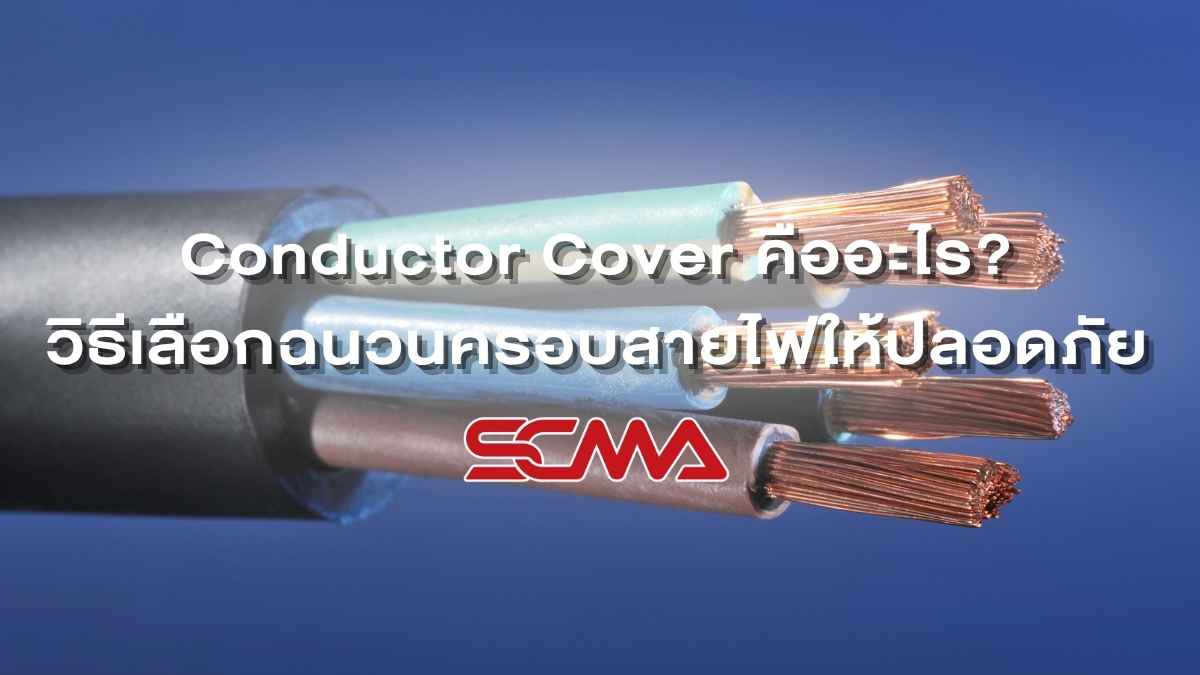
Why do electrical short circuit accidents still occur frequently in construction sites or along power lines? This issue can be prevented by using Conductor Cover, also known as wire line guards, which SCMA, an expert company in industrial measuring tools and automation systems, provides accurate information about. This article will guide you through the working principles, benefits, and detailed methods for selecting conductor covers to ensure maximum safety during operations.

What is a Conductor Cover?
A Conductor Cover is a wire line guard designed to prevent direct contact with wires, thereby preventing electrical short circuits. This device can be used to cover both high-voltage and low-voltage wiring systems. It is commonly installed near construction sites, trees, or other risky areas. Installing conductor covers effectively prevents electric shocks for people or animals working near power lines.
How Conductor Covers Work
This type of insulating cover is made from special polymer materials that are resistant to high voltage, such as the 33 kV model. The design is weather-resistant and flame-retardant with excellent UV protection.
Avoid Accidental Contact
The primary function is to tightly encase exposed conductors (Bare Conductors). This method of covering wires helps prevent direct electrical shock hazards, preventing flashovers in cases where people, machinery, or tree branches come into close contact with the wires.
Allow Work While Live-Line Working
An electrician or hot-line team can install this insulating cover on live wires immediately. This type of work increases safety during maintenance or expansion of power lines in nearby areas, allowing continuous operation without interrupting the current flow.
Secure Locking onto Wires
The device is designed with a central groove or tube for ease of use. Electricians can quickly clamp and slide the cover along the wire using a hot stick. The locking system of the line guard ensures a secure grip on the wires, preventing them from easily falling off.
How many types of Conductor Cover are there?
The conductor cover line is categorized based on the level of electrical voltage capacity. Choosing the correct insulation cover according to the voltage level will ensure maximum safety during operation.
Type 26 kV (or 26.4 kV)
This model is suitable for standard high-voltage power lines. The conductor covers have a standard length of 5 feet (1.5 meters). Its primary function is to prevent electrical leakage, reducing the risk of accidents caused by accidental contact with live wires during work.
Type 33 kV
This model is designed for high-voltage systems that operate at a higher voltage level. The materials used are special insulating materials resistant to harsh weather conditions. Installing this type of conductor cover increases confidence when working near large power lines.
Main Purpose of Conductor Cover
The line guard is an electrical insulation device made from high-voltage-resistant plastic or synthetic rubber. Maintaining the equipment in perfect condition ensures that the following objectives are achieved:
Prevent Construction Site Accidents
This equipment is used to cover both high and low voltage power lines near construction sites. Installation helps prevent dangers from cranes or machinery working close to power lines, ensuring safety for workers who need to work at heights.
Protect Against Natural Hazards
In areas with dense vegetation, using conductor covers is an effective way to prevent branches from coming into contact with power lines. Covering the wires prevents insulation damage that could cause sparks and reduces the risk of fires or short circuits during strong winds.
Durable and Safe
The equipment is designed as a durable electrical insulator resistant to weather, sunlight, and ozone. The design includes grooves for technicians to safely install covers on live wires using tools.
Usage of Conductor Cover
The conductor cover serves as insulation designed to prevent accidental contact with live wires. Proper usage reduces the risk of electrical short circuits and protects life, property, and animals that may come into contact with the wires.
Cover for High and Low Voltage Wires
The primary application is installing it as insulation at wire connection points to prevent hazards. Wire covers can be used in both high voltage or low voltage systems, allowing maintenance personnel to work smoothly without worry.
Protecting Hazardous Areas
Installing insulated wire covers around construction sites is a crucial safety standard. Covers should be installed near trees and high-voltage wires that pass close to building windows. Preventing these risks significantly reduces the likelihood of electrical accidents.
Safety Equipment During Work
This equipment greatly enhances safety for electricians when performing maintenance on systems. Working near live wire lines is highly risky, making insulation covers an essential tool that Hotline teams cannot do without.
Advantages of Conductor Cover
The wire insulation covers from SCMA stand out with the use of premium-grade materials that effectively protect against high voltage. The equipment is lightweight, easy to install, and helps maximize safety for electricians during work.
High Insulation Performance
Our product is made from EVA material which has properties resistant to real-world job conditions. This material can effectively prevent high-voltage currents. Using high-quality insulation prolongs the lifespan of equipment over time.
Work Safety
The key advantage is preventing dangers from potential short circuits or electrical leaks that could occur at any moment. Covering wires helps reduce accidents for electricians while repairing cables, making work near power lines safer according to international standards.
Designed for Real-World Use
The equipment is lightweight, allowing electricians to install it conveniently and quickly. We offer various models to choose from, such as model KAHIS-CDT-2-30. Selecting the right size ensures a snug fit around the wires.
Increases Convenience in Work
The wire cover can be used seamlessly with other safety equipment. Tools in the Hot Line category can work immediately with this insulation cover. Integrating these tools helps teams operate more efficiently.
How to Choose Conductor Cover
Selecting the right Conductor Cover or line guard should primarily consider on-site factors. Choosing the correct equipment can effectively reduce the risk of electrical accidents as described in this article: How Do Covered Conductors Reduce The Risk Of Electrical Accidents?
- Voltage Rating: Must match the voltage of the on-site cables, such as 33 kV or 26 kV models. The equipment must pass insulation testing to meet standards.
- Conductor Size: Measure the diameter of the cable and check that the groove size of the insulating cover fits properly. A snug fit will prevent the equipment from coming loose easily.
- Length: Typically 5 feet long, should be calculated to provide sufficient coverage for preventing electrical leakage at the required point.
- Material: Should be made of special plastic with insulating properties that are weather-resistant and UV resistant.
- Type of Installation: If using temporary cable covers, choose a model designed for easy installation with Hot Stick.
- Distributor: Purchase from an experienced safety equipment distributor.
Installation Precautions
The installation of Conductor Cover requires expertise to ensure maximum safety. Neglecting precautions can lead to high-voltage electrical hazards.
- Check Condition of Equipment: Before each use, inspect the insulating cable cover for cracks, breaks or damage. Replace immediately if any issues are found.
- Use Compatible Tools: When installing line guards on live-line systems, always use tested insulated tools such as Hot Stick.
- Wear PPE: Workers must wear full protective gear including electrician gloves, arm sleeves and safety helmets.
- Evaluate Weather Conditions: Avoid installation during heavy rain, strong winds or excessively high humidity levels.
Summary
Conductor Cover, or electrical wire insulation, is a crucial device that helps prevent short circuits and ensures maximum safety for personnel working near electrical wiring. Choosing high-standard line guards and installing them correctly should not be overlooked. If you are looking for high-quality equipment, SCMA Company is pleased to provide consultation along with offeringcomprehensive automation solutions to enhance safety in your factory.
If you want to buy Conductor Cover, SCMA is available for purchase today!
Safety when working with electrical systems cannot be compromised. Investing in high-quality Conductor Covers is protecting the most valuable lives or assets. If you need experts who truly understand industrial systems, SCMA is ready to provide distribution services of wire insulation and electrical safety equipment. We have a team of engineers available for consultation, project design, and easy-to-reach after-sales service to meet all your needs.
Frequently Asked Questions
What materials are Conductor Covers made from?
They are typically made from polymer materials, special plastics, or synthetic rubber. These materials have high electrical insulation properties and are resistant to weather conditions including UV radiation.
Can line guards be reused?
They can be reused if the equipment is still in good condition. Electricians must check for cracks or damage before reinstalling them over wires each time.
Do you need to turn off the power when installing wire insulation?
It's not necessary to cut the current if using equipment designed for Live-Line Working. Electricians can safely install it using a Hot Stick.
How should I choose the size of Conductor Covers?
The groove size of the insulation must fit the diameter of the wire. Choosing the correct size ensures that the device locks securely and does not fall off when encountering wind force.
Does SCMA offer consultation services for electrical safety equipment?
SCMA has a team of expert engineers ready to provide consultation on selecting electrical safety equipment. We are prepared to present the most suitable solutions for your factory.




