

Why must workers dealing with electrical systems wear Insulating Gloves or electric insulating gloves for safety every time they perform tasks? SCMA Co., Ltd. (SCMA), as an expert in safety equipment and industrial measuring tools, recommends the most important protective device against electrical shock on-site. This article will guide you through understanding how it works, maintenance checklists, all the way to selecting the right rubber gloves for maximum safety.
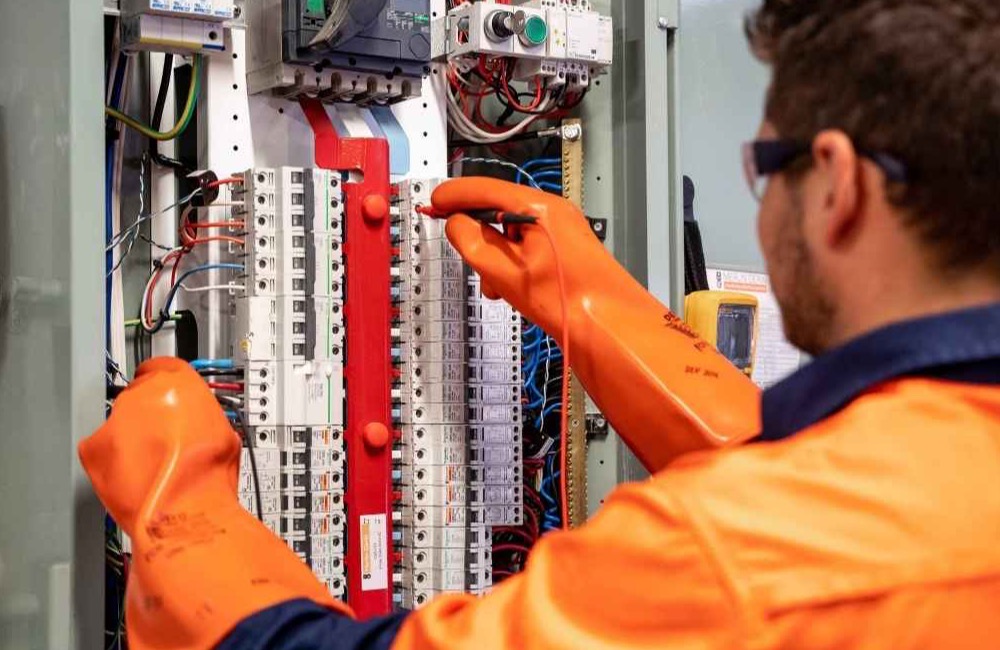
What are Insulating Gloves?
Insulating Gloves or electric insulating gloves are a basic personal protective equipment (PPE) that electrical engineers cannot do without. These devices are made from high-quality natural rubber or synthetic rubber, which have insulating properties to prevent the flow of electrical current through the worker's hands. Rubber shock-absorbing gloves effectively protect against severe dangers such as electric shocks or electric burns.
How Insulating Gloves Work
Insulating gloves work by creating an electrical insulation layer. This design is intended to prevent electric current from flowing through the worker's body in case of accidental contact with energized parts.
High Electrical Resistance (Electrical Resistivity)
The materials used to manufacture insulating gloves, such as natural rubber or synthetic rubber, have extremely high electrical resistance. These materials act as a barrier preventing electric charge from leaking into the body during contact with equipment, thus providing complete protection against an electric circuit passing through the body to the ground.
Voltage Withstand
Insulating gloves are designed and tested to withstand voltage levels according to the standards (Class) of each model. Electric current cannot penetrate through the rubber material of properly manufactured gloves. Users must operate within the voltage limits specified on the product.
Arc Flash Protection
In addition to preventing electric shock, insulating gloves also help reduce the severity of high-temperature contact. This PPE equipment provides some level of protection against arc flash hazards caused by electrical faults (Arc Flash), thereby increasing worker safety in emergencies.
How Many Types of Insulating Gloves Are There?
The protective level of Insulating Gloves is classified based on their ability to withstand electrical voltage according to international standards. According to the ASTM D120 standard, insulating gloves are divided into 6 classes as follows:
- Class 00: Protects against a maximum working voltage of 500 V
- Class 0: Protects against a maximum working voltage of 1,000 V
- Class 1: Protects against a maximum working voltage of 7,500 V
- Class 2: Protects against a maximum working voltage of 17,000 V
- Class 3: Protects against a maximum working voltage of 26,500 V
- Class 4: Protects against a maximum working voltage of 36,000 V
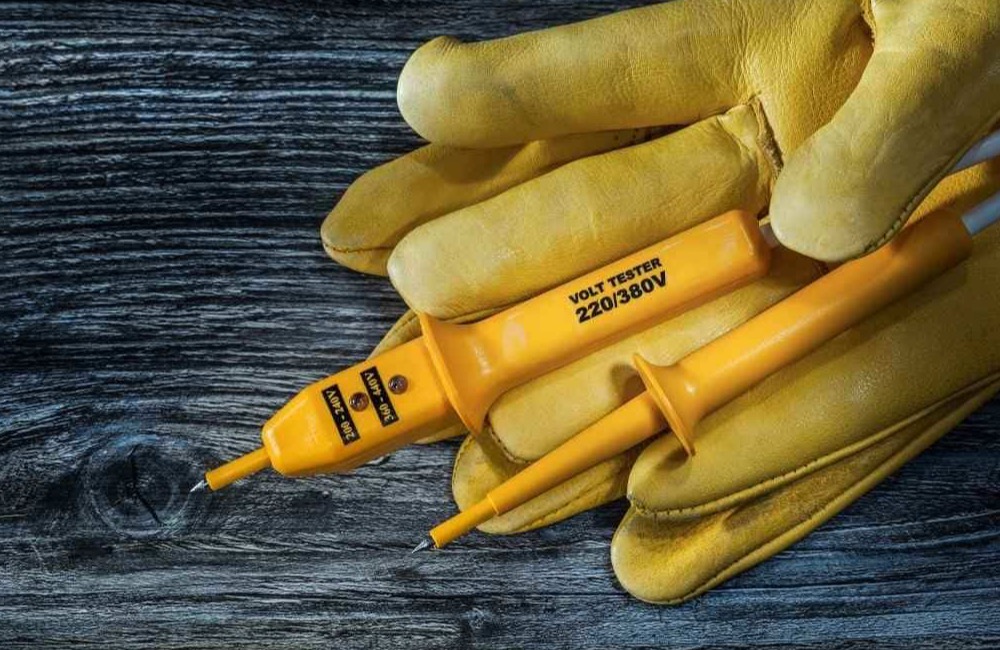
The user must always wear leather protectors (Leather Protector) over the outside to prevent tearing.
Maintenance of Insulating Gloves
Proper maintenance of insulating gloves according to international standards is crucial for extending their lifespan. Based on the experience of SCMA's engineering team, we recommend the following steps to maintain safety standards:
1. Inspection Before Use (Inspect Before Every Use)
The user must inspect the condition of insulating gloves every time before wearing them for actual work by inflating air into the gloves to check for any leaks or tears with the naked eye. If damage is found or there are corrosive chemical stains, a new set of equipment should be replaced immediately to prevent danger.
2. Cleaning (Cleaning)
If insulating gloves become dirty, they should be cleaned using clean water or mild soap without bleach. After cleaning, dry them with a clean cloth and air-dry in the shade; avoid direct sunlight as heat can cause rubber deterioration.
3. Storage (Storage)
This type of PPE should be stored flat without folding, bending or compressing. Insulating gloves should be kept in a dedicated protective bag within a cool and dry room to prevent ozone damage to the rubber material.
4. Periodic Dielectric Testing (Periodic Dielectric Testing)
Insulating gloves must undergo dielectric property testing (Dielectric Test) according to ASTM F496 standards every 6 months after initial use to confirm that electrical resistance values continue to function safely as intended.
Additional Precautions
The user should always wear leather protectors on the outside to prevent cuts from sharp objects penetrating insulating gloves. If damage occurs, do not attempt to repair or patch the insulating gloves yourself; users must destroy that piece of equipment to prevent reuse.
Proper Use of Insulating Gloves
The correct use of insulating gloves helps prevent electrical shock, short circuits, and arc flash incidents. Workers must understand the principles of using insulated gloves in real work situations as detailed below.
Usage in Industry
Electrical rubber gloves are primarily used for maintenance work on industrial power systems, covering everything from installing low voltage electrical equipment to high voltage installations, including substation work and power transmission line repairs.
Safety Accessories
The most important safety rule is always to wear leather protectors over rubber insulating gloves. The outer layer of leather gloves serves to prevent the rubber from tearing, peeling, or being punctured by metal fragments, thus losing its insulation properties.
Pre-Use Inspection
Workers must check for leaks in insulated gloves by inflating them before starting work every time. Regularly observing signs of wear and tear beforehand helps prevent serious accidents caused by electrical leakage during actual work.
Selecting Usage Standards
Engineers should choose the appropriate class level of insulating gloves based on the voltage of the system they need to handle. This type of PPE must be regularly tested for insulation performance in a laboratory according to time intervals for maximum safety.
Advantages of Insulating Gloves
The advantages of insulating gloves include their effectiveness in preventing electrical current from passing through the body, ranging from low voltage to high voltage levels. Insulated gloves provide reliable protection against electric shock and are designed to be easy to wear, snug, and flexible when used with leather gloves for puncture resistance.
How to Choose Insulating Gloves
Selecting insulating gloves from a leading distributor like SCMA requires considering several factors to ensure the highest level of safety for PPE. Tips from real-world experience include checking off items on the following checklist:
- Select the correct voltage class (Class) according to actual usage, always choosing a Class that supports higher voltages than the work environment (from Class 00 which withstands up to 500 V to Class 4 which withstands up to 36,000 V).
- Check safety standards; insulating gloves must be certified according to international standards such as IEC 60903 or ASTM D120 (for more detailed information about standards, see the article What are Insulated Gloves)
- Select a type of rubber that suits the work environment, either natural rubber (Type I) which is highly flexible or synthetic rubber (Type II) which is ozone and chemical resistant.
- Select the size and length to fit snugly on your hand (Size 8-11), choosing lengths from 14 to 18 inches for arm protection.
- Order with additional safety accessories by purchasing leather protectors to wear over them every time, extending their lifespan.
Why Should You Buy Electrical Safety Equipment From Experts?
Purchasing insulating gloves is a matter of life and death (YMYL), so it's important not to buy from unreliable sources. Buying insulating gloves from experts provides greater assurance in multiple dimensions.
- The products undergo strict quality control (QC) checks, stored in temperature-controlled rooms according to international standards before delivery.
- There is a team of expert engineers available for consultation on selecting the correct voltage class (Class) of insulating gloves that matches the nature of work.
- A complete range of accessories such as leather protectors or insulated rubber glove bags can be provided in one place.
- Clear after-sales service with a system to notify when it's time to send PPE back for insulation testing.
Summary
Insulating Gloves are an essential safety equipment that electricians cannot do without when working with electrical systems. Understanding how to properly select and maintain insulating gloves helps create a safe work environment free of accidents. If your organization is looking for high-quality personal protective equipment solutions, SCMA is ready to be your trusted partner in providing reliable products.
If you want to buy Insulating Gloves, you can purchase them from SCMA today!
Electrical shock safety should not be compromised. Investing in high-standard insulating gloves is more worthwhile than accepting risks in industrial settings. SCMA Co., Ltd. (SCMA) offers services for consultation and distribution of high-quality insulating gloves, as well as measurement tools products, testing equipment, and high-voltage electrical tools and equipment that are carefully selected to enhance the safety of your organization.
Frequently Asked Questions
How long do electrical insulating gloves last?
The lifespan of electrical insulating gloves depends on their storage and actual usage. Users must send the equipment for a leakage current test every 6 months according to safety standards.
Can regular rubber gloves be used as an alternative to Insulating Gloves?
Operators cannot use them interchangeably under any circumstances. Electrical insulating gloves are specially manufactured and tested to withstand high voltage. Regular gloves do not have sufficient insulation properties.
Why wear leather protectors over electrical insulating gloves?
The leather protector (Leather Protector) serves to shield the electrical insulating gloves from scratches or cuts from sharp objects. If the rubber is torn, electricity can immediately penetrate into the body.
What dangers do oil stains pose on electrical insulating gloves?
Chemicals, oil stains, or grease will react with and corrode the rubber of the electrical insulating gloves. This degradation reduces electrical resistance, leading to potential hazards from leakage currents.
How should Insulating Gloves be stored properly?
Operators should store Insulating Gloves flat in a dedicated bag; folding the rubber is strictly prohibited. Store them in a cool and dry room to prevent premature deterioration of the rubber.




