
Infrared cameras are a type of equipment that allows us to see the infrared radiation or heat energy emitted by various objects, which is invisible to the human eye. They convert thermal energy into visible images by displaying different colors according to temperature levels. This article will introduce you in detail to infrared cameras, from their working principles and types to their benefits and applications.
What are Infrared Cameras?
Infrared cameras (Thermal imaging camera) are advanced technology that allows us to see the world in a new dimension through detecting invisible energy. They are designed to capture thermal radiation emitted from objects and surfaces, allowing them to display temperature maps using different colors to indicate varying levels of heat. Unlike regular cameras which rely on visible light, infrared cameras detect infrared radiation released by all objects according to their temperature level, enabling them to function even in complete darkness or heavy fog.
What are the main functions of an Infrared Camera?
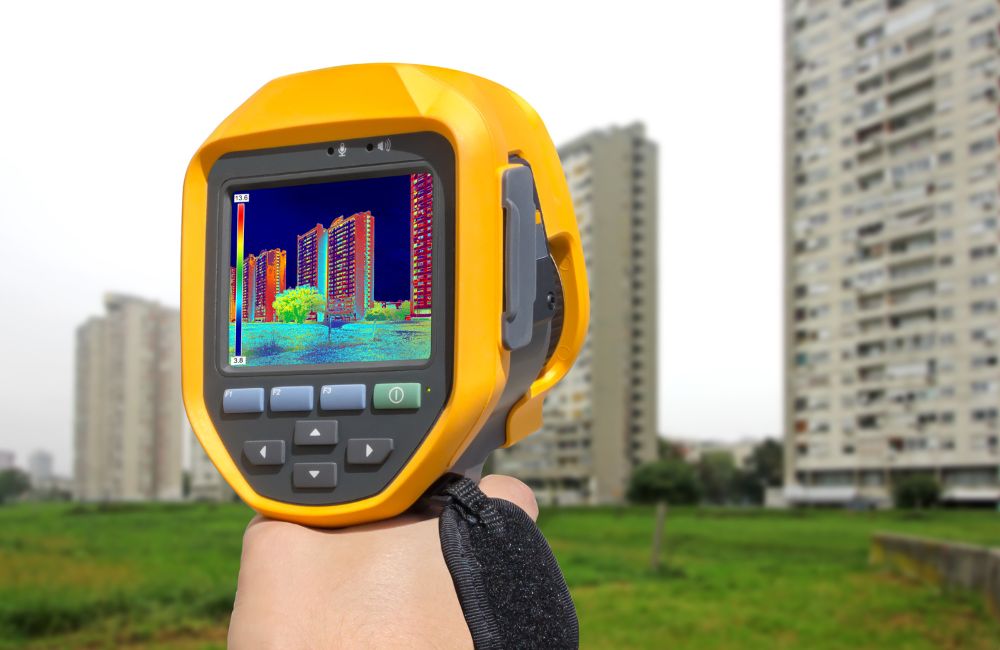
An infrared camera, or Heat Camera, primarily serves to measure and display the temperature of objects in image form. It shows different color bands and temperature values for various objects, allowing users to see thermal variations that are invisible to the naked eye. However, the camera itself cannot analyze or determine whether the equipment or machinery being measured is functioning normally or has malfunctioned. Users need technical knowledge and standard data about the specific equipment to interpret results accurately.
Benefits of Thermal Imaging Cameras
Thermal Imager Technology has revolutionized inspection and analysis methods across various industries. With the ability to see temperature differences that are invisible to the naked eye, it enables early identification of issues before they escalate into serious damage. These cameras not only save costs in the long run but also enhance safety and operational efficiency.
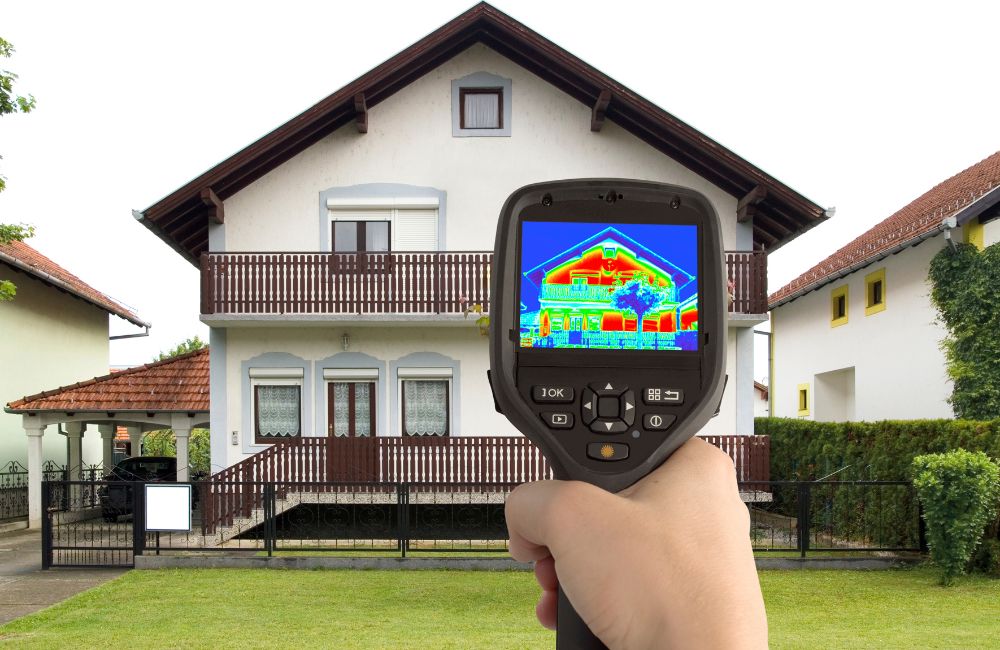
- Building Inspection - Detect thermal leaks, insulation problems, and moisture damage.
- Electrical System Inspection - Identify hot spots in electrical circuits, insulation, and transformers before they cause damage.
- Firefighting and Rescue Operations - Help see through smoke to locate victims and fire sources.
- Security - Detect and track individuals or objects efficiently in the dark.
- Predictive Maintenance - Identify abnormalities in machinery before costly breakdowns occur.
How Does a Thermal Imager Work?
A thermal imager, or thermographic scanner, operates on the scientific principle that all objects with temperatures above absolute zero emit and can be detected for measuring quantities of heat energy in the form of infrared radiation, which is invisible to the human eye. Special sensors in the camera convert this infrared energy into electrical signals, which are then processed and displayed as a color map showing temperature differences. Typically, red and yellow areas represent warmer zones, while blue and purple areas indicate cooler zones.
How Many Types of Thermal Cameras Are There?
Thermal Camera comes in various forms designed to meet specific needs and different usage environments, ranging from compact models for general users to complex systems for scientific and military applications. Each type has unique features tailored to address specialized requirements.
- Handheld Camera - Lightweight, portable, easy to use, suitable for field inspections, building maintenance, and general repairs.
- Drones Mounted Cameras - Provide valuable aerial views useful for inspecting large areas such as solar panels, roofs, and high structures.
- Integrated Camera Systems - Integrate with other systems like building management or fire equipment to provide real-time temperature data.
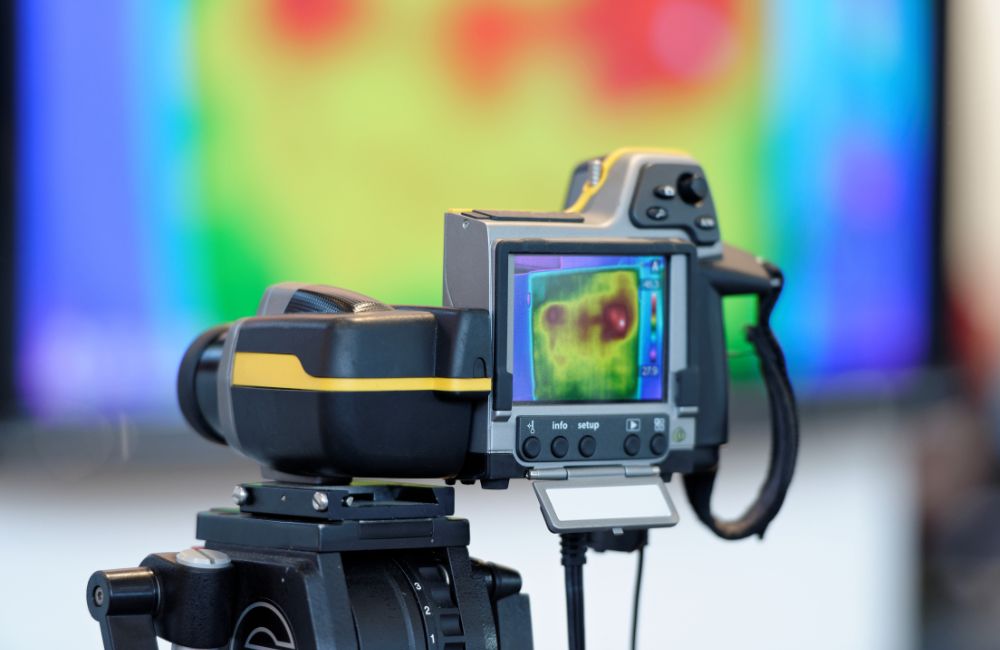
- Professional Cameras - High-resolution, superior accuracy, advanced features for analysis, research, and use in complex industries.
- Budget Cameras - Affordable, designed for DIY projects, home use, and beginners exploring thermal imaging technology.
Interested in Thermal Imaging Cameras? You Can Buy from SCMA Today!
SCMA is proud to offer high-quality thermal imaging cameras from leading global brands, carefully selected to meet the needs of customers at all levels. Whether for industrial use, construction, security, or scientific research, we have a team of experts ready to consult and recommend products that suit your specific requirements. Our comprehensive after-sales service includes training, calibration, and maintenance to ensure you get the most out of your thermal imaging camera over time. Contact SCMA today to receive special offers and superior services!
Summary
Thermal imaging cameras are highly beneficial in various industries and applications. With the ability to see temperature differences that the naked eye cannot, they can detect hidden issues ranging from heat leaks in buildings, electrical equipment deterioration, to medical diagnoses.
Choosing the right thermal detector involves considering several factors such as sensor type, resolution, temperature measurement accuracy, and additional features to suit specific usage conditions and budgets.
SCMA is committed to being your trusted partner in providing high-quality thermal imaging cameras and comprehensive services. We aim to deliver tailored solutions for each business need along with technical support from our experienced team.
If you are looking for reliable quality and service in thermal imaging cameras, SCMA is the best answer for you!
Frequently Asked Questions
What is a Thermal Camera used for?
A Thermal Camera is used to detect and display temperature differences in various objects. It can be applied in many ways, such as checking electrical systems to find abnormally hot spots that may indicate faulty wiring, inspecting building insulation to locate heat leaks, detecting wildfires or hotspots over large areas, searching for victims in thick smoke, and aiding medical diagnoses like identifying inflammation or blood flow abnormalities.
What are the disadvantages of an Infrared Thermal Camera?
Infrared thermal cameras have several drawbacks:
- High cost, especially for high-resolution and accurate models
- Cannot penetrate certain materials like glass due to the reflection of infrared radiation by glass
- Temperature measurement accuracy can be affected by environmental factors such as humidity, dust, or weather conditions
- Requires interpretation and understanding of the images, which may require specialized training
- Battery life is limited, especially in high-performance models
- Image resolution is often lower than that of standard cameras
How does a Thermal Imaging Camera work?
A Thermal Imaging Camera works by using special sensors called microbolometers, which can detect infrared radiation in the wavelength range of 7-14 micrometers (the thermal radiation emitted from common objects). When infrared radiation hits the sensor, it causes a change in electrical resistance, which is measured and converted into digital signals. The camera's processor then converts this data into temperature values and creates an image showing the distribution of temperatures on the surface of the object being inspected. Generally, red, orange, and yellow colors represent warmer areas while blue and purple indicate cooler ones.
How does a Thermal Camera display images?
A thermal camera displays images in the form of a color map (thermal map) where each color represents different temperature levels. Common color schemes include the rainbow mode, which uses blue or purple for cooler areas and red or white for warmer ones, or the hot iron mode, which uses black for the coolest area and progresses through purple, red, orange, yellow to white for the hottest.




