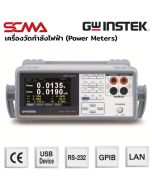
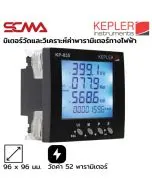
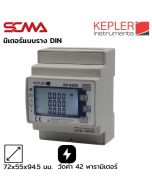
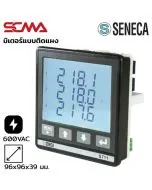
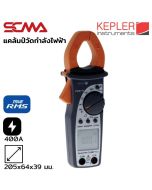
A Power Meter is a crucial device for measuring and controlling electrical energy usage, especially in an era where energy conservation and cost management are critical. This article provides information about the Power Meter, its functionality, benefits, and what you should know before using it to help you choose and use the equipment as efficiently as possible.
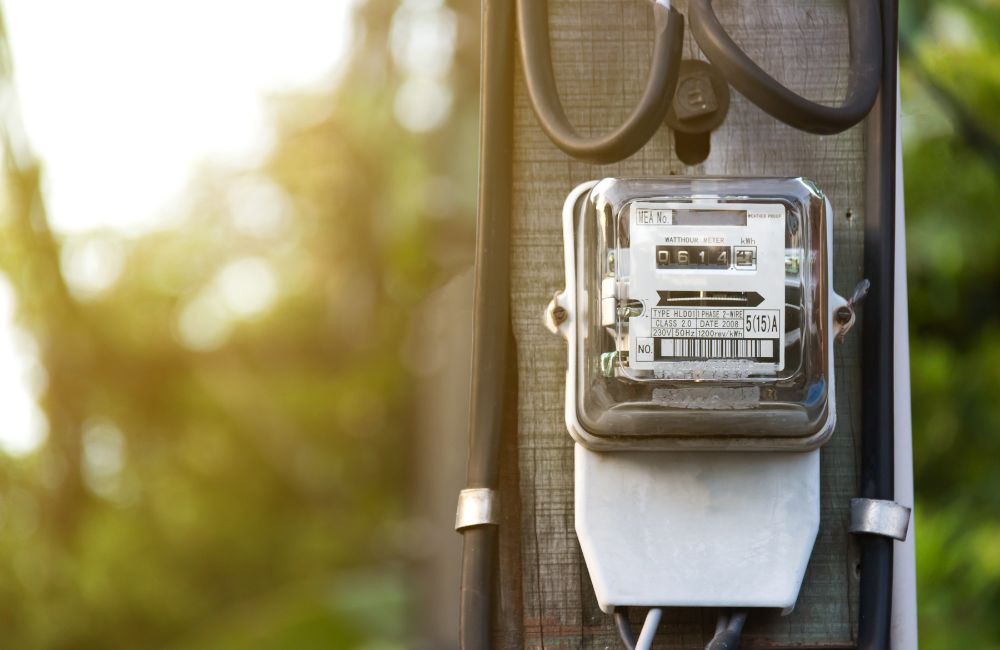
What is a Power Meter and What Does It Do?
Power Meter is an intelligent device used to measure and display important electrical parameters such as voltage, current, real power, apparent power, reactive power, energy, power factor, and harmonics. It functions like a combination of multimeters and clamp meters in one unit. In the industrial and business sectors, Power Meters play a crucial role in collecting data for analyzing and efficiently managing electricity usage, leading to reduced production costs and strategic decisions backed by data. This type of equipment is an essential tool for those who want to manage electrical energy use at maximum efficiency in an era where energy conservation and sustainability are global issues.
How Does a Power Meter Work?
The operation of a Power Meter relies on complex measurement technology to detect and process various types of electrical parameters. This device has measurement channels ranging from 1-6, capable of measuring single-phase and three-phase alternating current systems, including apparent power, real power, current, voltage, and power factor. Technological advancements have transformed Power Meters from simple button-operated devices into smart systems with modern interfaces that connect to portable devices through web applications. This allows users to monitor and control electrical systems anytime, anywhere, meeting the needs of intelligent energy management in the digital age.
Benefits of Power Meter
Electricity meter (Power Meter) SCMA's Power Meter offers a variety of benefits for efficient energy management. With capabilities comparable to multimeters and clamp meters, it can measure voltage, current, resistance, and other functions, allowing users to track and analyze real-time energy usage, leading to appropriate energy use, cost reduction, and increased sustainability. In places with multiple tenants, Power Meter enables accurate billing based on actual usage and also has the ability to detect various abnormalities such as overheating, leakage, or systems requiring maintenance, helping prevent potential damage in a timely manner.
What You Should Know Before Using a Power Meter
Before starting to use the Power Meter, it is important to understand key information to maximize benefits and prevent potential damage. A Power Meter is a highly precise tool that requires special care to maintain measurement accuracy. The following information will help you start using the Power Meter confidently and safely.
- Understand Technical Specifications - Study input/output specifications, measurement parameter ranges, and environmental limitations such as suitable temperature and humidity for device operation.
- Learn Proper Installation Methods - Read the user manual thoroughly before installation, especially regarding wiring connections and necessary accessories. Incorrect installation may cause damage to the device or measurement errors.
- Get Familiar with the Display and Usage - Study the meanings of various symbols on the display and how to use special functions to ensure efficient and effective device operation.
- Schedule Regular Calibration - To maintain accuracy, Power Meters should be calibrated (Calibrate) at a certified laboratory every 1,000 hours of use or at least once a year. This ensures that the measured values are as accurate and precise as possible.
Interested in Power Meters? You can now purchase from SCMA!
SCMA is a leading provider of high-quality Power Meter sales and services, certified to international standards. With extensive experience in electrical measurement and control equipment, we offer a wide range of products to meet every usage requirement, whether it's for smart home systems, commercial buildings, or industrial plants. Our team of experts is ready to provide consultation, system design, and comprehensive after-sales service. For inquiries, please contact us at the phone number provided or visit our website to receive today’s special offers!
Summary
Power Meter is a crucial tool for measuring and controlling electrical energy usage. It enables users to track, analyze, and manage energy consumption efficiently by measuring voltage and current, then calculating various parameters such as real power, apparent power, and power factor. The benefits of using Power Meters are numerous, ranging from reducing energy costs, improving electricity quality, to preventive maintenance planning.
However, selecting the right Power Meter requires considering several factors such as usage type, accuracy, and communication capabilities. SCMA is ready to provide high-quality Power Meters and expert consultation to help you manage energy efficiently. Contact us today for special offers and superior services!
Frequently Asked Questions
What is a Power Meter?
An energy meter is a device used to measure and monitor the amount of electrical power consumed in systems or various equipment. It can measure several electrical parameters such as real power, apparent power, voltage, current, and power factor. This helps users efficiently control and manage energy usage, reduce electricity costs, and improve power quality.
What is Reactive Power?
Reactive Power (Reactive Power) refers to the portion of electrical power that flows back and forth between the power source and loads with capacitive or inductive properties without being used for actual work. However, it is necessary for creating magnetic or electric fields in various electrical equipment such as motors, transformers, or ballasts. Reactive Power has units measured in VAR (Volt-Ampere Reactive). This value is important for calculating the power factor and improving power quality in the system.
What does a Power Factor Meter measure?
A Power Factor Meter measures the power factor, which is the ratio between real power (Active Power) used for actual work and apparent power (Apparent Power) supplied to the system. The value of Power Factor ranges from 0 to 1, with values closer to 1 indicating better energy efficiency. Measuring and improving the Power Factor is crucial because a low Power Factor can lead to higher electricity bills and negatively impact system performance.
How do Wattmeters read values?
A wattmeter can be read by looking at the dial or display screen, which will show various power readings depending on the type of wattmeter:
- Analog Wattmeter - Read values from the position of the needle on the dial, observing which number the needle points to on the scale and calculating according to the specified multiplier (Multiplier)
- Digital Wattmeter - Read values directly from the numbers displayed on the screen, some models can switch between different readings such as real power, apparent power, voltage, current, and Power Factor
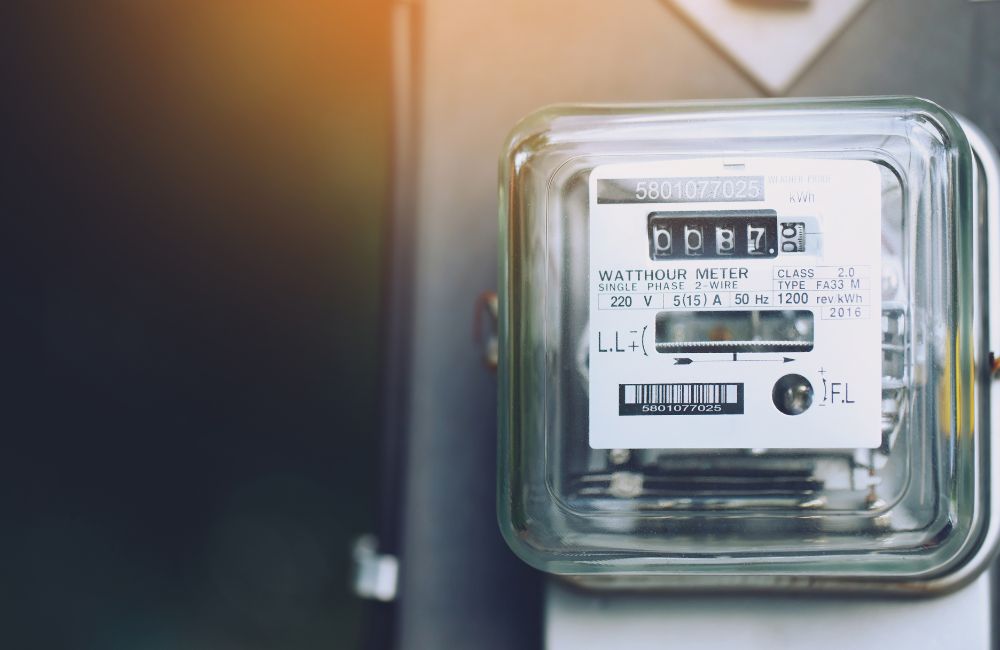
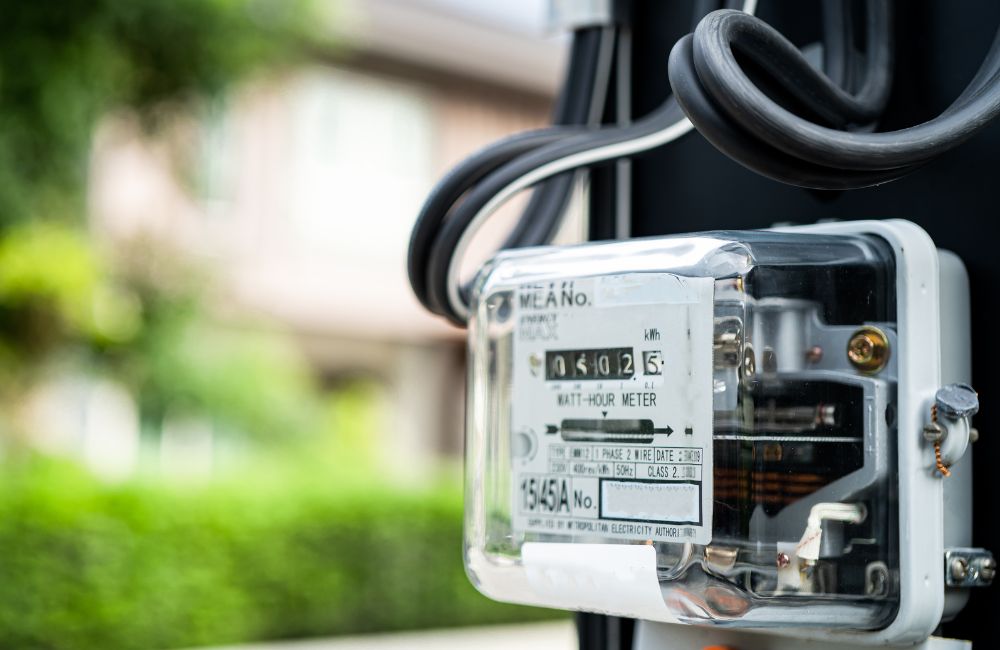
- Home Electricity Meters - For rotating disk meters, observe the number of revolutions over a period of time and calculate according to the meter constant (Meter Constant). Digital meters will directly display accumulated energy readings (kWh)
Accurate reading of wattmeters requires an understanding of the units of measurement and scales used, which may vary by model and manufacturer. Therefore, it is advisable to study the user manual or consult with experts for correct readings.