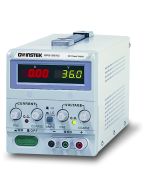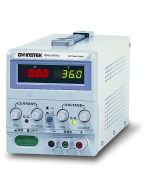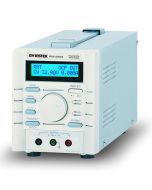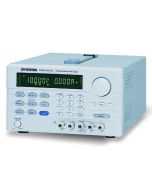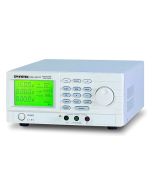

Power Supply, or the power supply unit, is a crucial device that converts electrical current to suit the usage of various electronic devices on SCMA in both industrial and general applications. This article will introduce you to Power Supply units in detail, from their working principles, types, components, to benefits and appropriate usage.
What is a Power Supply (Power Supply Unit)?

The power supply unit (Power Supply) is the heart of a computer system, converting alternating current from household outlets to direct current suitable for internal components. This conversion process generates high heat, necessitating efficient cooling fans to prevent damage to electronic parts. Although users often overlook its importance and usually purchase it with the case, choosing a quality power supply unit is a worthwhile investment for stability and longevity of the entire computer system.
What Does a Power Supply Do?
Power Supply does what? A power supply plays a crucial role in converting electrical current and controlling the delivery of energy to various electronic devices, including computers, household appliances, and vehicles. It ensures efficient and safe operation of systems by incorporating key components that work together:
- Transformer - adjusts the voltage to suit the device
- Diode - converts alternating current into direct current
- Capacitor - filters out noise signals from the electrical current
- Rectifier Circuit - stabilizes the voltage of the electrical current
- Regulator Circuit - maintains a stable output voltage level
How many types of Power Supply are there?
How many types of Power Supply are there? A Power Supply or a power supply unit is divided into two main categories based on technology and working principles, each with its own advantages and suitability for different applications. Additionally, there are several specialized power supplies designed for equipment and operating environments that require special features.
Linear Power Supplies
These are traditional power supplies that use linear voltage conversion technology, working with a straightforward process to provide clean (low noise) electrical voltage. They are suitable for equipment requiring high accuracy, even though they have lower efficiency and larger size. The simplicity makes them reliable and easy to maintain.
Switching Power Supplies
This is a more modern technology that uses complex electronic circuits capable of switching at high frequencies, making it more efficient, smaller in size, and lighter. It can handle fluctuations in input voltage well, making it a popular choice for modern electronics and general applications, although it has higher noise levels.

How does a Power Supply work?
A power supply acts as a bridge between electricity from the source and electronic equipment. The power supply circuit converts voltage up or down, changes alternating current to direct current, and filters out noise signals to provide stable and suitable energy. Selecting a power supply with features that match requirements is crucial because having too many features can lead to unnecessary budget waste, while insufficient features may cause equipment malfunction or severe damage.
What are the Components of a Power Supply?
A power supply plays a crucial role in converting and controlling electrical energy to provide power to various electronic devices, including computers, household appliances, and vehicles. It ensures efficient and safe operation by consisting of key components that work together as a system:
- Transformer - Adjusts the voltage to suit the equipment
- Diode - Converts alternating current (AC) to direct current (DC)
- Capacitor - Filters out noise signals from the electrical current
- Rectifier Circuit - Ensures a constant voltage in the electrical current
- Voltage Regulator Circuit - Maintains stable output voltage levels
Benefits of a Power Supply
A power supply or power supply is the heart of any electronic system. It does more than just provide electrical power; it also protects high-value equipment from damage caused by voltage spikes, drops, or fluctuations in current. In today's technology-dependent world, even though a power supply may be one of the most frequently replaced components due to heavy use and hot environments, investing in quality power supplies is essential for ensuring efficient, stable operation and extending the lifespan of your entire system.
Who Needs a Power Supply?
No matter who you are, if you use electrical equipment, you will need some form of power supply. The specific requirements vary depending on the usage scenario, whether it's converting AC to DC, voltage control, environmental conditions, or power needs. Gamers may require high-efficiency power supplies for new graphics cards, while factory operators might need robust systems that can withstand harsh environments, and scientists may need highly accurate power sources for delicate experiments.

Interested in Power Supplies? You Can Buy from SCMA Today!
SCMA is a specialist in high-quality power supplies that meet international standards. We offer comprehensive services ranging from consultation and design to installation and maintenance.With experience in the electrical and electronics industry, SCMA is ready to serve customers at all levels, whether it's large organizations, medium-sized businesses, or individual users.Our services also include advice on selecting power supplies that meet your specific needs, inspection and analysis of existing electrical systems, as well as comprehensive after-sales care.Contact us today to receive free consultation and special offers for high-quality SCMA power supply products!
Summary
A Power Supply is a crucial device that converts and delivers electrical power to various electronic equipment. The main types are Linear Power Supply and Switching Power Supply, each with its own advantages and disadvantages depending on the usage scenario.
Choosing an appropriate Power Supply involves considering several factors such as required voltage and current, performance efficiency, reliability, and usage characteristics. Using a high-quality Power Supply helps ensure system efficiency and extends the lifespan of equipment.
SCMA offers comprehensive Power Supply services, from consultation to selecting suitable products, installation, and maintenance. With our team of experts and high-quality products, we are ready to meet the needs of all customers, whether large organizations or general users.
If you are looking for quality Power Supplies and reliable services,SCMA is the best answerfor you!
Frequently Asked Questions
What is the role of a power supply?
A power supply has the primary function of converting alternating current (AC) from the main electrical source into direct current (DC) at an appropriate voltage for electronic devices. Additionally, it controls voltage to maintain stability, limits electric current, and prevents short circuits or surges to ensure efficient and safe operation of equipment.
What is a Power Supply device?
A power supply device consists of various components such as transformers, rectifier circuits, filter circuits, control circuits, and protection systems. It functions to convert and manage electrical energy suitable for the varying power requirements of electronic devices.
What is an AC Power Supply?
An AC Power Supply or alternating current supply unit provides electricity in the form of alternating current (AC), commonly used in equipment designed to work directly with AC, such as AC motors or certain heating devices. An AC power supply may have voltage or frequency control for specific applications.
What is the function of a Power Supply Unit?
A Power Supply Unit (PSU) serves as the central energy provider to various components in a system, particularly in computers where it converts AC from an electrical outlet into multiple levels of DC voltage (such as +3.3V, +5V, +12V) for devices like motherboards, CPUs, graphics cards, hard disks, and other peripherals. A high-quality PSU includes surge protection, overvoltage protection, and short circuit prevention to safeguard the entire system.