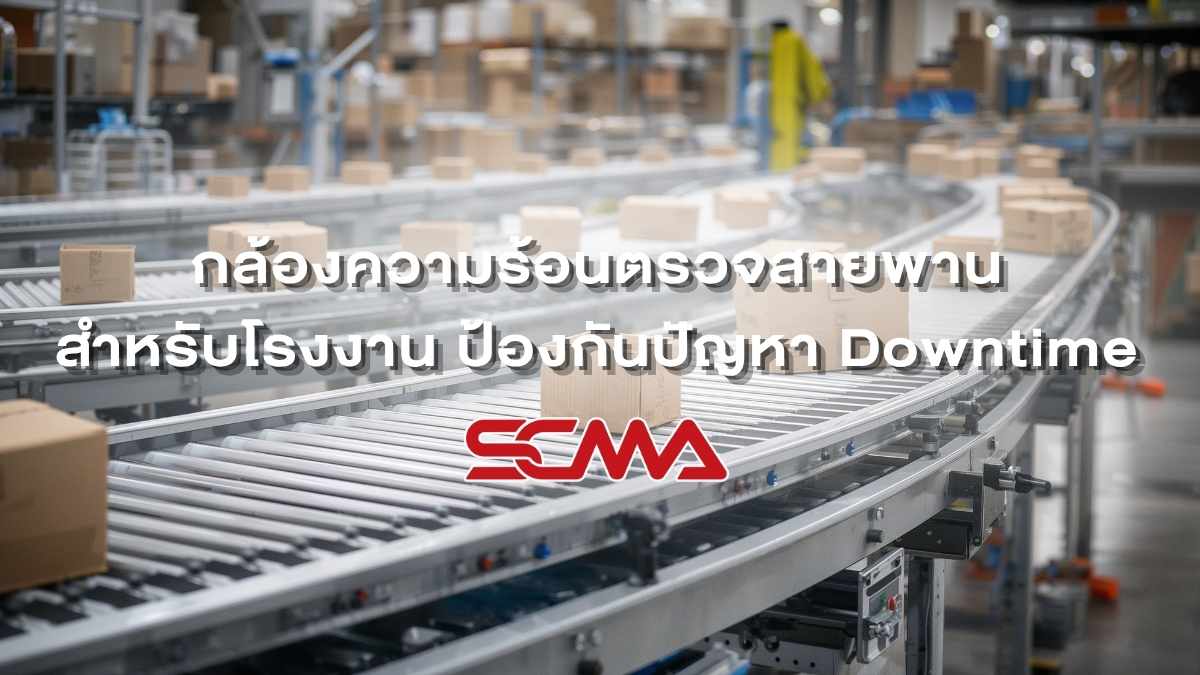
Thermal conveyor belt inspection cameras - Are you considering this technology to monitor the condition of your factory machinery? This article will explain the benefits of infrared temperature detection cameras and provide a detailed guide on how to apply thermal cameras in maintenance work. After reading, you'll understand how temperature detection cameras can help reduce unexpected machine downtime. If you need consultation to improve your production line with this technology, contact our services (SCMA Services) immediately.
Why is using thermal conveyor belt inspection cameras important for preventive maintenance?
The use of thermal conveyor belt inspection cameras in preventive maintenance is a strategy that the SCMA engineering team highly values, as unexpected machine downtime (Downtime) can cause significant economic losses to factories. Traditional visual inspections have many limitations when it comes to detecting hidden defects within technology. Thermography plays a crucial role in predicting damage beforehand, allowing us to see heat accumulation before equipment fails. Having a good temperature detection camera is the core of modern maintenance.
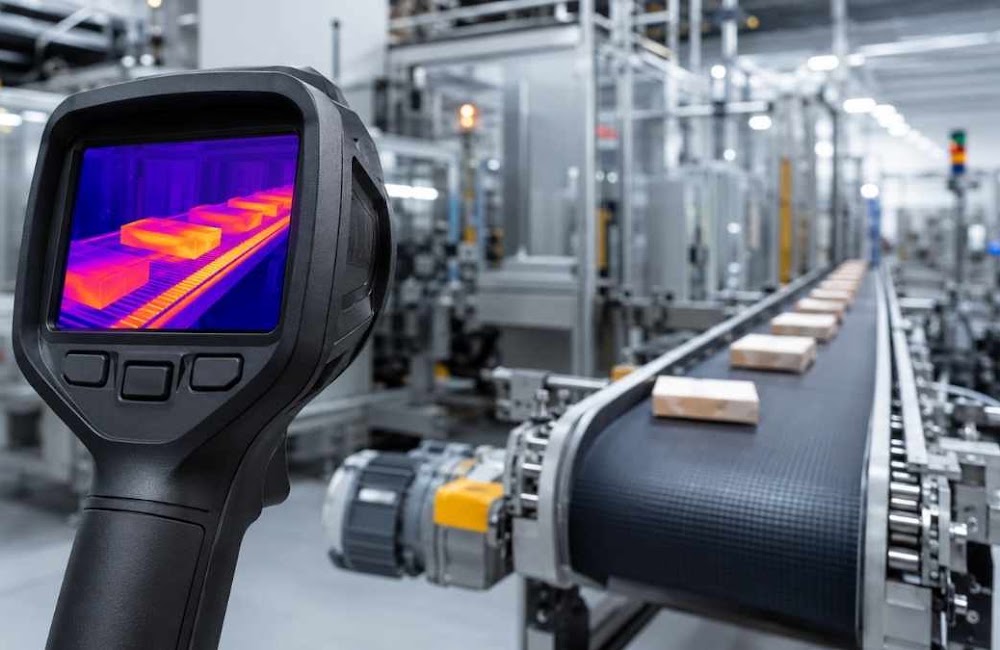
How thermal cameras (Thermal Camera) work - explained simply
The basic mechanism starts with detecting infrared radiation, which is heat energy emitted from all objects. Infrared temperature detection cameras capture this wave through a special lens, then the sensor converts the heat energy into an electrical signal and processes it to display as a color image on the screen. The main difference is that general infrared security cameras use infrared light to see in the dark, but thermal conveyor belt inspection cameras or thermal cameras are designed to measure different temperatures of objects and accurately represent them as thermal structure images.
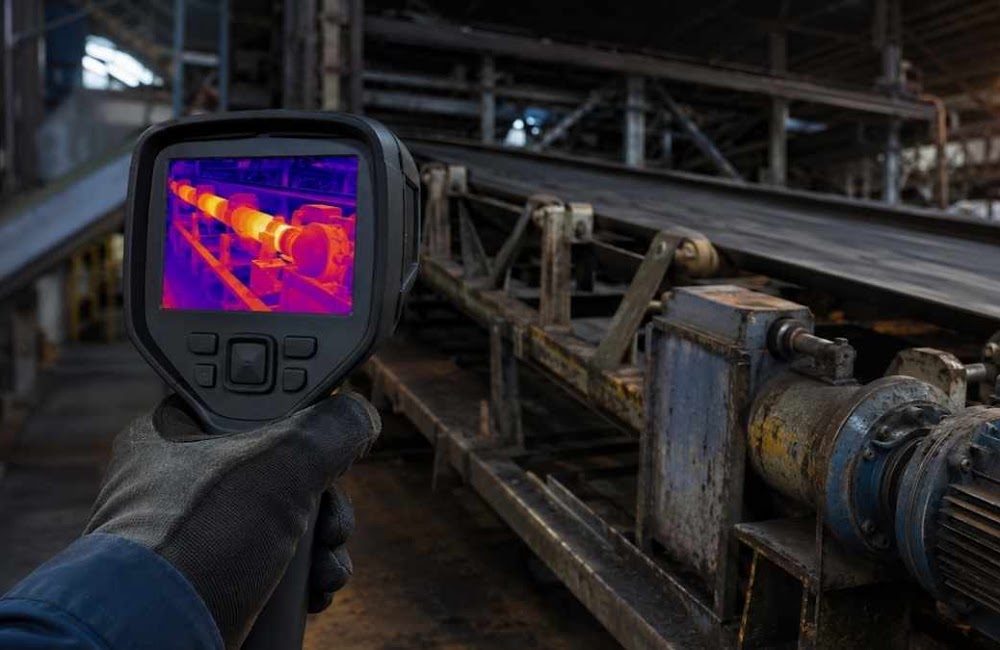
5 Warning Signs of Conveyor Belt Abnormalities Detectable with Thermal Cameras
Using a thermal imager to regularly inspect conveyor belt systems will help you detect abnormalities faster. Our team of engineers has compiled 5 important warning signs that you can discover using both thermographic scanners and heat detectors, as follows:
- 1. Abnormal High Heat at Bearings (Bearing Overheating): A bearing lacking lubrication or nearing failure will experience excessive friction, causing high heat that a scanner can immediately capture before the bearing locks up.
- 2. Belt Misalignment/Friction: A misaligned belt will rub against roller edges, showing clear bands of higher temperature along the edge of the belt in thermal images.
- 3. Heat Accumulation at Drive Motors: Overloaded motors that exceed their capacity to dissipate heat will show on-screen images helping maintenance personnel address issues promptly.
- 4. Loose or Overheated Electrical Connections: Loose control panels and electrical connections can cause high resistance, leading to heat accumulation that employees cannot see with the naked eye.
- 5. Uneven Belt Wear and Tension: A belt with uneven tension will slip, causing heat buildup at drive rollers which shortens equipment lifespan.
Steps for Using a Thermal Camera to Inspect Conveyor Belts (Step-by-Step)
Working with a thermal imaging camera requires proper steps to ensure the most accurate data. The following is a guide on how to use an infrared thermal imaging camera and techniques for promoting preventive maintenance according to engineering standards.
- Preparation and Safety Precautions: Operators must wear complete safety equipment, maintain distance from rotating parts to prevent accidents while using the camera in the work area.
- Initial Camera Settings (Emissivity, Temperature Range): The emissivity coefficient must be adjusted to match the material of the belt or rollers, and the temperature measurement range should cover the expected heat generation.
- Adequate Angle and Distance for Thermal Imaging: Images should be taken at angles perpendicular to the object as much as possible, avoiding reflections from other heat sources in the factory to prevent sensor reading errors.
- Comparing Temperatures with Normal Operating Equipment (Baseline): Engineers must compare the captured images with historical baseline images to identify trends in temperature changes that may indicate hidden problems.
How Do Thermal Cameras Reduce Downtime and Maintenance Costs?
Infrared technology is a worthwhile investment for modern industrial plants. Applying thermal camera pricing standards in maintenance work can help organizations save money in tangible ways. You can study thedetailed conveyor belt monitoring system information for a better understanding.
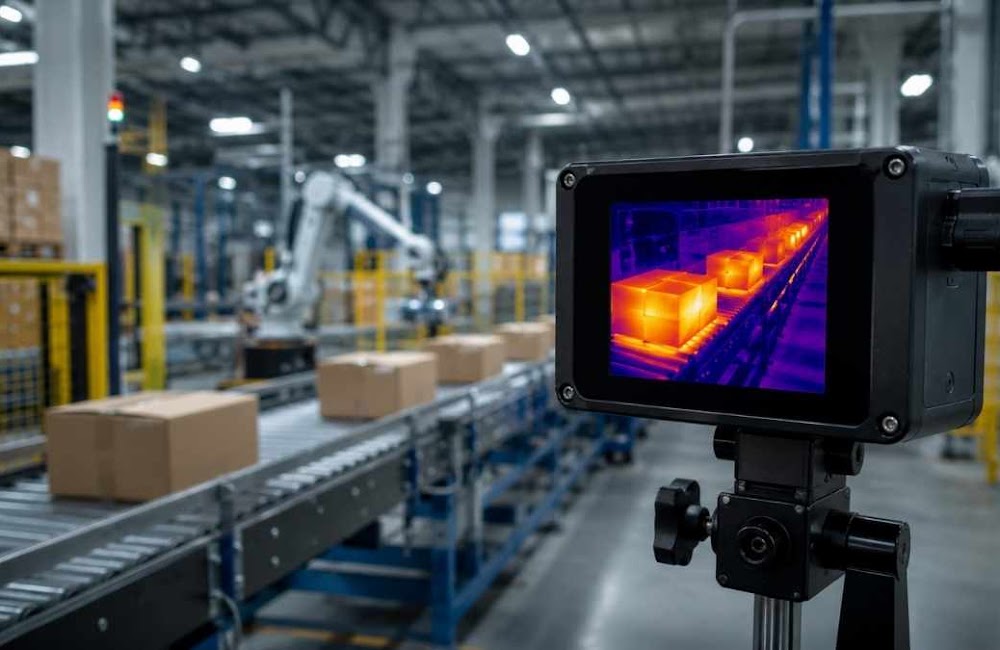
Condition-Based Maintenance Planning
Instead of stopping machines according to a schedule, engineers can use infrared heat detection cameras to assess the condition of parts in real-time. This supports preventive maintenance, allowing us to schedule repairs only when machines start showing signs of malfunction.
Reduce Unnecessary Spare Part Replacements
Using thermoscan equipment helps indicate the true status of devices, so we don't need to replace parts that are still in good condition according to a fixed schedule. Using thermal imaging cameras can significantly reduce inventory costs.
Increase Safety for Maintenance Workers
Maintenance teams can use heat detection equipment to scan for abnormalities from a distance without having to touch the equipment while it is in operation. Using infrared cameras helps prevent serious accidents decisively.
How to Choose the Right Thermal Camera for Conveyor Belt Inspection
To purchase a conveyor belt inspection thermal camera that provides good value, you must consider the working environment primarily. The first factor is image resolution (Resolution); if the area to be scanned is high or far away, choose models with 320x240 pixels or higher. Next is the temperature range (Temperature Range), which should cover the highest possible heat in the system. Additionally, new thermal camera models should have additional functions such as Wi-Fi connectivity or video recording to make image analysis easier. Lastly, the dust and water protection standard (IP Rating) is crucial for infrared thermal cameras that must operate in heavily dusty environments of heavy industrial plants.
Analyzing Images and Creating Inspection Reports
After using a conveyor belt inspection thermal camera to record data, the next step is to use specialized image analysis software to adjust colors and find the highest temperature points. Engineers must rely on experience to interpret from thermal cameras, such as identifying hot spots caused by friction or blocked cooling systems. A good inspection report should include infrared images compared with actual photos, clearly indicating problem locations along with severity recommendations for quick maintenance decisions based on confirmed thermal camera data.
Summary
In summary, a conveyor belt inspection thermal camera is crucial in elevating the efficiency of your plant's Predictive Maintenance. Using a thermal imager helps you identify issues before they cause downtime. If you need consultation on maintenance system design, our expert team at SCMA Co., Ltd. is happy to provide full service and advice for you.
If you want to buy, you can purchase from SCMA today!
Selecting equipment that meets standards is crucial for accuracy in engineering work. If you are looking for high-quality belt monitoring thermal cameras, you can read more at What is a Thermal Imaging Camera? or browse products at SCMA's Product Page. We offer thermal camera solutions that meet the needs of working with infrared detectors in all industrial sectors.
Frequently Asked Questions
Can a thermal imaging camera see through machine covers?
No, it cannot see through metal or plastic covers. The camera can only measure surface temperatures that are exposed and not covered by the enclosure.
How often should belt inspections be done with a thermal camera?
The frequency of inspection depends on the workload of the machinery. For critical belts running 24/7, we recommend conducting at least one inspection per month.
Can temperature readings be taken through clear glass?
No, infrared radiation cannot pass through ordinary glass. The camera will reflect your own body heat back to you instead.
Why do some thermal images show incorrect temperatures?
This issue arises from setting the Emissivity (emissive coefficient) incorrectly for the material being scanned or due to reflected heat from surrounding objects in close proximity.
Are there limitations when using a thermal camera outdoors?
Avoid outdoor inspections during direct sunlight as solar radiation can increase object temperatures, leading to inaccurate problem analysis.