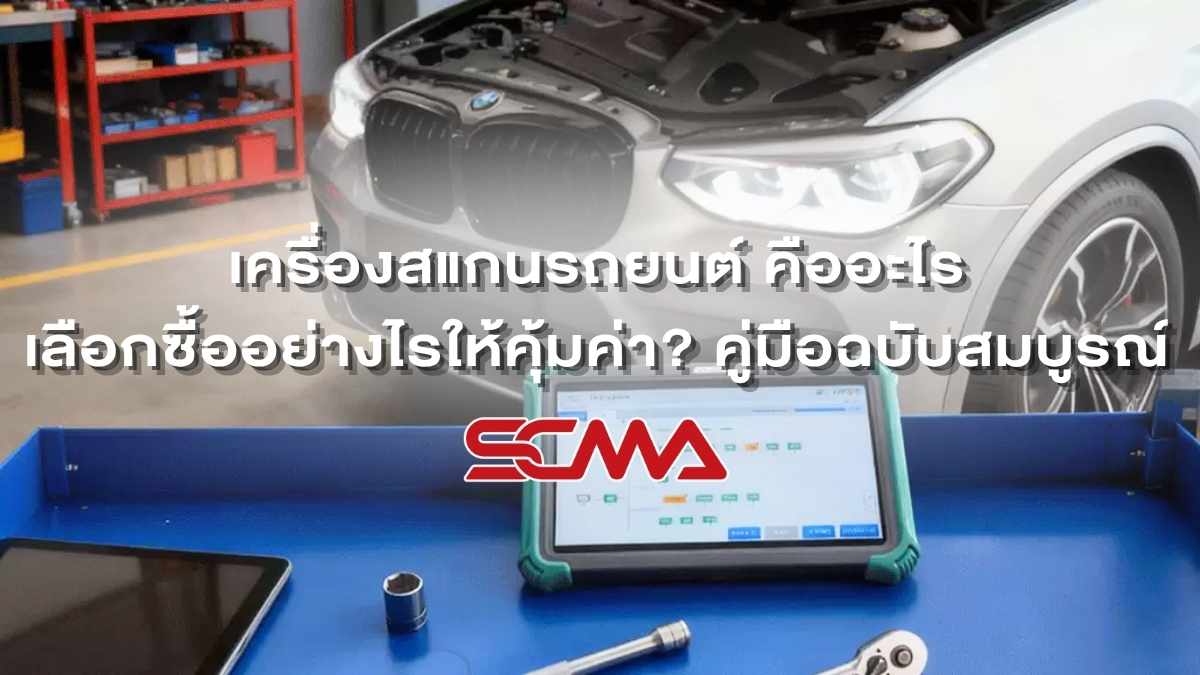
Car Scanner — Are you considering this equipment to diagnose engine warning light issues on your own? This article will take a deep dive into everything about OBD2 scanner, as well as detailed tips for selecting the right car code checker. It aims to help you use an OBD2 scanner effectively before car problems escalate. If you need expert assistance in evaluating systems or acquiring industrial measuring tools, please visit our service details (SCMA).
What is a Car Scanner? Why Should You Have One in Your Vehicle or Workshop?
A car scanner is an intelligent electronic device designed to connect with the OBD2 (On-Board Diagnostics) port, which is a universal standard installed in modern cars. This port serves as the primary communication channel that allows direct access to data from the Electronic Control Unit (ECU). Having a car code checker on hand is a worthwhile investment because it helps you identify issues immediately without guessing. You can accurately check your engine's status, which saves significant costs in unnecessary part replacements over time.
What Can an OBD2 Scanner Do?
Based on the technical problem-solving experience of the SCMA engineering team, we found that having a standardized automotive diagnostic tool can significantly reduce downtime in production lines or repairs. The main functions these tools can handle are as follows:
Read and Clear Engine Check Light Codes (Check Engine)
The most important function is to analyze and retrieve car codes (Diagnostic Trouble Codes - DTC) from the system. When a sensor detects an anomaly, the car's computer stores error codes. Once you use the scanner to read these codes and fix the faulty part, you can immediately clear the code to turn off the warning light on the dashboard.
View Real-Time Sensor Data (Live Data)
In-depth problem analysis requires monitoring values while the engine is running. You can use a OBD2 scanner to check real-time data, such as coolant temperature, air flow into the engine, or fuel system pressure. These numerical data help skilled mechanics assess performance and accurately identify abnormalities that do not show up as warning lights.
Special Functions for Professional Models: ECU Coding, Resetting Systems
High-level scanners are designed for specialized maintenance work by supporting complex functions such as resetting the ABS system, learning new idle settings, setting fuel injectors, or registering a new battery. These systems require an automotive diagnostic tool with brand-specific in-depth software to ensure that the car can work seamlessly with new parts.
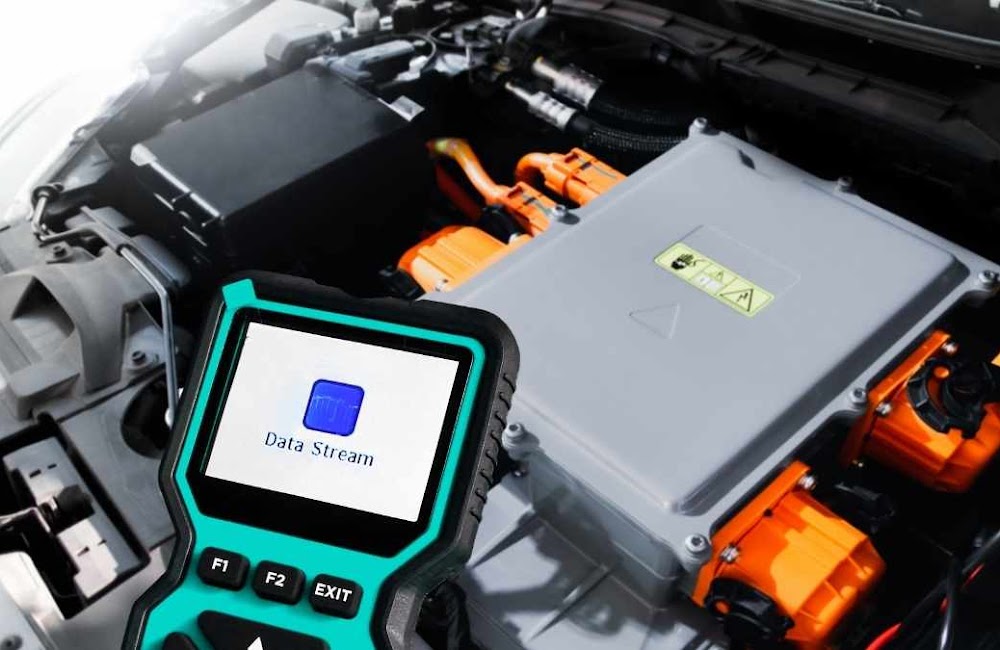
What are the types of car scanners? How to choose one that suits you?
To meet your needs, there are currently many car code readers available in the market. Choosing a type that matches your repair capabilities is crucial for an effective investment.
Basic Code Reader
This is the smallest and most affordable device designed for those who need basic functions. The display screen is usually monochrome, with the primary purpose of checking codes to identify initial causes and clear dashboard warning lights. It does not support in-depth system configuration.
DIY and General User Scanners
If you enjoy maintaining your car yourself, this type of scanner is highly cost-effective. The device typically comes with a color screen, capable of reading and analyzing some Live Data, along with basic reset functions. It serves as a car code reader that simplifies daily vehicle maintenance.
Professional Vehicle Diagnostic Tools
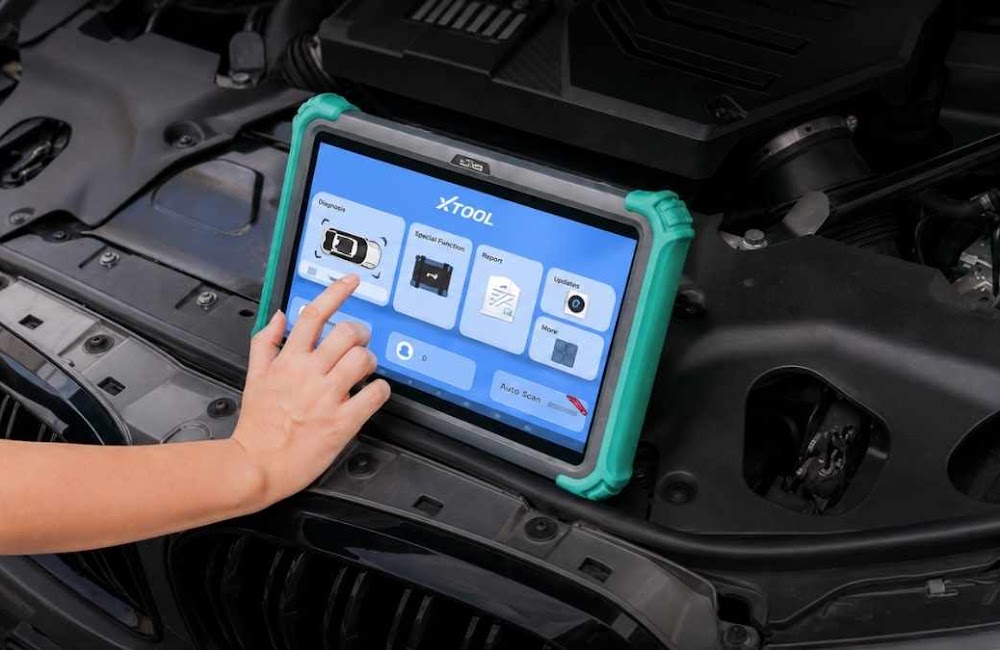
This group of equipment is designed specifically for auto repair shops or service centers. They feature large touchscreen tablets capable of delving into every module of the electrical system, controlling in-vehicle devices to perform tests (Active Test). These are diagnostic tools that support almost all car brands worldwide.
Cabled vs Bluetooth OBD2 Scanners
Cabled scanners offer stable and fast signal transmission without relying on additional batteries. In contrast, OBD2 Bluetooth scanners provide a high level of convenience; you can leave the receiver plugged in at the port while holding your smartphone to analyze symptoms around the vehicle freely. This wireless model is rapidly gaining popularity.
Is it necessary to choose a model that supports Thai language menus?
For engineers or technicians in Thailand, investing in a car scanner with Thai language menus is a smart decision. The most obvious benefit is reducing communication errors; you can analyze faults immediately without wasting time on translations. If you opt for English-language menus, you need to be precise with automotive technical terms such as "Misfire" (misfiring) or "Lean Bank" (lean fuel mixture). Currently, leading brands have developed several Thai car scanners at affordable prices, and the software has been translated to match the context of real-world applications, enhancing safety and accuracy in maintenance.
Basic steps for using a car scanner for beginners
The process of checking engine abnormalities can be systematic. The engineering team recommends initial connection procedures with OBD2 code checker tools so that you can safely diagnose issues on your own.
- Locate the OBD2 port inside the vehicle, which is typically installed under the driver's side dashboard according to international standards.
- Plug in the connector of the Thai car scanner firmly into the port until the status light on the device illuminates.
- Insert and turn the key to the "ON" position without starting the engine, supplying power to all electronic systems.
- Select the "Diagnose" or "Auto Scan" menu on the screen for the software to detect the communication protocol of that car model.
- Wait until the scanner completes its processing; it will display fault codes. Use these codes to assess repairs. You can learn more about the importance of such tools from international references at Importance of Diagnosing Scanners.
How Much Does a Car Scanner Cost? How to Set a Budget for Value
Budgeting for the purchase of a car scanner depends directly on your intended use. For general users who want peace of mind while driving, an investment of around 500 - 3,000 THB will get you a OBD2 scanner that is sufficient for basic analysis. If you are the owner of a car repair shop that needs to service daily customers, setting a budget of 10,000 - 50,000 THB or more is considered necessary investment. The main factors contributing to the price difference in scanners include software licenses supporting numerous vehicle models, deep coding functions, processing speed of internal memory, and warranty formats from manufacturers.
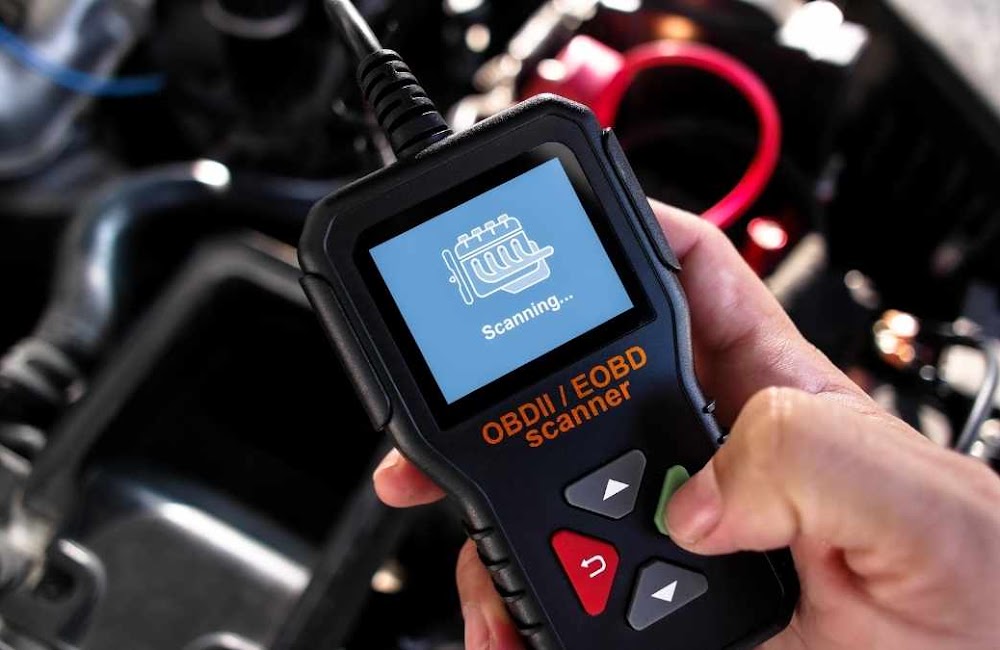
Checklist Before Buying: 5 Things to Consider Before Making a Decision
To ensure the highest long-term value for your investment, it's important to carefully review these checklists before deciding to purchase equipment.
- Compatibility with Your Car Model: Please refer to the manual or inquire with the seller whether the software of the scanner supports the make and model year of your car.
- Required Functionality: Assess your needs to determine if you only require basic code checking, or if you need a tool that includes functions for resetting brake systems and setting fuel injectors.
- Software Updates and Warranty: Choose equipment from brands that offer free software updates for at least 1-2 years to ensure your tools cover future car models.
- After-sales Service and Support: For complex electronic devices, having experts available in Thailand to provide consultation and answer usage questions is a crucial advantage.
- Read Reviews from Actual Users: Look for information from groups of users with the same car model to check which OBD2 scanner Thai language brand can connect and work most stably with your car's system. For more information on basic functionality, you can read further at the article What is an OBD2 Scanner
Summary
Selecting a high-quality car scanner is like hiring a professional mechanic to be at your disposal. Whether you choose a portable OBD2 scanner or an industrial-grade diagnostic tool, the key is choosing equipment that meets your needs, reduces repair time, and provides driving confidence. If you are facing challenges in analyzing complex systems, SCMA has a team of engineers ready to provide consultation for long-term success.
If you want to buy, SCMA is available today!
We know that accuracy is the most critical factor in engineering processes. In addition to knowledge about using car scanners, SCMA Co., Ltd. offers internationally recognized measurement technology solutions. If your business requires advanced vehicle performance testing equipment, you can view information on Gas and Smoke Analyzers, or browse our full range of industrial products. Our team is ready to consult and design comprehensive solution services to help your business move forward confidently. Contact us today for a free consultation from our experts!
Frequently Asked Questions about Car Scanners (FAQ)
Is it good to buy a used car scanner?
Purchasing second-hand items can save costs, but you must verify the battery life inside the device and check if the software update rights have expired.
Can it be used with 24V trucks?
The general scanners in the market are designed for a 12V system of passenger cars. If plugged into a 24V truck, it may cause damage to the device. You must choose a Heavy Duty Scanner specifically for trucks.
How well does the mobile app work?
The application works excellently in reading basic Live Data or scanning and clearing codes on the dashboard, but when it comes to deep settings or programming ECU, it cannot match professional analysis tools.
Should you clear engine warning lights yourself?
You can delete codes to turn off warning lights on the dashboard, but only after repairing damaged parts. Clearing warnings without addressing the root cause may lead to severe damage to the engine in the future.
Where can I find the OBD2 port in a car?
In cars manufactured since 2000 onwards, this connection port is installed inside the passenger compartment on the driver's side. The most common location is under the steering wheel console or near the brake pedal at the bottom.