obd2 is what, and are you looking for how to use a car diagnostic tool to analyze your vehicle issues on your own? This article will take you deep into understanding what obd2 is, along with tips on selecting the right obd2 scanner that fits your needs so you can quickly identify and address any abnormalities before they cause serious damage. If you need consultation for industrial engineering measurement tools, you can always contact our services at Our Services (SCMA).
What is OBD2? Why every new car must have it
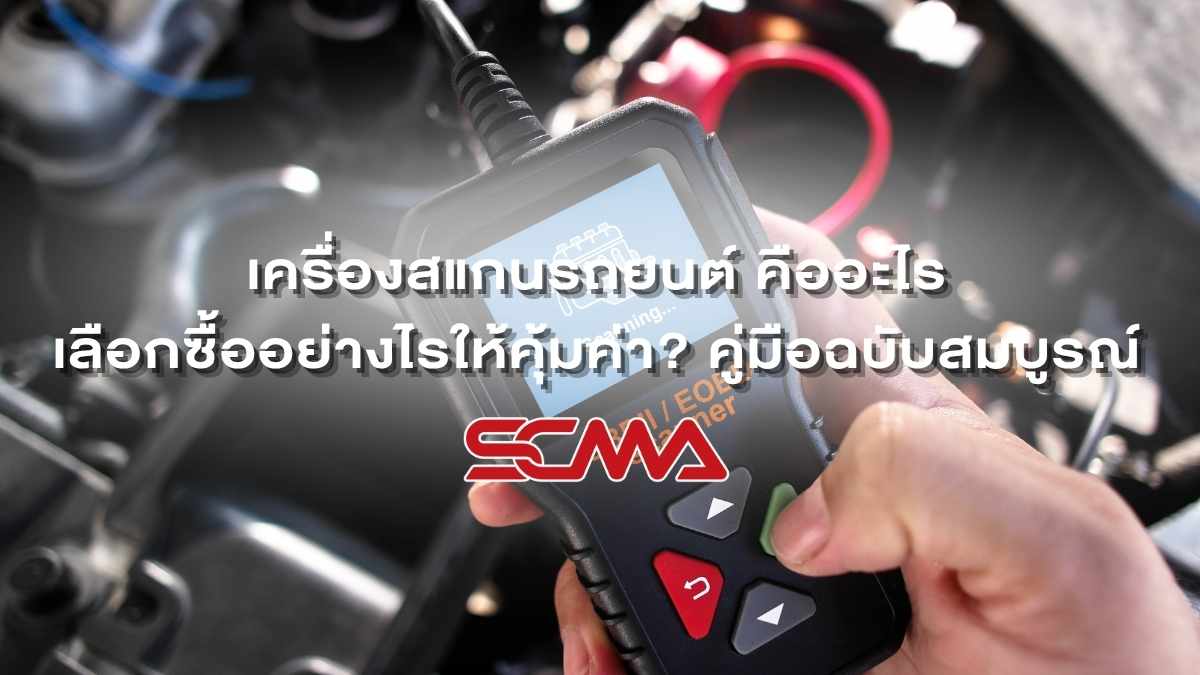
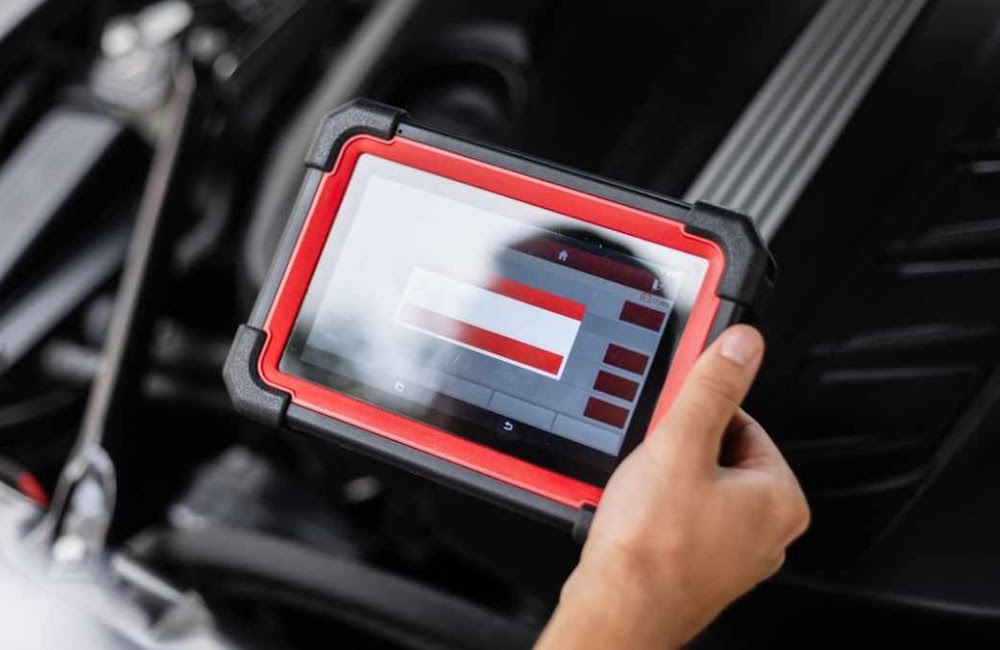
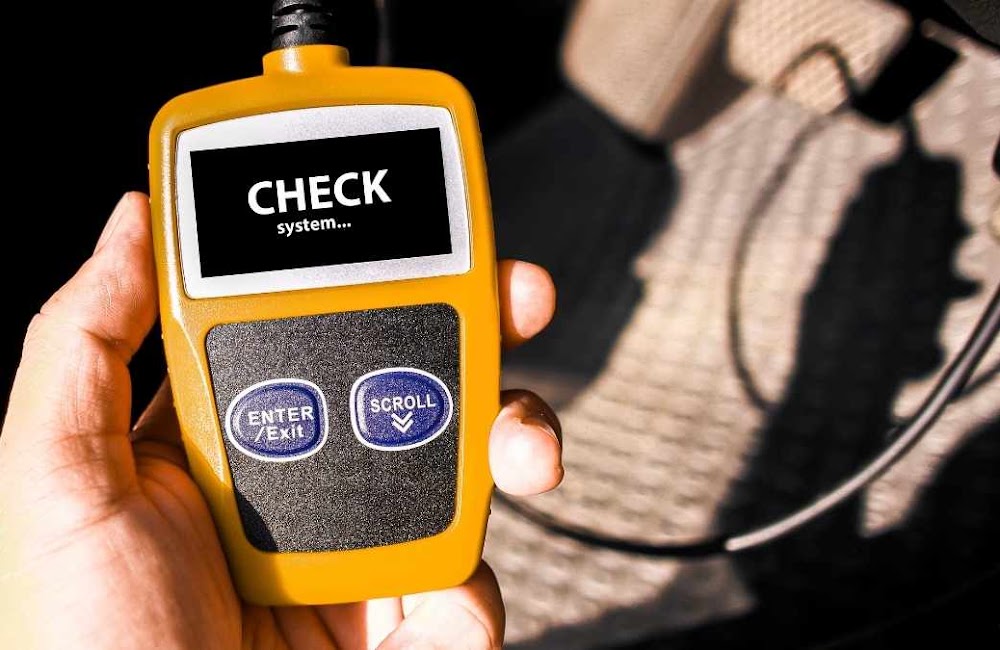
The obd2 (On-Board Diagnostics version 2) system is an international standard that acts like a computer monitoring the engine's operation. Every new car is required to install this connection port under the driver's side of the steering wheel. If any sensor malfunctions, the system will record data and display a warning light in the shape of an engine on the dashboard. Having this port allows mechanics or vehicle owners to plug in an obd2 scanner quickly to retrieve and analyze information. So, what is obd2? It can be simply summarized as a self-diagnostic system for vehicles. You can check if your car supports it by looking at the 16-pin plug near the dashboard console.
How are OBD2 Standards Different from OBD1?
Understanding how OBD has evolved over time helps us see the development of technology. In the early days, the OBD1 system was designed by each car manufacturer individually, which meant that connectors and software were not interchangeable at all, causing significant difficulties for auto repair shops. Later on, the OBD2 standard was developed to be universally adopted, making every brand use a 16-pin port in the same format. This difference is extremely beneficial to car owners because you can buy just one OBD2 scanner and use it to check codes on almost any vehicle currently available in the market. You can learn more about the history of this technology from the article OBD vs OBD2.
What Does OBD2 Tell You? In-depth Data Accessible from Your Car
When you connect a car code scanner to the system, you can access real-time (Real-time) engine status data. This device functions as an accurate vehicle diagnostic analyzer, capable of pulling out useful information such as:
- Real-time Driving Data: View engine RPMs, fuel consumption rate, coolant temperature, vehicle speed, which are real-time data sent directly from the ECU box.
- DTC (Diagnostic Trouble Codes): When there is an issue with the engine, the system will generate a car code, such as P0420 to alert of exhaust system malfunction.
- Sensor Analysis: Check the operation of oxygen sensors, air temperature sensors, which work similarly to using a Temperature Sensor in industrial applications.
- Clear Engine Check Light: After repairing the damaged part, you can use a car code scanner to immediately turn off the warning light on the dashboard.
How to Use an OBD2 Scanner Easily in 3 Steps
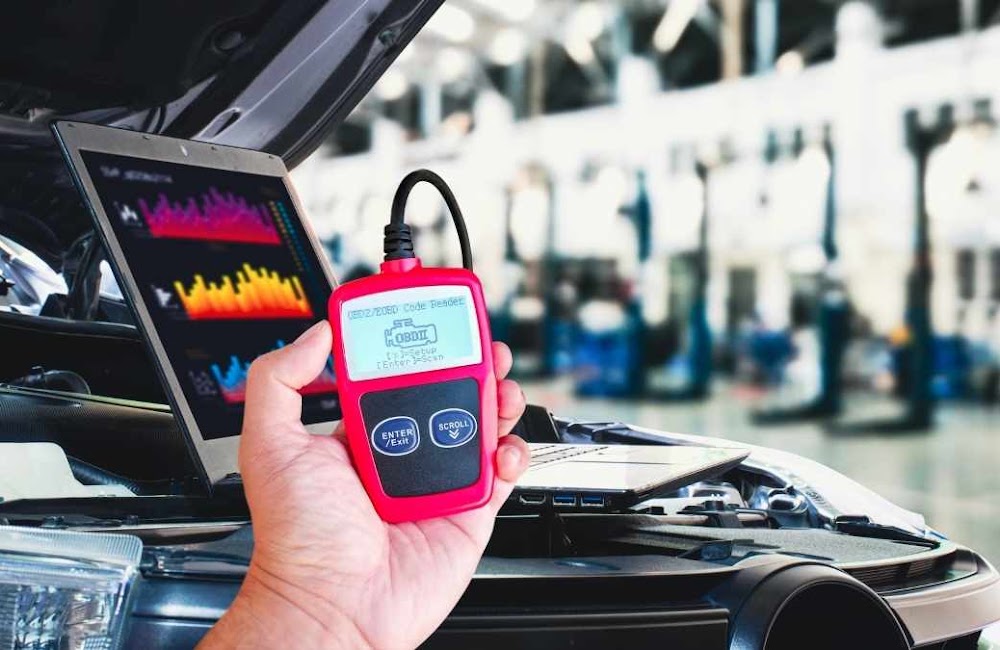
Using a car code reader is not as difficult as many people worry about. You don't need to be a mechanic to start analyzing car issues on your own with these basic three steps.
Step 1: Plugging the Scanner into the Port
Start by turning off the engine, then plug in the OBD2 scanner into the 16-pin port under the steering wheel of your car securely. When the status light on the device turns on, turn the key to the On position (without starting the engine) to power up the system and prepare it for reading car codes.
Step 2: Connecting with a Mobile Application (OBD2 App)
If you are using a wireless OBD2 scanner, turn on Bluetooth on your smartphone to pair with the device, then open an app that supports it and configure the connection. For those concerned about language, there are now many Thai OBD2 scanners as well as apps supporting Thai menus available for use, making it easier for Thais to access the menu.
Step 3: Reading Values and Initial Data Analysis
Select the Fault Diagnosis (Read Codes) menu within the scanner. The system will display car codes, which are alphanumeric characters, on the screen. You can look up the meaning of these codes in your car manual or search online to act as a vehicle diagnostic analyzer, accurately assessing issues without guessing.
Types of OBD2 Scanners Available in the Market Today
In today's market, there are vehicle code readers available in various forms. Understanding the differences between each type will help you choose an equipment that best suits your needs.
Corded Handheld Scanner
This type of device comes with a built-in display screen and buttons for full control over its operation. It is considered a car code reader that repair shops prefer due to its high stability, quick connection speed, and ease of use similar to using a Multimeter (Multimeter). It provides accurate electrical measurements and is durable in various environments.
Wireless Bluetooth Connected Scanner
This is a compact OBD2 scanner that plugs into the port and connects to your smartphone via Bluetooth. Its advantages include affordability, portability, and compatibility with multiple applications, making it an excellent choice for car enthusiasts who want to monitor engine performance in real-time.
Smart Gauge Installed on Dashboard
This type is designed to be placed or mounted on the dashboard console, serving as a digital gauge that displays beautiful metrics such as coolant temperature and oil temperature. It also includes additional functions like checking codes and clearing engine fault codes directly. Ideal for those who want to continuously monitor their vehicle's condition while driving.
Which OBD2 Scanner Should You Buy? Factors to Consider
The question of which OBD2 scanner is the best is common among beginners. Our engineering team recommends considering 3 main factors before purchasing a car code checker to get the most value for your money.
- Compare basic and advanced usage functions: If you only need to clear general codes, an entry-level model will suffice. However, if you want to program fuel injectors, a professional-grade model is necessary.
- Select models that support Thai language menus: For those who are not proficient in English, choosing a OBD2 scanner with Thai language can significantly reduce errors in interpreting damage codes.
- Budget and usage patterns: Vehicle code readers range from hundreds of dollars for app-based use to thousands for professional service center tools. Choose one that matches your skill level as a mechanic.
What to Do After Finding a Code? Initial Troubleshooting Guidelines
After using an OBD2 scanner to diagnose the problem and find a car code, such as P0300, the first step is to remain calm and look up the detailed meaning of the code. OBD2 codes are clearly grouped into categories like ignition system issues or fuel delivery problems. For initial minor issues like dirty sensors or loose plugs, you may be able to clean them yourself and then use an OBD2 scanner to clear the warning light immediately. However, if you encounter codes related to transmission malfunctions or abnormal ABS brake operation, it is advisable to take your vehicle to a service center for professional repair to ensure maximum safety while driving.
Summary
In summary, OBD2 is a standard technology that simplifies complex issues. It provides car owners with an automotive diagnostic tool to confidently handle emergencies. Having a car code reader can save you time and money significantly. If your organization needs industrial measurement equipment technology, we at SCMA are happy to provide professional consultation.
If You Want to Buy, SCMA is Ready for Your Purchase Today!
Having accurate measuring devices is crucial for preventive maintenance. While we specialize in industrial tools primarily, if you need high-quality equipment to enhance your safety inspection system, you can browse our SCMA Measurement Tools Products. We are ready to provide technology that meets the highest accuracy standards to support your industry's growth in every dimension.
Frequently Asked Questions
What does OBD2 tell?
Tells real-time engine performance values such as engine RPM, coolant temperature, and reports fault codes (DTC) when there is a system issue.
How to use an OBD2 scanner?
Plug the scanner into the port under the dashboard, turn the key to the On position, then go to the Read Codes menu to view engine fault codes.
What's the difference between OBD and OBD2?
OBD1 is an old system where the plug and software of each car brand are different. OBD2 is a universal standard that uses a 16-pin plug for all brands.
What is the OBD2 standard?
A standard diagnostic system for engine performance monitoring and pollution control (On-Board Diagnostics) that is mandated for new cars worldwide.
Is there an OBD2 scanner in Thai available?
Available widely, both as a wired scanner with built-in Thai menus and wireless models that connect to Thai mobile applications.