
Have you ever wondered what a predictive maintenance system is? In the competitive manufacturing industry, allowing machinery to suddenly break down can have enormous negative impacts on business. This article will delve into what this tool is and how it works to help you reduce downtime and maximize profits for your factory. If you are looking for an accurate measurement solution, you can view details about SCMA or inquire directly by consulting our services.

What is Predictive Maintenance (PdM)? Understanding How It Works
The term "predictive" means forecasting, so predictive maintenance is a high-level technique that uses data from on-site sensors to analyze the condition of machinery in real-time. The underlying principle involves processing this information through software systems to predict when equipment is likely to fail. As for how to pronounce "predictive maintenance," it's pronounced as "pre-dic-ti-f mae-ten-nance" or simply referred to by Thai engineers as "man tan nen," meaning predictive.
Different from Other Maintenance Types? (Preventive vs Predictive)
Many people may be confused between each maintenance system. Starting with Corrective Maintenance, which is repairing after something breaks down. On the other hand, Preventive Maintenance (preventive maintenance) involves scheduled repairs regardless of whether the equipment has failed or not. Next comes Condition-Based Maintenance (condition-based maintenance), which involves repairing when it's found that the machine condition meets predetermined criteria. However, for predictive maintenance, it goes a step further by analyzing trends in advance to perform maintenance prevention, meaning preventing problems before they become major damage.
Maintenance Type Comparison Table
| Maintenance Type | Advantages | Disadvantages |
| Corrective Maintenance | Maximizes the use of parts until the end | Causes long downtime, unable to control costs |
| Preventive Maintenance | Easily plans machine shutdowns | Might replace parts too soon, wasteful of budget |
| Condition-Based | Repairs only when reaching predetermined points | Requires constant monitoring of various values |
| Predictive Maintenance | Knows ahead before breaking, maximizes the use of parts | Necessitates investment in sensor installation and processing systems |
5 Major Benefits of Predictive Maintenance That Your Business Will Receive
Based on the experience of SCMA's engineering team, who have collaborated to design solutions for numerous factories, transitioning to a predictive maintenance system yields highly valuable results. Let's take a look at the key benefits you will receive.
1. Reduce Unexpected Machine Downtime
Sudden machine breakdowns cause significant damage. Having a predictive maintenance system in place allows us to anticipate where problems are likely to occur, enabling plant managers to plan downtime for repairs more efficiently (predictive maintenance is the heart of reducing losses).
2. Save Long-Term Maintenance Costs
You don't need to replace parts at fixed intervals if they still function properly. This advantage surpasses preventive maintenance by allowing factories to use equipment components until their maximum cost-effective lifespan, thereby reducing inventory costs significantly.
3. Extend the Lifespan of Machinery and Assets
Maintaining machines in optimal condition continuously reduces cumulative wear and tear. This system acts like a personal physician constantly monitoring the health of machinery (if asked what predictive maintenance aims for, this is the most direct answer).
4. Increase Production Efficiency and Safety
Detecting abnormalities ahead of time reduces risks from sudden equipment failures, making the working environment safer for employees. This aligns with the principle of preventive maintenance, focusing on preventing severe damage to life and property.
5. Make Data-Driven Business Decisions
All data collected from the site is used to plan business strategies. Decisions about purchasing new machinery or improving production processes are backed by engineering figures. Managers no longer need to rely solely on intuition for decision-making.
Getting Started with Predictive Maintenance: 5 Steps for Organizations
Implementing this system in a factory is not as complex as it may seem, provided we have systematic planning. Here are the 5 key steps to begin improving maintenance work and making it predictive.
- 1: Define Goals and Select Critical Machinery Start by analyzing the core machines that form bottlenecks in production lines with the highest impact if they were to stop working.
- 2: Install Sensors and Collect Data (Data Collection) Use high-quality sensors to install and collect important parameter data.
- 3: Create a Predictive Model Analyze the collected data to identify abnormal patterns, which may require considering environmental factors such as choosing an appropriate inverter (Inverter) to control motor speed, affecting vibration.
- 4: Implement the System and Monitor Closely Begin testing the system alongside traditional preventive maintenance for initial comparison of accuracy.
- 5: Evaluate Results and Continuously Improve Use errors to fine-tune data analysis systems, increasing their precision based on real factory usage behavior.
What technologies and tools are needed?
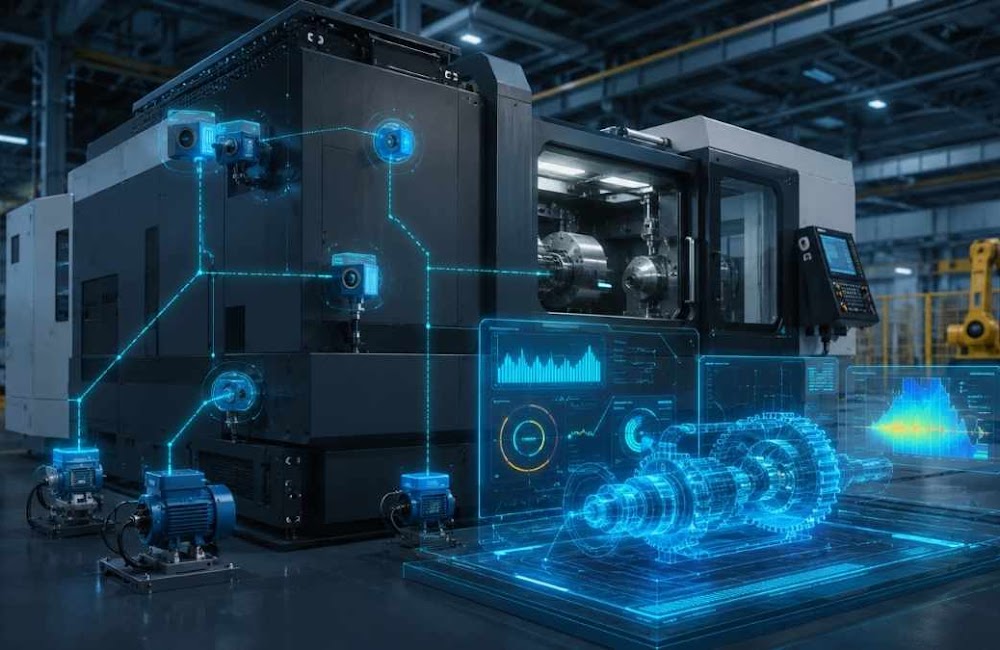
The core of predictive maintenance lies in the use of modern technology. These tools work together to transform raw on-site data into actionable insights.
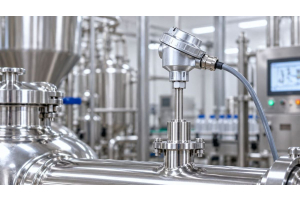
- IoT (Internet of Things) Sensors: Devices that capture various signals such as vibration sensors, temperature sensors, or proximity sensors
- Data Platform: Cloud-based or server systems to handle large amounts of data from real-time predictive maintenance systems.
- Data Analysis Software and Machine Learning: The intelligent system that learns the normal behavior of machinery to alert when even minor abnormalities are detected.
- CMMS (Computerized Maintenance Management System): A software for managing maintenance tasks that automatically generates work orders based on alerts received.
Which Types of Businesses Are Suitable for Implementing a PdM System?
This system is not limited to large industrial plants; various types of businesses can adopt predictive maintenance principles to gain a competitive edge.
Manufacturing Plants
The group that benefits the most includes automotive, electronics, or food manufacturing plants where production lines must operate continuously. Even brief interruptions can result in losses worth hundreds of thousands of baht (as maintenance is about ensuring continuity).
Energy and Utility Businesses
Power plants or water supply systems have critical equipment spread over wide areas; constant human inspections are impractical. Using condition monitoring systems effectively reduces the risk of power outages or water disruptions.
Transportation and Logistics Businesses
Mileage-based maintenance for trucks or trains may not be sufficient; sensor systems can alert when an engine overheats abnormally before a breakdown occurs on the road (for further reading, see an academic report about condition monitoring).
Large Buildings and Real Estate
Central air conditioning (HVAC), passenger elevators, or high-rise building water pumps require high reliability. Predictive damage forecasting helps maintain living standards and saves energy efficiently.

Examples of Predictive Maintenance Usage in Various Industries
To illustrate how this technology is actually used, the team would like to present common case studies found on industrial sites.
- Case Study: Detecting Motor Abnormalities in Production Lines Vibration analysis helps identify bearing imbalance before motor failure occurs.
- Case Study: Predicting Wind Turbine Blade Lifespan Small cracks are detected through acoustic sensor systems, preventing severe structural damage to the turbine.
- Case Study: Planning Aircraft Engine Maintenance Massive amounts of temperature and pressure data are analyzed in real-time for precise part replacement planning before the next flight.
Summary
In summary, a predictive maintenance system is key to transforming plant maintenance work. It helps reduce losses from machine breakdowns and challenges traditional beliefs that maintenance is solely about waiting for repairs. If you are ready to move beyond the limitations of conventional preventive maintenance, adopting this system will undoubtedly yield a worthwhile return on investment.
Ready to Purchase? Buy from SCMA Today!
Selecting an expert partner to implement a predictive maintenance system is crucial. SCMA Co., Ltd (SCMA) offers comprehensive technology and measurement tools that cater to every industry. You can click to view all our products to start upgrading your factory immediately, leaving behind the old-fashioned maintenance approach.
Frequently Asked Questions (FAQ) About Predictive Maintenance
How much initial investment is required?
The cost depends on the size of the system and the number of machines. You can start with a small-scale pilot project in the most critical areas before expanding to other parts.
How long does it take to see results?
Generally, clear results from reducing downtime are seen within 3-6 months after the system has collected enough data on machine behavior.
What kind of data needs to be collected?
The basic parameters include vibration data, temperature, sound, and electrical current, which serve as excellent indicators for detecting mechanical equipment abnormalities.
Is a Data Scientist needed in the team?
Currently, there are user-friendly software solutions that provide clear dashboard results. However, having an expert partner to consult will help speed up system implementation.
What is the difference between Preventive Maintenance and Predictive Maintenance?
Preventive maintenance involves scheduled repairs at fixed intervals even if the machine is still functioning well, whereas predictive maintenance analyzes data to repair only when machines start showing signs of deterioration.