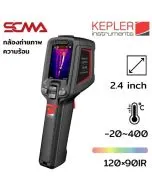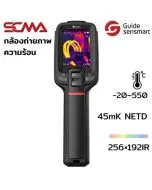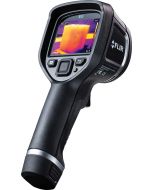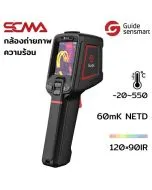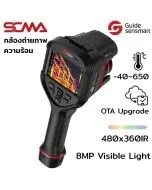
Thermoscan (thermoscan) or thermal imaging camera, is the tool you are looking for to enhance your factory maintenance efficiency, right? In this article, the SCMA engineering team will guide you through a deep understanding of how thermoscans work and recommend ways to purchase thermal cameras that provide the best value for your budget. After reading it, you'll be able to apply it accurately in your business. If you need an expert to evaluate on-site conditions to design a system, you can contact Our Services (SCMA) immediately.
What is a Thermoscan? Why is it important in modern work?
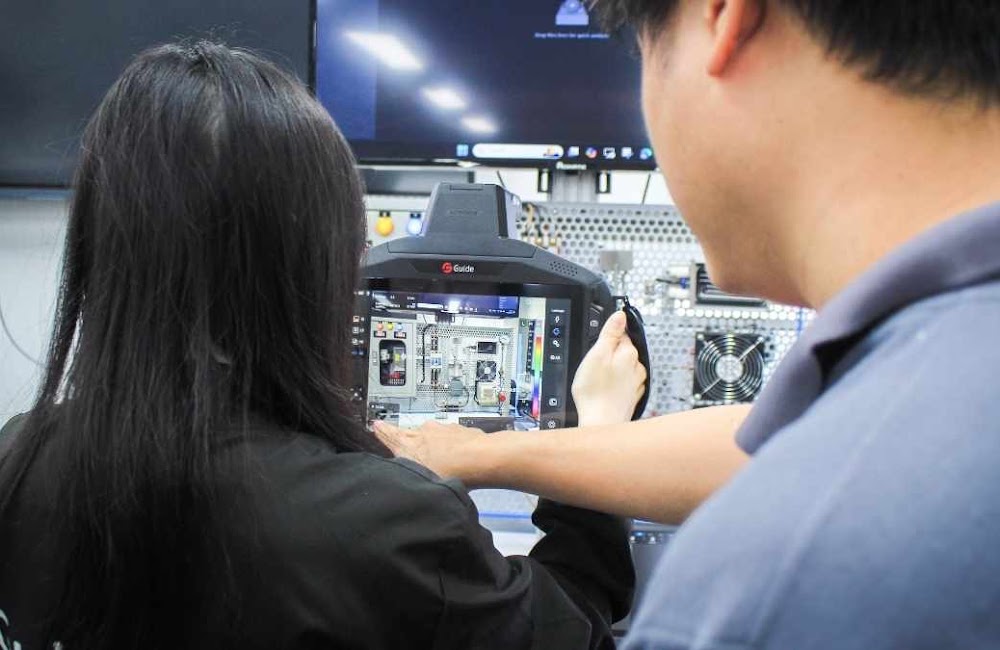
Based on the experience of the SCMA engineering team, we can explain that a thermoscan (Thermoscan in English is called Thermal Imager) is a measuring tool that helps us clearly see the distribution of heat on objects. The key difference between a thermoscan and an infrared point thermometer is that the thermometer only measures temperature at one point, but a thermal camera can display the entire area's thermal image at once, allowing engineers to analyze problems quickly without missing small hidden issues. This greatly enhances safety standards in modern industrial work.
How Thermoscans Work: Turning Invisible Heat into Images
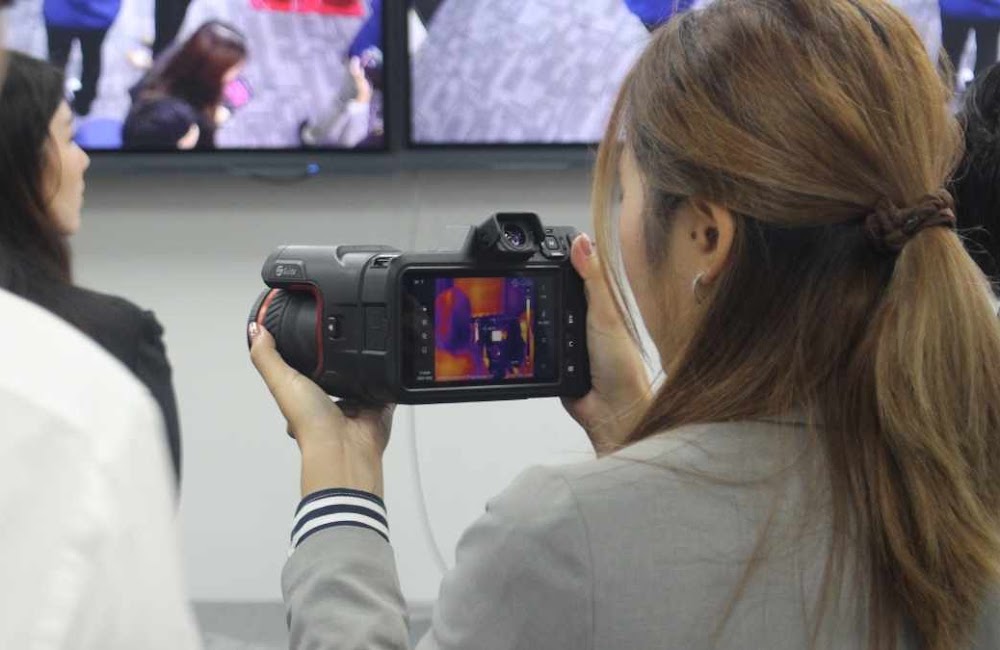
The basic principle of how thermoscan works starts with detecting infrared radiation (Infrared Radiation), which is thermal waves emitted from all objects at temperatures above absolute zero. The sensors inside the thermoscan receive these waves, and then an intelligent processing system converts the intensity values of the radiation into a color image that represents temperature levels. Warm tones such as red or yellow represent areas with high temperature, while cool tones like blue or black represent low-temperature areas, allowing us to immediately understand the thermal condition of machinery by looking at the thermoscan display.
What are the benefits of using a thermal scanner? What can it be used for?
The application of thermal scanners covers various sectors. The SCMA team would like to summarize the main benefits of these infrared cameras that have helped solve many problems for our customers as follows:
- Electrical system and solar panel inspection work: Engineers use thermal imaging cameras to detect abnormal heat accumulation points in control cabinets, or what is called electrical thermoscan, to assess risks and prevent short circuits.
- Predictive maintenance of factory machinery: Thermal detectors help evaluate the condition of bearings or motors before severe damage occurs, resulting in reduced downtime for machines.
- Building inspection work to find water leaks and heat loss points: Thermoscan devices can scan hidden moisture in walls as well as accurately locate air conditioning system leaks without damaging the structure.
- Agricultural and livestock use: Use thermoscans to check animal temperatures for initial disease screening or to monitor soil moisture levels on large agricultural plots.
- MEDICAL AND VETERINARY USE: Infrared cameras that detect heat are used to screen body temperature in public areas for health safety, referencing the internationally recognized medical study on thermal imaging.
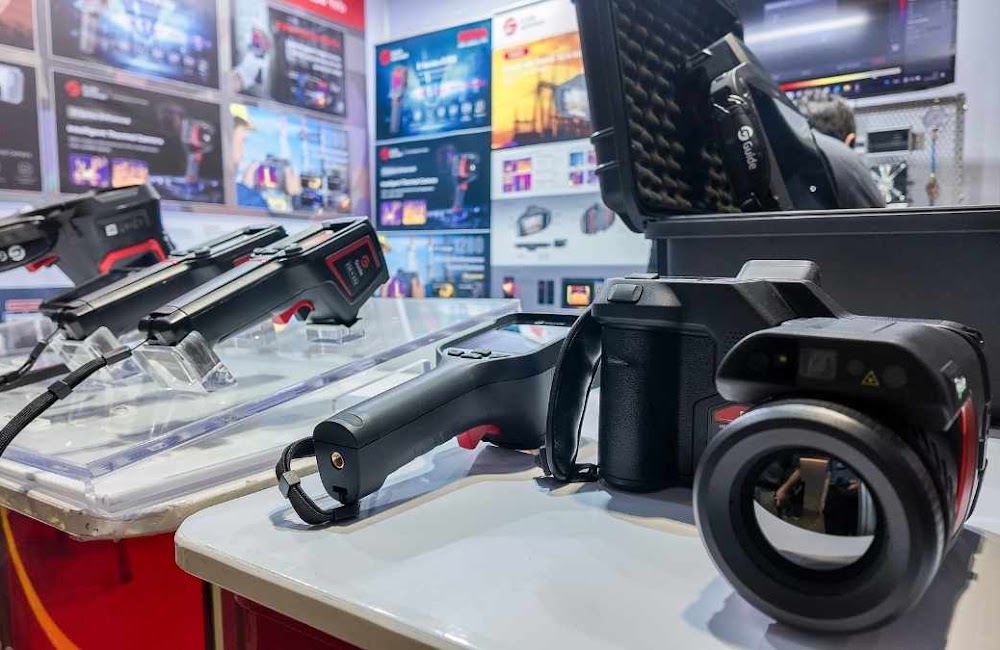
How to Choose the Right Thermal Scanner for Your Job: What Specs Should You Look At?
To make a worthwhile purchase of a thermal scanner, it is necessary to carefully consider specifications to avoid errors in work. The SCMA engineering team recommends 5 key factors when selecting an infrared camera as follows:
Image Resolution (Resolution) - Higher Is Better
The resolution of the infrared sensor directly affects image clarity. If you need a thermal scanner for detecting small points on electronic circuit boards, choose models with high resolution such as 320x240 pixels or higher to get accurate heat images and easier data analysis.
Temperature Range (Temperature Range) - Covering the Work Requirements
You must evaluate what your production process's highest temperature is. When selecting a thermal detector, choose models that cover these temperatures safely, such as metal casting or glass industry work which requires cameras capable of handling up to 1,000 degrees Celsius and above.
Thermal Sensitivity (NETD)
The NETD value indicates the ability of an infrared camera to distinguish temperature differences that are close together. The lower the NETD value (such as below 40mK), the clearer the color gradation in the image, with less noise interference, allowing immediate detection of newly emerging abnormalities.
Image Focus (Focus) - Manual or Auto
Focusing significantly affects the accuracy of temperature data. Most entry-level thermal scanners are Fixed Focus type which is easy to use without adjustment, while professional models have Auto Focus or Manual Focus systems for maximum precision at different measurement distances.
Additional Functions Such as Video Recording, Wi-Fi
The current thermoscan technology comes with many convenient features such as Wi-Fi connectivity to pull images into smartphones, automatic reporting functions, or Picture-in-Picture overlay of real images on heat images, which helps make field problem analysis smoother and more professional.
Understanding Types of Thermal Cameras: Portable vs. Fixed Mount
Selecting the right type of thermal camera to fit your work requirements is crucial. Handheld thermographic cameras are known for their high mobility, making them ideal for maintenance engineers who need to inspect multiple machines across a factory. On the other hand, fixed-mount thermographic cameras are installed above production lines, MDB cabinets, and industrial machinery to monitor real-time temperatures continuously for 24 hours. Using fixed-mounted infrared temperature detectors helps integrate control systems, allowing immediate shutdown of equipment when temperatures exceed safety thresholds.
Basic Usage of Thermography and Precautions for Accuracy
Even with a professional-grade thermographic camera that is highly priced, incorrect usage can lead to inaccurate temperature readings. The first precaution is setting the emissivity coefficient of the camera correctly according to the type of material being inspected. Shiny metal surfaces reflect environmental infrared radiation well, causing readouts to deviate from actual values. Therefore, you must adjust settings in the camera or use techniques like applying matte black paint over metallic surfaces before measuring. Additionally, the distance between the thermal imaging device and the object, as well as weather conditions with high humidity or dense smoke, are critical factors that obstruct infrared radiation travel, which engineers must consider during analysis.
Summary
In summary, thermographic cameras are essential tools for elevating predictive maintenance standards. They help you analyze hidden issues before they escalate into major damages. If you want to delve deeper into the details about What is a Thermal Imaging Camera, the expert team at SCMA Co., Ltd. is happy to provide engineering advice to help you design the most efficient solutions.
If you want to buy, you can purchase from SCMA today!
Investing in a high-standard THERMO SCAN is a guarantee for safety and tangible reduction of downtime in production lines. If your organization is looking for high-quality thermal cameras, you can browse the Thermal Imaging Camera from leading global brands or check out All SCMA Measurement Tools Products. We are ready to be your partner in providing high-precision technology to drive your industry forward sustainably.
Frequently Asked Questions about Thermal Cameras
What tools are used for scanning heat?
The main tool is a thermoscan or an infrared thermal imaging camera, which functions by receiving the heat radiation emitted from objects and converting signals into color images for engineers to accurately analyze temperature levels.
How does a thermal imaging camera work?
The lens of the camera receives infrared rays. The internal sensor converts the intensity of these rays into temperature data, then displays it as a gradient color image on the screen.
How often should a thermoscan be calibrated?
We recommend sending your thermoscan for calibration at least once a year to maintain the accuracy of the sensors and ensure that measurement processes comply with ISO quality system standards.
Is the UNI-T brand good?
The UNI-T brand offers excellent value, suitable for beginners, HVAC technicians, or general maintenance teams requiring basic functions within a controlled budget.
Can it be used to measure body temperature?
This is possible if you choose a thermoscan model specifically designed for healthcare applications. These models have narrow measurement ranges but high precision at the decimal level for initial patient screening.