Speed Controller, or what technicians call speed control, functions to regulate the flow rate in pneumatic systems, correct? If you are looking for a way to manage flow control so that cylinders operate smoothly, this article will guide you through understanding its working principles, selecting the appropriate type, and practical application guidelines. For in-depth advice, you can contact our system design and consultation services from SCMA immediately.
What is a Speed Controller (Valve) and Why Is It Important in Pneumatic Systems?
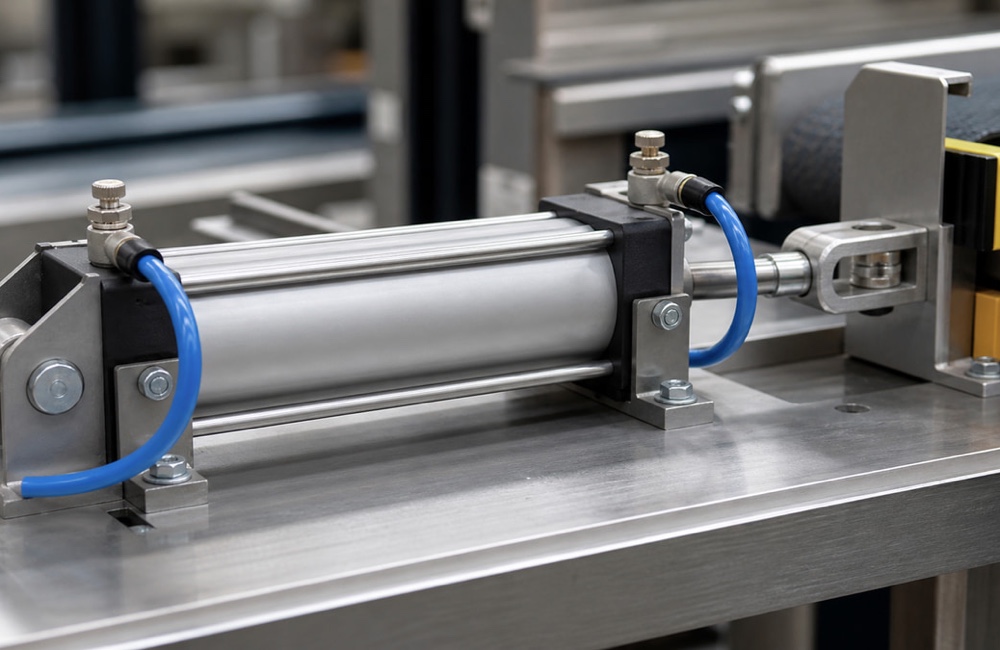
Precision is crucial for operations in automated systems. Speed Controller takes the role of finely adjusting the volume of air supplied to or exhausted from pneumatic cylinders. This device sets the speed at which the piston rod extends or retracts according to a specified rhythm. Without speed control, cylinders would collide violently, causing mechanical damage. Proper flow control management significantly enhances machinery lifespan efficiently; this is a top safety standard that every engineer prioritizes in factories.
Working Principles and Key Components You Should Know
The external structure of the Speed Controller includes an air volume adjustment knob (Knob), body, quick-connect fittings for air lines (Fitting), screw threads to connect with equipment (Thread). The internal mechanism relies on screw rotation to adjust the size of the gap through which air flows as needed. An interesting difference is that check valve type valves allow free airflow in one direction but control speed only in the opposite direction, while non-check valve types limit flow in both directions. Understanding these speed control components helps technicians quickly diagnose issues on-site.
How Many Types of Speed Controllers Are There? Get to Know the Popular Types
Based on the experience of the SCMA engineering team, we often encounter the question how many types of speed control are there. The classification can be considered based on the direction of control, installation shape, as well as the material of speed controller, as follows:
Direction Control Type (Meter-in vs Meter-out)
This type of valve is designed to limit flow rates in different directions. The meter-in type is suitable for single-acting cylinders, while the meter-out type is ideal for double-acting cylinders. Choosing the correct Speed Controller can clearly reduce machine jerking issues.
Installation Shape Type (Inline vs Elbow)
The straight or inline valve is commonly installed in between air lines, whereas the elbow type is screwed directly into the cylinder's air port. Selecting an installation shape of speed control that aligns with the work area can greatly reduce hose bending.
Materials Used for Production and Impact on Usage
The plastic housing is lightweight, suitable for normal environments, while metal or brass housings are ideal for high-temperature areas resistant to chemical corrosion. If you want to create a flow control system with the highest safety, choosing materials that withstand environmental conditions is the best solution.
What is a Speed Control Meter In? How does it differ from Meter Out?
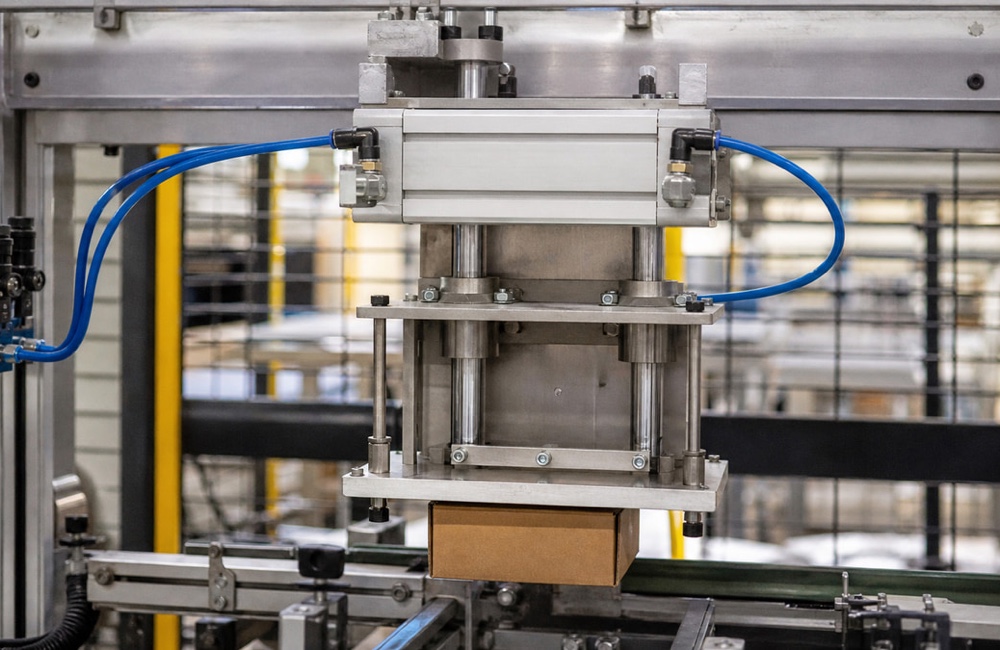
Understanding what a Speed Control Meter In is will help you design pneumatic circuits perfectly. Both systems have entirely different principles of managing the Speed Controller.
How Meter-in (Inlet Air Control) Works
This system works by throttling or limiting the amount of compressed air that enters to push the piston, allowing the internal air to freely vent out. This type is ideal for systems requiring smoothness using a return spring inside the cylinder.
How Meter-out (Outlet Air Control) Works
This system allows compressed air to fully enter the cylinder and throttles the compressed air being discharged from the other side instead. Delaying outlet airflow creates back pressure within the cylinder, making movement stable without mechanical impact issues.
When Should You Choose Meter-in or Meter-out?
The majority of engineers choose Meter-out for double-acting cylinders to achieve maximum smoothness. For single-acting cylinders or lifting heavy loads vertically, Meter-in should be used to prevent the piston rod from dropping quickly. You can integrate it with a control system from PLC as needed.
How to Read Speed Controller Symbols in Pneumatic Circuits
To analyze circuits, it is necessary to understand speed control symbols correctly. These symbols are designed to communicate the internal mechanisms of speed controls so that technicians worldwide can have a common understanding.
Basis Symbol Meanings According to ISO Standards
The symbol drawing consists of curved lines indicating compressed points with arrows overlaying them to indicate adjustable levels. The V-shaped check valve symbol with a round ball is drawn side by side to show the direction in which air can flow freely according to global engineering standards.
Example of Reading Meter-in and Meter-out Symbols
If the arrow on the check valve points towards the cylinder, it means air can flow freely in, making it an output air control system (Meter-out). Conversely, if the arrow points outwards, it is an input air control system (Meter-in). Observing this direction helps prevent the wrong type of Speed Controller from being installed.
Cautions for Interpreting Symbols to Prevent Errors
A common confusion point for new engineers is comparing the arrow direction on actual equipment with that in the blueprint. Checking each brand's user manual along with understanding flow control will help you connect systems safely to an Inverter or other devices.
5 Key Factors in Selecting a Speed Controller (Speed Control Valve)
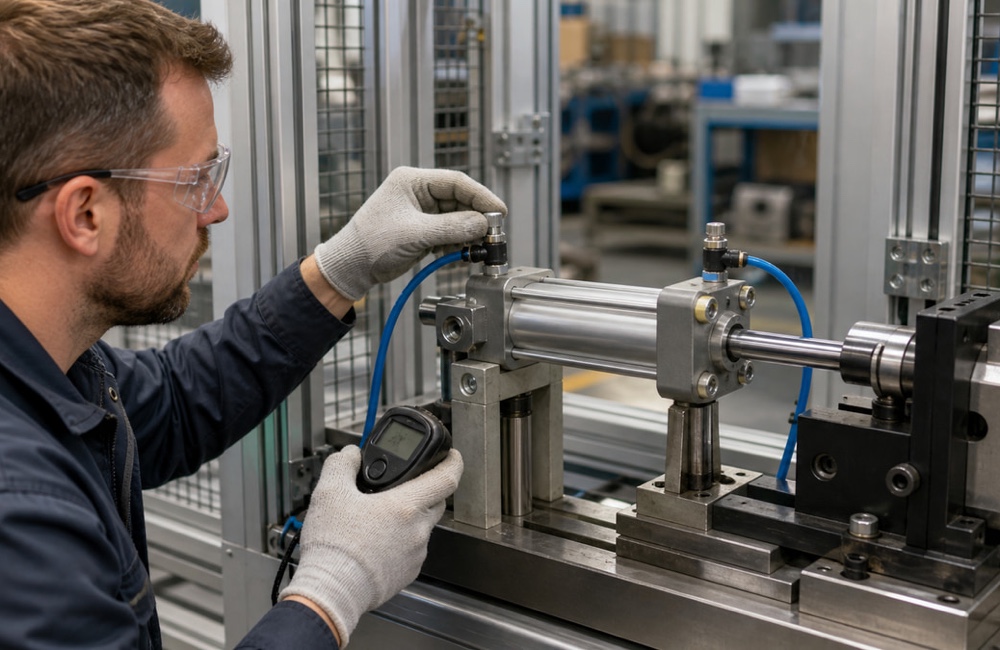
Considering specifications before purchasing helps ensure smooth operation of your system. The SCMA team summarizes the criteria for selecting Speed Controllers or speed controls as follows:
- Screw size and air hose compatibility: You must check the cylinder port threads to match the specifications of the Speed Controller. Choose a snug fit for polyurethane air hoses to prevent leaks.
- Maximum Operating Pressure (Max Operating Pressure): The equipment must safely accommodate the air pressure within your factory. Using a speed control that cannot withstand lower system pressures can lead to breakage.
- Type of Fluid (Air, Inert Gas): Standard valves are designed for compressed air. For controlling the flow of other gases, carefully check the sealing material inside.
- Operating Temperature: Heat directly affects the lifespan of plastic components. If the installation area is hot, choose an all-metal model for durability.
- Selecting to Suit Cylinder Size and Speed: Larger cylinders require higher air flow rates. Choosing a specification with a wider vent helps the piston work at full efficiency.
Summary
The Speed Controller is a small component that has a significant impact on machine stability. Selecting the correct type of Meter-out or Meter-in speed control according to your application clearly enhances safety. If you are designing an automated system, our team is ready to provide full support through SCMA's System Design and Consultation Services.
If you want to buy, SCMA is available for purchase today!
Installing standard flow control equipment is the starting point of cost-effective preventive maintenance. SCMA Co., Ltd. (SCMA) is an authorized distributor of high-quality Speed Controller products from leading global brands. We have a team of expert engineers ready to assist you. You can visit our website at all SCMA products and request a quote immediately.
Frequently Asked Questions about Speed Control Valves
What happens if you install the Speed Controller backwards?
If installed with Meter-out reversed to Meter-in, compressed air will forcefully impact the cylinder, making it impossible to achieve the desired speed control.
Can it be used in a hydraulic system?
We strongly advise against it. Air valves are designed for lower pressure than hydraulic fluid systems; internal seals may rupture immediately.
How long does it last and when should you replace it?
In clean environments free of dust and oil, the valve can operate for millions of cycles. If speed adjustments become unstable or air leakage occurs, immediate replacement is recommended.
Is idle speed control in cars related to pneumatic valves?
Idle speed control refers to an engine motor that controls idle RPMs in vehicles and has a completely different function from the industrial pneumatic cylinder speed control valve.
What is a Speed Control Valve? Is it the same as a speed controller?
It's the same piece of equipment. Technicians often refer to it simply as a speed controller, which controls the rate of compressed air flow to manage machine speeds.