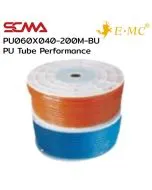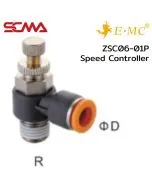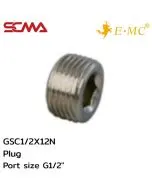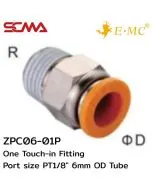
Air Fittings Are you looking for the components to enhance your pneumatic system? Choosing high-quality Air Hose Connectors or Pneumatic Fittings directly impacts the stability of machinery. This article delves into types of Fittings, material selection, and proper installation steps to help you make confident decisions. You can seek further consultation from our experts through SCMA's System Design & Consultation Services.
What Are Pneumatic Fittings? Why Are They Important in Pneumatic Systems?
To understand the basics, Fittings are components that connect air hoses to end devices in industrial settings. Internally, they consist of locking teeth, sealing rubber to prevent leaks, and push-to-connect buttons designed for secure attachment. Many wonder if Fittings can be used with oil. In reality, Air Fittings are primarily designed to handle air pressure, while hydraulic fittings are much thicker and more durable to withstand higher liquid pressures. Therefore, specifying the type of flow when choosing Air Hose Connectors is always crucial.
How many types of air fittings are there? Get to know the popular styles
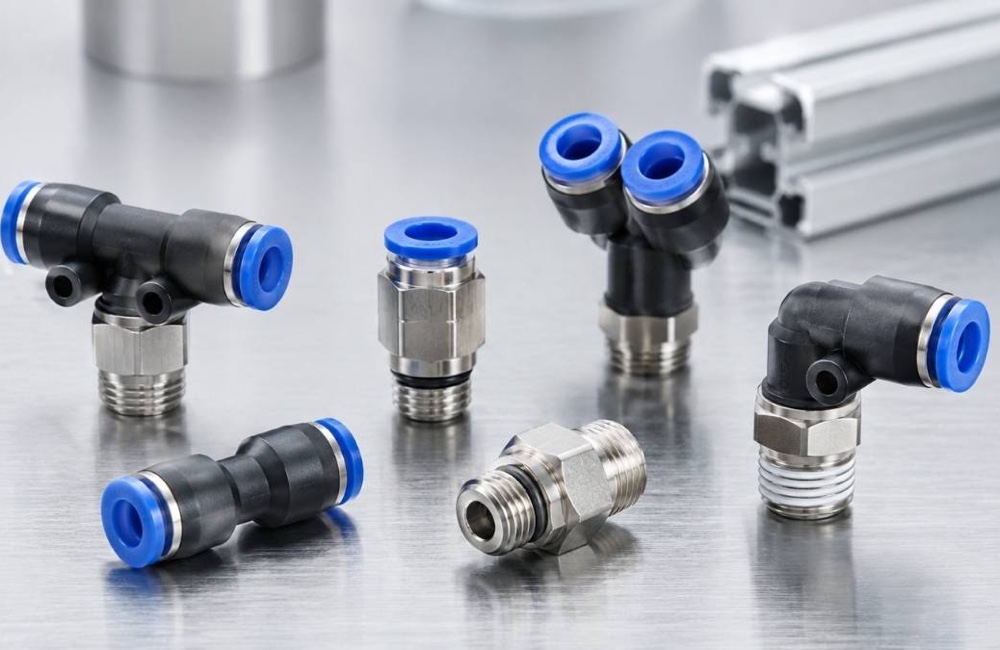
In the market, there are a variety of fitting styles available for use according to the pipe routing characteristics. Understanding the types of air fittings will help engineers design pneumatic circuits as efficiently as possible.
Rapid Push-in Fittings (Push-in Fittings)
Rapid push-in fittings are currently the most popular type. Technicians can insert air hose connectors immediately without using tools to lock them in place, saving a huge amount of time during machine assembly.
Tee/Y Shape Fittings (Three-way Air Fittings)
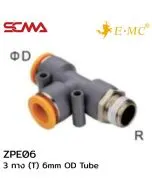
For work that requires splitting air paths, three-way fittings are the right solution. This piece of equipment serves as an air hose connector to distribute compressed air from a main source to multiple end devices simultaneously, helping organize the air lines neatly.
Straight Fittings and Elbow Fittings (Right Angle Fittings)
Straight fittings are suitable for connecting air pipes in the same plane, while 90-degree elbow fittings help solve installation space limitations. Choosing air fitting styles like these helps reduce hose bending, preventing long-term damage.
Male/Female Threaded Fittings (Threaded Fittings)
Male-threaded fittings are used to connect with machine air ports, while female-threaded ones are for connecting to devices that have protruding threads. You can apply them seamlessly with pneumatic solenoid valves.
Reducer Fittings (Reducing Fittings)
When the system needs to reduce pipe size, reducer fittings are used. This piece of equipment connects air hose connectors of larger sizes with smaller pipes while maintaining constant internal pressure and preventing leaks.
Selecting the Right Material for Air Fittings: Durability and Suitability
The choice of material for air fittings is a key factor in determining long-term durability. You should always consider the working environment before purchasing air connectors.
- Plastic (Polymer): Lightweight and cost-effective, suitable for general pneumatic systems that do not come into contact with high heat.
- Bronze: Resistant to moisture and corrosion, air line fittings made of bronze are highly popular in industrial settings.
- Stainless Steel: Excellent resistance to chemical corrosion, ideal for industries such as food and medical that require the highest level of cleanliness.
- Steel Fittings: Extraordinarily strong and durable, capable of handling high air pressure, suitable for heavy-duty connections involving air line connectors.
How to Choose the Right Size of Air Fittings for Your Hose
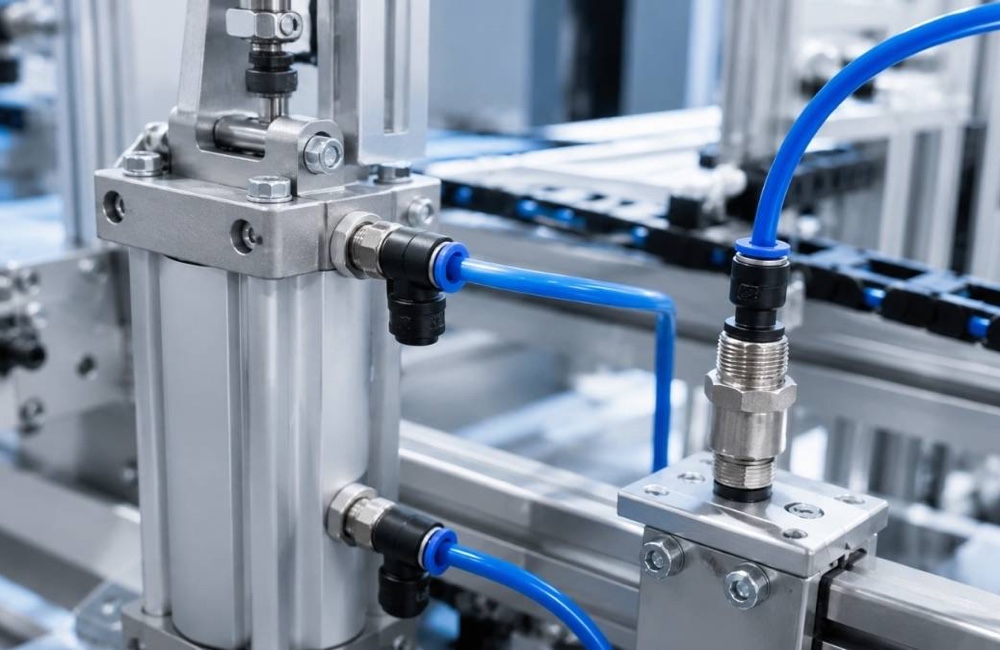
Mating the size of air fittings correctly with your hose is crucial in preventing leaks. You must measure the outer diameter (OD) of the tubing and select the correct fittings. For threaded ends, you need to consider the thread size (e.g., PT 1/8", 1/4") to match the port of the end device. If you are connecting to an E.MC pneumatic cylinder, choosing air fittings with the exact thread size will ensure optimal system performance.
5 Key Factors to Consider Before Buying Pneumatic Fittings
Before deciding to order pneumatic fitting connectors, there are engineering criteria you should not overlook. Evaluating these factors helps reduce on-site errors.
Type of Work and Environment
The installation environment has a significant impact. If the working area is dusty or prone to sparks, choose models with protective covers or use metal materials for maximum system safety.
Working Pressure (Pressure Rating)
You must check the highest pressure specifications that the machinery uses. The pneumatic fitting you select should be able to withstand a higher pressure than normal operating conditions to prevent breakage.
Operating Temperature
The temperature of compressed air, as well as external environmental temperatures, affect internal seals. If used in an oven zone, choose pneumatic fittings that specify high-temperature specifications particularly.
Chemicals or Liquids Contact
If the system has oil mist, lubricants, or chemicals mixed with air, materials including O-rings must be resistant to corrosion; otherwise, they may deteriorate and cause leaks.
Standards and Reliable Brands
Selecting a reputable brand ensures product quality. You can study in-depth information about material durability from the industrial engineering research article to aid your decision-making.
Correct Installation and Removal Steps for Air Fittings
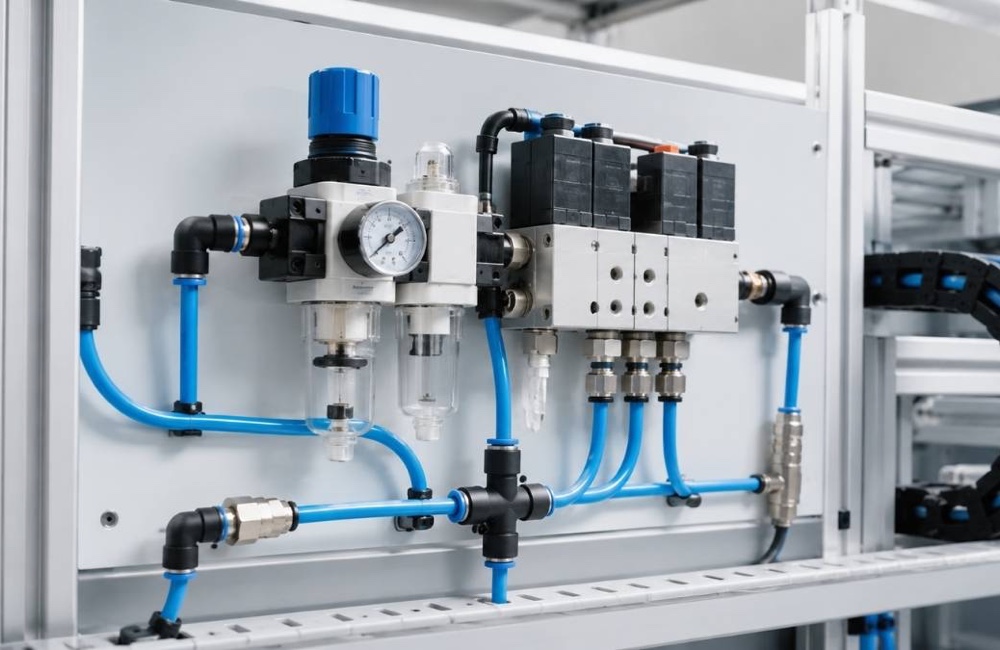
The proper working procedure helps maintain the integrity of fittings for a longer period. The technician team should pay attention to the assembly details of air connectors as follows:
- How to connect air hose with quick-connect fitting: Cut the end of the air hose at 90 degrees, push it into the air fitting until it locks. Check by gently pulling on the hose to ensure it does not come loose.
- How to unlock and remove the air hose without damaging: Rotate the release ring (Release ring) down fully, hold it while pulling out the air hose straight; do not yank forcefully.
- Pitfalls to avoid when tightening threads to prevent leaks: Wrap tape in the correct direction around the threads. Tighten air fitting with a wrench until snug by hand, avoiding over-tightening which may strip the threads.
Frequent Issues and Solutions Related to Air Fittings Usage
In machinery maintenance, issues related to air fittings are inevitable. Proper initial troubleshooting helps get machines back up and running faster.
- Air hose leakage at connection points: Caused by the end of the air hose being cut unevenly or internal seal O-rings in the air fitting breaking; fix by cutting a new clean end on the hose, or replacing the fitting.
- Why do fittings crack or get damaged?: Main causes include excessive air pressure pulling, impact from hard objects, and using inappropriate air fittings with corrosive chemicals that eat away at plastic.
- Maintenance to extend service life: Regularly inspect the system; if the release ring of the hose fitting is stiff, clean off accumulated dust. Do not use lubricants that damage rubber seals under any circumstances.
Summary
In summary, air fittings are crucial small components for machinery stability. Choosing the right air fitting material and pressure tolerance, along with proper hose connections, ensures a leak-free air system operation. If you're looking for a local air fitting store to source quality equipment, contact SCMA for the best solutions.
If you want to buy, SCMA is available today!
Purchasing high-quality fittings from a reliable distributor is a worthwhile investment. SCMA Co., Ltd. (SCMA) offers a full range of air hose couplings from leading brands. Our team of engineers is ready to provide on-site consultation to solve your problems effectively. You can browse the complete SCMA product catalog. Contact our team at the SCMA website immediately.
Frequently Asked Questions
How are PT, NPT, and G threads different?
These are different thread standards. PT is a tapered thread, NPT is an American standard, and G is a straight thread. You must choose the one that matches your machine's port.
What is the difference between PU air hose and Nylon air hose?
The PU hose has high flexibility and can bend well, making it suitable for areas with movement. The Nylon hose withstands higher pressure and temperature better and maintains its shape more effectively.
If a quick-connect fitting leaks, can it be repaired?
The internal rubber seal cannot be replaced. If there is leakage, replacing the entire unit would be more cost-effective and safer than attempting to repair it.
Can plastic air fittings be used in water systems?
We do not recommend this as the internal rubber seals are designed for air use only. Exposure to water may cause swelling and deterioration of the seal. It is advisable to use specific fittings designed for liquids.
How can I determine what size fitting to use?
Measure the outer diameter (OD) of the air hose with a vernier caliper, then check the thread specifications of the equipment you are installing.