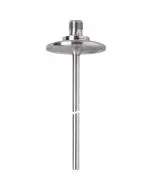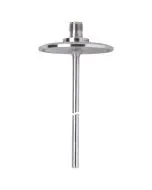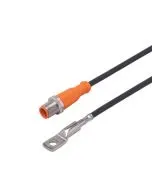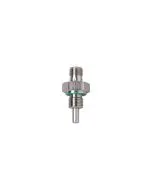

Do industrial motors that overheat due to heavy workloads, leading to frequent production line disruptions from potential fires sound familiar? SCMA offers Motor Temperature Sensors, featuring top-tier global brands, along with in-depth consultation by expert engineers. This article delves into types, operating principles, maintenance, and how to select temperature sensors, aiming to enhance the reliability of factory machinery systems.
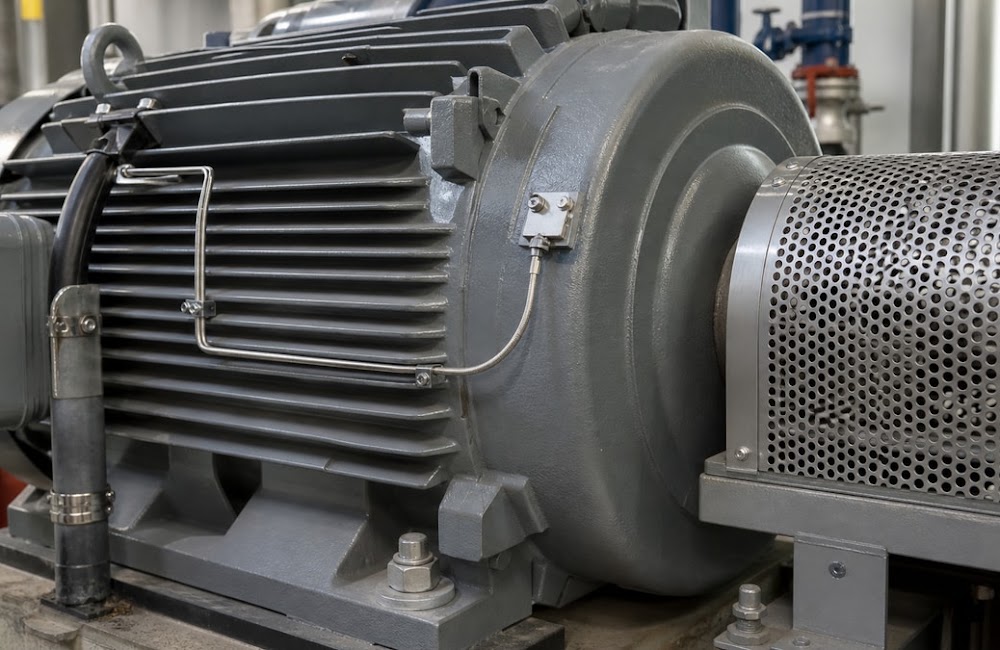
What are Motor Temperature Sensors?
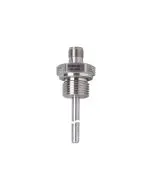
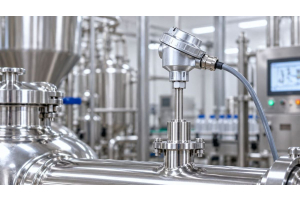
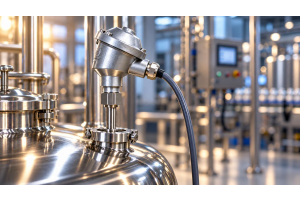
Motor temperature sensors are devices installed on motor windings or frames to prevent damage from overheating by converting heat into electrical signals that are then sent to an automatic control system.
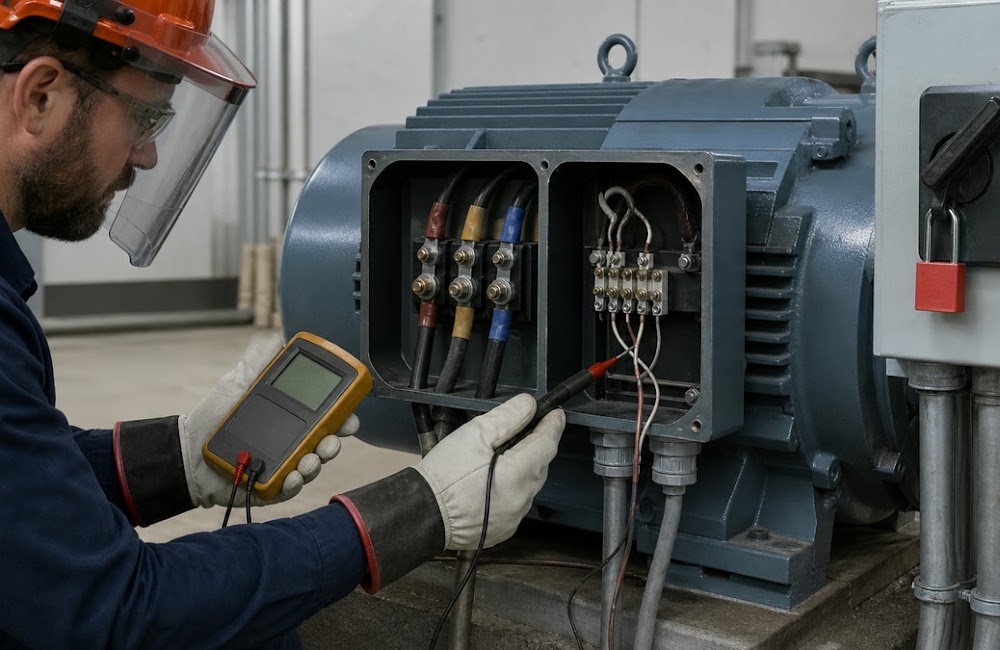
How Motor Temperature Sensors Work
Based on the experience of the SCMA engineering team, temperature measuring devices operate by utilizing changes in electrical properties when materials absorb heat from motor windings or structures and then convert these values for processing.
Principle of Operation of RTD (Pt100 / Pt1000) Sensors
This principle relies on the resistance of platinum metal, which increases linearly in proportion to an increase in motor temperature. This resistance signal is then sent to a temperature meter or control system for processing into accurate Celsius values.
Principle of Operation of Thermocouple Sensors
This principle relies on the junction of two different metal wires. When there is a temperature difference between the measurement point and reference point, it generates millivolt (mV) voltage to be converted back into heat values. This type is suitable for measuring high-temperature ranges.
Data Processing and Shutdown Control
The measured resistance or voltage signals are sent to a Temperature Controller or PLC for display, control of operation, and immediate circuit disconnection when the temperature exceeds safety thresholds to prevent motor windings from burning out.
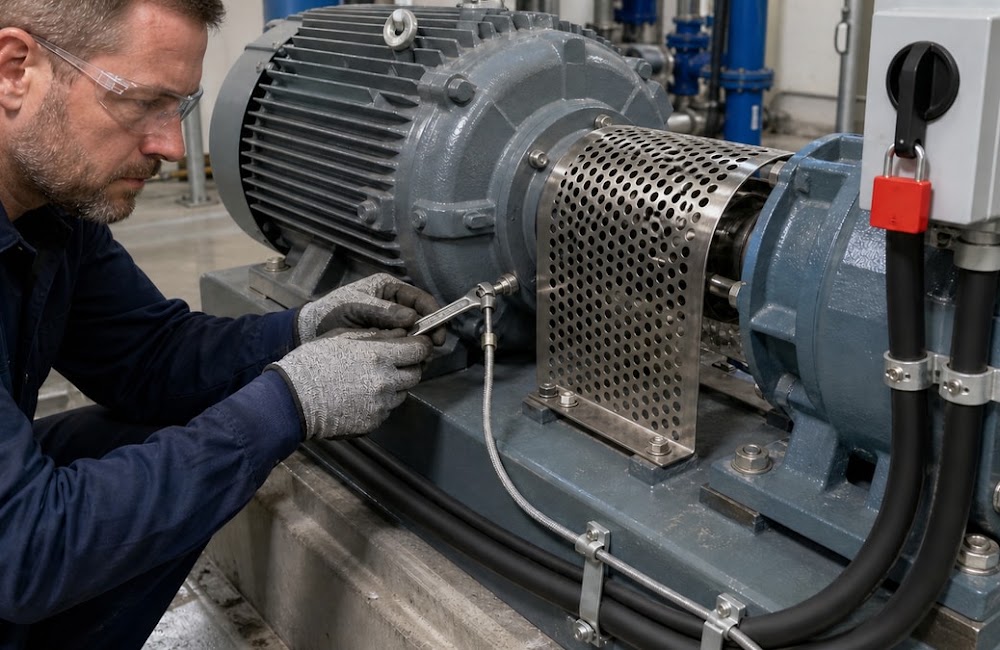
How many types of motor temperature sensors are there?
The types of thermal probes for motors in industrial applications can be divided into 4 main categories. From SCMA's on-site experience, we find that selecting the appropriate sensor based on electrical principles to match the level of heat is crucial.
Thermistor (PTC / NTC)
Rapidly changes resistance according to temperature, commonly using PTC Thermistors embedded in motor windings to act as a thermal switch, immediately cutting off operation when sudden high heat occurs.
RTD (Resistance Temperature Detector such as Pt100)
Takes advantage of the change in platinum resistance for high accuracy and excellent stability, suitable for work requiring detailed monitoring and recording of temperature changes.
Thermocouple
Generates an electrical potential difference between two metal types according to heat levels, highly resistant to high temperatures, fast response, commonly used in motor structures or measurement points on large motors.
Maintenance of Motor Temperature Sensors
Proper maintenance helps extend the lifespan of equipment, prevents inaccurate measurements, and reduces the risk of severe damage to production systems due to overheating motors.
Cleaning and External Inspection
Frequent dusting, cleaning oil stains, and removing accumulated dirt around the sensor is necessary. Inspect for cracks on the housing and ensure screw connections are tight to prevent vibration during motor operation.
Electrical System Check
Check that wire terminals are in good condition without rust, tighten connection points securely to avoid loose signals, inspect insulation wires for any breaks or damage from heat.
Testing and Calibration
Measure resistance or electrical signal against standard values, regularly calibrate (Calibration) temperature with the control system. If readings deviate beyond standards, replace immediately.
Motor Temperature Sensor Usage
The appropriate application of temperature sensing equipment helps prevent motor burnout, reduces machine downtime (Downtime), and extends the lifespan of industrial system components.
Popular Types of Sensors Used
- PTC Thermistor (Posistor): Changes resistance abruptly when reaching critical temperature levels, commonly used with relays to immediately cut off power circuits.
- PT100 (RTD): Provides high accuracy and continuous temperature readings, suitable for data logging and trend analysis.
- Thermocouple: Durable in harsh conditions, ideal for large motors or areas with extremely high heat accumulation.
Benefits and Applications
- Prevent Overload: Detects excessive load that causes coil overheating.
- Predictive Maintenance: Monitors bearing wear in advance to prevent jams.
- Control System Integration: Sends data to PLC or Inverter to automatically adjust motor speed or shut down operations.
Advantages of Motor Temperature Sensors
The installation of high-quality temperature measurement equipment from experts enhances long-term production system safety and efficiency at a cost-effective rate.
Main Advantages of Motor Temperature Sensors
- High Accuracy: Provides precise and continuous temperature readings, enabling the control system to respond promptly.
- Damage Prevention: Immediately shuts down operation or issues a warning when overheating occurs, preventing motor coil burnout.
- Prolongs Lifespan: Reduces internal component wear from heat accumulation, allowing machinery to operate longer.
- Lowers Production Costs: Minimizes unexpected downtime and saves on major equipment repair costs.
How to Choose a Motor Temperature Sensor
Based on SCMA's over 15 years of experience, selecting temperature measurement equipment requires considering technical factors that are suitable for the actual working conditions as follows:
- Sensor Type: Select Thermocouple when requiring a wide measuring range and high heat resistance or choose RTD (Pt100) when requiring high accuracy
- Mounting Style: Choose screw size, probe length, and mounting style that fit the measurement point on the motor housing or coil
- Temperature Range: Check the highest operating temperature to select a measuring head that safely supports the temperature range
- Output/Input Compatibility: Verify signal compatibility with existing Temperature Controllers or PLC systems
- Environmental Durability: Choose an appropriate IP rating and structure resistant to motor vibrations
Installation Tips for Motor Temperature Sensors
Tips from actual working conditions indicate that incorrect installation may cause measurement errors, affecting the control system's performance. Consider the following precautions:
- Sensor Head Positioning: Ensure the sensor head tip firmly contacts the desired measurement point such as coils or bearings
- Signal Wiring: Avoid running signal wires parallel to power cables to prevent interference
- Selecting Compensation Wire (Extension Wire): Choose wire types that match the sensor type, such as for Pt100 or Thermocouple of each Type
- Heat Resistance of Wires: Select signal wires with high-temperature insulation to prevent insulation melting from motor heat
Summary
Motor temperature sensors are crucial for detecting heat and preventing motor fires. Selecting the appropriate probe type, such as RTD or Thermocouple, based on the application characteristics will help extend equipment lifespan and effectively reduce downtime costs. For factories seeking advice on selecting temperature measurement devices, consultation is available at SCMA.
If you want to purchase motor temperature sensors, SCMA is now ready for your orders!
Selecting accurate measuring equipment is a critical aspect of industrial system operations. As leaders in measurement tools and automation systems, SCMA offers high-quality industrial sensor products from leading global brands. Our team of expert engineers is ready to provide consultation, design, and tailored solutions that meet your factory's needs. Contact us today to elevate your production system through our services.
Frequently Asked Questions
Where is the best location to install motor temperature sensors?
The preferred installation locations are near the stator windings (Winding) and bearing areas (Bearing), as these are the spots where heat accumulates most intensely.
Which type of sensor, RTD or Thermocouple, is better suited for motors?
RTD (Pt100) is suitable for applications requiring high accuracy in low to moderate temperature ranges, while Thermocouples are more appropriate for large motors that generate extremely high heat.
Why do motors experience overheating?
This can occur due to various reasons such as overloading (Overload), unstable electrical voltage, blocked ventilation systems, or worn-out bearings.
To what devices can signals from sensors be connected?
Sensors can be connected to Temperature Controllers, Digital Indicators, PLCs, or Inverters for displaying results and automatically tripping circuits when necessary.
How often should temperature sensors be calibrated (Calibration)?
It is recommended to calibrate at least once a year or according to the preventive maintenance schedule of the factory to ensure the accuracy of the readings.
Industry reference source: Tractian Temperature Sensors Guide