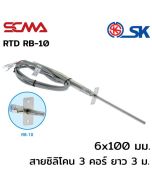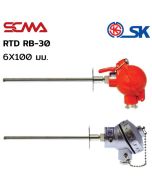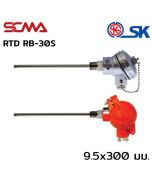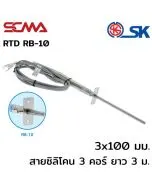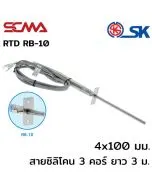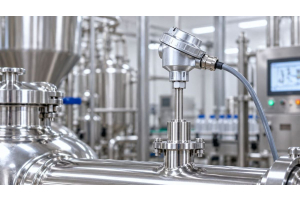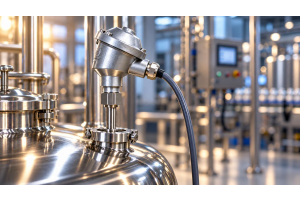
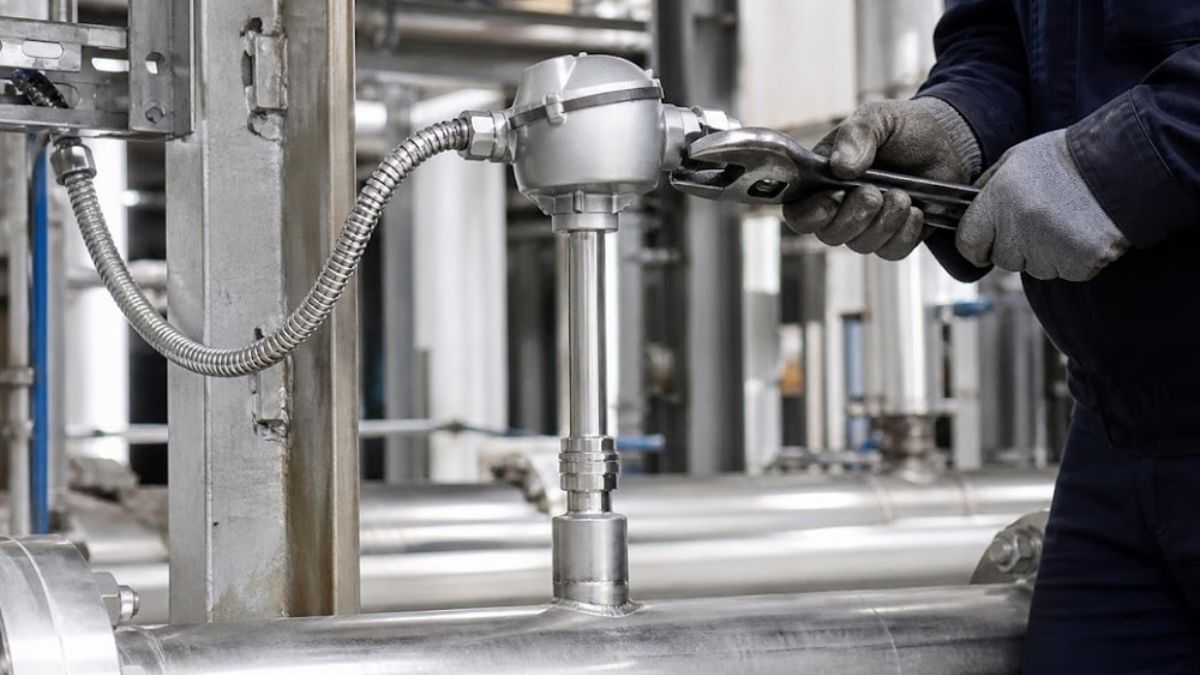
Are you experiencing temperature measurement issues in your factory that are causing negative impacts on production processes? Choosing to use high-standard RTD Probes is the solution to this problem. SCMA is ready to provide services for sourcing and designing temperature sensors of the RTD Temperature Probe type, which are highly accurate to elevate your automation system. This article will delve into how they work, proper selection methods, and maintenance techniques for extending the lifespan of these measuring tools.
What is an RTD Probe?
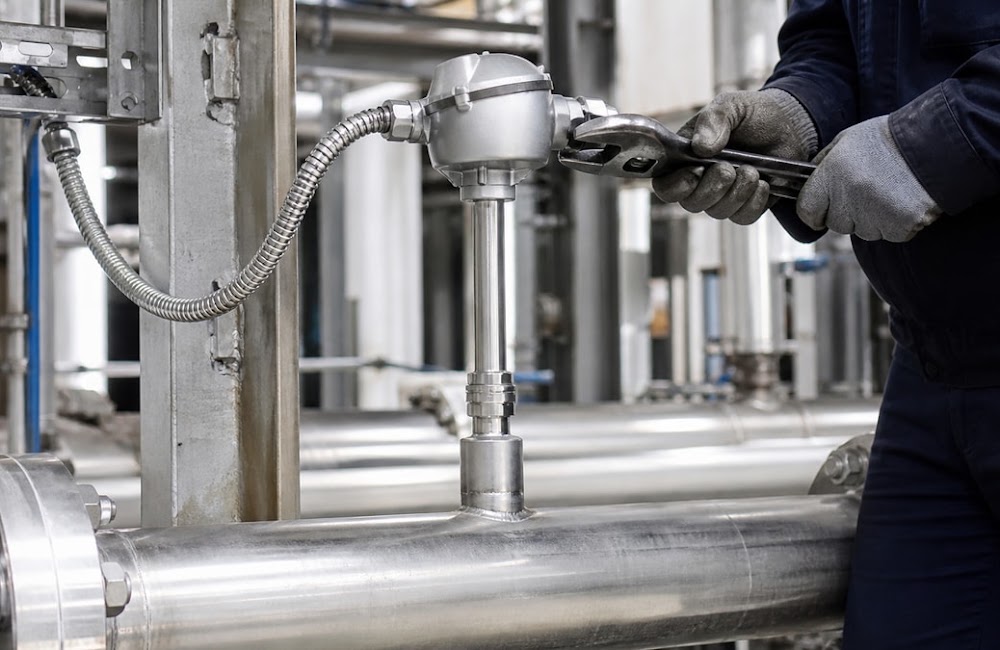
An RTD (Resistance Temperature Detector) or resistance-type temperature probe is a device that converts heat into highly accurate electrical resistance values. Industrial factories commonly use RTD Temperature Probes as primary signal receivers in processes requiring strict quality control. SCMA is a leading distributor with informative articles on RTD sensors, along with a wide range of premium quality products to choose from.
How an RTD Probe Works
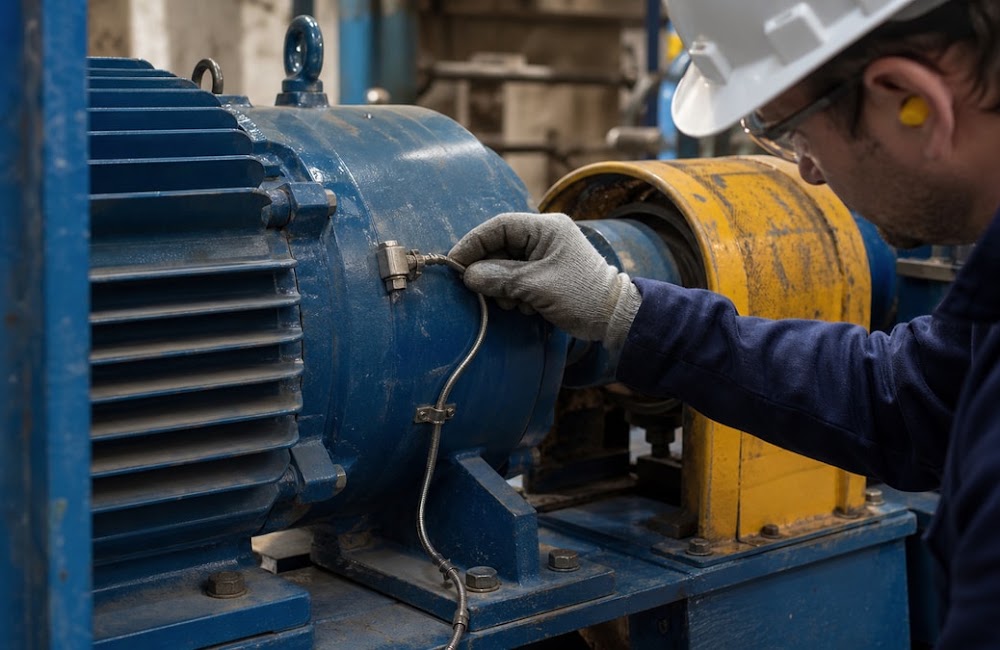
This type of sensor works by detecting electrical changes, and the RTD Temperature Probe provides much more stable readings compared to other types of sensors. Let's look at the detailed working principle, which is divided into 3 important steps for processing as follows:
Resistance Value Change
The main body of the RTD Temperature Probe is made from pure metal, typically platinum, known as a Pt100 type probe. Its unique property is that at zero degrees Celsius, this metal has an electrical resistance of exactly 100 ohms. As the temperature increases by one degree Celsius, the resistance value in the circuit will increase by approximately 0.385 ohms linearly.
Signal Conversion for Display
After the probe detects the resistance value, the system immediately sends this data to a signal converter or transmitter. The control unit then processes the ohm values obtained from the RTD Probe and converts them into readable temperature numbers for users. This signaling allows automatic control devices to use the information to command machinery in production processes.
Measurement Accuracy Level
The key advantage is its high accuracy, stability, as well as higher resolution compared to thermocouples. Therefore, using an RTD Temperature Probe is suitable for temperature ranges not exceeding 600 degrees Celsius. Plant engineers often apply it in production processes that allow only minor deviations.
How Many Types of RTD Probes Are There?
The selection must be based on the actual working conditions, as RTD Temperature Probes come in various installation types to meet the needs of every industry. SCMA has categorized the main products into 4 types for easy application.
In-Situ Mount (Fixed Mount)
This probe is designed to be permanently installed on machinery or pipes with threads for secure fastening. Its strength and durability make it suitable for measuring air temperature or liquids in closed systems. According to the experience of SCMA's engineering team, this type of RTD Probe significantly reduces signal movement issues that cause errors.
Cable Type
The cable-type head extends the wiring length, providing flexibility in adjusting installation positions on-site. Users can use this RTD Temperature Probe to measure temperature in various narrow or hard-to-reach areas. Care should be taken when running cables to prevent interference from other machinery motors.
Surface Probe
The structure is designed for the tip to fit tightly against solid surfaces, such as clamping onto pipe surfaces. Using RTD Probes directly on the surface prevents the need for drilling pipes and thus ensures perfect prevention of system leaks. Factories commonly use this equipment to check heat accumulation around motors or the surface of chemical storage tanks.
Penetration/Immersion Probe
The measuring head has a sharp tip designed for dipping into liquids or penetrating directly through materials. The food industry often uses RTD Temperature Probes like this to check the core temperature of products. Materials used in the probe's casing must be food-grade stainless steel for maximum safety when coming into contact with ingredients.
Maintaining RTD Probe
Proper maintenance helps extend the lifespan and optimal performance of an RTD Temperature Probe. It is crucial to regularly inspect the equipment to prevent errors according to the following guidelines.
1. Cleaning
Techs should clean the probe tip frequently to remove any dirt that may act as thermal insulation. Use cleaning agents suitable for the RTD Probe material and never use sharp objects near the sensor area. Regular cleaning will ensure quick temperature response, similar to a new device.
2. Physical Inspection
Users must regularly check the signal wires of the RTD Temperature Probe for cuts, breaks, or animal damage. Inspect connectors and external insulation for chemical or liquid leaks from production processes. If rust or corrosion marks are found at connection points, replace the equipment immediately.
3. Environmental Control
Avoid installing sensors in areas with high vibration as internal structures can be fragile. Set temperature ranges within operating procedures to not exceed the maximum limits of the RTD Probe. Sudden excessive heat may permanently damage internal signal-receiving components.
4. Calibration
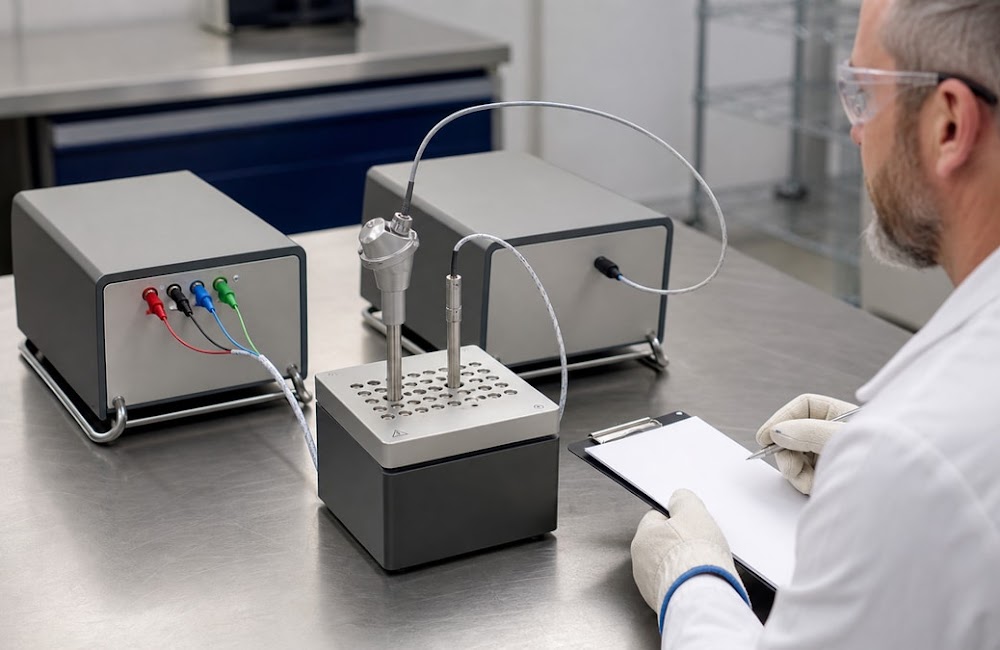
To maintain the highest accuracy standards, factories should send equipment for calibration at regular intervals every year. Calibrating an RTD Temperature Probe alongside system temperature measuring tools helps check for errors. SCMA has a team ready to provide advice on appropriate calibration cycles that fit each factory's production standards.
Usage of RTD Probe
With its outstanding accuracy, the application of RTD Temperature Probe in industries is highly versatile. From case studies we have conducted, SCMA summarizes the main usage patterns commonly found in automatic control systems as follows:
Automatic Temperature Control Work
The sensor will be connected to a temperature controller for reading heat level values during production processes. The system maintains cold or hot levels based on continuous signals sent by the RTD Probe. This well-coordinated operation helps ensure consistent product quality throughout the day.
Wide Temperature Range Measurement Work
The PT100 model is preferred for temperature ranges from -40°C to +400°C. The RTD Temperature Probe can handle extreme environments in ovens or boiler systems effectively. The probe is wrapped with special high-temperature insulation to protect the internal circuit without compromising accuracy.
Laboratory Work
Highly detailed research experiments require the use of standard Class A or Class AA probes. Using RTD Probes in laboratories ensures stable temperature readings throughout testing periods. The measurement results are crucial for making scientific analyses accurate and reliable.
Advantages of RTD Probe
When compared to other types of sensors, the RTD Temperature Probe offers unique advantages that perfectly meet the needs of modern industrial applications. Let's delve into the detailed benefits and understand why plant managers opt for this RTD probe.
High Accuracy and Stability
This device provides precise measurements along with consistent repeatability. Even when the RTD Probe is used continuously over long periods, there is virtually no deviation in readings. This high stability reduces the need for technicians to frequently recalibrate control systems.
Wide Temperature Measurement Range
The sensor can cover applications from freezing temperatures in cold rooms to high-temperature processes in heavy industries. Manufacturers can use a single RTD Temperature Probe model to meet requirements across multiple points within the factory, reducing the variety of equipment and easing procurement teams' burden by minimizing spare parts inventory.
Linear Response
The change in resistance inside the metal is directly proportional to external temperature changes. This characteristic allows signal receivers to quickly process data from RTD Probes and display accurate readings on screens, simplifying programmers' tasks of writing code to compensate for controller errors.
Environmental Durability
The majority of signal receivers are encased in thick metal jackets to protect internal wiring structures. The robust external design shields RTD Temperature Probes from machine vibrations and chemical corrosion, extending their lifespan compared to bare-wire measurements.
Expert After-Sales Service
If you choose SCMA for your purchase, our team will assist in checking the specifications of existing equipment through nameplates to provide exact replacement parts. Our engineering team is ready to consult on designing RTD Probe installation points specifically for your site, offering close support that quickly resolves complex issues and minimizes production disruptions.
How to Choose an RTD Probe
Evaluating specifications before making a purchase is crucial. You should select an RTD Temperature Probe that matches your existing SCMA Temperature Controller. SCMA recommends important criteria for selecting an RTD Probe to ensure optimal performance as follows:
- Sensor Type: Choose PT100 type because it offers high accuracy, suitable for food, pharmaceuticals, and refrigeration systems.
- Temperature Range: Select a range that covers the highest process temperature. Standard models of RTD Temperature Probes support up to 500 degrees Celsius.
- Accuracy Class: Choose Class B for general factory use, while Class A is suitable for labs requiring decimal precision.
- Probe Type: Use standard wire type for measuring ambient air and skull-type probes for durability in heavy machinery.
- Wiring Configuration: 2-wire configuration is ideal for short distances, whereas 3-wire is commonly used in factories to compensate for wire resistance.
Precautions Before Installing an RTD Probe
Before putting the equipment into actual use, understanding precautions will help prevent potential damage to the RTD Temperature Probe. The engineering team summarizes points that technicians must observe before installing an RTD Probe for flawless signal transmission.
- Avoid Severe Vibration Areas: Internal structures are fragile; if unavoidable, use a Thermowell to absorb shock.
- Watch Wire Length: If the RTD Temperature Probe wire is pulled too long, choose 3-wire or 4-wire systems to prevent parasitic resistance values.
- Check Insulation: Ensure that fiberglass wires do not come into contact with high-temperature heat sources beyond their specifications.
- Avoid Moisture in Connectors: If used in wet environments, choose probes with a higher IP Protection rating to prevent water from seeping into the circuit board.
- Consult Experts: If unsure about thread specifications or jacket sizes, you can send pictures of nameplates to distributors for model comparisons.
Summary
The RTD Probe is a crucial component that helps maintain thermal balance in industrial plants requiring the highest standards. Selecting high-quality RTD Temperature Probes along with proper maintenance can significantly reduce machine downtime. If you are looking for comprehensive measurement solutions, SCMA is ready to provide equipment and system design services with an experienced engineering team.
Buy RTD Probe from SCMA today!
Investing in standard-compliant measuring instruments elevates the reliability of your entire production process. SCMA offers services including consultation, sales, and after-sales support for all types of RTD Temperature Probes. Our team of experts is ready to visit your site to select the most suitable RTD Probe for your needs, ensuring long-term value.
Frequently Asked Questions
What does RTD stand for?
RTD stands for Resistance Temperature Detector, which converts temperature into electrical resistance values. It is known for its stability and is commonly used in industries that require strict heat control.
Should I choose an RTD or a Thermocouple?
If you need high accuracy within the temperature range of up to 600 degrees Celsius, an RTD probe should be chosen. However, for measuring extremely high temperatures in the thousands of degrees Celsius, a thermocouple would be more suitable.
What is a PT100 sensor?
A type of temperature sensing head made from platinum, where at zero degrees Celsius it has exactly 100 ohms resistance. It is the most popular standard model due to its linear output that controllers can easily process.
How often should sensors be calibrated (Calibration)?
In general, it is recommended to calibrate at least once a year to check for measurement device errors. If used in food or pharmaceutical industries with strict requirements, calibration may need to be done every six months.
Does SCMA offer temperature control system design services?
We have a team of expert engineers ready to provide comprehensive design and installation (Project & Solutions) services. Customers can consult on-site issues so we can help find equipment that perfectly matches the existing machinery systems.