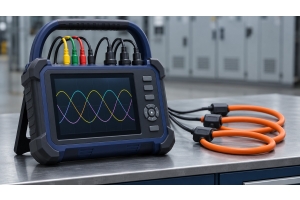
Having trouble measuring torque in rotating machinery that causes deviations affecting your production line? Choosing a high-quality industrial-standard Rotary Torque Sensor (Rotary Torque Sensor) with support from expert solution providers like SCMA is the answer to solving these problems. This article will take readers deep into the working principles, types, maintenance, and a checklist of purchasing methods that can be immediately applied to your factory.
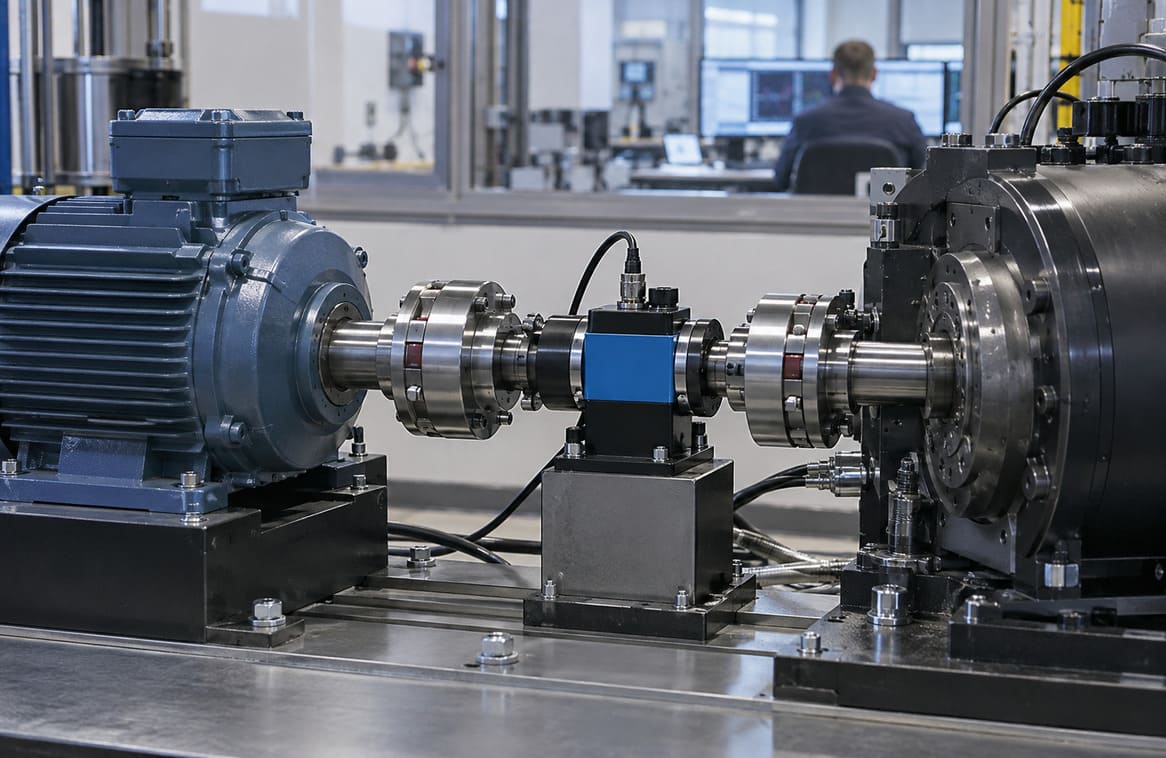
What is a Rotary Torque Sensor?
A Rotary Torque Sensor, or rotating torque sensor, is an important device in the industry that measures the torque of moving or rotating parts, such as motors, engines, and drive shafts. This device converts mechanical torque values into electrical signals for the control system. From our case studies, we found that selecting an accurate sensor can effectively reduce the rate of waste in the production line.

Working Principle of Rotary Torque Sensor
The working principle of the Rotary Torque Sensor uses Strain Gauge (Strain Gauge) technology installed on the drive shaft to detect slight stress or deformation during rotation. When the shaft twists due to external force, the resistance value changes proportionally to the torque. The rotary torque sensor converts this resistance value into an electrical signal, transmitting it wirelessly or through a slip ring for immediate analysis.
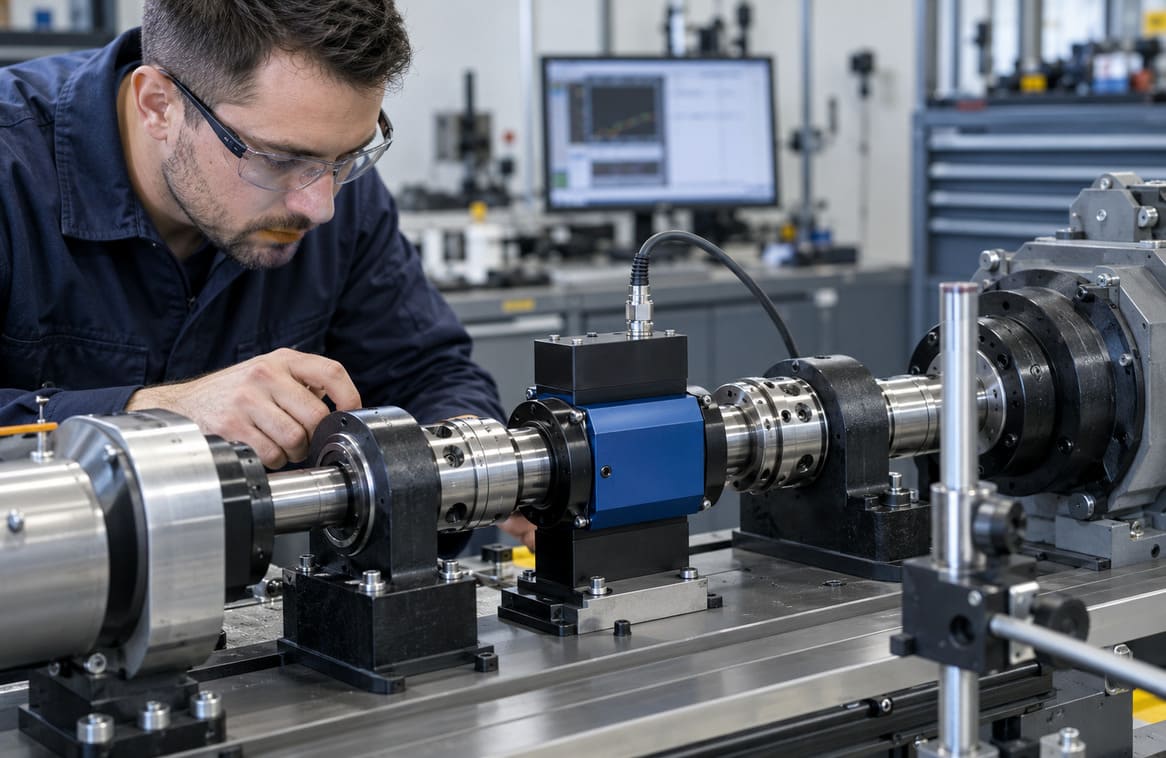
How many types of Rotary Torque Sensors are there?
Rotary Torque Sensors (Rotary Torque Sensors) are divided into 2 main types based on their primary operating principles. Choosing the appropriate type will help the factory's Industrial Sensors system operate at maximum efficiency as follows
Strain Gauge Type
Strain Gauge Type is a rotary torque sensor with high accuracy, suitable for general industrial applications that require high reliability in torque inspection. Our engineering team recommends using this type for tasks requiring engineering data collection to strictly control production quality
Non-contact / Magnetoelectric Type
Non-contact / Magnetoelectric Type is designed to measure values without mechanical friction, greatly reducing wear on the Rotary Torque Sensor. This type of rotary torque sensor meets the needs of high-speed rotation tasks and supports use in the harsh environments of industrial factories
Maintenance of Rotary Torque Sensor
Proper maintenance of the Rotary Torque Sensor helps extend its lifespan. Maintenance is divided into daily practices and detailed technical inspections as follows
Daily Maintenance
Users should clean the body of the Rotary Torque Sensor with a dry, clean cloth to remove dust or oil, avoiding the use of harsh chemicals. It is strictly forbidden to drop or impact the equipment or the shaft area. The system operator must ensure that the environment does not exceed the sensor's specified temperature or humidity limits
Technical Inspection
A tip from real fieldwork is to always check the alignment of the shaft before using the rotary torque sensor to prevent vibrations that can damage the bearing. It is important to regularly inspect the signal cables for loose connection points or signal interference. Regular calibration according to industry standards is a must
Application of Rotary Torque Sensor
The application of Rotary Torque Sensor covers the measurement of torque of rotating components in various processes. Rotating torque sensors help evaluate performance in the following key industries:
Automotive and Engine Industry
In the automotive industry, rotating torque sensors are used to test engine power on a dynamometer. Engineers use the Rotary Torque Sensor to inspect rotating components such as crankshafts or flywheels. The data obtained is crucial for developing automotive performance to meet international standards.
Production Line and Assembly
The production line uses rotating torque sensors to control screw tightening to standard values, preventing issues such as loose or over-tightened components causing damage. Integrating the Rotary Torque Sensor with automatic screwdrivers enhances the precision of electronic component assembly processes.
Robotics & Automation
Installing rotating torque sensors at the joints of industrial robot arms allows the system to measure or limit torque in real-time. The Rotary Torque Sensor effectively prevents damage from collisions or excessive weight. This technology is a key component of high-safety automation systems.
Research and Development (R&D)
Research laboratories use rotating torque sensors to precisely measure the power transmission performance of motors and water pumps. Engineering data from the Rotary Torque Sensor is analyzed to improve machine design. Investment in accurate measuring instruments helps reduce errors in the product development process.
Advantages of Rotary Torque Sensor
The advantage of the Rotary Torque Sensor is its ability to work seamlessly with rotating machinery. The rotary torque sensor provides significant benefits to quality control as follows
Real-time measurement while rotating
A key feature of the Rotary Torque Sensor is its ability to monitor the torque of a shaft or motor while it is in actual operation. The rotary torque sensor provides real-time status information. Operators can adjust the machine immediately to prevent potential damage in the production line
High measurement accuracy
Using a rotary torque sensor allows industrial plants to obtain accurate and highly stable measurement values. The Rotary Torque Sensor is engineered to support quality control tasks that do not allow for any deviation. This accuracy directly affects the quality of the final product
Fast response
The rotary torque sensor can read sudden changes in torque instantly. The sensor system can send an alert signal within a fraction of a second when an abnormality occurs. The Rotary Torque Sensor is therefore an excellent protective device for high-value machinery in factories
Compact size and easy installation
The design that considers the space makes the Rotary Torque Sensor compact and space-saving. Engineers can easily install the rotary torque sensor into the original machine's shaft assembly. This device clearly reduces the complexity of upgrading the sensor system
How to Choose a Rotary Torque Sensor
Selecting a Rotary Torque Sensor requires considering engineering parameters to ensure the device is suitable for the working conditions. The checklist below will help you choose the right rotary torque sensor.
- Torque Range: Choose the measurement range of the Rotary Torque Sensor to cover the maximum and minimum torque of the machine.
- RPM (Revolutions Per Minute): Check the sensor's specifications to ensure it can withstand the maximum RPM of the shaft without damage.
- Shaft Size: Measure the diameter to select the appropriate Mechanical Connection for the Rotary Torque Sensor.
- Output Signal: Choose a rotary torque sensor that sends a signal compatible with the PLC control system, such as 4-20mA or 0-10V.
- Environment: Check the IP Rating of the Rotary Torque Sensor if it is to be used in areas with high dust or humidity.
Mistakes to Avoid When Installing a Rotary Torque Sensor
Incorrect installation of a Rotary Torque Sensor can lead to inaccurate measurements and premature damage to the device. The following are important precautions when installing a rotary torque sensor.
- Ignoring Shaft Centering: Misalignment causes the Rotary Torque Sensor to experience off-center forces, leading to bearing damage.
- Incorrect Signal Wiring: If the wiring of the rotary torque sensor is run close to high-voltage electrical cables, electromagnetic interference can occur.
- Inappropriate Coupling Selection: A flexible coupling should be selected to reduce stress on the torque-receiving components.
- Loose Mounting Nuts: A loose mounting base for the rotary torque sensor can cause severe vibration during measurement.
- Overloading Immediately (Overload): Do not apply the maximum load immediately when starting the system to prevent damage to the Rotary Torque Sensor.
Summary
Rotary Torque Sensor or rotational torque sensor is an important device that helps control quality and extend the lifespan of industrial machinery. Understanding the working principles, maintenance, as well as how to correctly select specifications is crucial. If your business wants to integrate an automated system, our expert engineering team from our service is ready to provide consultation and design a comprehensive measurement solution.
Interested in purchasing or consulting via LINE Official: @SCMA
If you want to buy a Rotary Torque Sensor, you can purchase it from SCMA today!
Investing in high-quality Rotary Torque Sensors elevates the production process to be precise, preventing losses from machine downtime. SCMA, as a leader in measurement tools, offers all types of sensors that have been carefully selected, along with services and project solutions in an integrated manner to support the success of industrial factories. You can view all our products to find the best technology for your business.
Frequently Asked Questions
What is the difference between a Rotary Torque Sensor and a Static Torque Sensor?
A Rotary Torque Sensor is designed to measure torque on a rotating shaft, while the Static type is used for stationary components with no rotation
What is the recommended output signal for this type of sensor?
The commonly used signals in industry are analog 4-20mA and 0-10V because they can be connected to a PLC system in a stable manner
How frequently should the device be calibrated?
Users should send the device to the laboratory for accuracy calibration at least once a year according to industry standards
What should be done initially if there is signal interference during measurement?
It is recommended to check the grounding and separate the sensor signal wires from the main power lines to reduce electromagnetic interference
Does SCMA offer system design services that support this sensor?
We have a team of expert engineers who provide comprehensive solution design services, from selecting equipment to installation and testing of the system in real locations