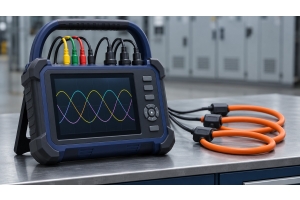
Having trouble with inaccurate measurements causing production delays? Understanding what Displacement Sensor is, a crucial device for high-precision positioning measurement, can directly solve this problem. In this article, the SCMA engineering team will take you through a comprehensive explanation of how this type of sensor works. Readers will gain knowledge on how to properly select industrial Sensor equipment to effectively reduce production waste.
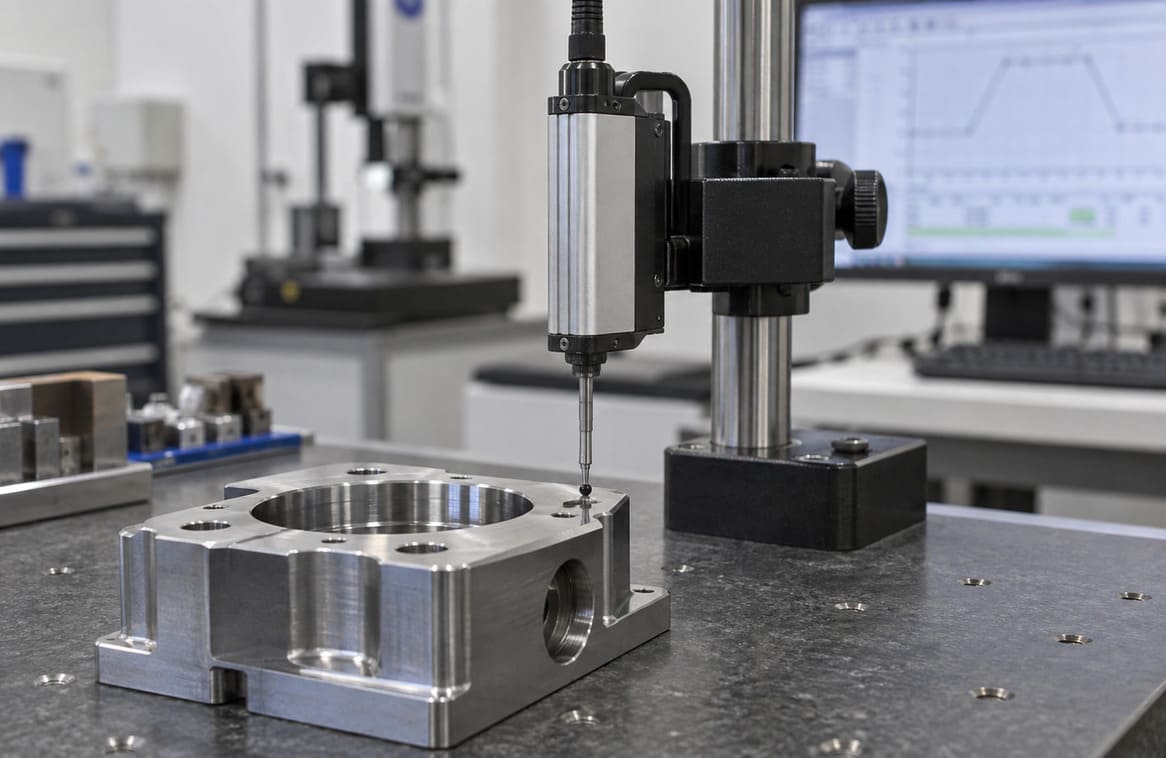
What is a Displacement Sensor?
Displacement Sensor is a state-of-the-art electronic device that accurately detects the distance, size, position, and movement of a target object. This device converts physical changes into electrical signals for the processing system to recognize. Choosing high-quality Sensor from a reliable provider such as SCMA company will clearly enhance the quality control standards in the factory.
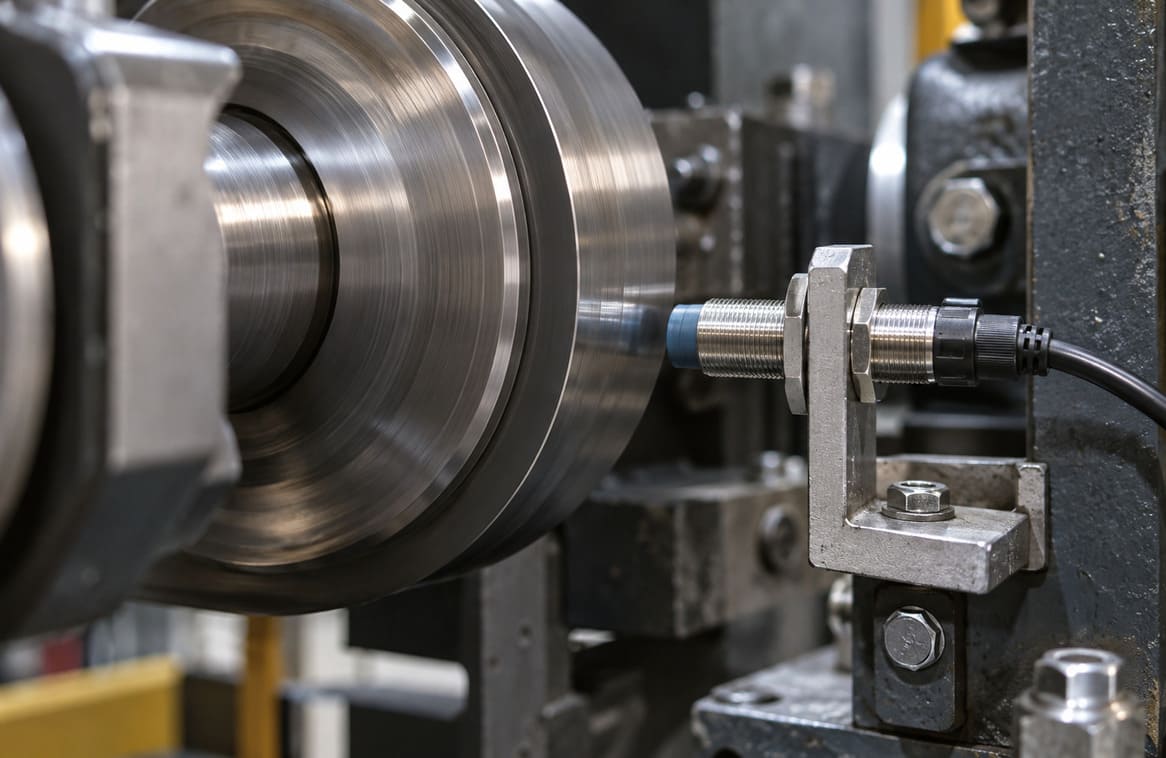
How Displacement Sensor Works
The operation of this type of sensor relies on sending a signal to impact the target object to evaluate the changed distance. We can divide the measurement method of the Sensor into two main principles of light as follows
Time of Flight (ToF) Principle
The system will emit a laser or infrared beam to impact the target on the production conveyor belt. Then the Sensor will calculate the distance based on the time it takes for the light to travel and reflect back to the signal receiver. This technique is highly suitable for long-distance measurements that require speed
Laser Triangulation Principle
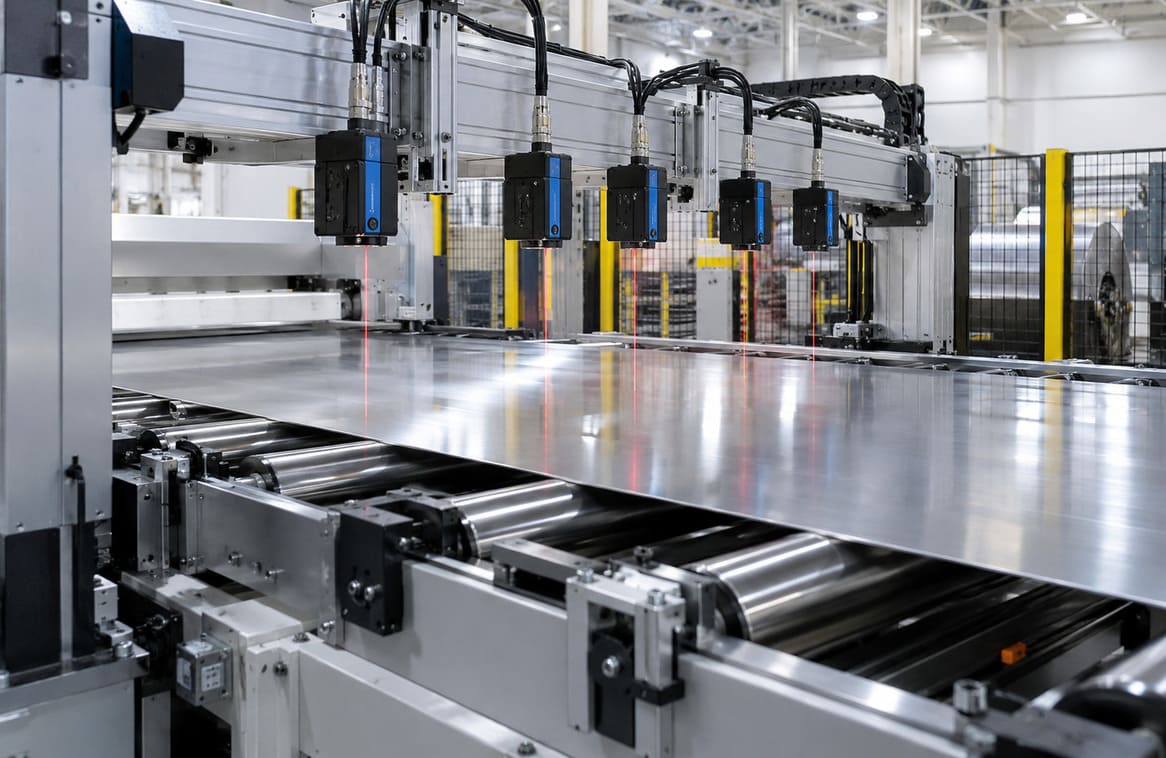
This technique emits a laser beam to impact the workpiece. When the light reflects back to the signal receiver of the Displacement Sensor, the system calculates the distance based on the changed angle of incidence. This principle provides micrometer-level precision, which is excellent for thickness inspection tasks
How many types of Displacement Sensors are there?
The classification of displacement sensors is mainly based on detection technology. The selection of each type of sensor must be consistent with the characteristics of the workpiece. In summary, there are 3 main types according to the SCMA standard.
Inductive Displacement Sensor
This type of sensor uses the principle of electromagnetic field detection to detect the target object. The advantage is that it can measure metal objects without touching the workpiece at all Inductive Displacement Sensor is highly durable in high-dust environments.
Linear Gauge Sensor
This device is a linear displacement sensor that must directly contact the workpiece. It is suitable for measuring thickness, depth, or high-precision dimensional deviations. This type of sensor is commonly found in quality control laboratories.
Laser Distance Sensors
Laser distance sensors excel in non-contact measurement of positions, perfectly preventing scratches on the object's surface. Users can choose Laser Distance Sensors in both short-range and long-range models as needed.
Maintenance of Displacement Sensor
Proper maintenance is an important factor that helps extend the lifespan of the measuring instrument. Regular cleaning of the sensor helps prevent data inaccuracies.
Daily Maintenance
Operators should carefully clean the light-receiving lens with a soft, clean cloth to prevent dust or oil stains from obstructing the operation of the displacement sensor. They should also check that the signal cables are in good condition and not compressed.
Accuracy Inspection and Calibration
The maintenance team must strictly perform accuracy calibration at scheduled intervals. They should check that the sensor mounting is secure to prevent vibrations from the machine, which may cause the readings to deviate from the actual values.
Application of Displacement Sensor
The modern manufacturing industry widely applies this measuring instrument in the quality inspection process. The application of high-performance sensors helps reduce working time while preventing damage to the workpieces.
Measuring Thickness and Size
The automatic system uses Displacement Sensor to check the thickness of metal sheets, thin films, or glass in real-time. If the size of the workpiece deviates from the standard value, the sensor will immediately send a signal to the control system.
Position and Assembly Inspection
Industrial robotic arms need to know the precise coordinates before picking up components. Installing distance-measuring sensors allows the robot to accurately control the placement position of the workpiece on the conveyor belt with very low deviation levels.
Measuring Liquid Level in Tanks
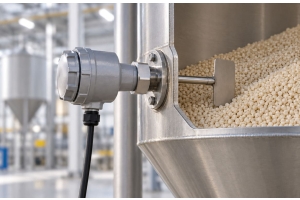
Chemical plants or food industries apply this device to measure the level of water or liquid inside sealed tanks. The non-contact operation effectively prevents chemical contamination from entering the sensor.
Checking Surface Warping
Before assembling electronic components, the system scans the surface to detect warping. Using Displacement Sensor to scan the workpiece helps quickly filter out non-standard products from the production line.
Advantages of Displacement Sensor
The key feature that makes Displacement Sensor the first choice in industrial factories is its ability to measure distance with micro-meter level accuracy without touching the target workpiece. Using this type of equipment helps the quality inspection process proceed quickly, resulting in factories saving time and significantly reducing the rate of out-of-spec products.
How to Choose a Displacement Sensor
Considering the selection of an appropriate measuring instrument must refer to the actual working environment. The SCMA engineering team recommends the following methods to evaluate the sensor specifications to match the nature of the work for maximum value:
- Consider the Measuring Range: Check the closest and farthest distances that the Displacement Sensor supports, to ensure it covers the positions that the target object moves through
- Determine the Level of Accuracy: Choose the resolution of the Sensor appropriately according to the factory's quality control standards. For example, electronic assembly work should use models with micrometer-level resolution
- Analyze the Target Material's Surface: Evaluate whether the workpiece is metal, transparent, or reflective, to determine whether a laser, inductive, or contact type sensor is needed
- Check the Protection Grade (IP Rating): If the working area has moisture, dust, or high temperatures, it is recommended to choose a model with an IP67 or higher protection standard to extend the service life
Industries That Should Use Displacement Sensors
This high-precision measuring instrument meets the needs of industries that prioritize zero deviation. Integrating the Sensor into the control system helps to sustainably enhance competitive capabilities.
- Automotive Industry: Used for measuring the distance of engine parts, assembling car doors, and checking the smoothness of metal surfaces before painting
- Electronics Industry: Check the integrity of PCB circuit boards, evaluate the thickness of silicone adhesive, and identify the position of small chips using Displacement Sensors
- General Manufacturing Industry: Control the diameter of plastic tubes, detect vibrations of heavy machinery, and control the material level in silo tanks
Summary
You should now have a clear picture that a Displacement Sensor is an intelligent device that helps check the distance and position of workpieces with the highest accuracy. Choosing the right Sensor can help reduce errors in the production process in a tangible way. If your factory is looking for a professional measurement solution, the engineering team from SCMA is ready to provide advice and design a system that best meets your needs.
Interested in purchasing or consulting via LINE Official: @SCMA
If you want to buy Displacement Sensor, you can buy it from SCMA today!
Investing in accurate measuring tools is the starting point of creating a reliable production standard. If you are looking for high-quality industrial equipment, SCMA Co., Ltd. is ready to distribute Displacement Sensors from world-leading brands. We offer technical consultation services to select the Sensor that matches your budget. Contact our engineering team immediately.
Frequently Asked Questions
Can Displacement Sensor measure transparent objects?
It can be measured by selecting a Confocal or special laser sensor designed specifically for detecting glass or transparent film surfaces.
What is the difference between contact and non-contact Sensors?
Contact type offers very high accuracy but risks causing scratches on the workpiece, while non-contact type uses light or magnet detection, making it safe for object surfaces.
How often should the measuring instrument be calibrated?
We recommend calibration every 6 months to 1 year, depending on the frequency of use and the environment within the production area.
How does the Sensor affect cost reduction in the factory?
Accurate inspection helps separate defective products early on, clearly reducing raw material loss.
Does SCMA offer installation and automated system design services?
We have a team of expert engineers ready to provide comprehensive solution design services, from selecting equipment to installing the system into the actual production line.