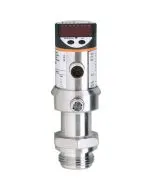
Are you struggling with selecting accurate pressure measurement devices for your industrial systems? This article will delve into the Principles of Pressure Sensors in detail, including the differences between Pressure Gauge, Pressure Gauge, and Pressure Transmitter to help you make the right choice for your specific application. At the end of this article, we recommend services from SCMA, leaders in measurement tools that will enhance the efficiency of your factory. Readers will gain comprehensive knowledge from basics to practical applications to reduce downtime in production lines.
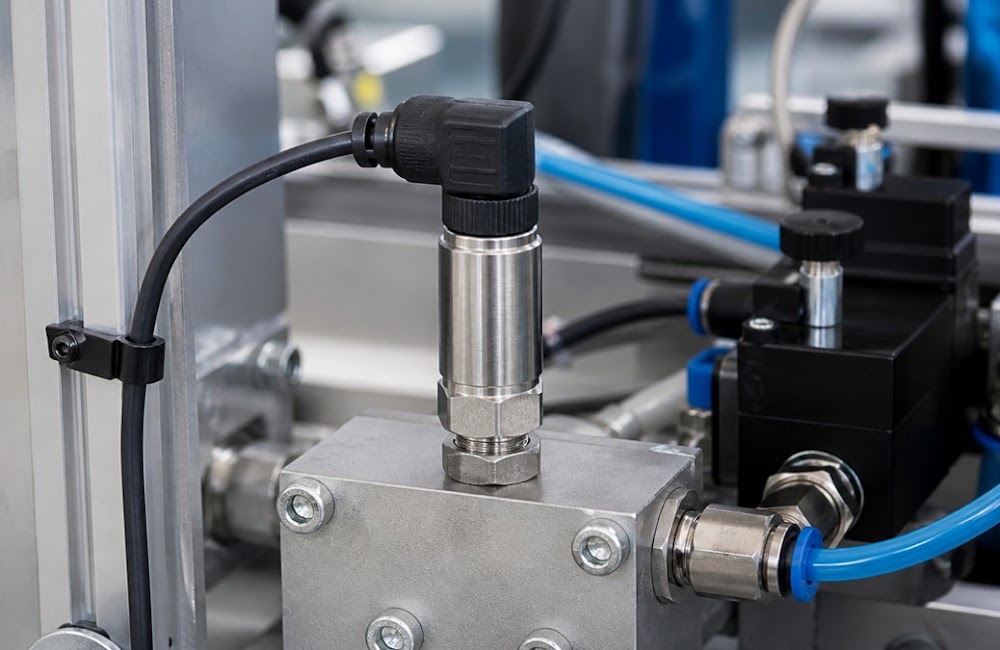
What is a Pressure Sensor?
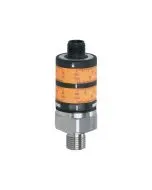
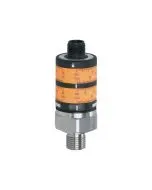
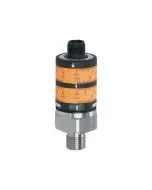
This device is a tool used to measure the pressure of liquids or gases in various systems by utilizing a special thin membrane that bends according to the applied pressure. The sensor converts the bending deformation caused by changes in resistance into an electrical signal. Based on SCMA's engineering team experience, selecting equipment that matches the pressure range is crucial. Currently, there are numerous types of Pressure Sensors developed to meet different industrial applications.
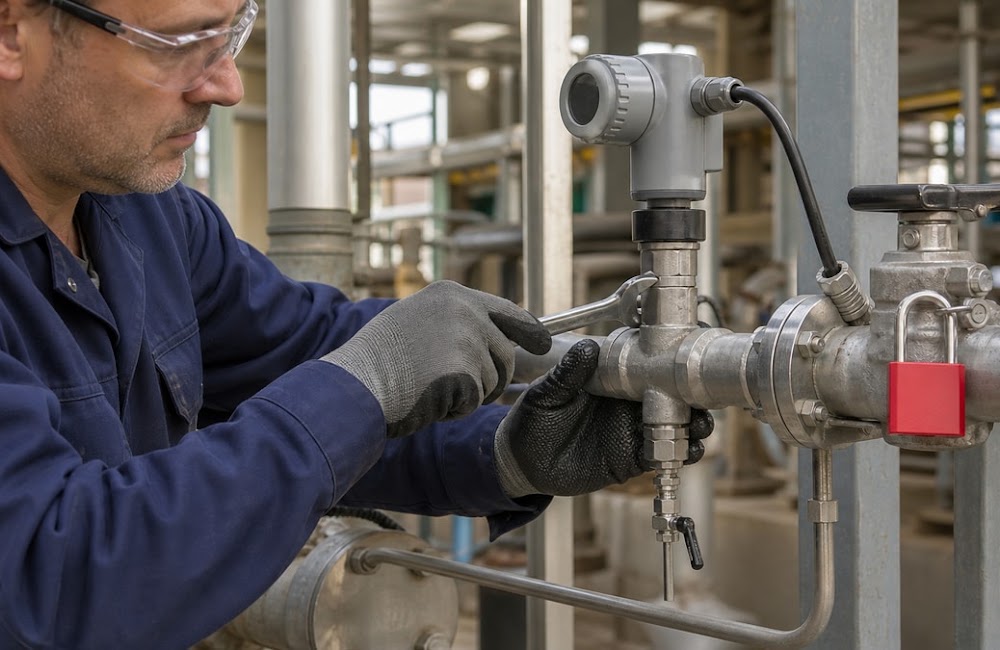
Pressure Sensor Operating Principle
For the Pressure Sensor Operating Principle, it generally starts with using a sensor or diaphragm to detect physical pressure from liquids or gases within the system. The system then converts this pressure into an electrical signal through internal technology in the device. This signal is transmitted to a display screen, or connected to devices such as pressure transmitters for data recording and controlling machinery operations in factories to ensure maximum safety. If you want to learn more, you can read at the Pressure Sensors article.
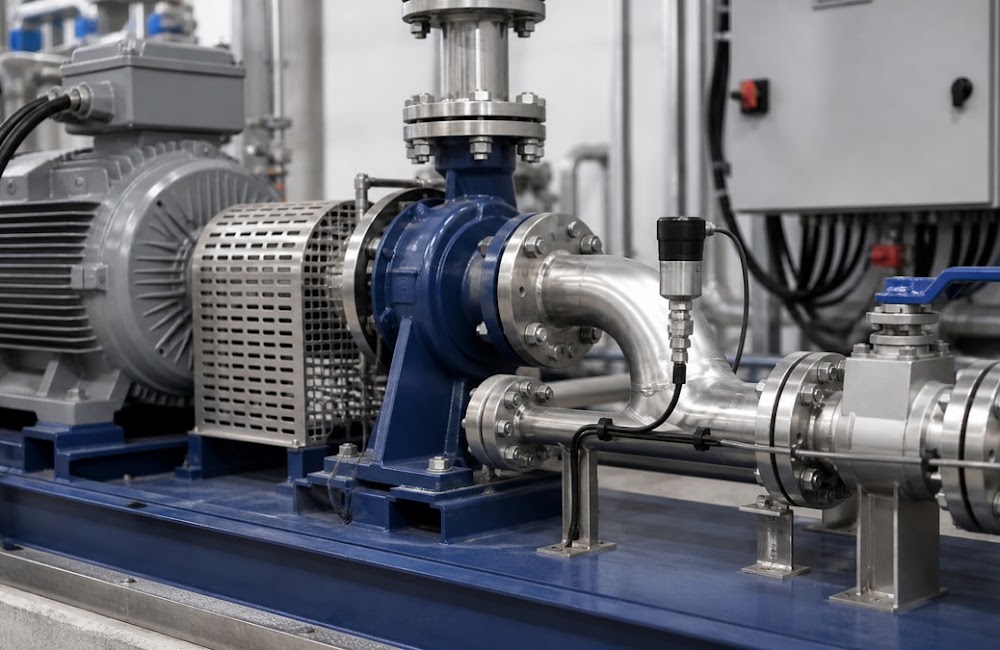
What is a Pressure Sensor Used For?
The application of pressure measuring devices varies according to the type of equipment, and they are generally categorized for users to install Pressure Gauges or other tools correctly as follows:
1. Pressure Gauge (Pressure Indicator)
This type of device or pressure gauge is an analog instrument that displays pressure readings using a needle on the dial face. It can measure absolute, gage, or vacuum pressures. The advantages include easy installation and affordability; however, it has limitations as users can only read values without being able to send signals to control other devices in the system. You can view all industrial measuring tools for comparison.
2. Pressure Switch (Pressure Control Switch)
A pressure switch automatically opens or closes an electrical circuit when the system pressure reaches a predetermined level. This device is suitable for general control systems to prevent hazards from abnormal pressures, such as using this type of switch to command the on/off operation of water pumps in industrial plants to maintain constant pressure levels.
3. Pressure Transmitter (Pressure Measuring Device)
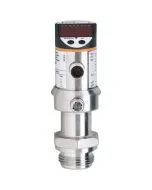
The pressure transmitter converts mechanical pressure through a transducer into analog electrical signals, such as 4-20mA or 0-10 Vdc. These signals can be directly connected to controllers or PLCs. For plants requiring automated systems, using pressure transmitters helps you precisely control production processes in the system. If interested, you can view information on sensors for process control here.
The Role of Pressure Sensor
Pressure measuring devices play a crucial role in maintaining the smooth operation of industrial systems. We can divide the primary functions of using pressure transmitters into three important aspects as follows:
1. Checking and Measuring Pressure Values
The most basic function is to display real-time pressure levels in pipelines or storage tanks accurately. Reading precise values from the measuring tool helps operators know the current status of liquids or gases. If you use a Pressure Gauge, it allows for quick and convenient checks at various points without relying on electrical systems.
2. Controlling Continuous Equipment Operation
The sensor sends an electric signal to the central control unit to automatically start or stop machinery, maintaining constant pressure levels throughout the process. Installing a Pressure Transmitter enables the system to efficiently command valve opening and closing or pump operation without requiring staff supervision.
3. Ensuring System Safety
Avoiding accidents is an important responsibility that cannot be overlooked. The equipment will immediately alert or shut down operations when pressure exceeds or falls below standard thresholds, preventing pipe bursts or machinery damage. In our case studies, installing accurate sensors clearly protects employee safety.
Applications of Pressure Sensors
The application of pressure sensors in various systems significantly enhances capabilities and safety. These devices are used across large-scale industrial settings as well as everyday life scenarios. Let's explore some interesting applications of these types of equipment, including related tools such as pressure gauges.
1. Industrial Pressure Control Systems
In factories, pressure sensors are installed in water pump systems to maintain constant and steady operation. They are also used in hydraulic and pneumatic systems to control the pressure within cylinders. Using a pressure transmitter in chemical treatment systems helps regulate the pressure levels in fermentation tanks safely for on-site workers.
2. Automotive Industry
Modern vehicles rely on multiple pressure sensors, such as those used to monitor tire pressure and alert drivers. Engine control units also use sensor data to calculate air intake into combustion chambers. This application is more complex than using a Pressure Gauge, as it involves processing information alongside airbag systems and ABS brakes.
3. Medical Equipment
Accuracy is paramount for medical equipment. Pressure sensors are used in blood pressure monitors to detect the air pressure compressing the patient's arm, and breathing machines require these tools to control the volume of air delivered to lungs. All data is transmitted through a Pressure Transmitter to provide accurate diagnostic information for doctors.
4. Electrical Appliances and Smart Homes
Air conditioning systems in buildings use pressure sensors to detect refrigerant pressure, instructing compressors to operate at maximum energy efficiency. Automatic washing machines also rely on measuring water pressure to calculate appropriate water levels. Even everyday tasks around the home benefit from technology developed from industrial-level pressure transmitters.
The Benefits of Using a Pressure Sensor
The installation of standardized pressure measuring equipment brings numerous benefits that help enhance business stability. The main advantages of understanding Pressure Sensor Operating Principles are as follows:
- Maximize Safety: Prevent system damage from excessive pressure, reducing the risk of accidents in factories.
- Real-time Accurate Readings: Quickly check pressure values whether through a Pressure Gauge or via computer systems.
- Automated Machine Control: Using electrical signals to control subsequent equipment helps ensure smooth production processes.
- Reduce Human Error: Deciding to use pressure transmitters reduces inaccuracies from manual visual recordings.
- Long-term Cost Savings: Reduce machine downtime and make maintenance easier when you choose to use high-quality Pressure Sensors from leading brands.
How to Choose the Right Pressure Sensor for Your Industry
Selecting pressure measurement equipment that fits your actual working conditions will help extend its lifespan and reduce minor issues in the long run. Practical tips include considering these basic factors before making an investment.
- Understand the system: Know what substance is present in the system to choose a housing material that can withstand corrosion appropriately.
- Check the maximum pressure range: Choose a Pressure Gauge or sensor capable of handling the highest pressure of your system without damage.
- Type of output signal: If your system uses PLC, opt for a Pressure Transmitter that can provide standard electrical signals as required.
- Study how it works: Understanding basic principles of Pressure Sensor operation helps you assess compatibility with existing technology.
- The desired display format: If you only need to view the value visually, a pressure gauge is a good choice. However, if data logging is required, consider a pressure transmitter.
Summary
Understanding Pressure Sensor operation principles will help you clearly differentiate between each type of equipment, whether it's basic display devices like pressure gauge and Pressure Gauge, or advanced equipment for automated systems such as Pressure Transmitter and pressure transmitter. If you are looking for a partner to manage your measurement control system, the SCMA engineering team is ready to provide consultation to enhance reliability in your factory.
If you want to buy a Pressure Sensor, you can purchase it from SCMA today!
Selecting the right equipment is crucial for reducing machine downtime in production lines. If you have read about Pressure Sensor Working Principles and are interested in improving your system, you can contact our expert team immediately. We are leaders in distributing high-quality measuring instruments such as Pressure Gauge, as well as leading global brands of Pressure Transmitter. For any industrial needs, inquire about Comprehensive Design Solutions (Projects & Solutions) to meet all your requirements today.
Frequently Asked Questions
What is the average lifespan of a Pressure Sensor?
The typical lifespan ranges from 3-10 years, depending on installation conditions and the type of liquid or gas being measured. Proper maintenance can extend the life of the equipment.
Can we repair damaged pressure gauges?
SOME models can be disassembled for cleaning, but if internal components or dials are damaged, replacing with a new unit is more cost-effective and ensures accuracy standards.
What are the advantages of 4-20mA output signals in transmitters?
This is a widely used analog signal standard in industrial plants because it can transmit signals over long distances without voltage drop.
Can pressure sensors measure corrosive liquids safely?
Yes, but you must choose models made from special materials such as high-grade stainless steel or Teflon coating to prevent corrosion from chemicals.
How important is calibration service for measuring instruments?
It is crucial for maintaining the accuracy of equipment according to international standards. The SCMA team offers calibration services to ensure customer satisfaction.