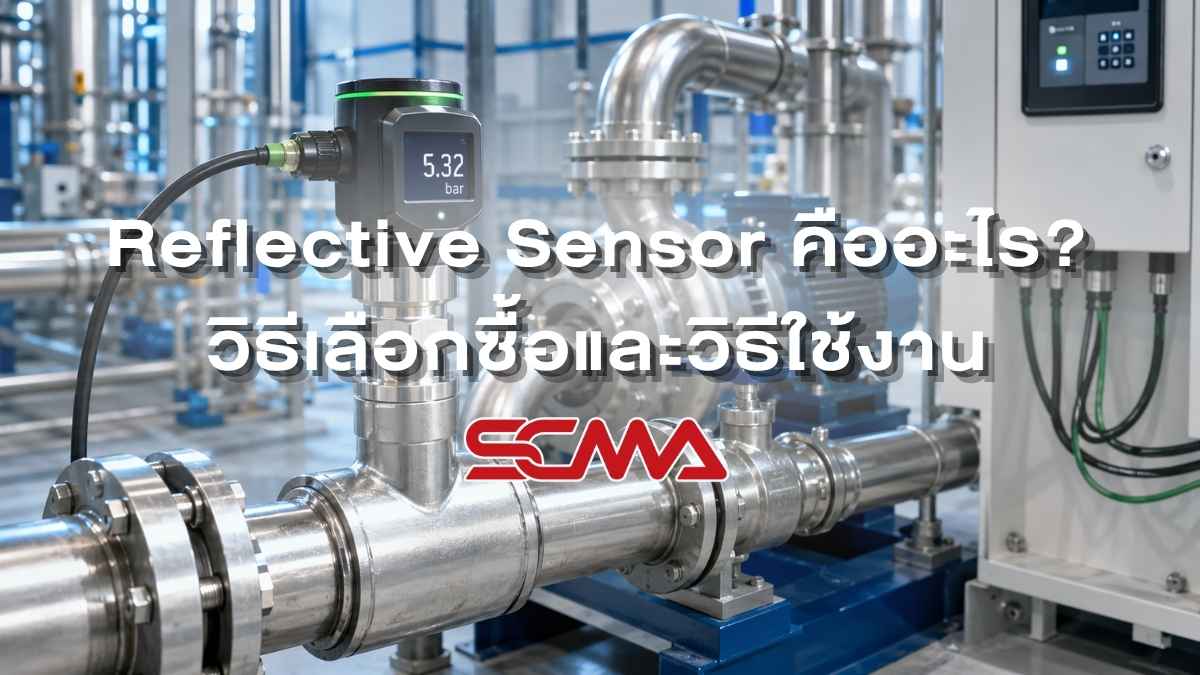
Have you ever encountered machinery stopping unexpectedly without knowing the cause? These issues can be resolved by choosing an effective pressure sensor. SCMA Company is here to take everyone on a deep dive into how these devices work, revealing tips for maintaining pressure sensors and selecting the right air pressure sensors. This article will help you save maintenance costs, enhance safety, and increase the stability of your production system sustainably.
What are Pressure Sensors?
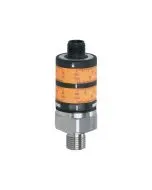
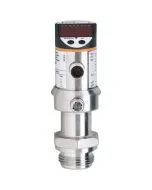
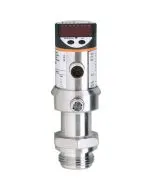
A pressure sensor (Pressure Sensor) is a device used to measure the pressure of liquids or gases in closed systems. This type of equipment functions by receiving physical pressure values and converting them into electrical signals, which are then sent to the central control system for use in displaying results, recording data, or instructing machinery to operate in accordance with preset air pressure sensor readings.
How Pressure Sensors Work
The operation of pressure sensors relies on the mechanism of receiving force acting upon a diaphragm (Diaphragm) inside the device. When changes occur, the pressure sensor detects the bending of this force-receiving plate. Electronic circuits process this deformation into standard electrical signals. Precise data transmission ensures that systems using air pressure sensors operate flawlessly without errors.
How many types of pressure sensors are there?
Selecting the right measuring equipment for a specific job is crucial. Pressure sensors can be primarily categorized into three types based on their functionality and purpose.
Pressure Gauge (pressure gauge)
This type of device is a display panel that helps operators read pressure sensor values immediately, available in both analog needle and digital numeric formats. Usage varies according to features such as positive pressure gauges, vacuum gauges, and hybrid types covering a range of measurements.
Pressure Switch (pressure switch)
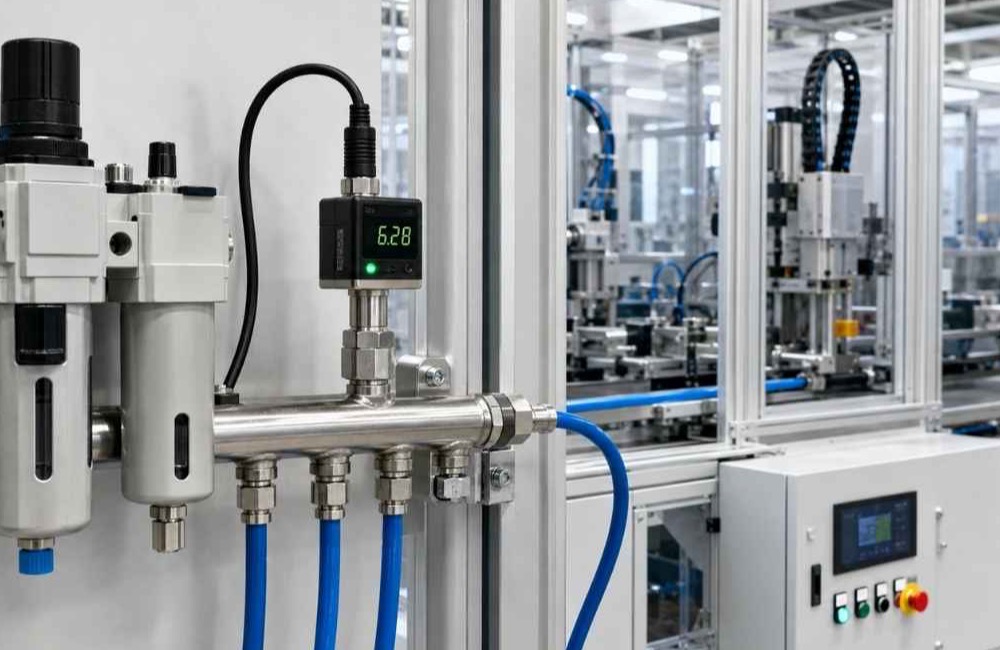
This device acts as a safety guard that automatically cuts or connects electrical circuits. Its operation starts when the pressure sensor in the system reaches the set point (Set point) value, preventing excessive pressure from damaging machinery.
Pressure Transmitter (pressure transmitter)
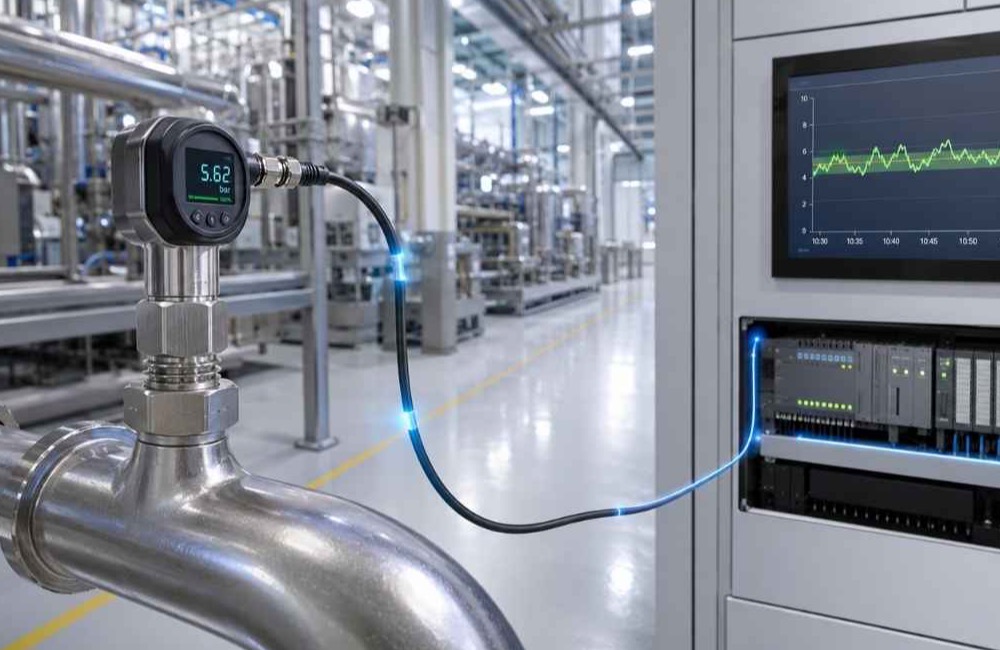
This type of equipment converts mechanical pressure into standard electrical signals, such as 4-20mA or 0-10V. Data from the pressure sensor is directly sent to a PLC controller for precise processing and control of factory automation systems.
Maintaining Pressure Sensors
Based on the experience of the SCMA engineering team, extending the lifespan of measuring instruments requires careful maintenance. Maintaining pressure sensors involves four main steps as follows:
1. Cleaning
Use a soft cloth dampened with water to gently wipe dust off the exterior housing of the pressure sensor. Avoid using harsh corrosive chemicals, and be especially cautious not to use hard objects that could directly touch the pressure-sensitive membrane as this may cause permanent measurement errors.
2. Installation and Usage Inspection
The installation should include vibration dampening equipment to prevent the pressure sensor from loosening. Avoid using it in areas with excessively high ambient temperatures beyond its specifications. Adding a pressure relief valve helps protect against sudden pressure spikes that could damage the air pressure sensor.
3. Calibration
All components must undergo standard calibration at regular intervals, such as every 6 months or annually. Sending the pressure sensor to a laboratory for inspection ensures accuracy and prevents long-term production quality issues due to potential errors.
4. Storage
If equipment needs to be stored away, keep the pressure sensors in a dry area with constant temperature, free from humidity and dust. Avoid placing heavy objects on top of the device. Proper storage ensures that the instrument is ready for immediate use when needed.
Using Pressure Sensors
The application of equipment depends on the production process objectives. The usage patterns of pressure sensors are mainly divided into three types as follows:
For Pressure Gauge Usage
This type is commonly installed at points where employees need to directly check values with their eyes. Installing a pressure sensor together with water or air pipes helps engineers quickly assess the initial operational status of machinery.
For Pressure Switch Usage
This switch type is used to control the operation of water pumps or air compressors. When the pressure sensor detects that the pressure has reached a set level, the system immediately orders the cessation of operations to prevent damage from overpressure conditions.
For Pressure Transmitter Usage
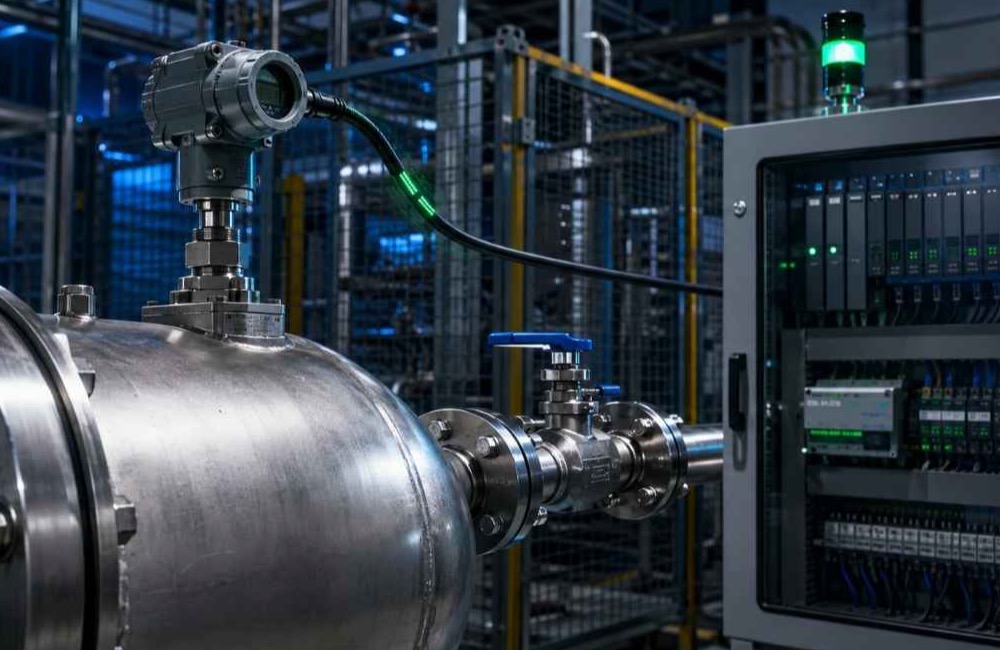
High precision tasks use transmitters to feed data into the automatic system. For example, using air pressure sensors to check air in machines or applying pressure sensors to maintain liquid levels in large industrial tanks.
How to Choose a Pressure Sensor
In cases we have studied, selecting the wrong specifications has led to overall system damage. To ensure that purchasing pressure sensors and air pressure sensors is worthwhile, you should consider four main factors.
- Usage Type (Application): Evaluate whether your system requires only reading values (Gauge), switching circuits (Switch), or sending automatic signals (Transmitter) to get a pressure sensor that meets your needs.
- Measurement Range: Choose a measurement range that covers the lowest and highest pressures of your system. Selecting a model with an excessively wide range may reduce the precision of the pressure sensor.
- Compatibility with Media (Media): The material of the air or liquid pressure sensor must be resistant to chemicals, not easily corroded, and withstand the heat and viscosity of the substance being measured.
- Output Signal: Check whether your PLC supports electrical signals such as 4-20mA or 0-10V to ensure stable data transmission from the pressure sensor.
Advantages of Pressure Sensors
Installing standardized measuring equipment is like adding a protective shield for your factory. There are several advantages to using pressure sensors and air pressure sensors.
- High Accuracy and Precision: The device helps measure pressure accurately, displaying results in various units, making the control of pressure sensors precise without error.
- Compact Size and Easy Installation: The equipment is designed to save space, allowing easy installation on machines or pipelines with limited space.
- Durability: Made from industrial-grade materials, it withstands heat, dust, humidity, and vibrations, ensuring continuous operation of the pressure sensor.
- Enhanced Safety: The pressure sensor system helps prevent accidents, reducing the risk of pipes bursting or machines exploding due to excessive pressure.
- Automated System Integration: Its ability to send electrical signals supports integration with IoT systems, allowing you to monitor factory status through a central control screen immediately.
Industries Applying Pressure Sensors
These electronic devices are the backbone of modern manufacturing lines. The application of pressure sensors and air pressure sensors spans across various industries.
- Automotive Industry: Utilize pressure sensors to test hydraulic brake systems, air conditioning systems, and monitor engine performance to meet safety standards.
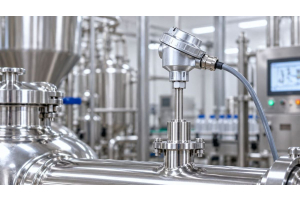
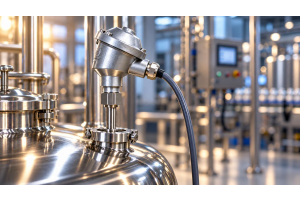
- Food and Beverage Industry: Control internal pressure in mixing tanks and pipelines, prevent contamination, maintain product quality and taste consistently throughout production cycles.
- Petrochemical Industry: Monitor pressure sensors in pipes carrying hazardous chemicals, prevent leakage risks or potential explosions that could cause significant damage.
- Wastewater Treatment Systems: Control automatic water supply, maintain pressure balance within pipelines, and instruct pumps to operate according to preset pressure sensors.
Summary
UnderstandingReference: External Additional Information about pressure sensors is the first step towards upgrading your factory. Whether it's for hydraulic systems or pneumatic air pressure systems, selecting equipment that meets specifications clearly reduces minor issues. The SCMA team is delighted to be a consulting partner for the success of your business.
If you want to buy pressure sensors, SCMA is now available!
SCMA Co., Ltd. (SCMA) leads in providing services for comprehensive industrial technology solutions. We curate all products from leading global brands to meet your needs. If you are looking for high-quality pressure sensors, the IFM pressure sensor, our team of engineers is ready to assist from consultation, system design, to internationally certified calibration services.
Frequently Asked Questions
How do pressure sensors differ from pressure gauges?
Gauges are used for reading pressure values on the dial at the workplace, while sensors convert pressure into electrical signals to be sent into a control system.
How often should pressure sensors be calibrated?
According to general industrial standards, calibration should be done at least once a year or adjusted based on actual working conditions in the factory.
Can air pressure sensors measure liquids?
Cross-use is not recommended. Check material properties (Media Compatibility) from the specification sheet to prevent damage to the equipment.
How is 4-20mA output signal better than voltage type?
The 4-20mA signal has higher stability over long-distance wiring, with no signal loss and excellent resistance to electromagnetic interference in factories.
Does SCMA offer system design services for measuring equipment?
We have a team of expert engineers providing comprehensive (Project & Solutions) services from selecting equipment, designing, installation, to after-sales service.